
Department of Justice Closes Cases Over Forced Reset Triggers
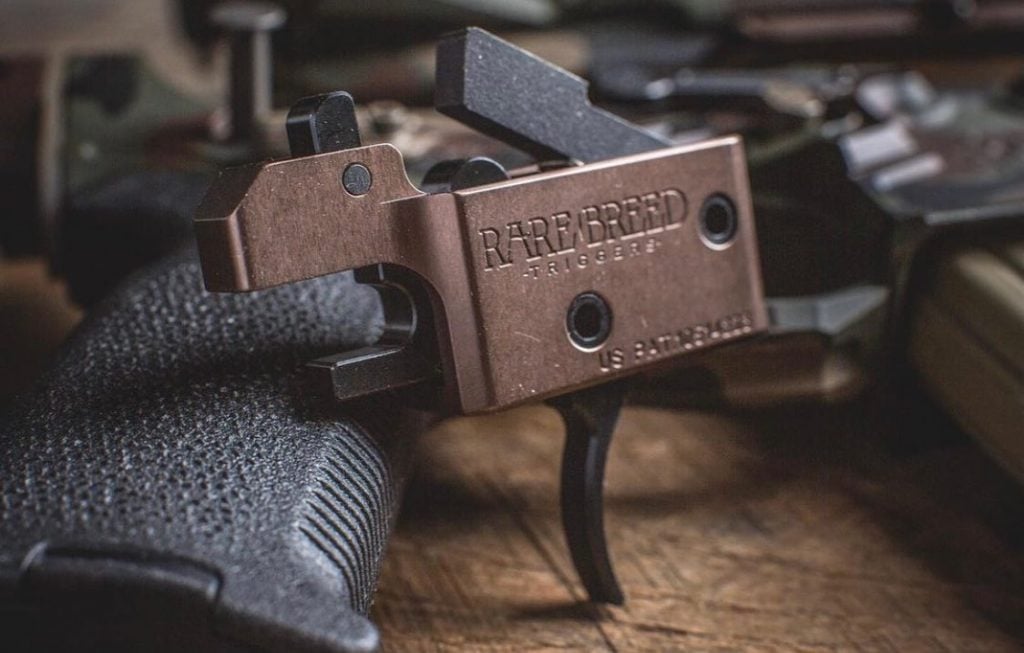
The Department of Justice dropped 3 cases against Rare Breed Triggers over its forced reset trigger design.
We review products independently. When you buy through links on our site, we may earn a commission to help support our testing. Learn more.
The Department of Justice dropped litigation against forced reset triggers last week, announcing a settlement with manufacturer Rare Breed Triggers.
In total, three pending cases were dropped: U.S. v. Rare Breed Triggers, NAGR v. Bondi (previous NAGR v. Garland), and U.S. v. Miscellaneous Firearms and Related Parts and Equipment Listed.
In addition to dropping the cases against Rare Breed, the government is prohibited from going after forced reset triggers in the future, so long as the device meets the legal definition NAGR v. Garland.
The government is also responsible for returning all seized or surrendered triggers to their original owners.
That said, the settlement did include verbiage restricting Rare Breed. According to the settlement, the company "will not develop or design FRTs for use in any pistol and will enforce its patents to prevent infringement that could threaten public safety."
"This is one of the most stunning victories in the history of the gun rights movement. We didn’t just beat the ATF – we put them in a submission hold, and they tapped out," Dudley Brown, President of the National Association for Gun Rights, said on X. "This decision marks a new era of holding the DOJ and ATF accountable when they trample the rights of law-abiding gun owners. We made them give back what they took, and that’s a precedent they’ll never forget."
Citing the Supreme Court’s ruling in Cargill v. Garland, which overturned the ATF’s Final Rule reclassifying bump stocks, the Department of Justice said that the continued litigation over forced reset triggers likely exceeded the ATF’s authority and infringed on Americans’ Second Amendment rights. As such, the government settled the case.
"This Department of Justice believes that the 2nd Amendment is not a second-class right," Attorney General Pam Bondi said in a statement announcing the cases were dropped. "And we are glad to end a needless cycle of litigation with a settlement that will enhance public safety."
The decision to step away from this litigation means that Rare Breed can soon begin selling its triggers to the public again. In fact, an announcement was posted on Rare Breed’s website last Friday warning, “The cuffs are off. As of May 16, 2025, we’re free! Expect the website to be updated on Monday, May 19."

The Best Gun Deals, Coupons and Finds
Subscribe to Pew Pew Tactical's sales and deals email.
Trending: Best AR-15s, Best Pistol Red Dots, & Ammo in Stock
What is the FRT-15?
Rare Breed Triggers squared off against the ATF in a battle over its FRT-15 trigger system, challenging the Bureau’s assertion that its trigger falls under the NFA.
This came after the Bureau of Alcohol, Tobacco, Firearms, & Explosives notified Rare Breed in early July 2021 that its FRT-15 meets the ATF’s definition of a machine gun.
As such, the trigger would be classified under the National Firearms Act.
At the center of this war between manufacturer and the ATF stands the FRT-15, or Forced Reset Trigger.
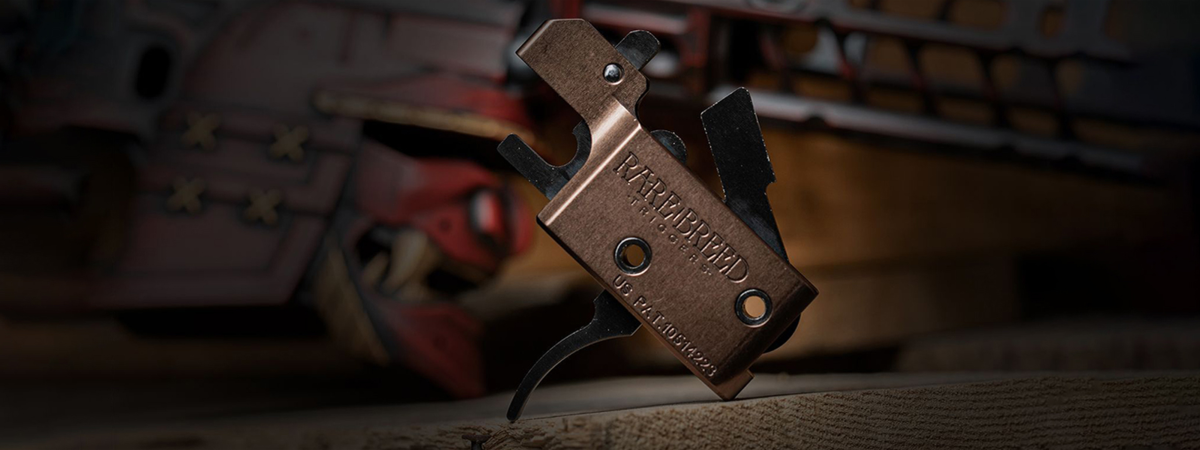
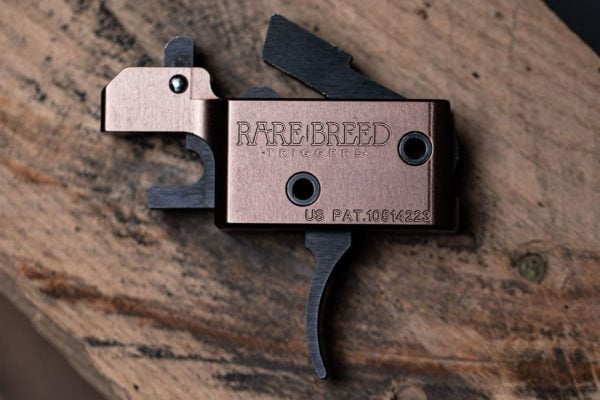
Announced in 2020, the FRT-15 offers a drop-in style assembly but adds a unique feature to it. The FRT-15 assembly works by forcibly resetting the gun’s trigger after each round fires.
In essence it works like this, the round fires and bolt cycles, then the FRT-15 cocks the hammer and resets the trigger simultaneously. This allows for quick firing of the gun by the user.
Rare Breed v. ATF
The ATF sent a letter to Rare Breed Triggers in July 2021, informing the company that the FRT-15 would be classified as a machine gun per the National Firearms Act.
According to the NFA, a machine gun constitutes “any weapon which shoots, is designed to shoot, or can be readily restored to shoot, automatically more than one shot, without manual reloading, by a single function of the trigger.”

Classification under the NFA means users must register the trigger assembly and pay a fee to legally own it.
But hold on, there’s more. The Hughes Amendment of the Firearms Owners Protection Act precludes average citizens from owning machine guns.
(Learn more about the Hughes Amendment and machine guns in our guide here!)
Our Most Popular Posts



Therefore, the classification would effectively render the FRT-15 inaccessible to most Americans as the possession or sale of the FRT-15 would result in civil or criminal prosecution.
But Rare Breed contends the FRT-15 is not a machine gun.
Rare Breed’s owner and lead counsel Kevin Maxwell filed court documents in early August 2021, arguing that per the ATF’s definition, a machine gun must fire more than one shot by a single function of the trigger – which the FRT-15 does not do.
While the FRT-15 does enable users to fire a firearm quicker, the company says the trigger assembly is still a semi-automatic trigger capable of only one round per trigger pull.
“In other words, a ‘machinegun’ is not defined under federal law by how fast it can fire – but rather by the method in which it can fire fast,” the filing says.
Further, Rare Breed clarifies that the FRT-15 does not act as an auto sear – a tool most often seen alongside machine guns resulting in full-auto function.
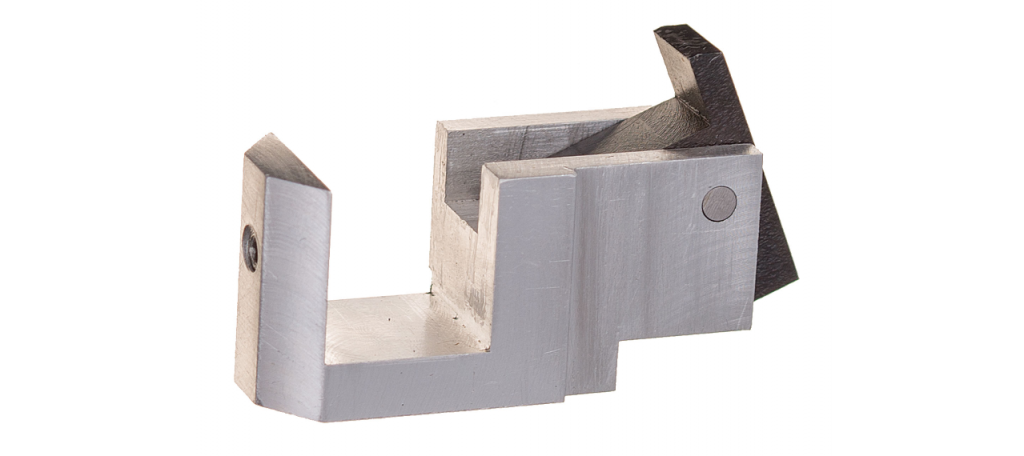
“Thus, by definition, the FRT-15 does not make a semiautomatic rifle into a ‘machinegun.’ Rather, the only thing the FRT-15 does is enable a shooter to accomplish a faster follow-up shot because of the speed at which the trigger resets.”
To see the FRT-15 in action and to hear Rare Breed's response to the ATF claims, check out the video from Rare Breed below.
Is the FRT-15 a machine gun or just a fun part? Let us know in the comments below. For more on gun laws as they relate to the NFA, check out our guides to the National Firearms Act and The Hughes Amendment. Or see what else the ATF is up to in attempting to reclassify frames/receiver and pistol braces.
Latest Updates
May 2025: Updated based on the court cases being dropped by DOJ.