
5.56x45mm vs. 7.62x39mm: Ballistics Match of Tortoise and the Hare
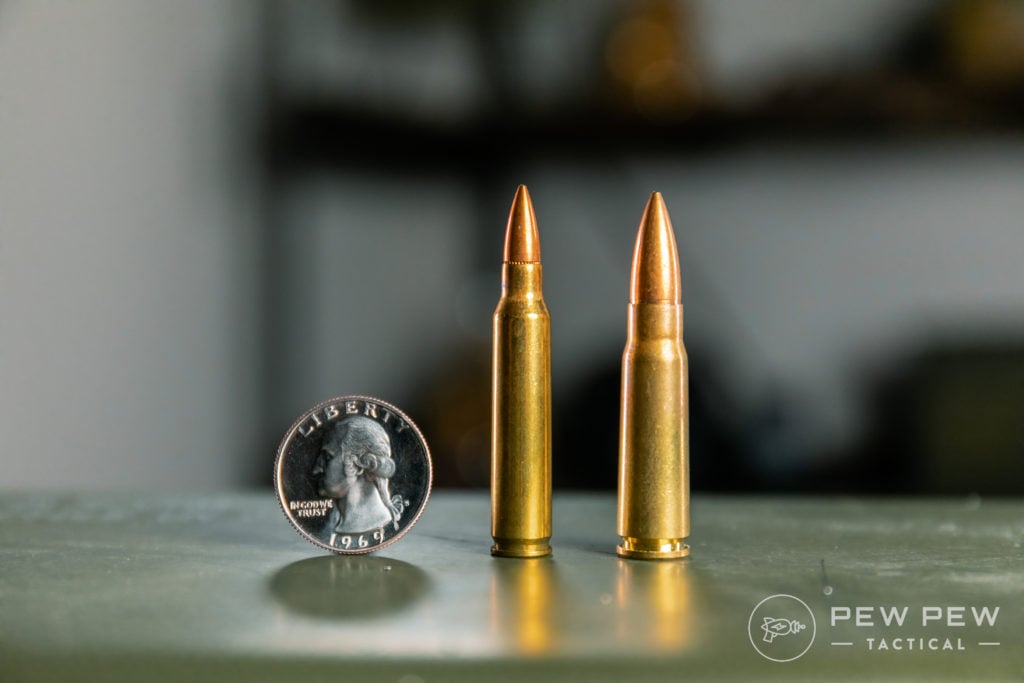
5.56 vs 7.62...what's better? We cover the famous rounds of the AR-15 and AK-47 in terms of bullet size and velocity to see which is the overall winner.
We review products independently. When you buy through links on our site, we may earn a commission to help support our testing. Learn more.
Whether building an AR-15, cruising a gun show, or staring at a wall of ammunition at your local gun shop, most shooters have come across or at least heard of 7.62x39mm and 5.56x45mm.
These two cartridges are some of the most abundantly available ammunition choices on the planet. Why is that? Well, most major and minor military forces worldwide use one of these two cartridges.
But which is better, and does it matter?
Table of Contents
Trending: Best AR-15s, Best Pistol Lights (Re-Test), & Ammo in Stock
A Brief History: Forged in Warfare
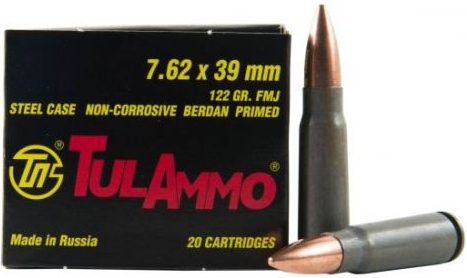
7.62.x39
The 7.62x39 cartridge was established in 1944, towards the end of WWII, by the Russian government.
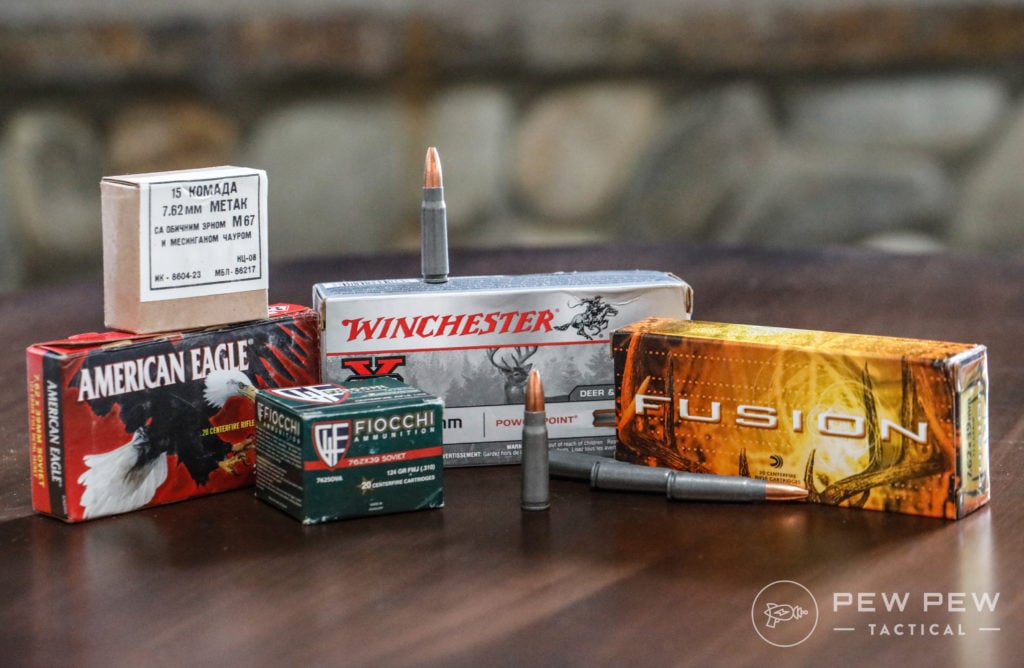
It was designed to be an intermediate-range cartridge that gave soldiers a middle ground between full-powered rifle cartridges and pistol-caliber submachine gun cartridges.
The round gained a lot of traction once the Russian government adopted the now-iconic AK-47 and put it into military use.
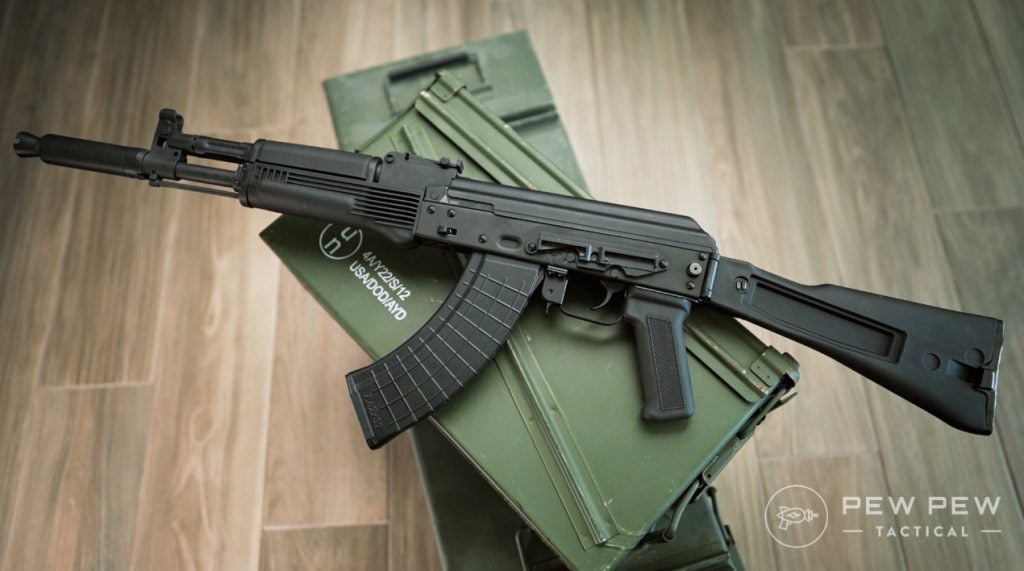
You can read more about the history of the AK, 7.62x39, and learn more in our AK-47 Buyer's Guide and our Best AK-47 Ammo articles!
The AK-47 proved to be a simple, affordable, and effective weapon. It has been fielded by over 100 countries, including other world powers like China. Owing to the AK's widespread popularity, 7.62x39 ammunition became prolific worldwide.

As far as ammunition choices for the 7.62x39mm go, it has always been relatively limited due to the design of the cartridge.
Most commercial loads use a bullet weight of just over 120 grains, and the bulk of the ammunition is either full metal jackets, hollow points, or pointed soft points. While less common, heavier 180-200gr subsonic rounds are also available.
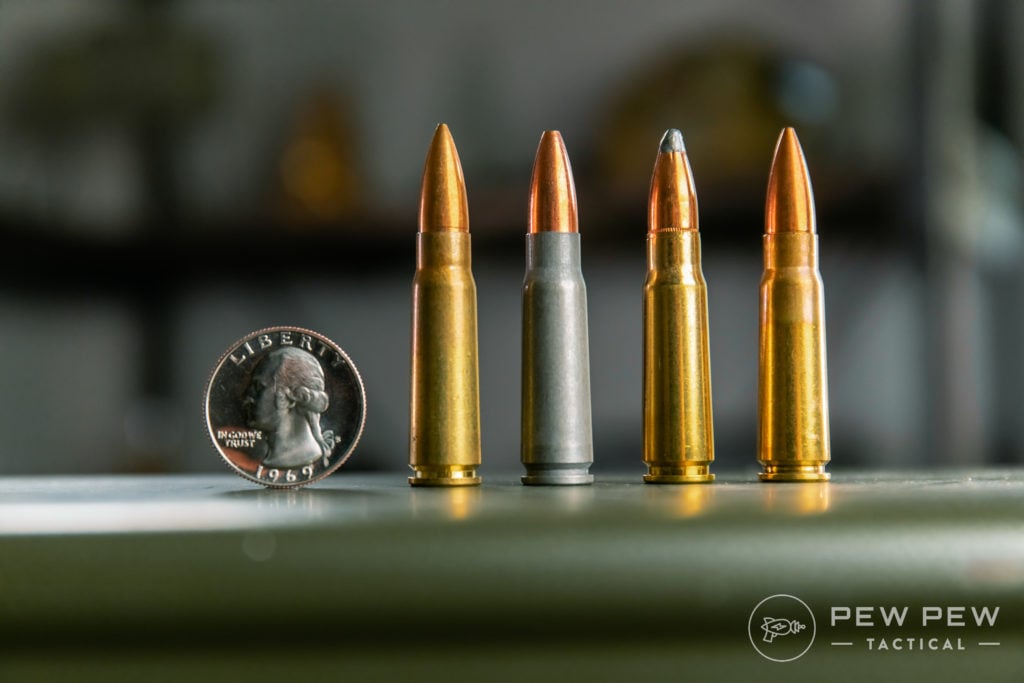
Unfortunately, 7.62x39mm uses .310-inch diameter bullets rather than the industry standard .308-inch diameter. This means a much smaller range of bullet choices from modern ammo manufacturers.
Additionally, the majority of 7.62x39 is steel-cased, and brass casings aren't as plentiful. This means that despite the round's popularity, it isn't great for those who reload ammo.
5.56x45
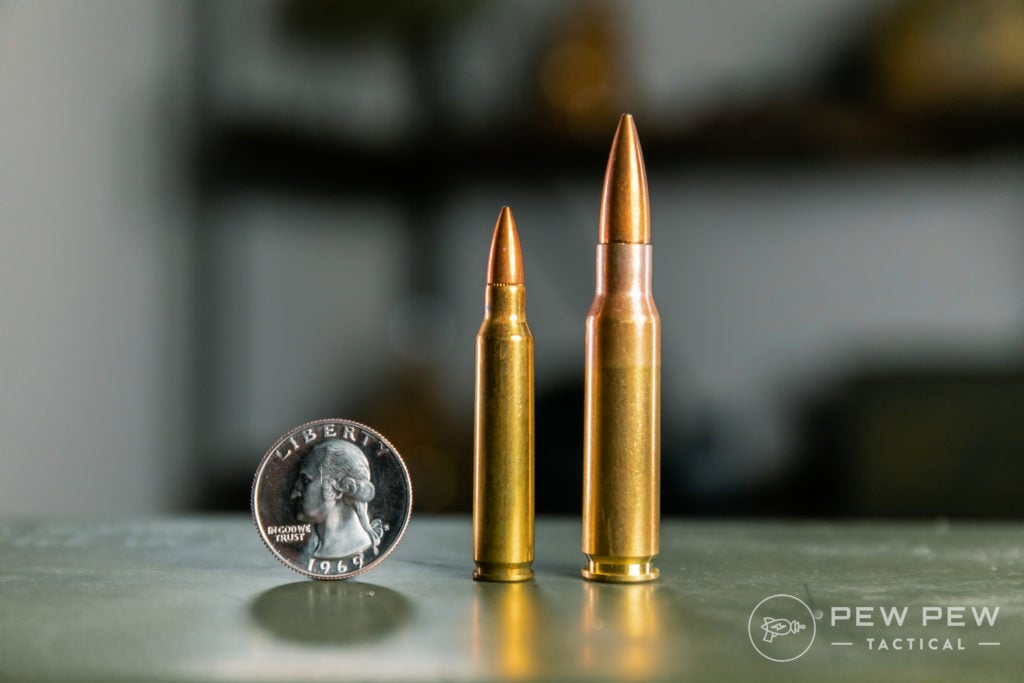
The 5.56x45mm, or 5.56 NATO, was originally derived from the commercial .223 Remington cartridge.
Similar to the 7.62x39, the concept of the 5.56 was that it was smaller than the previous full-powered 7.62x51/.308 cartridge. This meant troops in the field could carry more ammunition in a gun that was easier to control.
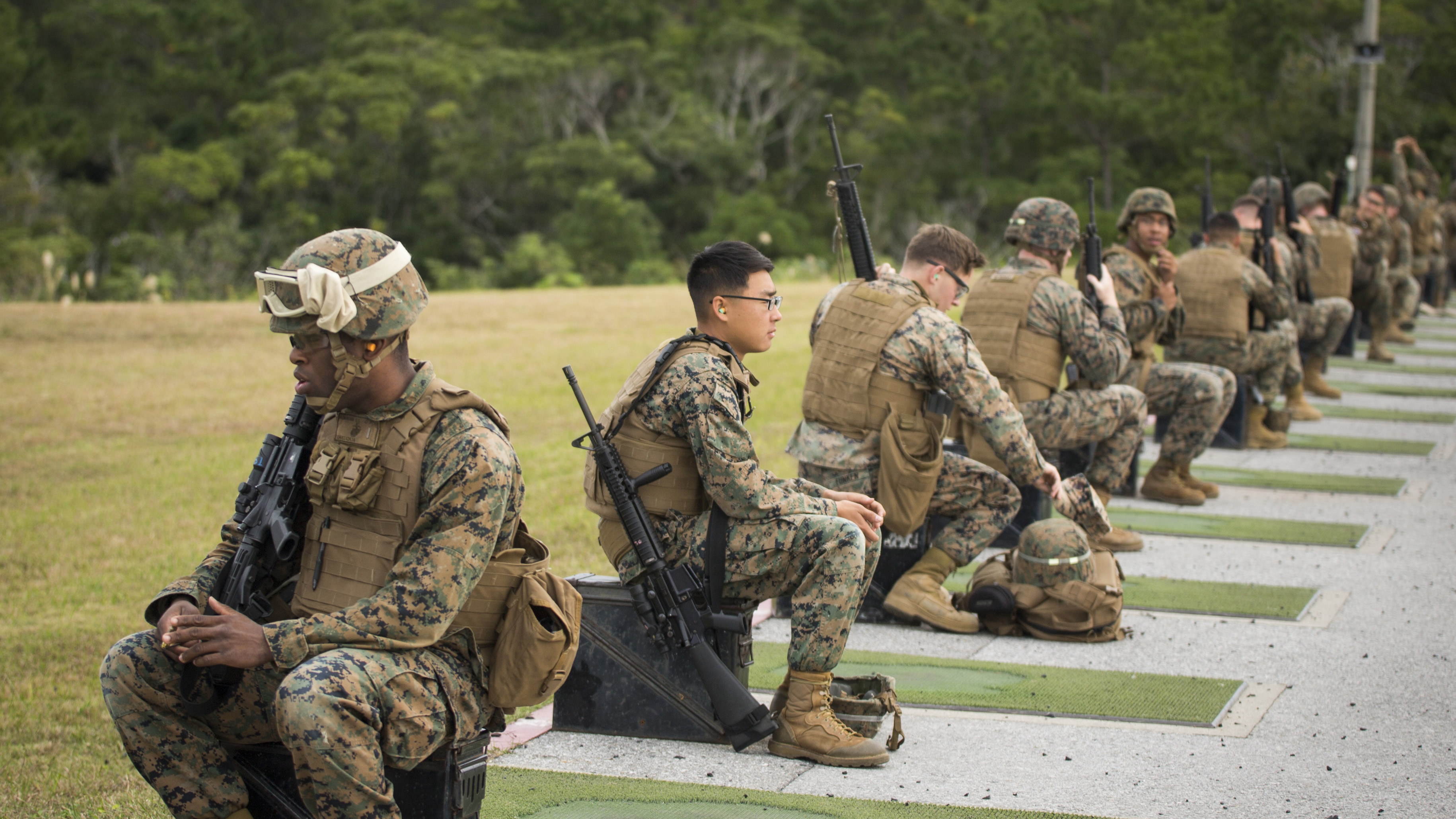
With the United States being the world's leading military force, their adoption of the M16 meant that various allied countries would adopt or create firearms chambered in 5.56x45 to be able to share ammo supplies during wartime. As such, the round was adopted by NATO, hence the designation 5.56 NATO.
Unlike the 7.62x39, projectile weights for the 5.56 NATO have changed a good bit throughout its history.
Since the .224" caliber projectile is popular with the .223 Remington, reloaders can really fine-tune a cartridge for maximum accuracy and effectiveness at the range or in the field.
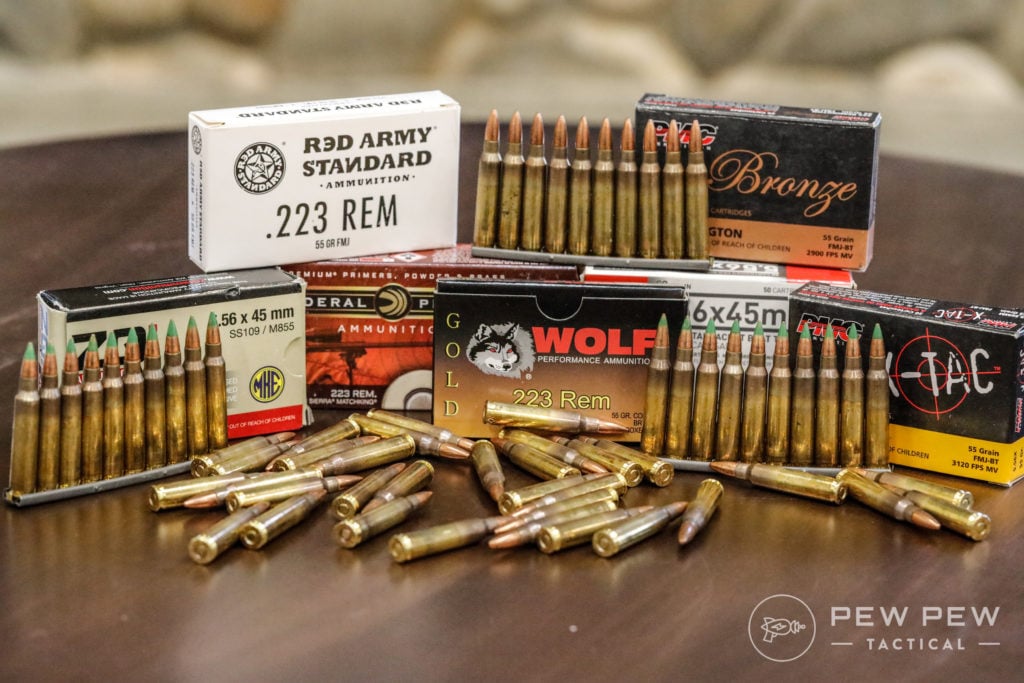
Typical bullet weights can range from 35 to 85 grains, with some specialized rounds falling outside that range.
For those that don't reload, there is a cornucopia of choices between 5.56 NATO and .223 Remington factory cartridges. Check out our complete guide to our favorite 5.56/.223 ammo.
The Best Gun Deals, Coupons and Finds
Subscribe to Pew Pew Tactical's sales and deals email.
Does Size Matter?
Foregoing the innuendos and "that's what she said" jokes, does the concept of smaller calibers hold water when it comes to lethality?
In my opinion, and the opinion of militaries across the globe, it does. This is due to one crucial element --- velocity.
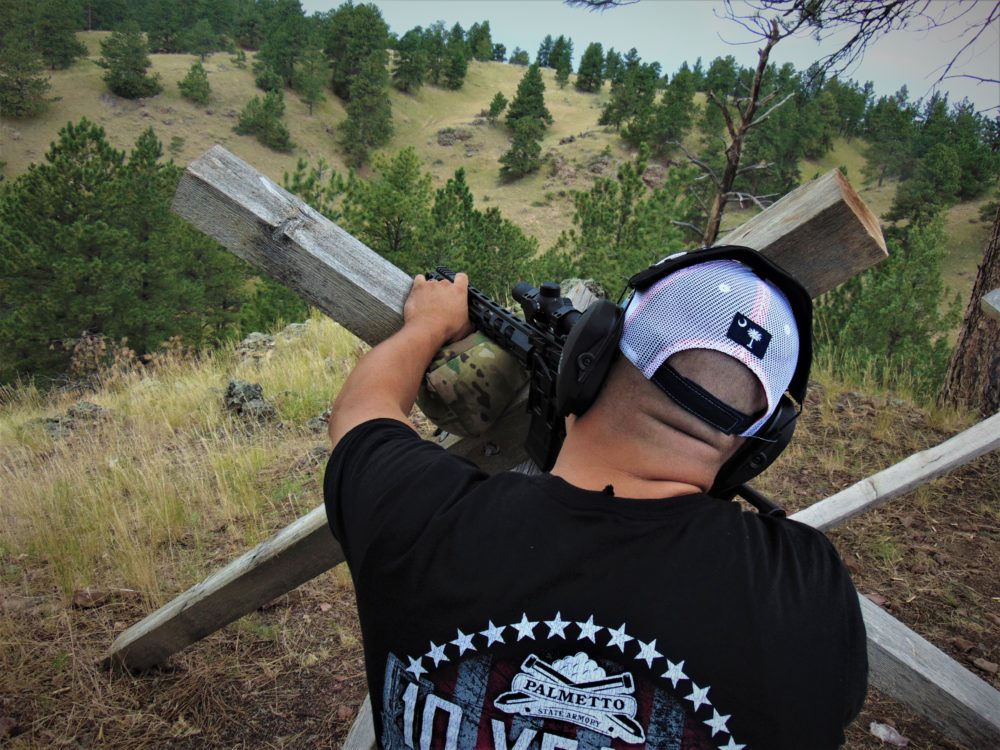
Here is a quick physics lesson --- kinetic energy equals half of the mass multiplied by velocity squared or K.E. = 1/2 mv^2. Velocity tends to be an important factor when calculating kinetic energy on a target, considering it increases exponentially.
Mass is obviously important, but the faster it goes, the more potential damage it can do. Also, with velocity comes further effective ranges.

When you look into the ballistics of a common 123-grain FMJ round, the muzzle velocity is around 2,350 feet per second.
It's a reasonable velocity for a short-range cartridge, but the round has a mediocre ballistic coefficient (ability to overcome air resistance). With a 100-yard zero, at 300 yards, there is 26 inches of drop, and it is retaining 550 ft/lbs of energy.

Now when we look at a 5.56 NATO with a 55-grain M193 cartridge, muzzle velocity is around 3,000 feet per second, and at 300 yards, there are only 10 inches of drop with a 100-yard zero. The kinetic energy is roughly the same at around 520 ft/lbs of energy.
This is where projectile variety comes into play.
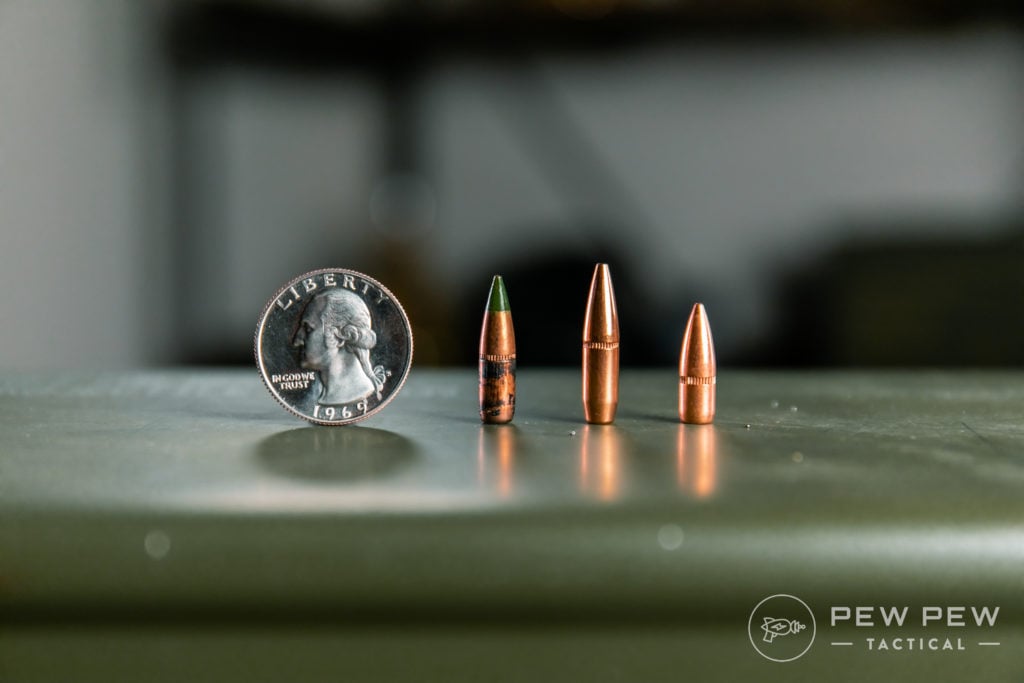
With a 5.56 Mk262 70-grain OTM load, muzzle velocity is roughly 2700 feet per second. With a 100-yard zero, there is only 12-inches of drop. However, kinetic energy then jumps up to a whopping 700 ft/lbs. I'd say the 5.56 NATO is taking the lead!
Our Most Popular Posts
How Hard Does It Hit...Your Wallet?
The price of ammunition is definitely something to consider when comparing different cartridges.
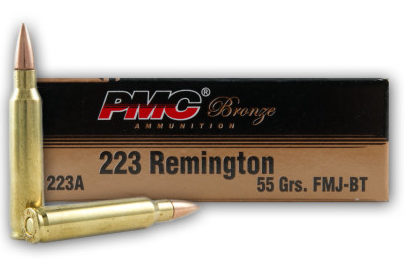
While steel-cased 5.56/.223 costs roughly the same as steel-cased 7.62x39mm, at around $0.35 to $0.40/per round; it is a different story when it comes to brass-cased ammo.

Post-pandemic, most shooters will be looking at around $0.38 to $0.60/rd for standard brass 5.56 ammo. As mentioned before, brass 7.62x39 ammo is fairly uncommon, and you are looking at around $0.50 to $0.70 /rd.
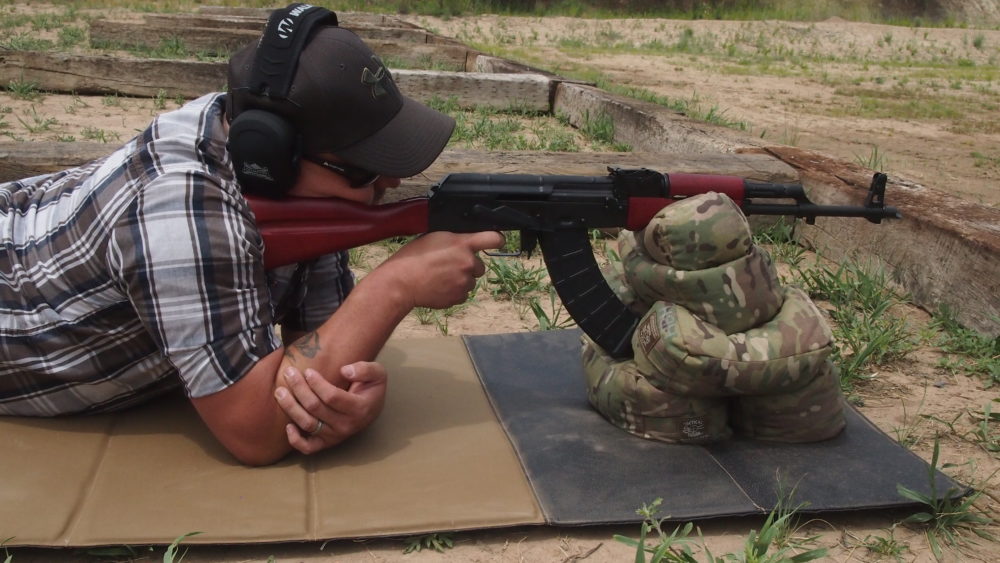
While availability used to be pretty equal between these two, sanctions against Russia, pandemic-related supply chain issues, and other import bans have caused 7.62x39 to see a notable decline in availability.
Although 7.62x39 is still readily available in most places, the number of different brands you will see on shelves has been drastically reduced.

Ammo disappeared during the pandemic, and it took a while for things to start trickling back in. But when push came to shove, the AR-15 is "America's Rifle," which means everyone wanted 5.56 NATO back first.
With 5.56 production far outpacing that of 7.62x39 in 2022, it is no longer cheaper or easier to blast away with your AK. With the prices hovering close to each other, 5.56 NATO gets the nod here due to sheer availability.
Variety Is The Spice Of Life
When you dive into the depths of what rifle to get, it starts to get a bit dicey. The choices are plenty, and ultimately, it is dependent on the shooter's preference.
Aside from your classic AR-15 vs. AK-47 debate, there are a good amount of other rifles chambered in each caliber. There is no right or wrong answer here; it is down to what you want.
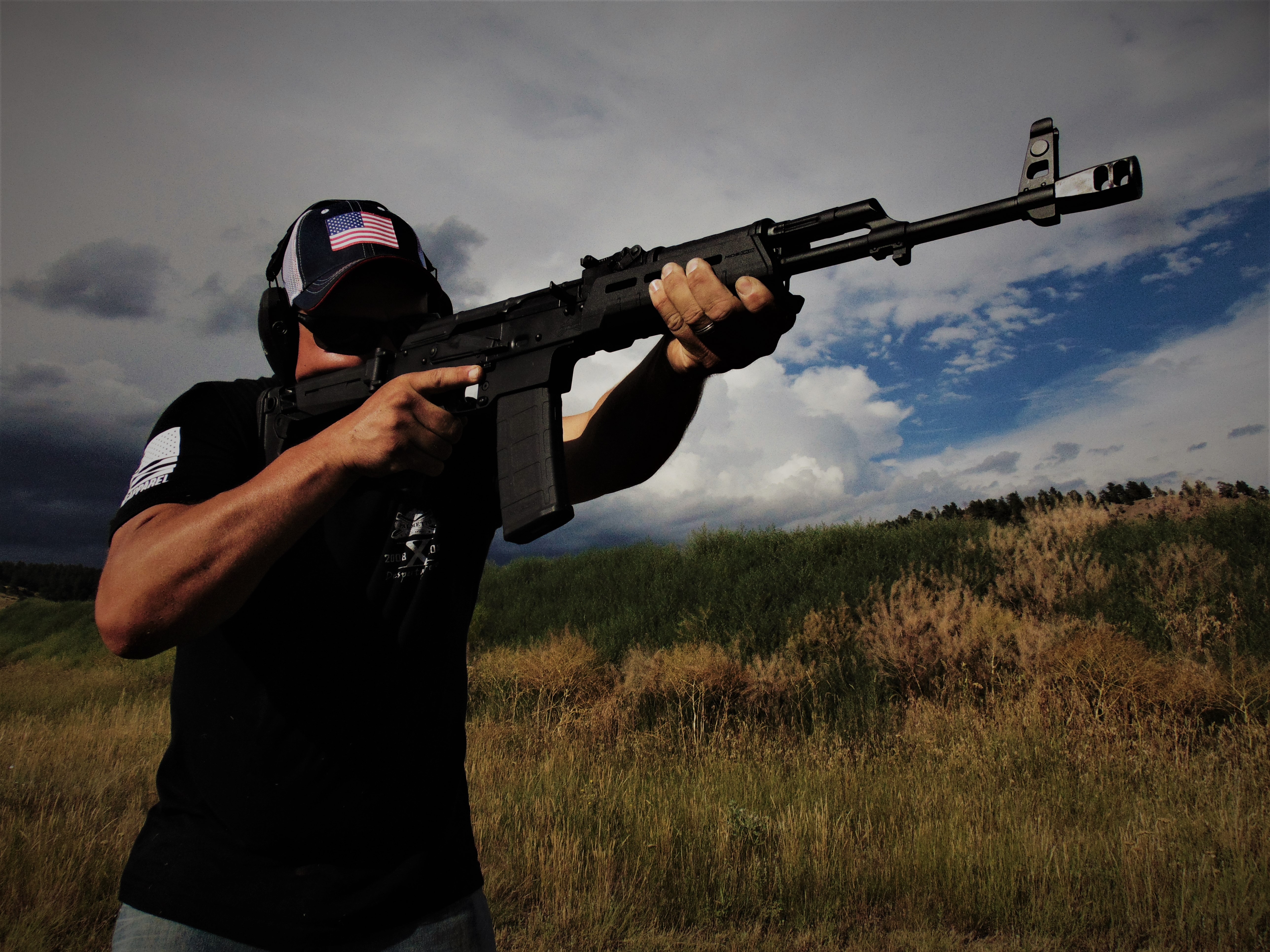
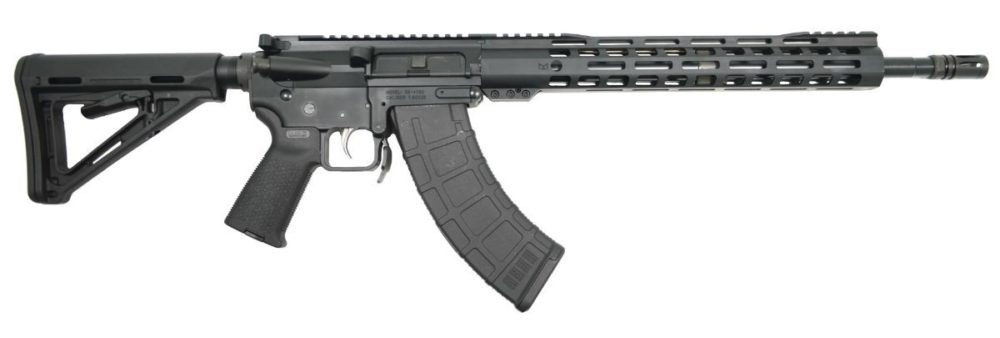
Heck, you can even get an AR-15 in 7.62x39 or go for an AK in 5.56 NATO. They even have hybrid guns like the PSA KS-47, which is an AR-15 that takes AK mags. The choices are vast, so have fun!
Final Thoughts
So, in the end, does it really matter?
The choice is ultimately up to you and what you want in your rifle. With market prices shifting due to several factors, there isn't a definitive answer as to which is cheaper. As for effectiveness? It depends on your mission and what you plan to do.
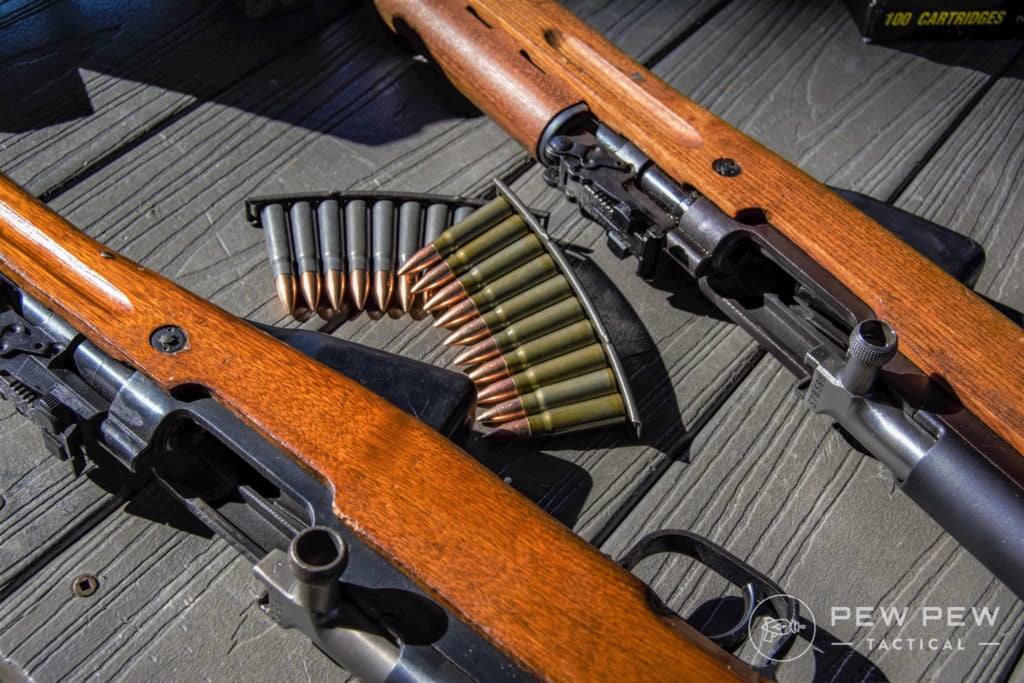
Either way, the next time you are on the range, put casings on the ground and have fun!
Which caliber are you a fan of? Do you like both...maybe neither? Let us know in the comments below! Interested in other calibers? Be sure to check out our Ammo & Reloading section for more info.