What Happened to the Remington R51?
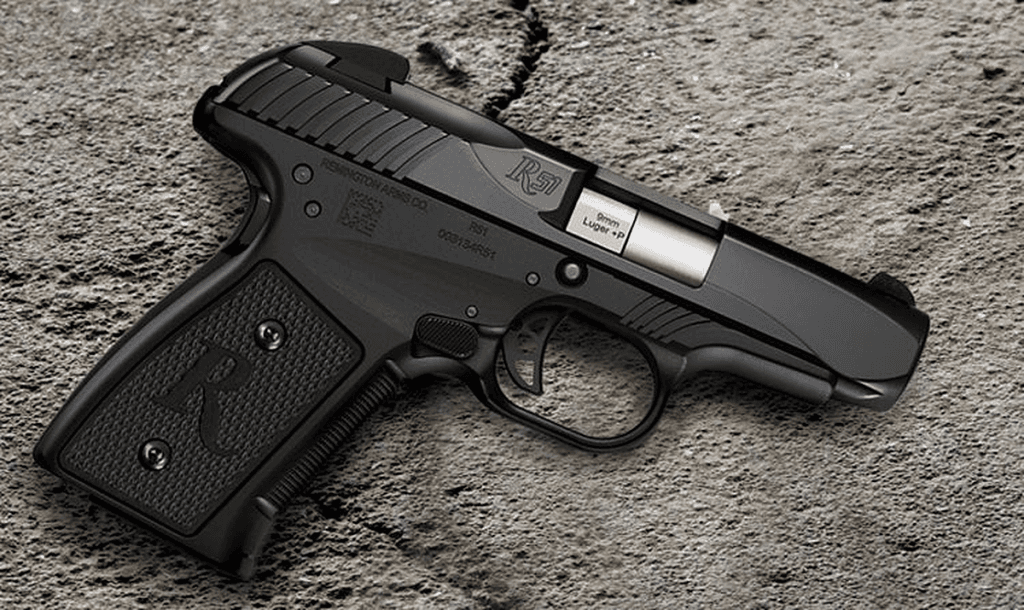
Remington jumped into the single-stack 9mm craze in the mid-2000s with the R51...but what happened to this concealable handgun? Come find out...

USMC Veteran. Concealed Carry & NRA Pistol Instructor. 3-Gun Competitor. Career firearms writer
We review products independently. When you buy through links on our site, we may earn a commission to help support our testing. Learn more.
Remington makes two firearms that have helped define genres --- the Model 870 shotgun and the Model 700 bolt-action rifle.
Both are stellar designs, with millions sold worldwide.
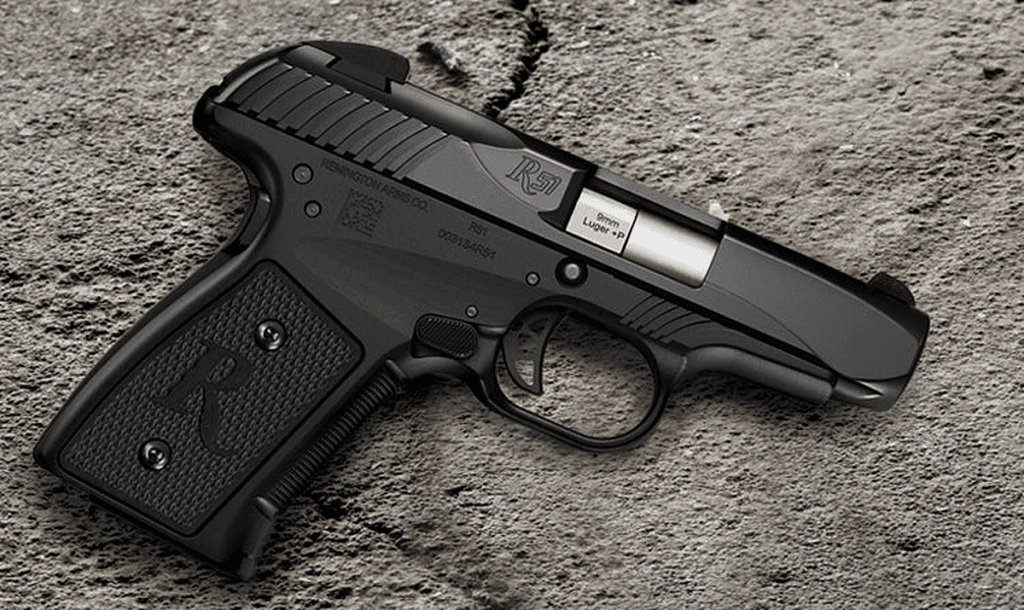
Somehow those two guns carried Remington through a whole lot of bad ideas and weird company purchases.
One of those odd decisions was to get into the single-stack 9mm market.
In 2014, it was prime time to roll out a single-stack 9mm handgun. These guns ruled for concealed carry; they were easy to carry, available in a capable cartridge, and relatively easy to shoot.
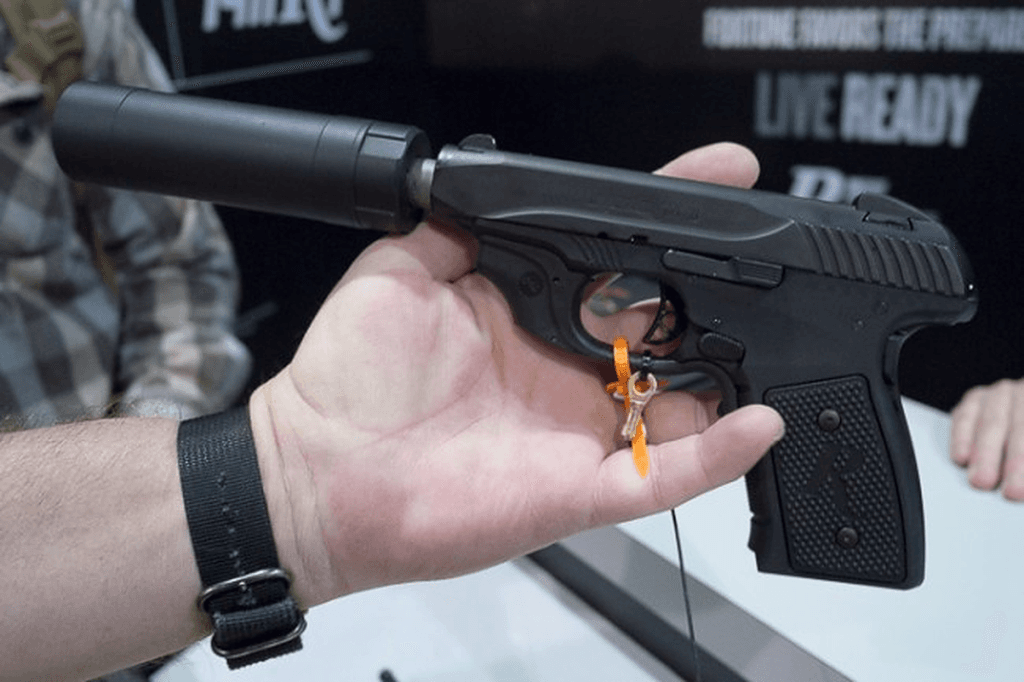
Remington introduced the R51 in 2014, where it became the belle of SHOT Show.
The R51 seemed to garner some serious attention with its unique look and basis on the old Remington Model 51. Not to mention it had an appealing MSRP of $389.
What’s Old Is New
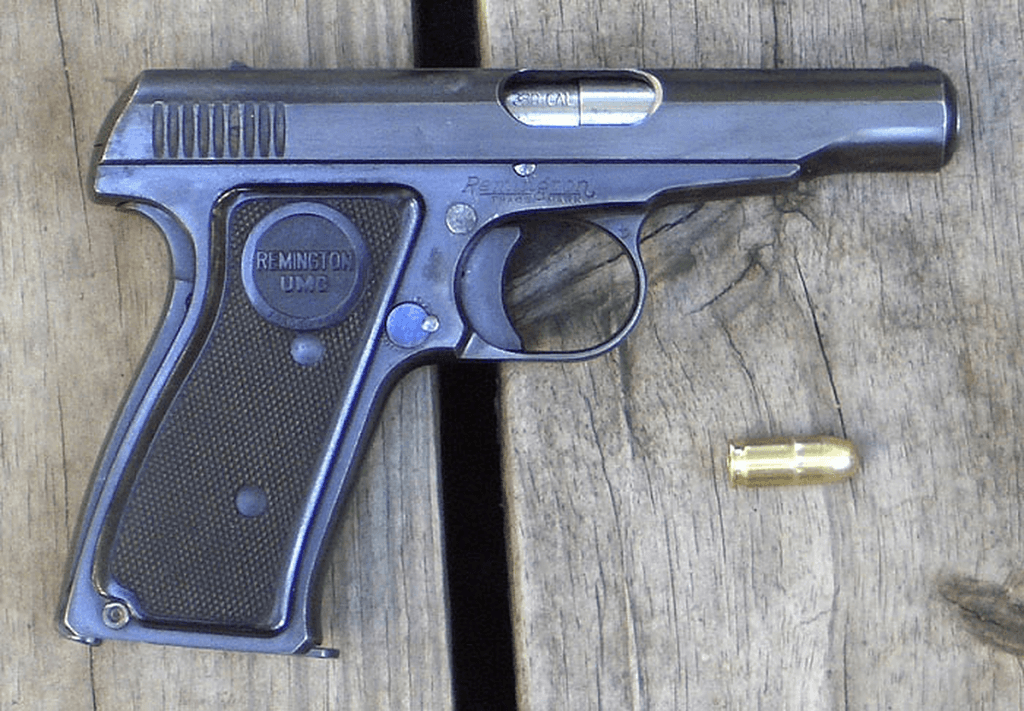
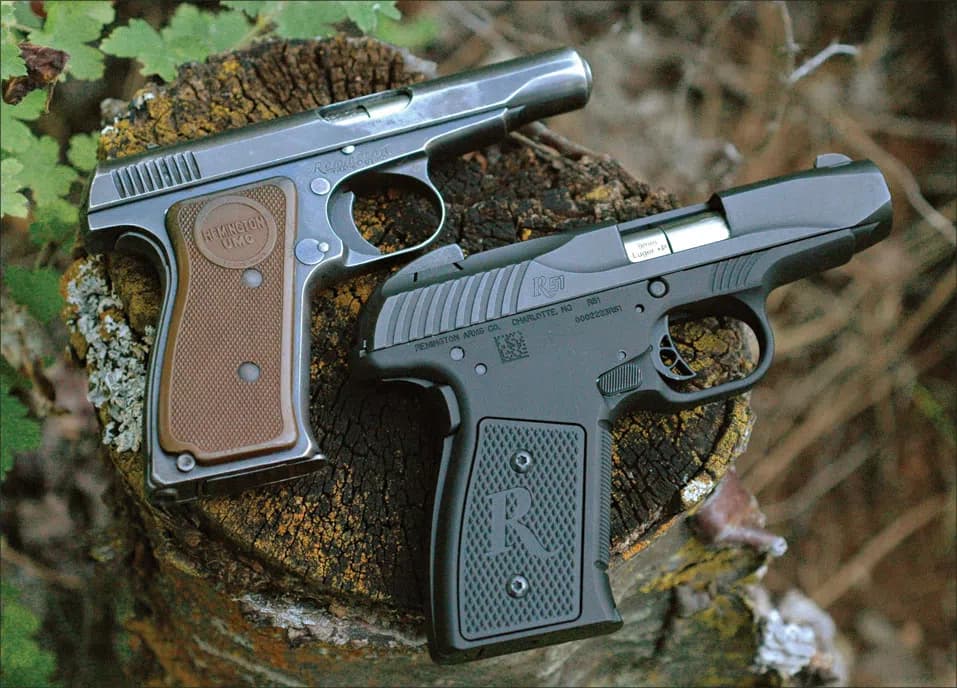
John Pedersen, of Pedersen device and Model 17 fame, designed the Remington Model 51 in 1917. This early semi-auto chambered the .32 ACP and .380 ACP cartridges and, for the time, was small and handy.
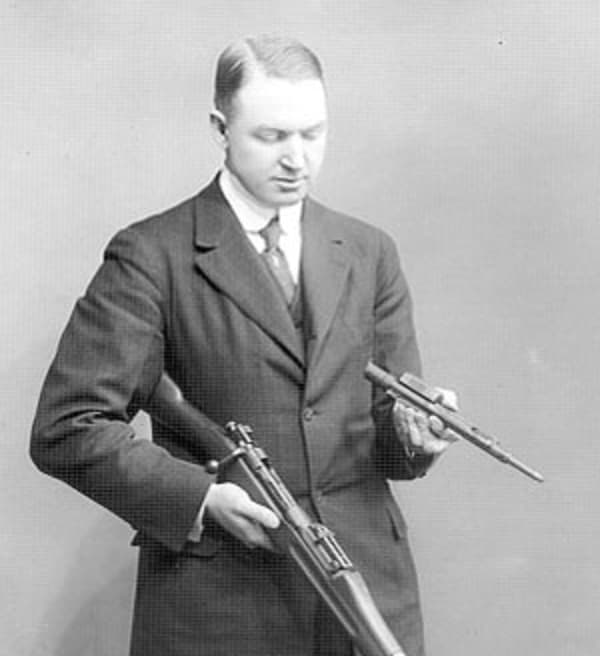
This single-stack firearm chambered eight rounds of .32 ACP and seven rounds of .380 ACP. Remington marketed the gun as small and concealable, although it’s large by today’s standards.
One of the reasons why the Model 51 stood out was its interesting locking system.
Most guns this size were blowback-operated guns, resulting in a slide that often had to be quite heavy. However, Pedersen designed the Model 51 to use something called hesitation locking. The result was a breech block independent of the bolt or slide.
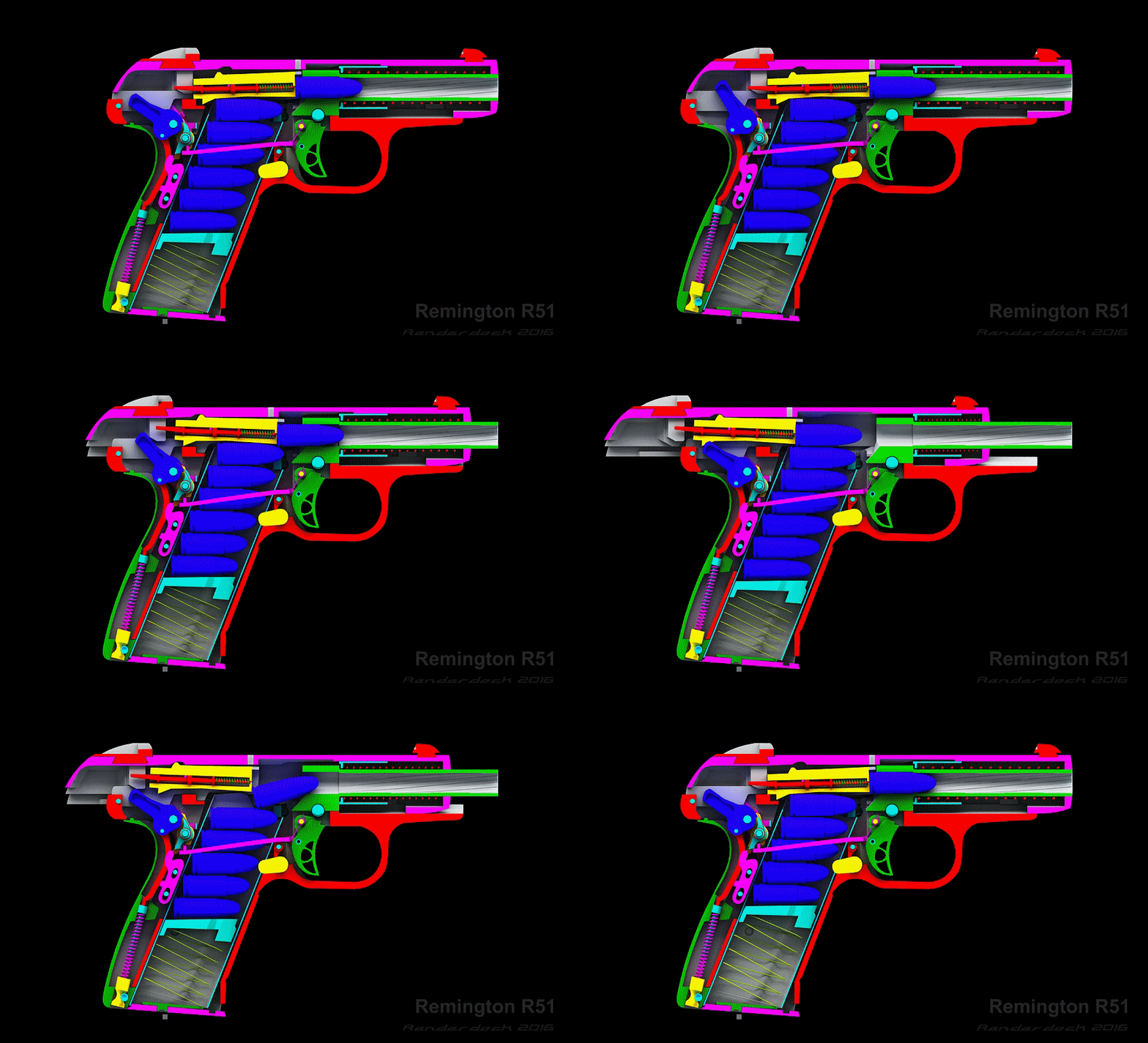
This system creates a delay that allows the pressure to drop to safe levels before the slide cycles. Blowback handguns do this through heavy slides or heavy recoil springs, but the Model 51 required neither.
Remington’s new R51 utilized Pedersen’s original hesitation locking system. It was scaled up to accommodate the more powerful 9mm cartridge and gave the world an alternative to Browning’s short recoil operation and the simple direct blowback guns once more.
Hesitation-locked systems allow the spring to encompass the barrel, allowing Remington to lower the bore axis considerably. The lighter slide and delayed action helped reduce recoil, while the low bore axis aids in controllability.
It’s a unique system and was a big reason why I and many others were excited to handle the R51. Where else would we ever shoot something hesitation locked?
Teething Issues
Remington released the R51, and frankly, they shouldn’t have.
Reportedly they released it against engineers’ wishes.

This opened up a cultural divide in the gun media industry that resulted in part of the industry praising the R51 and the other being honest about it.
The gun had a litany of reliability problems — it would fail to feed, fail to eject, and fail to extract. What’s worse is that it would fire out of battery, meaning it would fire before the slide fully closed.
Firearms create small explosions, and you want the round to be fully chambered with the slide closed because that mini explosion can send dangerous shrapnel out when things aren’t locked up properly.
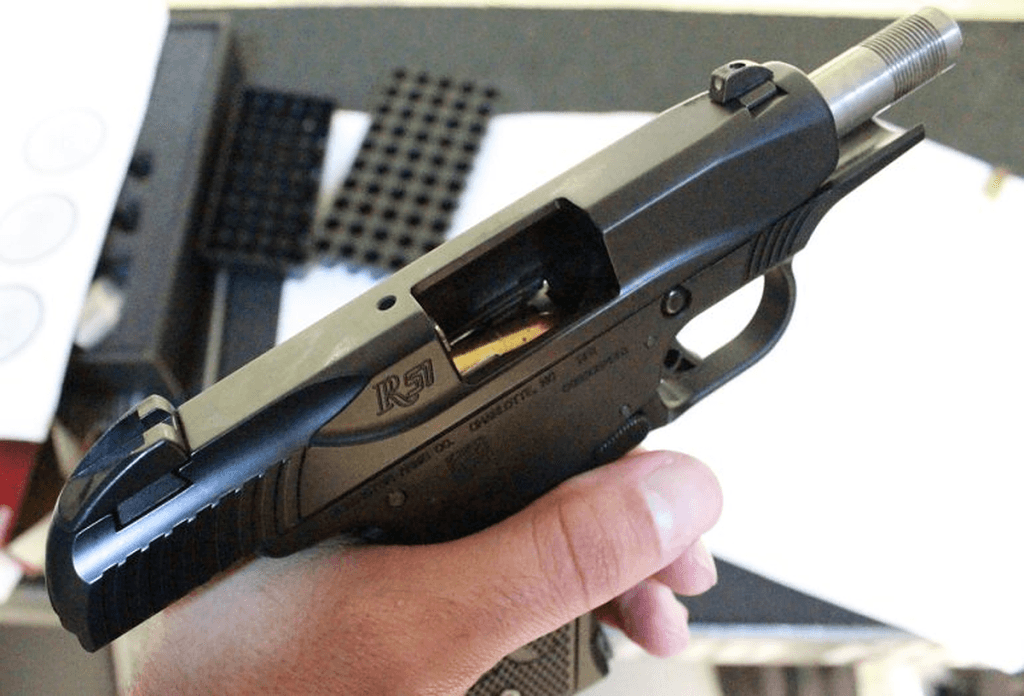
Remington went into damage control mode, issuing a recall before scrubbing the R51 from the website completely. Some shooters reportedly received refunds, different replacement firearms, or had other actions taken to address the issues.
It would take two years before we’d see the R51 resurface.
Gen 2 Arrives
In 2016, the Gen 2 R51 arrived. It looked to fix most of the issues. Reviewers rushed to get their hands on them but this time, even its harshest critics said it was fixed.
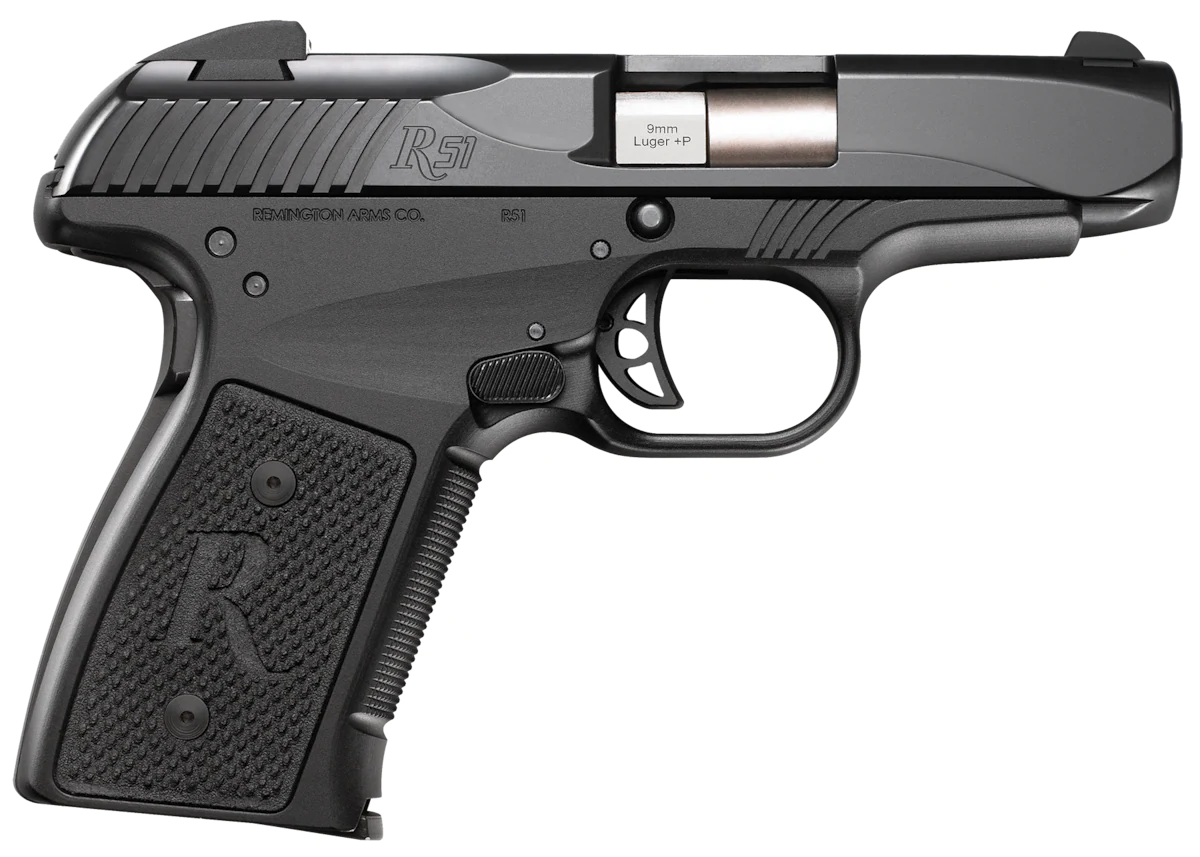
But this time, even the harshest critics even said they fixed it. Yet, no one cared.
By 2016, Glock had released a single-stack 9mm, and Smith & Wesson Shields were practically being given away — single stacks were everywhere.

Final Thoughts
Remington didn’t do much to push the R51 the second time around. It’s a gun tainted by a poor reputation. Remington moved on and produced the RP9 and RM380, while the R51 disappeared into the past.
In 2018 the gun was discontinued. Shortly after, Remington went belly up, and the numerous Remington-owned companies were split up and sold off.
Remington is slowly coming back under new ownership, but I doubt we’ll ever see an R51 ever produced again.
It’s a shame because the gun was a neat idea that came too late in a world clogged up by striker-fired, polymer-frame pistols all utilizing the same systems.
Do you have any experience with the R51? Let us know in the comments below. If you are interested in some of the guns that stymied the R51’s comeback, check out our article on the Best Sub-Compact Single Stack 9mm’s for Concealed Carry.