
[Review] Springfield Armory Saint Victor V2: Best Pinned AR?

The new Springfield Armory Saint Victor boasts an attractive price and tasteful upgrades. Is this the only AR-15 you need?
We review products independently. When you buy through links on our site, we may earn a commission to help support our testing. Learn more.
- By the Numbers
- Pros & Cons
- Specs & Features
- How I Tested the Springfield Armory Saint Victor V2
- Shooting the Springfield Armory Saint Victor: Accuracy & Reliability Analysis
- Ergonomics: Fit & Feel
- Downsides
- Who Should buy the Saint Victor V2?
- Upgrades & Accessories
- Final Verdict on the Springfield Armory Saint Victor
- Meet the Experts
- Latest Updates
If you had to pick one AR-15, what would it be? A 16-inch carbine or an AR pistol? Premium machinery or a functional econo-blaster?
For a lot of people, especially those of you in the market for your first AR-15, those are real purchasing decisions. I might have an answer for you.

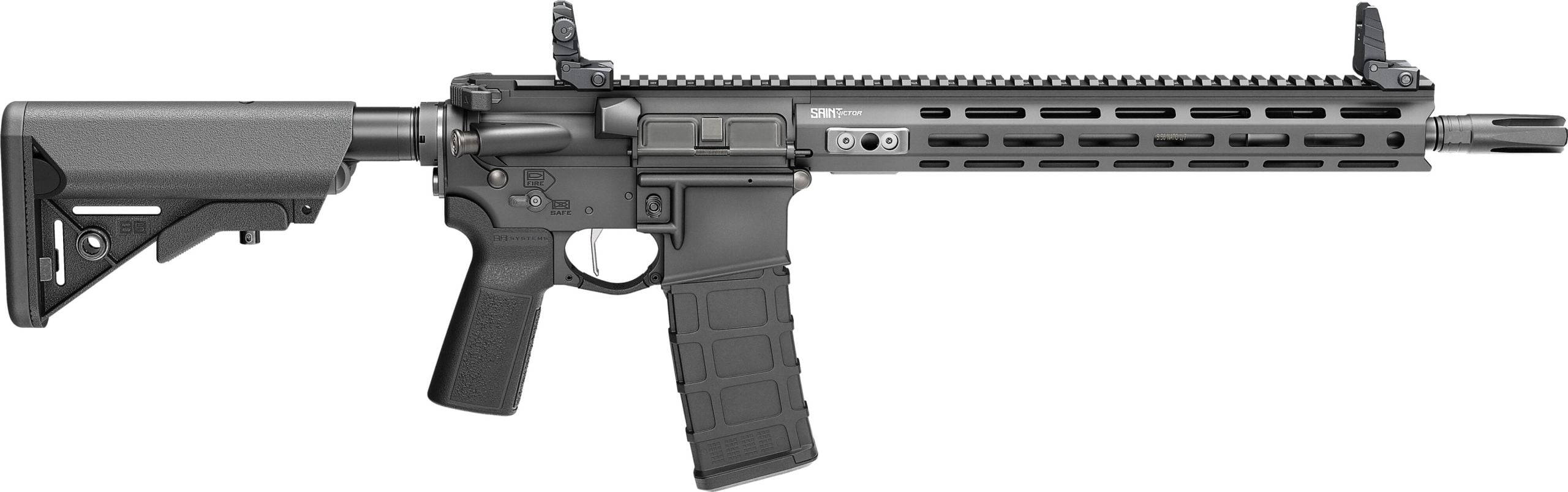
The brand new Springfield Armory Saint Victor strikes a balance on both counts. It’s shorter than a standard carbine, more stable than an AR pistol, and doesn’t require SBR paperwork. It has all the upgrades you’d typically want straight from the factory, but doesn’t blow the budget.
Is this the sweet spot of the AR-15 world? Let’s get some answers!
Table of Contents
- By the Numbers
- Pros & Cons
- Specs & Features
- How I Tested the Springfield Armory Saint Victor V2
- Shooting the Springfield Armory Saint Victor: Accuracy & Reliability Analysis
- Ergonomics: Fit & Feel
- Downsides
- Who Should buy the Saint Victor V2?
- Upgrades & Accessories
- Final Verdict on the Springfield Armory Saint Victor
- Meet the Experts
- Latest Updates
Trending: Best AR-15s, Best Pistol Caliber Carbines, & Best CCW Guns
By the Numbers
Reliability: 10/10
No malfunctions in more than 600 rounds of our original review spanning a variety of manufacturers and bullet weights. Currently at 1000+ rounds with no malfunctions.
Accuracy: 7/10
A 1.25-inch five-shot group at 100 yards is nothing to scoff at. Still, the Saint Victor was somewhat picky about ammunition. For four stars, I want a little more versatility.
Ergonomics: 8/10
B5 Systems upgrades makes this rifle vastly more appealing than competitors with A2-style furniture. Thumbs up to the handguard, too.
Customization: 10/10
The sky is the limit if you want to modify or upgrade the Saint Victor. Minus half a point simply because changing the muzzle device is more complicated than turning a wrench.
Value: 10/10
This rifle is priced fairly at Springfield’s MSRP of $1,279. Street prices make it a very solid buy.
Overall: 9.0/10
Keep the Saint Victor on a steady diet of M193, and you will be a very happy camper.
Springfield Armory Saint Victor V2 Pros & Cons
Pros
- Shortened barrel and overall length
- Love that updated handguard
- Great B5 Systems furniture
Cons
- Slight velocity disadvantage compared to 16” barrels
- Changing muzzle devices will be a hassle
Springfield Armory Saint Victor Specs & Features
Specs
- Caliber: 5.56 NATO
- Action: Semi-automatic, direct impingement
- Capacity: 30+1
- Length: 32” - 35.25”
- Barrel Length: 14” (pinned and welded to 16”)
- Barrel Twist: 1:7
- Gas System: Mid-length
- Weight: 6.75 lbs
- Comes With: 30-round Magpul PMAG Gen3, soft case, lock
- Country of Origin: USA
Features
- 14” barrel with a pinned and welded flash hider
- Pinned gas block, staked gas key
- Durable 4150 CVM barrel in continuous taper profile
- Full-length M-LOK and Picatinny handguard with four QD points
- B5 Systems furniture
How I Tested the Springfield Armory Saint Victor V2
To test the Saint Victor, we leaned on our standards & testing protocols.
Round Count & Accuracy Testing
For this review, I put 600+ rounds through the Saint Victor V2, using a variety of ammunition, including:
- PMC X-TAC 5.56 NATO 55gr FMJ
- AAC 5.56 NATO 62gr FMJ
- Hornady Superformance Match 5.56 NATO 75gr BTHP
- Winchester White Box 55gr FMJ
- Wolf .223 Rem Steel-Cased 55gr FMJ
I used a Vortex Crossfire red dot for the majority of the testing, but switched to the Vortex Strike Eagle 3-18x44 to test accuracy out to 100 yards.
Additionally, I ran carbine drills starting at 5 yards and ending out to 25 yards.
Shooting the Springfield Armory Saint Victor: Accuracy & Reliability Analysis
Ammunition for this review included PMC X-TAC 5.56 NATO 55gr FMJ, AAC 5.56 NATO 62gr FMJ, and Hornady Superformance Match 5.56 NATO 75gr BTHP for a total of more than 500 rounds. I also threw in a magazine each of Winchester white box 55gr FMJ and steel-cased Wolf 55gr FMJ in .223 Rem (which is totally safe).
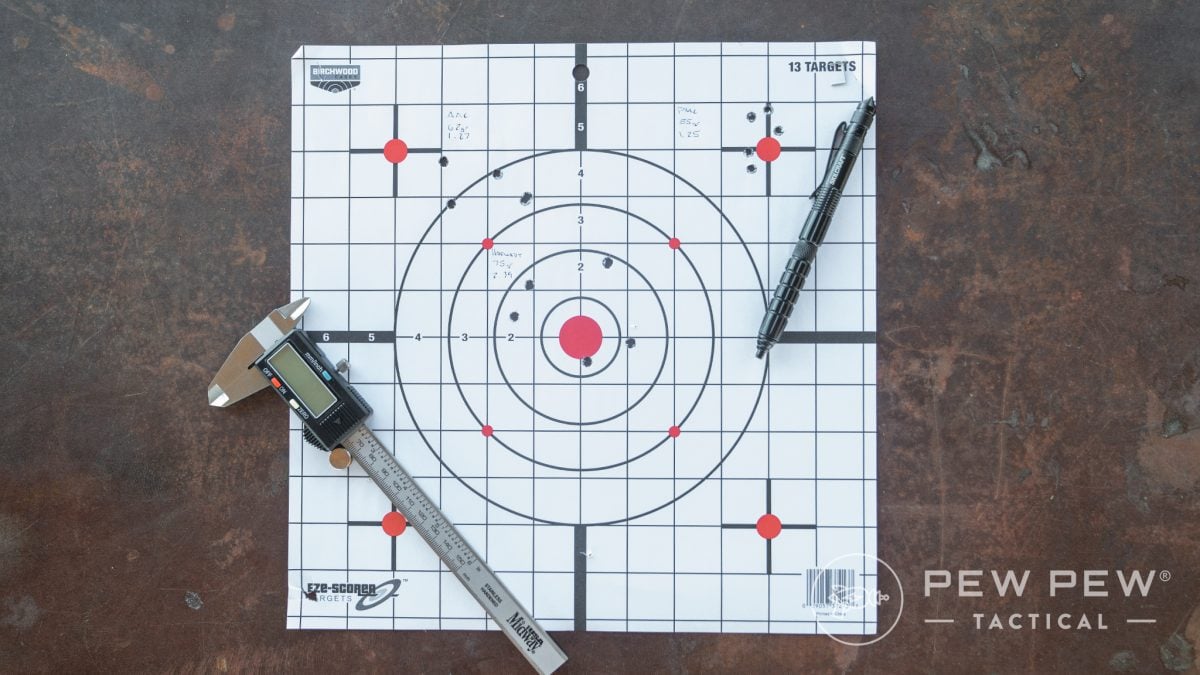
I conducted most of this review with a Vortex Crossfire red dot. For the accuracy portion, I switched to a Vortex Strike Eagle 3-18x44 to make sure I was getting optimal results with five-shot groups at 100 yards.
Springfield Armory Saint Victor Ballistic Test Results
| Weight | Construction | Accuracy | MuzzleVelocity | Standard Deviation | Extreme Spread | |
|---|---|---|---|---|---|---|
| PMC | 55 gr | FMJ | 1.25" | 2,806 fps | 42 fps | 110 fps |
| AAC | 62 gr | FMJ | 1.87" | 2,890 fps | 28 fps | 61 fps |
| Hornady | 75 gr | BTHP | 2.39" | 2,747 fps | 19 fps | 51 fps |
This carbine surprised me during accuracy testing. Based on the 1:7 twist and my past experience with Hornady match ammunition, I expected it to shoot lights-out with 75-grain Superformance Match ammo – but that wasn’t the case.
While 2- or 3-inch groups (2.39 inches in this case) are pretty common in the AR-15 world, I was still a little surprised. The results were consistent through two boxes of ammo, though, so there you have it.
Stepping down to less expensive 62-grain ammo from AAC, accuracy improved to 1.87 inches -- that’s more like it. But, for reasons that are still beyond me, this ammo shifted the center of the group about 1.5 inches to the right.
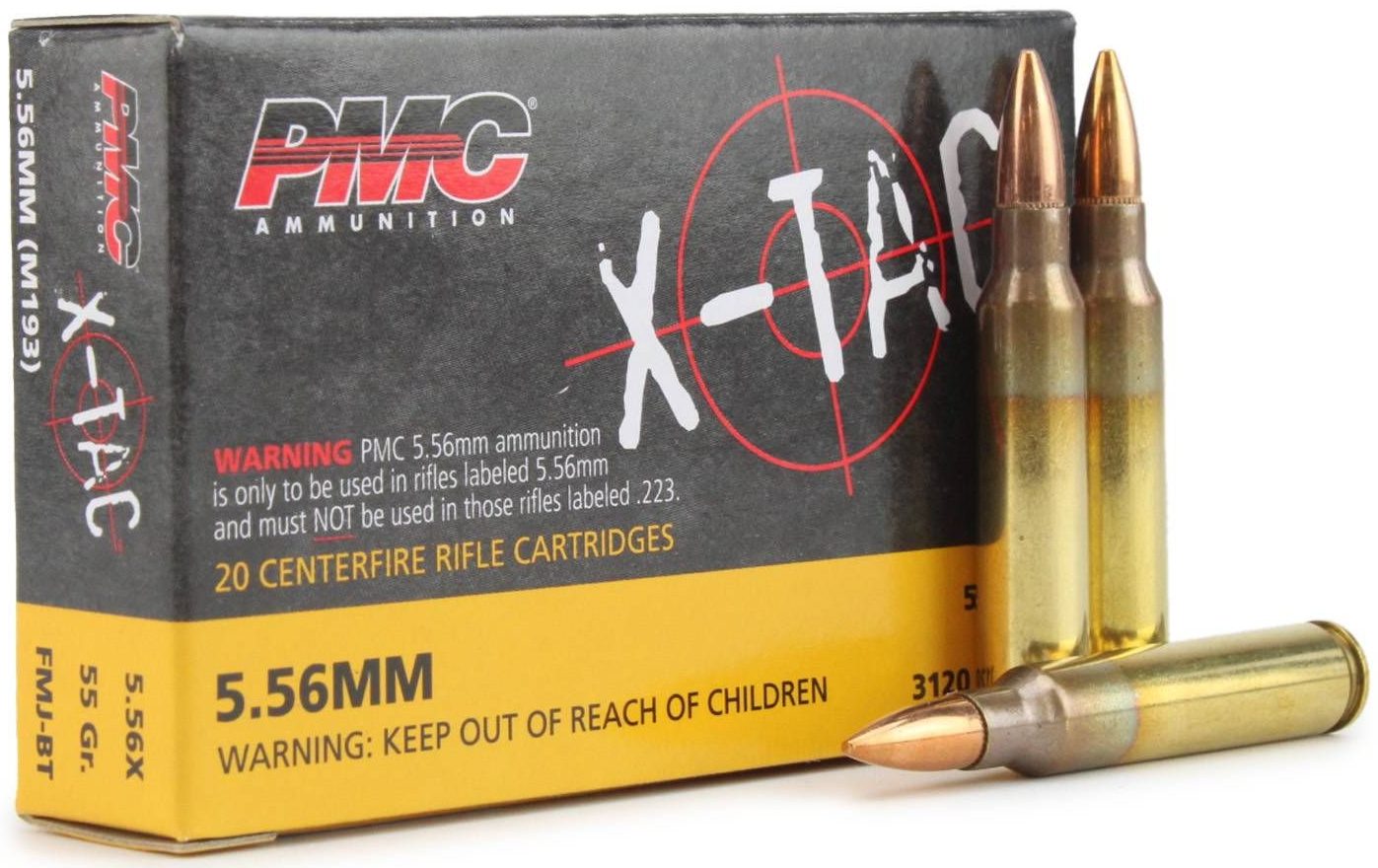
The Saint Victor clearly has an ammo preference: 55-grain bullets. PMC consistently reigned supreme and checked in with a very nice 1.25-inch group despite an eyebrow-raising extreme spread of 110 feet per second from the Garmin.
I’ve seen AR-15s that cost twice as much or more than the Saint Victor record two-inch groups, so I’m comfortable with these results.
It wasn’t all calipers and chronographs, though.

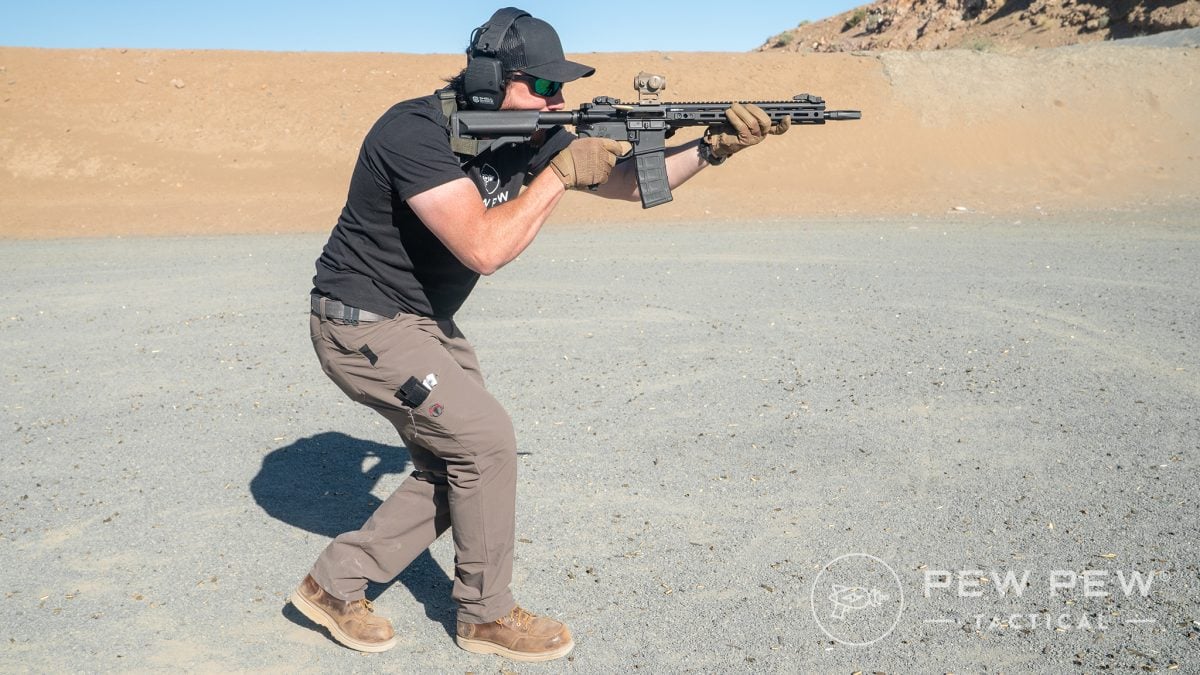
For the bulk of my testing, I ran carbine drills at 5 to 25 yards; the kind of training that would best prepare you for a home-defense situation.
This included singles, hammer pairs, failure drills, and box drills from the low and high ready. I also practiced closing with the target and firing while moving with an SG Timer GO.
Not sure what drills to run next time you go to the range? Check out our guide to the Best Shooting Drills for Pistol, Rifle, and Shotgun.
How about reliability? For more than 600 rounds, the Saint Victor ran flawlessly.
I experienced one malfunction while shooting AAC 62gr FMJ from a Palmetto State Armory steel magazine, but that was a magazine issue. The follower got stuck, causing the bolt to close on an empty chamber.

As is typical of the AR-15 platform, inserting a fully-loaded magazine under a closed bolt required a firm smack. In every instance the Saint Victor chambered and fired the first round. Empty magazines, both steel and polymer, dropped freely.
In the real world, I load my magazines to 29 rounds regardless of the AR-15 I’m using. But if you like stuffing all 30, then live your dream. I’m not the boss of you.

One factor that bodes well for long-term reliability is the bolt carrier group. Components like a hard-chromed firing pin and a staked gas key suggest that this rifle will run as well as it did during my testing for a very long time.
Level up your gun knowledge
New reviews, guides and daily deals in your inbox.
Ergonomics: Fit & Feel
So, the updated Saint Victor shoots well, but how does it feel?
Overall Feel
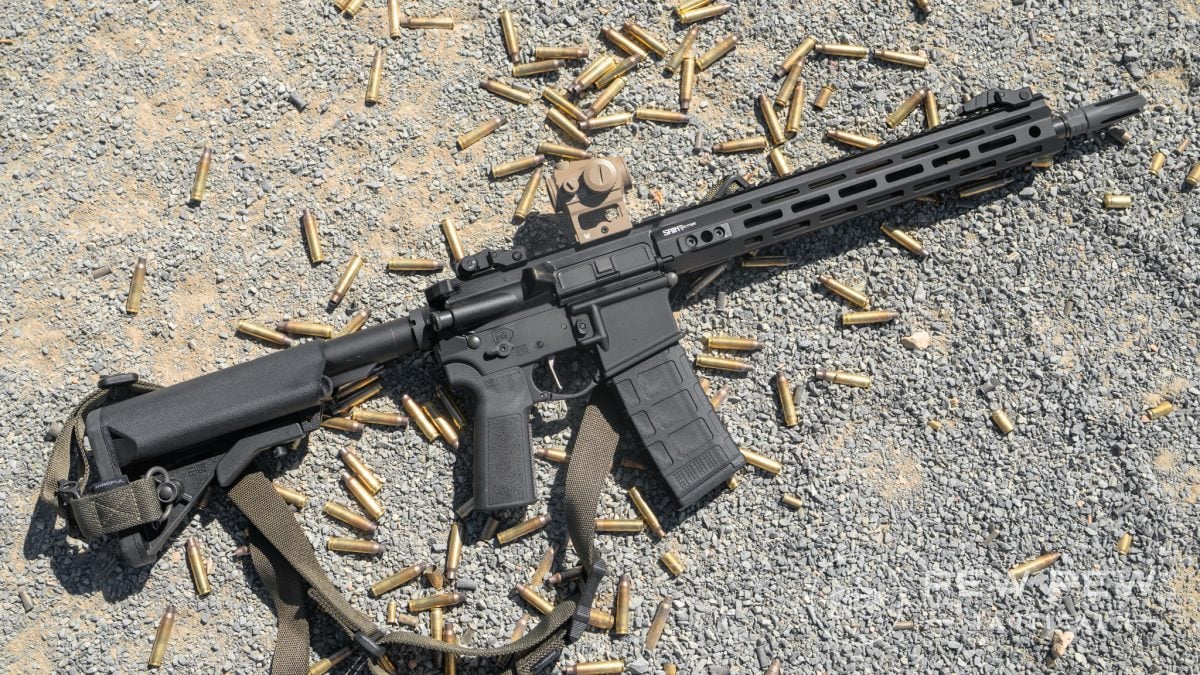
Right off the bat, I’m a fan of this B5 Systems furniture.

The nearly vertical P-Grip 23 pistol grip is vastly superior to the old A2-style grips in terms of angle and grip texture. It fills the hand very nicely and stays comfortable in all kinds of shooting positions – both conventional and unconventional.
The Enhanced SOPMOD adjustable stock offers plenty of surface area to acquire a solid cheek weld, and there aren’t any pinch points for the bearded shooters among us.
Updates to the handguard are subtle, but significant. The full-length Picatinny rail offers more real estate for red dot and magnifier combos, and laser aiming systems if you’re fancy.

Those four QD points might go unnoticed by a casual glance, but they’re a big deal. They let right- and left-handed shooters attach a sling close to the lower receiver or all the way at the far end of the handguard. We usually need to add an M-LOK QD point for that, so I appreciate having flexibility right out of the box.
Between those four, the ambidextrous QD points on the stock, and the one on the rear of the lower receiver, you have plenty of options.
Controls
These days, mil-spec charging handles feel like an unwelcome throwback. There are no retro vibes here; the Saint Victor’s Radian Raptor-LT offers lots of surface area and a smooth pull. It’s a primary touch point that makes the rifle feel more high-end every time you pull the bolt to the rear.

The same goes for that ambidextrous 45-degree safety. In testing, the decreased rotation made it easier for me to engage the safety after firing without breaking my firing-hand grip like most of us have to do with a 90-degree throw.

Interestingly, the right-side safety lever is cut short. Lefties will still be able to reach it with their firing-hand thumb, but it’s not in the way of right-handed shooters.
The single-stage, flat-faced trigger breaks with no discernible creep. Reset is firm and loud. Five pulls with a Lyman digital trigger gauge showed an average pull weight of 3.98 pounds.
Ease of Use
All this adds up to a rifle that’s more agile than your average AR-15.
Cutting a few inches off overall length doesn’t make an appreciable difference on the range, but it definitely makes maneuvering in buildings and vehicles easier. Between the overall size, vertical pistol grip, and flexible sling-mounting options, the Saint Victor is very easy to work with.
Downsides
The pinned and welded flash hider is the key to this rifle’s exemption from the National Firearms Act, but it also complicates the process of modifying it.
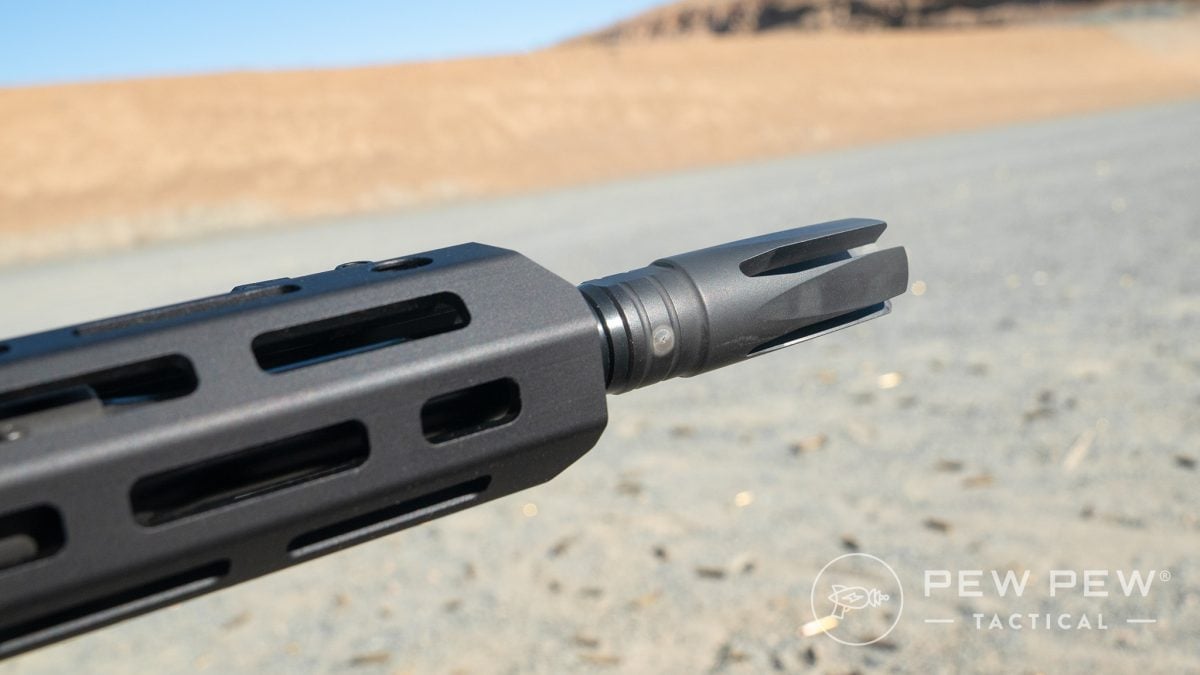
Not only does it prevent you from simply unscrewing the flash hider, you’ll have legal requirements to navigate if you want to swap it out for another muzzle device or suppressor. That’s not to say it can’t be done; it’s just not as simple as turning a wrench.
I’d love to see some kind of common suppressor mount integrated into the factory muzzle device, but I recognize that’s not as simple as it sounds.

For example, the 14.5-inch Geissele Super Duty comes with a Huxwrx flash hider that lets you screw on a Huxwrx suppressor by hand. The downside of this approach is boxing customers into one style of suppressor.
The good news? The new Saint Victor line includes everything from pistols to 16-inch carbines that make this process easy. There are state-compliant versions, too.
If you have the modding bug, maybe pick up one of those. If you like this version as it is, it'll treat you right.
Our Most Popular Posts
Who Should buy the Saint Victor V2?
The target audience for this rifle is anyone who wants a one-purchase solution – no upgrading, no modifying, just a quality AR-15 that runs the way it should from day one without blowing your budget.

Comparable alternatives include the IWI Zion-15, Palmetto State Armory Sabre, and Smith & Wesson M&P 15 Sport III. I’d give Springfield an edge based on features, even if it is a little more expensive. It’s far more affordable than the next tier of AR-15s from BCM, Daniel Defense, and Geissele.
Not sure how to navigate Springfield’s new Saint Victor lineup? Here are a few models you might want to cross-shop in the overhauled family of value-focused ARs.
| Caliber | Barrel Length | Weight | MSRP | |
|---|---|---|---|---|
| Saint Victor Pistol | 5.56 NATO | 11.5” | 5.6 lbs | $1,249 |
| Saint Victor 14" | 5.56 NATO | 14” | 6.8 lbs | $1,279 |
| Saint Victor 16" | 5.56 NATO | 16" | 7.7 lbs | $1,649 |
| Saint Victor AR-10 | 7.62 NATO | 20" | 8.1 lbs | $1,689 |
Upgrades & Accessories

I appreciate that Springfield gave this rifle quality backup iron sights, but you’re going to want an optic. I used a Vortex Crossfire for this review, and it seems to be a good match in terms of performance and value. It keeps weight down, which is nice because this is a nimble rifle.

Unless your AR-15 is a range toy, it needs a sling. Get the one I used, or snag a Pew Pew Tactical sling and a pair of QD swivels!
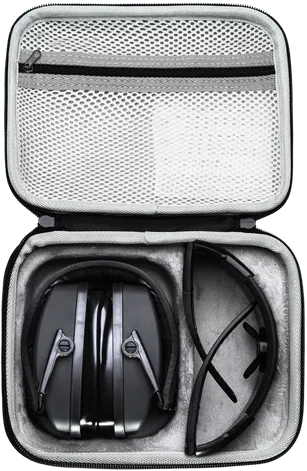
As always, train safe. If you don’t have ears and eyes, this kit is a great way to upgrade from hardware store glasses and foamies.
FAQs
Final Verdict on the Springfield Armory Saint Victor
The do-it-all Springfield Saint Victor is a runner, no doubt. I love the balance it strikes between an AR-15 pistol and a carbine.
For home defense, target shooting, and honing your skills, this is a tool you can count on. There’s a huge segment of buyers who are going to fall in love with the Saint Victor the second they lay hands on it.
What’s your take on the Springfield Armor Saint Victor? Let us know in the comments. Need more information in general? Help yourself to our AR-15 Definitive Resource!
Meet the Experts

Scott Murdock is a Marine Corps veteran who trained and competed with the M16 and M4 while in service. He has completed AMTAC Shooting, Full Spectrum Warrior, and Vortex Edge courses, which center on effective carbine use, and owns AR-15s.
In addition to shooting, Scott has written for a variety of publications, testing, researching, and evaluating rifles and their components. He brings that knowledge and skillset to this article, assessing the Saint Victor for features that set it apart from the standard rifle mold.
Latest Updates
September 2026: Added more testing information.