
Guns of the Outlaws: Weapons of the Most Notorious Bad Guys (and Girls)
Ever wondered what guns the likes of Bonnie & Clyde, Jesse James, John Dillinger, or even Patty Hearst carried during crime sprees? We got the deets here.
We review products independently. When you buy through links on our site, we may earn a commission to help support our testing. Learn more.
The outlaw inspires the mind to wild tales of romantic adventure, freedom, and living outside society. While they are fun fantasies, outlaws are usually not very good people, and they don't often get to retire.
Outlaws in the United States are often associated with their firearms. In fact, these guns are sometimes as legendary as the outlaw's wielding them.
Today, we've gathered the guns from nine outlaws from past to present to give you a look at the changing face of the outlaw's firearm selection.
So, let’s get to it!
Trending: Best AR-15s, Best Pistol Red Dots, & Ammo in Stock
Guns of the Outlaws
Edward "Blackbeard" Teach and the French Navy Flintlocks
Edward Teach or Thatch, better known as Blackbeard, terrorized the oceans as the most famous pirate to ever live.
He apparently sailed the high seas for only two years but left a remarkable impression on the world. Also, he did all this before he was 40, so if you didn't have a reason to feel unsuccessful, here you go.
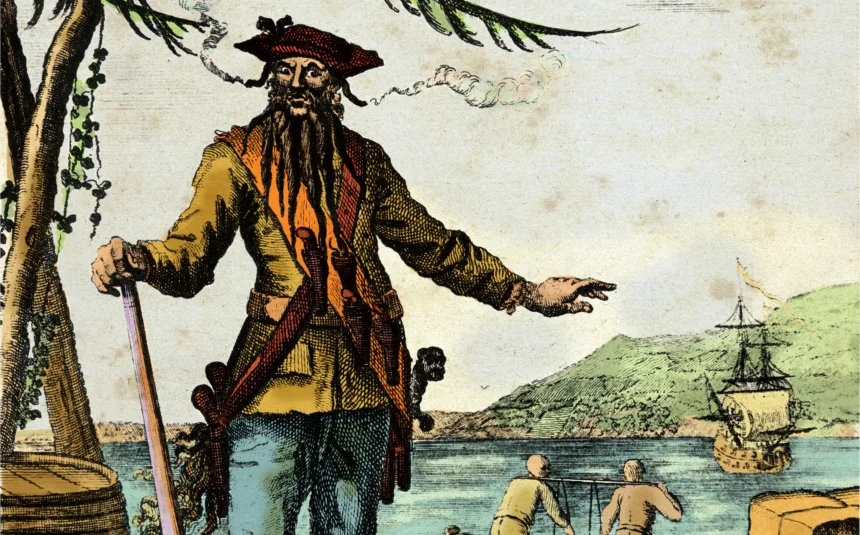
Blackbeard loved weaponry, and in the early 1700s, this meant flintlocks and swords. He reportedly carried 3 to 10 pistols, primed and loaded when he boarded ships. These pistols were carried in a brace across his chest and in his belt, all readied for action.
Flintlocks allowed the weapons to be carried ready relatively safely. Safety is relative to the technology, but they were a big upgrade compared to something like a matchlock. They were prone to fail, especially in wet environments.
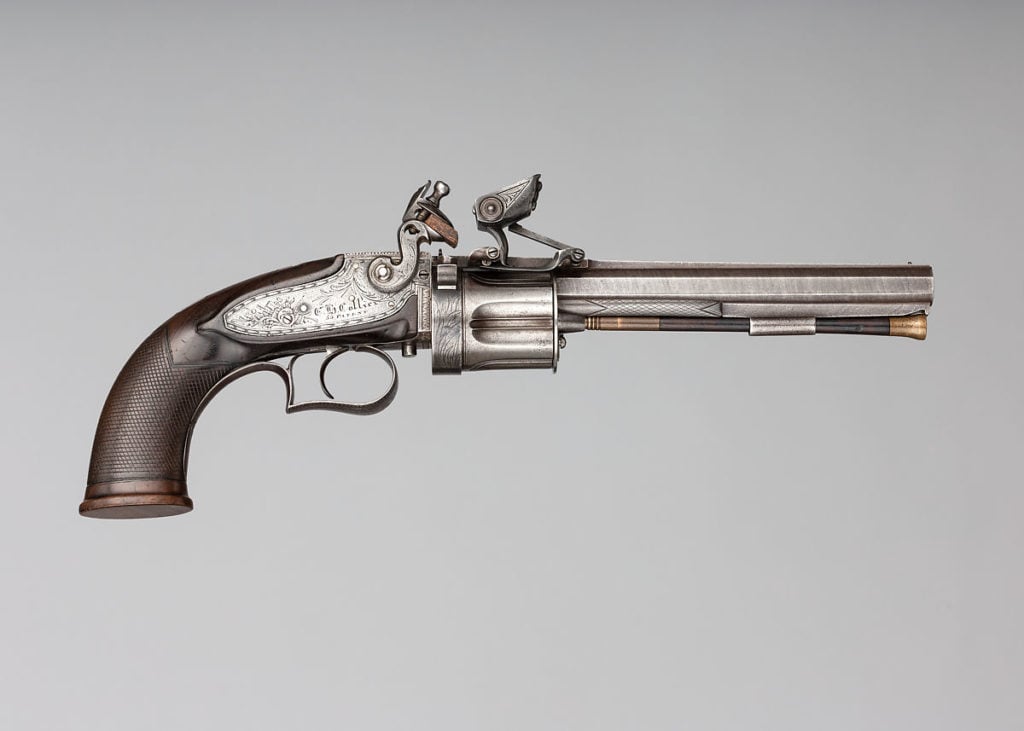
As you'd imagine being a pirate meant you lived in a wet environment. Plus, they were slow to reload. Carrying a handful allowed you to rapidly transition for another shot or in case of failure.
Reportedly Blackbeard carried French flintlocks, but he was known to use whatever he could get his hands on.
The captain of the Queen Anne's Revenge came strapped regardless.
Jesse James
This is the perfect example of a notorious outlaw and killer turned folk hero.
Jesse James’ first taste of violence came from his time as a Bushwacker Guerilla on the Confederate side of the Civil War.
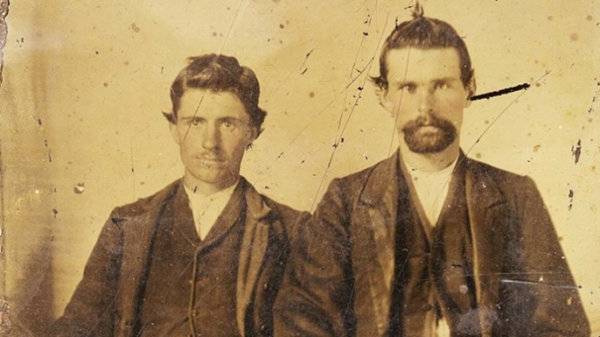
Post-war, Missouri wasn't peaceful, and James, his brother, and numerous friends became robbers – robbing banks, stagecoaches, and even a fair once.
Along the way, James clung to a .45 Schofield Smith & Wesson Schofield revolver. The Schofield is a neat gun and one of my favorite western blasters.
Also known as the Model 3, the Schofield revolver gained its name from Major George W. Schofield, who modified the Model 3 for the needs of the cavalry.
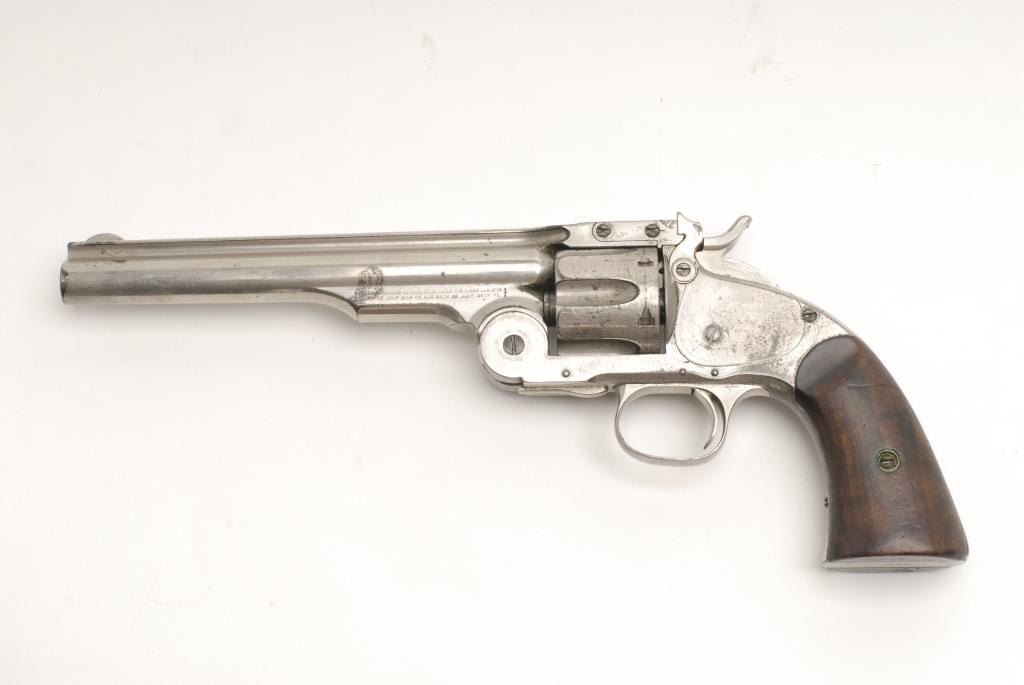
The .45 Schofield was a slightly shorter round better suited for the shortened cylinders the Model 3 used.
What made the Schofield so modern was the fact it was a top break revolver. The weapon hinged open, and an automatic ejector pushed the rounds from the cylinders. Reloads were much quicker than other revolvers, and that matters when you have six rounds.
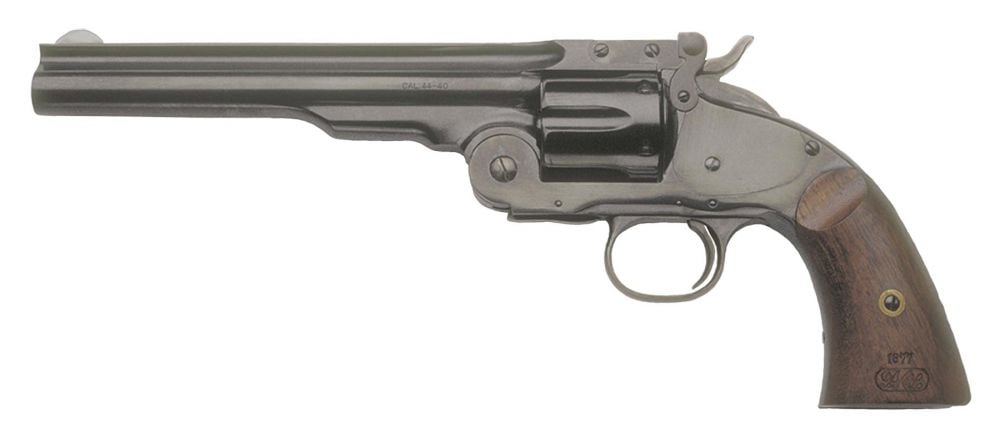
Like most American revolvers of the time, it was a single-action design, held six rounds, and was rather large.
The Model 3 was the first metallic cartridge firing revolver adopted by the U.S Army.
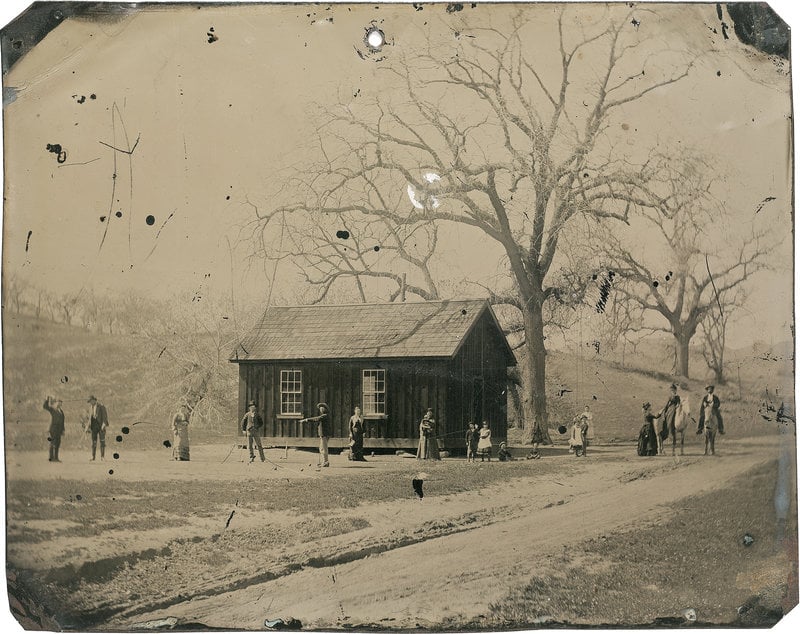
Billy the Kid
According to the Historical documentary Young Guns, Billy the Kid used a double-action revolver.
In the film, it might have been a Lightning, but in real life, it was a Thunderer.
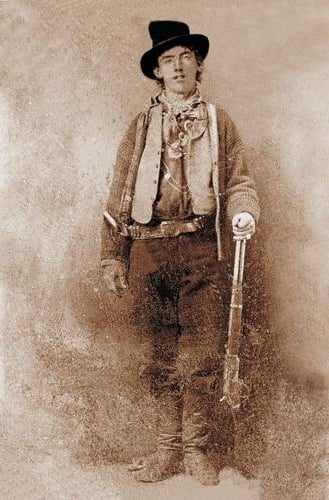
Billy the Kid, aka Willian H. Bonney, aka Henry McCarty, was an outlaw who never robbed a bank or train in his life. He grew up an orphan, stealing only to survive. He fell in with cattle rustlers and later a group called the Regulators, where he fought in the Lincoln County War. He lived fast and died young at the age of 21.
He carried a Colt M1877, specifically the .41 Long Colt model. The M1877 came in three calibers -- the .32 Long Colt (Rainmaker), the .38 Long Colt (Lightning), and the .41 Long Colt (Thunderer.)
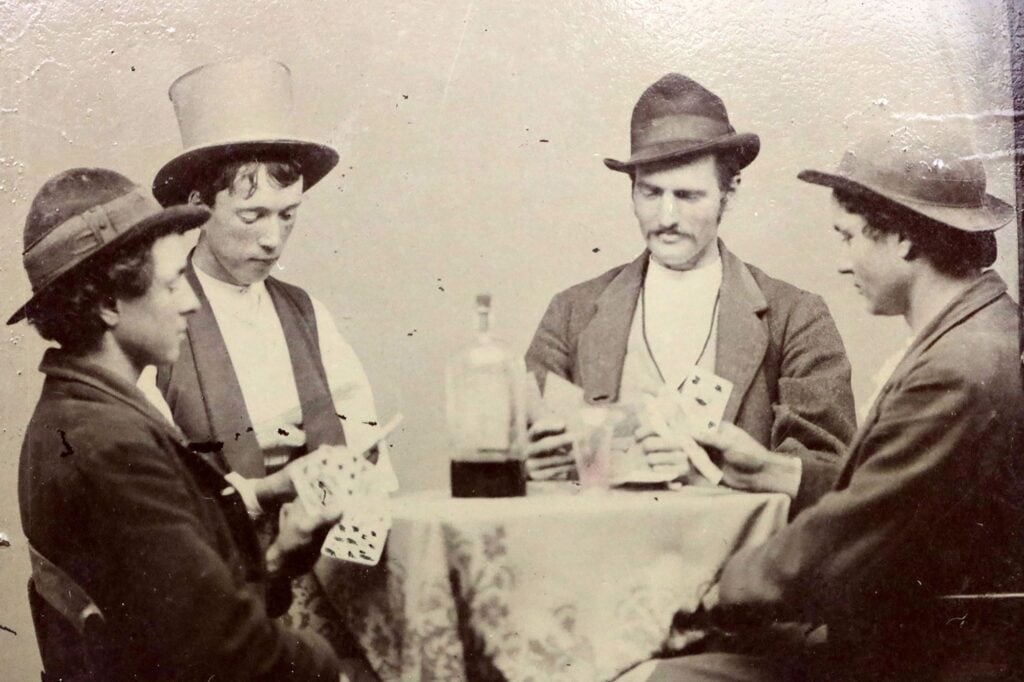
These were not official designations but names coined by a Colt distributor.
Colt Model M1877's were double-action revolvers, meaning the trigger both cocks and fires the weapon. A double-action trigger made them fast to fire, but Colt's loading gate and ejection rod made them slow to reload.
While not new in 1877, they were uncommon in the United States. America liked its single-action revolvers, but gunfighters seemed to like the M1877.
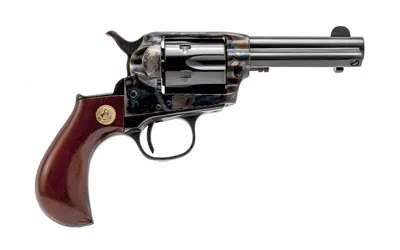
Billy the Kid, John Wesley Hardin, and Doc Holliday were all partial to the M1877.
Gunsmiths apparently loved and hated them. The mechanism often broke, which created work for gunsmiths. However, their complicated design made them a pain to work on.
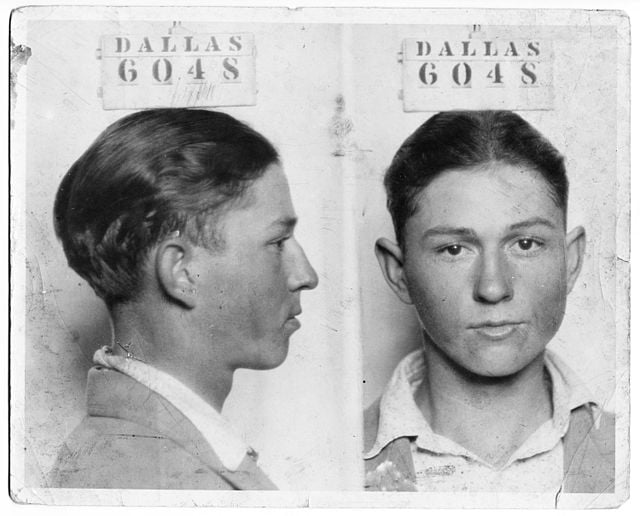
Bonnie and Clyde
America's interwar years were filled with a slew of violent outlaws unlike they'd ever seen.
These motor-borne bandits swept across the United States during the Great Depression, shooting it out with police and taking what they wanted.
Bonnie and Clyde own the title of the most famous duo. Everyone loves an outlaw, and we all love a love story.
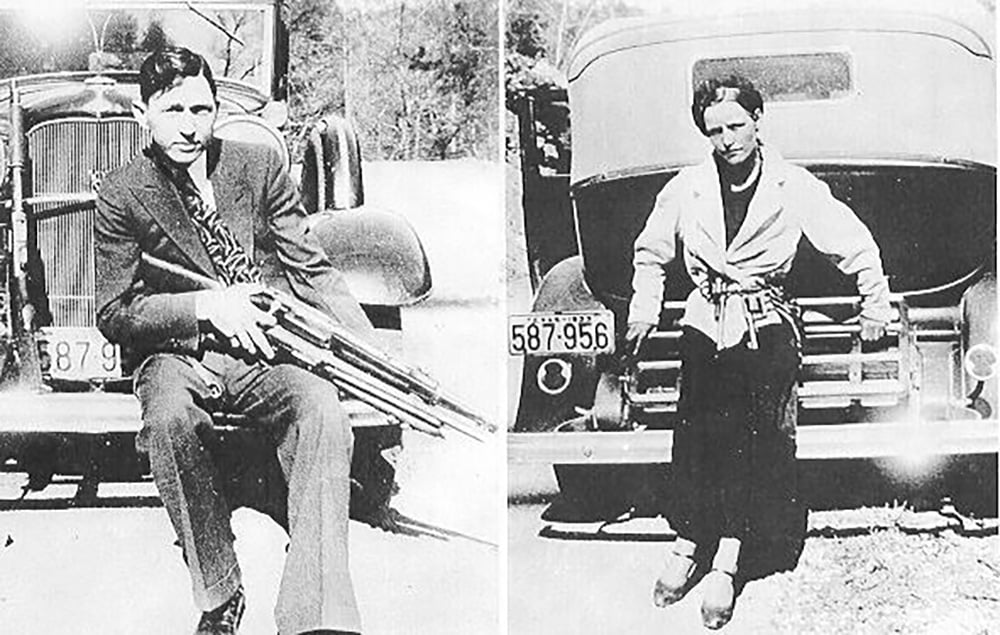
Bonnie and Clyde were vicious, young, and armed to the teeth with everything from handguns to Browning Automatic Rifles. Choosing just one gun for the duo proved impossible, but we'll cover their most famous.
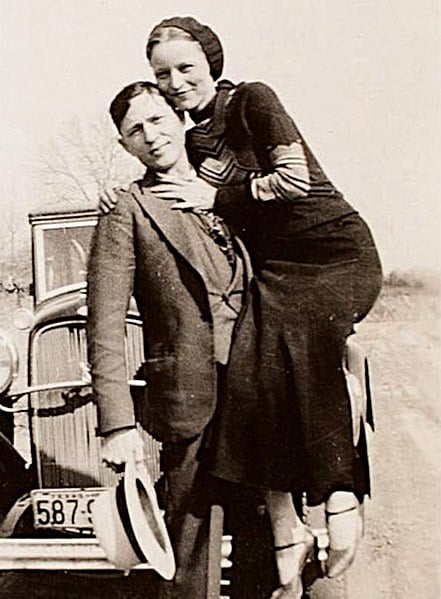
It's a lady's first type of day, and the weapon famously associated with Bonnie is a Remington Model 11 semi-automatic shotgun. Bonnie lived during the Depression and likely spent a good portion of her life malnourished, resulting in her being quite petite.

The 20-gauge Remington 11 provided a light and low recoiling weapon tamed by its cartridge and semi-auto action.
The gang trimmed the barrel and stock, making it lighter and more maneuverable, especially inside a vehicle. It's the weapon she died toting.
The Best Gun Deals, Coupons and Finds
Subscribe to Pew Pew Tactical's sales and deals email.
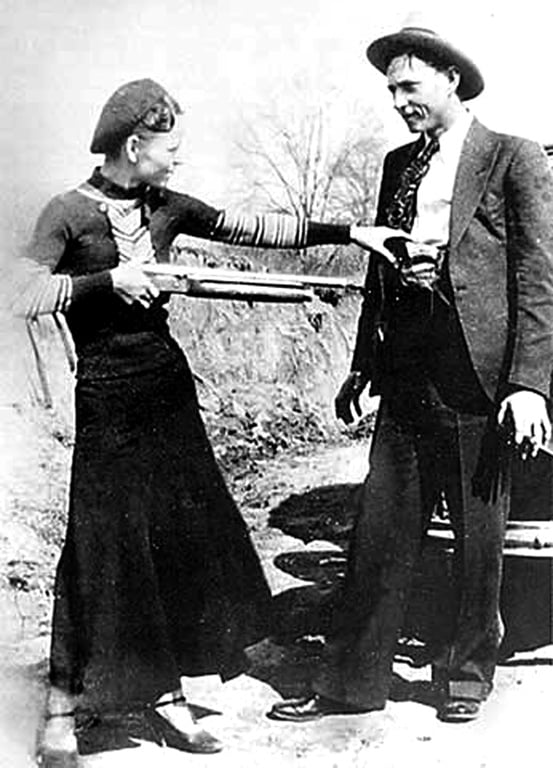
Clyde used a wider variety of weapons, but once he was given a Browning Automatic Rifle, he stuck to it.
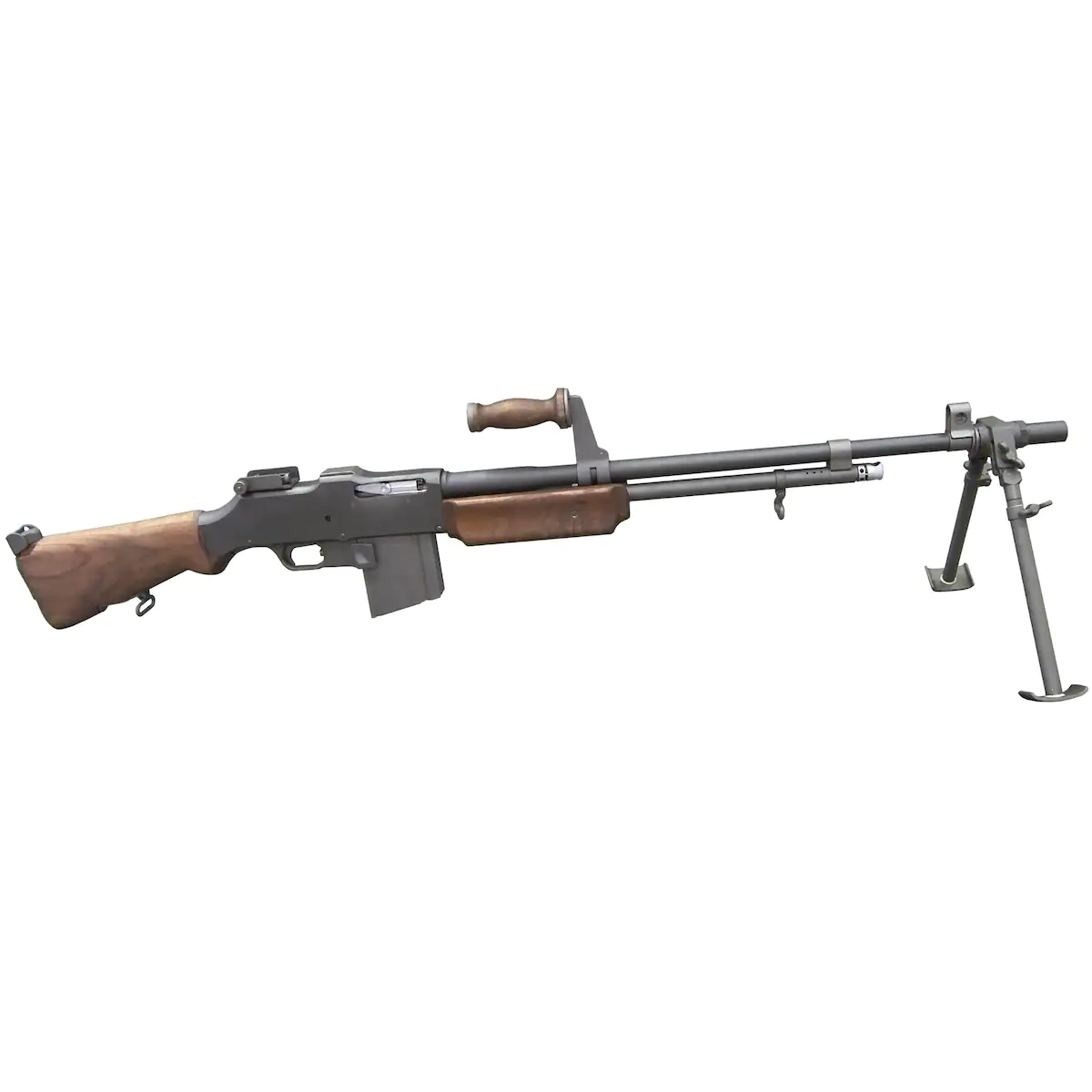
He also preferred his weapons light and short. Claude took a hacksaw to the BAR's barrel and gas tube and fitted it with custom-made 40-round magazines.

Clyde called it his scattergun because when he shot it, everyone scattered — also, cutting the barrel crudely without recrowning likely hampered accuracy a fair bit.
This weapon gave the Barrow Gang more firepower than any law enforcement agency in the country.
It wasn't until Frank Hamer began the chase that American law enforcement picked up similar automatic weapons.
Pretty Boy Floyd
Pretty Boy Floyd sounds like a 1980s English pop star, but in reality, he was an American bank robber in the 1930s.
He captivated America with his good looks and style and became a folk hero for reportedly burning mortgage paperwork to free people from their debts.
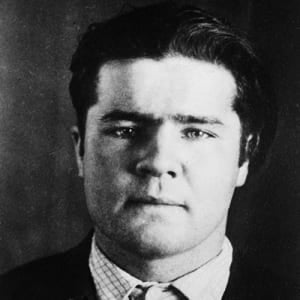
While he has this folk hero status, he was a violent criminal and shot it out with law enforcement numerous times. He killed numerous men, including police officers and reportedly rum runners.
He may or may not have participated in the Kansas City Massacre.
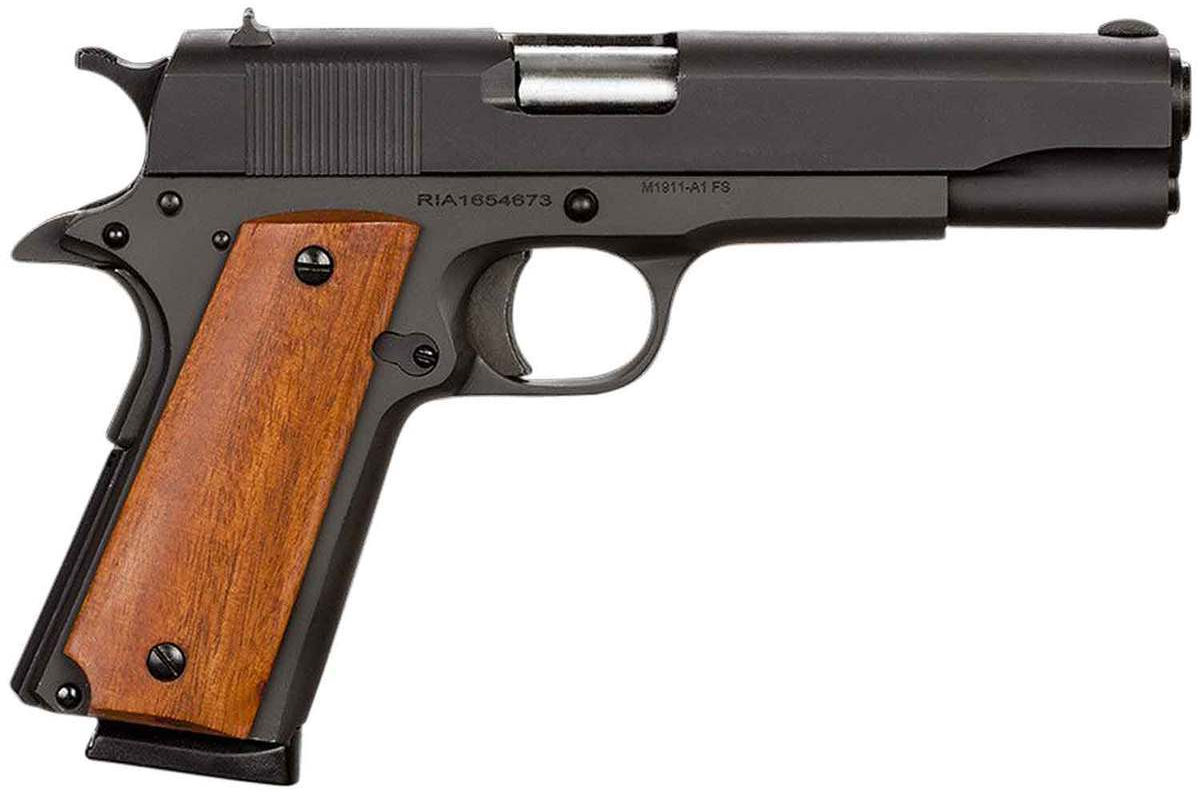
Pretty Boy Floyd used various firearms, but his favorites seemed to be the high-tech for the time M1911A1. He died carrying two of the pistols.
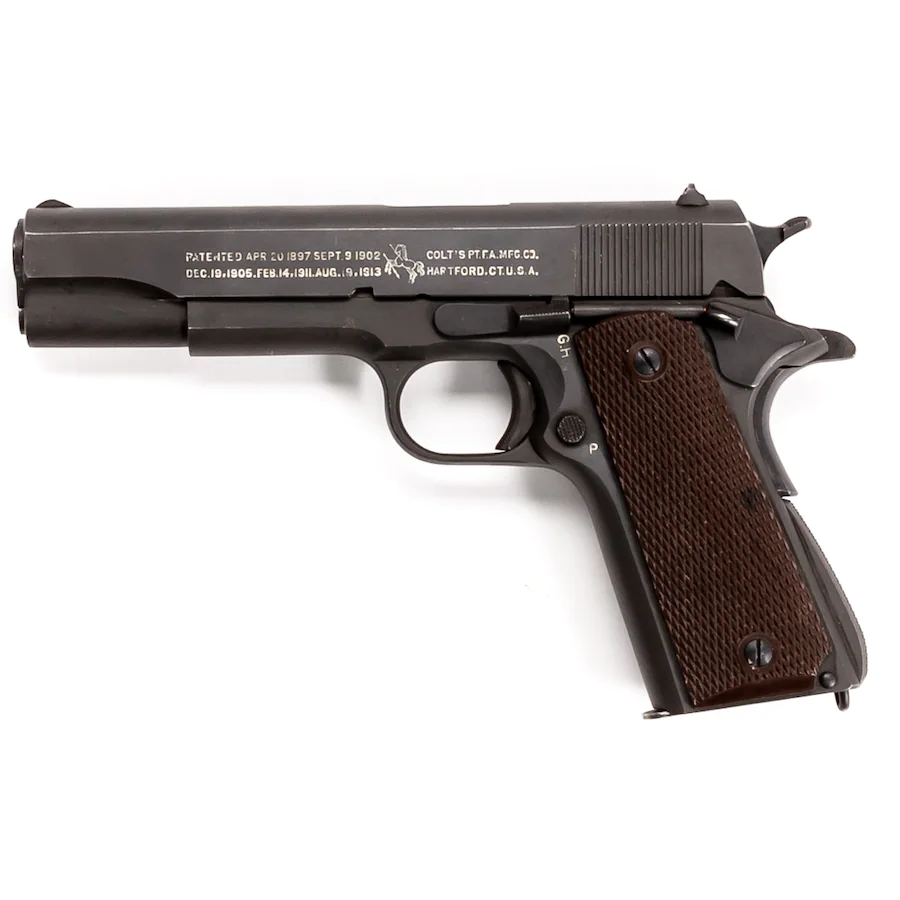
These semi-auto weapons served with the United States military at the time and offered greater capacity and a faster reload than revolvers of the time.
John Browning designed the weapon at the request of the U.S. Army and created the .45 ACP for the same reason. After adoption by all four branches of the United States’ military propelled the gun to instant success, it served up until 1985.
The weapon used Browning's short-recoil design, which became the norm for most pistols made even today.
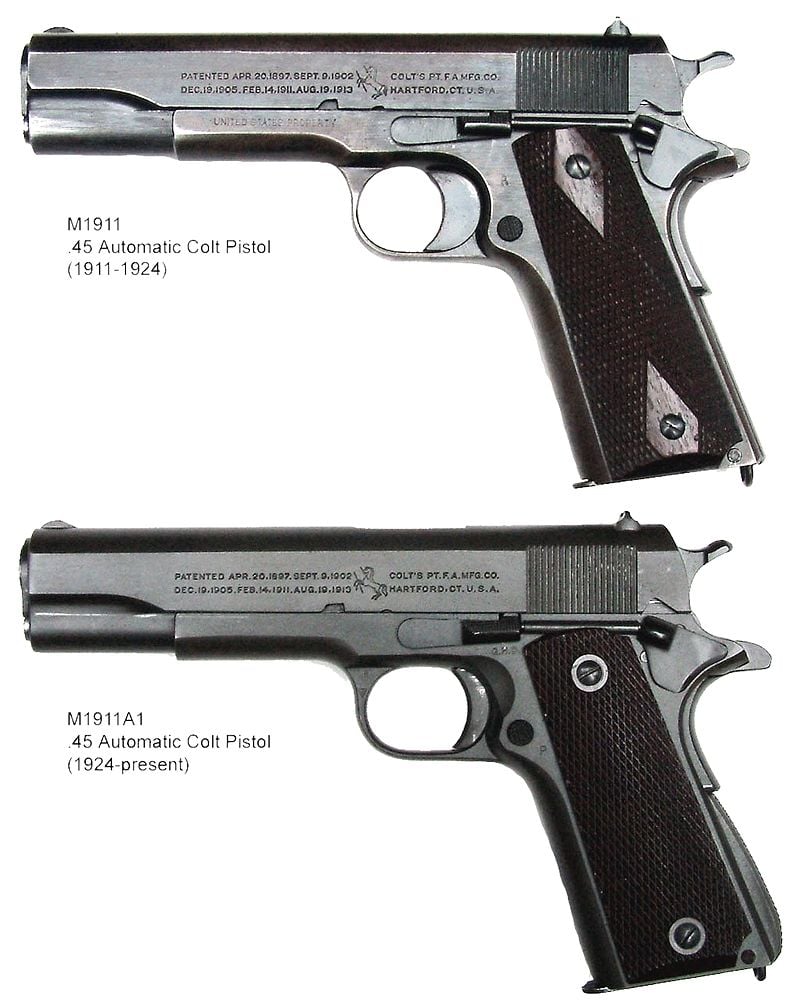
There seems to be a rumor that one of his guns was a full auto variant of the M1911, but I can't find a report that confirms this.
One of his M1911s sat on J. Edgar Hoover's Wall of Shame.
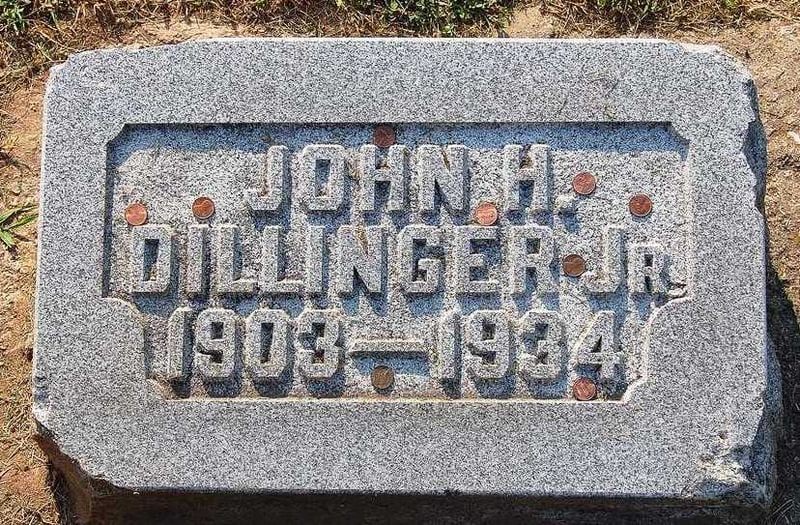
John Dillinger
Public enemy No. 1, John Herbert Dillinger, took bank robbing from a crime to a profession.
John Dillinger robbed 24 banks and four police stations. He was a terrifying figure, so much so the police chose to shoot him in the back rather than face him head-on.
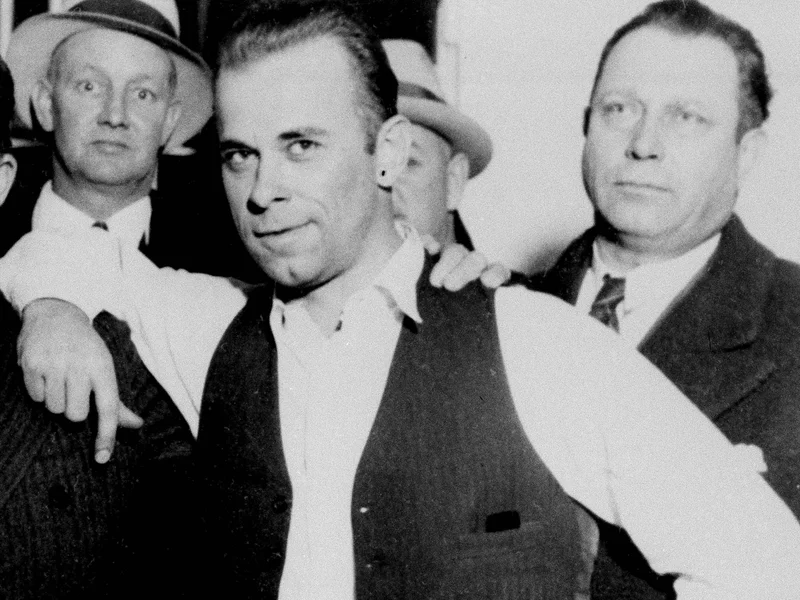
John Dillinger was only 31 at the time of his death and became a legend in the United States. His weapon of choice became legendary in its own right due to men like Dillinger. Of course, we’re talking about the Thompson Submachine Gun, a.k.a. the Tommy Gun.
He wielded the M1921 model and reportedly did so very well. The Thompson offered portable firepower and, with the stock removed, could be hidden under a coat rather well. These guns offered a ton of firepower per trigger pull and were easily used in and out of vehicles and banks.
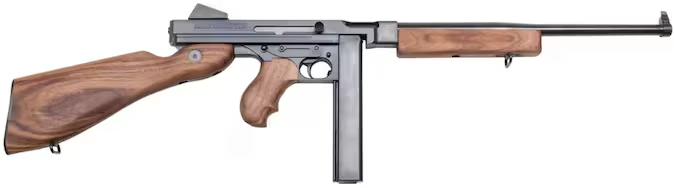
The Thompson's criminal use is well known and, for the time, was the only such gun that did so.
This little monster might've been smaller for the time, but nowadays, it's bigger and heavier than most modern carbines. It later served its country in World War II and did so with distinction.
Our Most Popular Posts
Baby Face Nelson
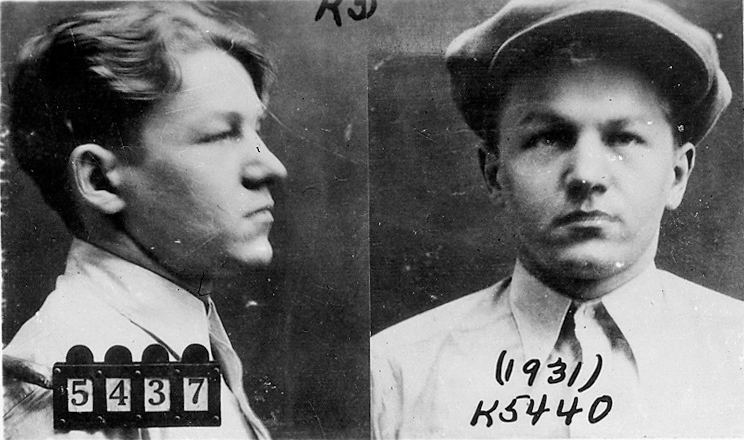
To some, Dillinger, Floyd, Bonnie, and Clyde might be folk heroes, but Baby Face Nelson never gained that same rep.
It's likely because he was a brutal thug that seemed to be an all-out sociopath who loved violence. Nelson was a hot-headed contemporary of Dillinger but much more violent. He holds the dishonor of killing more FBI agents than any other criminal.
Like Dillinger, he preferred the Thompson but also carried a very interesting, custom-made machine pistol. A saddle maker and gunsmith named Hyman Lehman built guns for a number of outlaws, including two of these machine pistols -- one for Dillinger and one for Nelson.
The weapon took a standard .38 Super M1911A1 and converted the weapon to fully automatic. Then they added a Cutts compensator and a Thompson vertical foregrip.
To ensure it ran for more than half a second, custom extended magazines offered 20 to 30 rounds of ammunition.
This Baby Machine gun gave Nelson a terrifying weapon at the Little Bohemia shootout. He used the weapon to murder Agent W. Carter Baum and wounded two other agents with it.
I imagine the firing rate was insanely high, as most machine pistols are. The foregrip and compensator must have helped, but still, it's a mini machine gun without a stock.
Yet, Baby Face Nelson must've been well versed with the weapon.
Patty Hearst
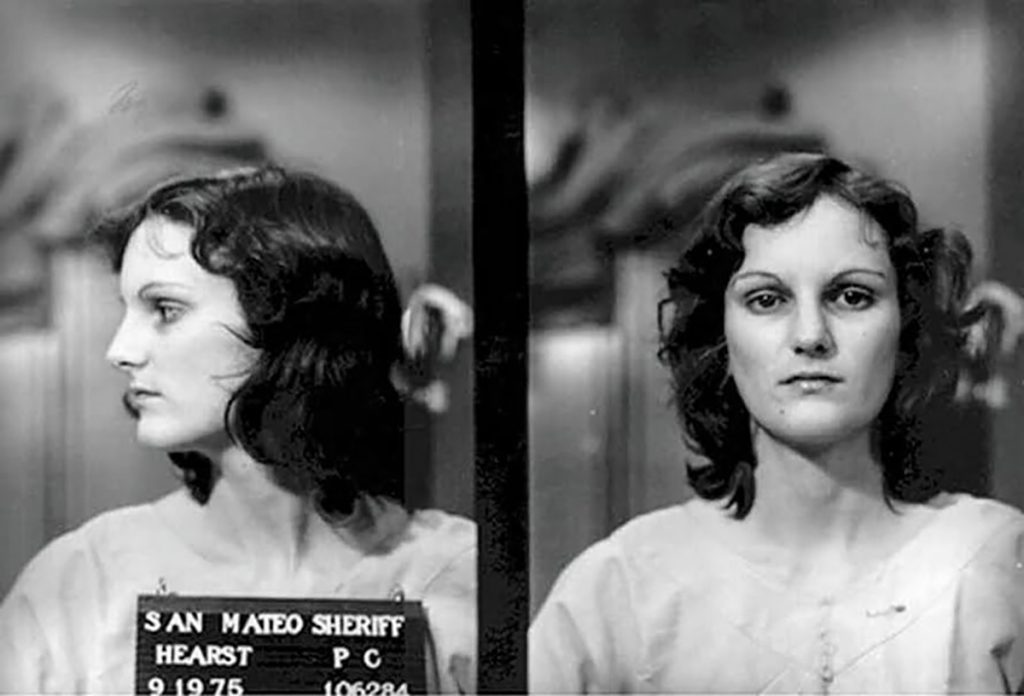
The unwilling outlaw best describes Patty Hearst.
The heiress to the Hearst publishing business was kidnapped in 1974 by a “revolutionary” left-wing group called the Symbionese Liberation Army. Her kidnapping would be used to free two imprisoned SLA members.
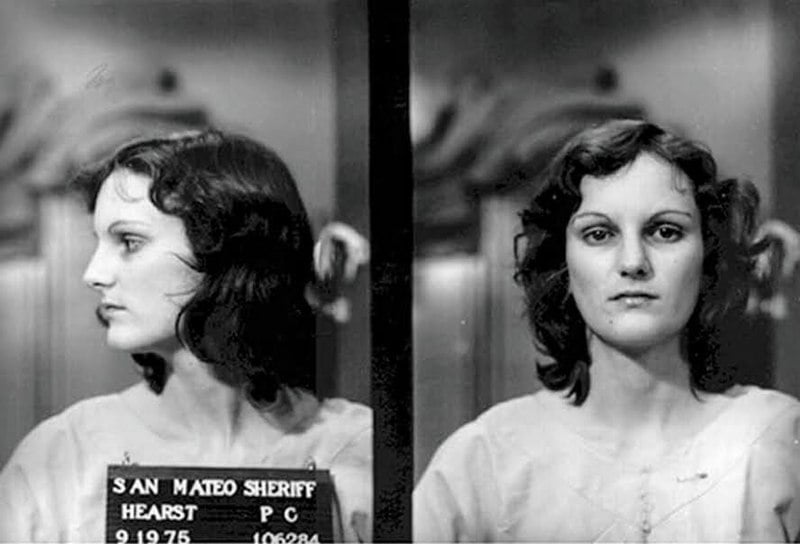
She was held in a closet for weeks, forced to read SLA political tracts, and eventually became a pseudo group member. She didn't seem to have much choice in the matter.
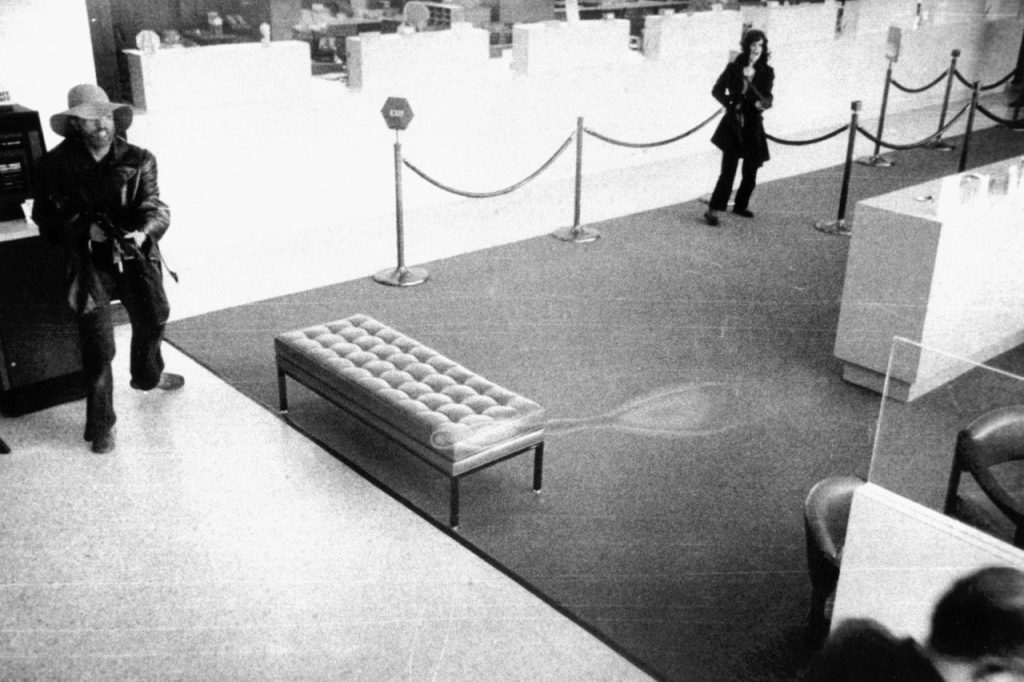
On April 15, 1974, the SLA committed a brazen robbery of the Sunset District branch of the Hibernia Bank. Hearst was caught on film wielding a variant of the M1 carbine supported by a two-point sling over her shoulder. The gun lacked a stock, and the barrel was shortened.
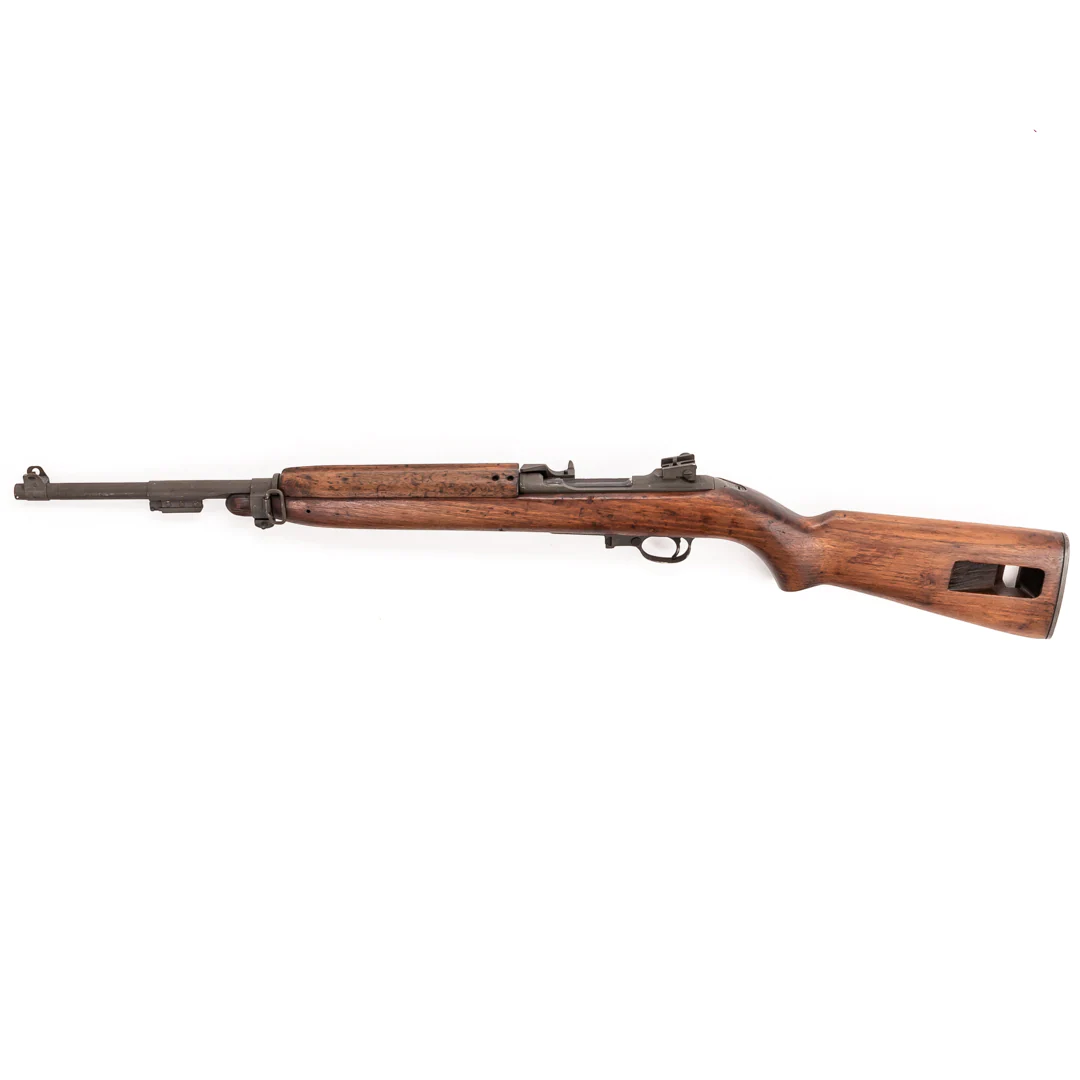
It's been reported as a sawn-off M1 Carbine, but it's a professional hack job if this is the case.
FBI photos show the replacement of the front sight and no obvious damage to the weapon's rear. Honestly, I wouldn't be surprised if this is a professional-grade M1 Carbine pistol and not a hacked-up M1 Carbine.
The M1 Carbine provided the United States military with a lightweight weapon for soldiers not fighting on the front lines. This little carbine became a favorite among the troops and a favorite rifle for police forces as well.
It's a sweet shooter with very little recoil and little muzzle rise.
For the SLA's bank robbery, the gun makes sense. It's more than a pistol but less than a rifle. The little weapon is easily hidden and quite intimidating.
Hearst later fired the weapon during an encounter at a sporting goods store but was never in a gunfight with it.
Michael Platt
Michael Platt and his partner William Matix changed the face of law enforcement in 1986 in a shootout with FBI agents in Miami.
Part of the reason calibers like the 10mm and the .40 S&W exist was because of this incident. It spurred cops to move away from revolvers across the board.
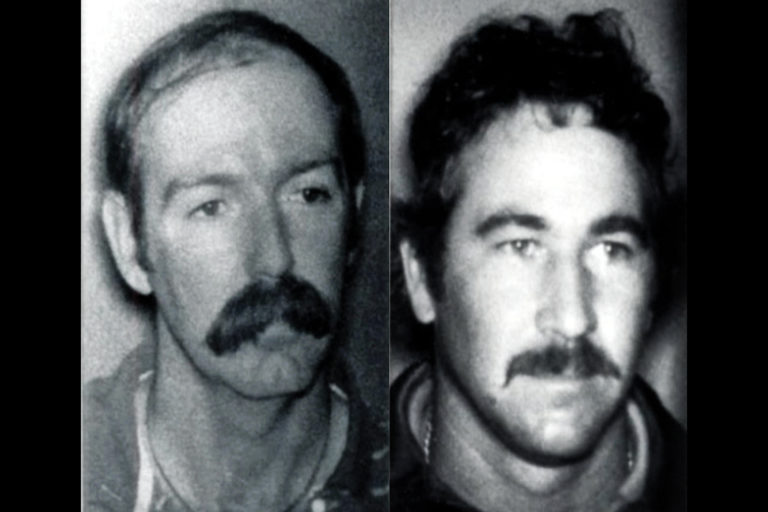
Platt and Matix were both veterans and teamed up to commit several robberies, including armored cars and banks. They were brutal, violent, and well-armed.
Platt's rifle of choice was a Mini 14. This semi-automatic .223 caliber rifle offered light recoil, fast follow-up shots, and an under folding stock.
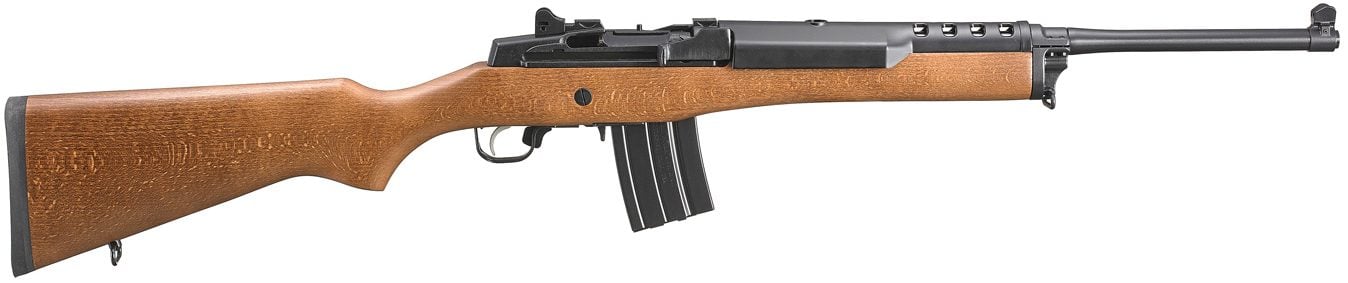
Platt's lightweight and capable rifle provided a very capable weapon against the FBI agents, who were primarily armed with pistols. He had more firepower on tap, allowing him to fight a superior force and engage it effectively.
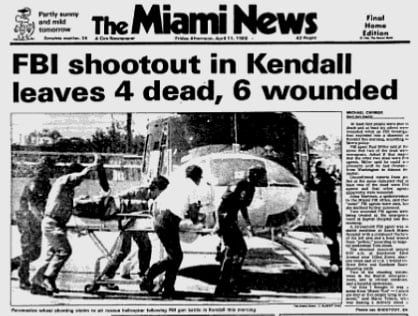
He didn't win the fight; however, the Miami Shootout has become a part of law enforcement history -- changing tactics, techniques, and procedures permanently.
Final Thoughts
An old outlaw is a rather rare sight. They live by the gun, and they tend to die by it. It's interesting to see what guns they wield and maybe explore why.
Police and soldiers are issued weapons, criminals get to pick and what they come up with is often what they die with.
What famous outlaw and their firearms did we fail to mention? Let me know below. Interested in more history, we have our regular history column and more in our History category.