
Gun Confiscation Around The World: Playbook & Results
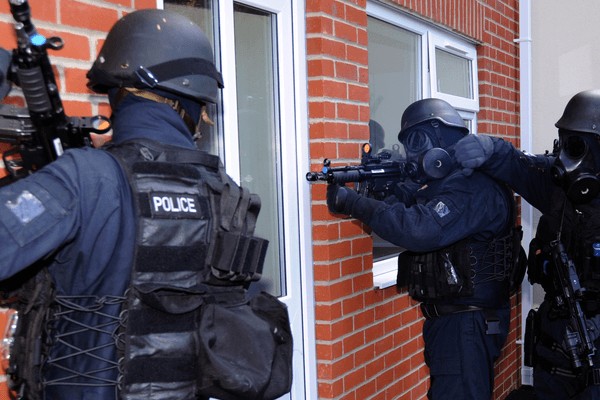
How do regimes and first world countries take guns? We cover China, UK, New Zealand, Canada, and more. Plus the results on crime and current US affairs.
We review products independently. When you buy through links on our site, we may earn a commission to help support our testing. Learn more.
We can always count on politicians to call for the passage of new firearms regulations, or outright gun bans.
Of course, this isn't specific to the United States, unlike many other countries around the world, U.S. civilians have something called the Second Amendment on their side, and for the most part, are allowed to own firearms for private use.
Many countries like Australia and the United Kingdom have all but banned firearms ownership for the general public, and in the process, confiscated existing firearms owned by civilians.
We'll take a look at the instances of gun confiscation, or mandatory “buybacks” that followed the enactment of new firearms regulations in countries around the world, and whether they had any effect on firearms homicides.
Trending: Best AR-15s, Best Pistol Red Dots, & Ammo in Stock
Australia
When US politicians talk about enacting new gun control laws, Australia is always mentioned as the gold standard. That's because Australia has one of the most restrictive firearms laws in the world.

Licenses are required in order to purchase and own a firearm, and are only issued for the purposes of hunting, sport shooting, pest control, antique collections, and for farmers and farm workers.
How Did We Get Here?
The main incident that led to the current state of firearms laws in Australia was the Port Arthur massacre in 1996, when a gunman opened fire on store owners and tourists using two semi-automatic rifles, that left 35 people dead and 23 wounded.

This tragic shooting led to the National Firearms Agreement of 1996 being passed just 12 days later, which included a ban on all semi-automatic rifles and all semi-automatic and pump-action shotguns, as well as a new system for firearms licensing and ownership.
With the new laws in place, thousands of previously legally owned firearms, were suddenly rendered illegal. The Australian government graciously offered a temporary firearm buyback program for these now-illegal firearms, which resulted in the buyback of over 650,000 firearms.
A few years later in 2002, a mentally ill student at Monash University killed two other students with pistols he owned as a member of a shooting club.

This led to the National Handgun Control Agreement of 2002, and the National Handgun Buyback Bill, that required mandatory buybacks of certain types of handguns, as well as magazines capable of holding more than 10 rounds.
Most recently in 2014, during the Sydney hostage crisis, a lone gunman held 18 people inside a Lindt chocolate cafe hostage. One hostage was killed by the gunman, one was killed by a police bullet ricochet, and the gunman himself was killed by police.
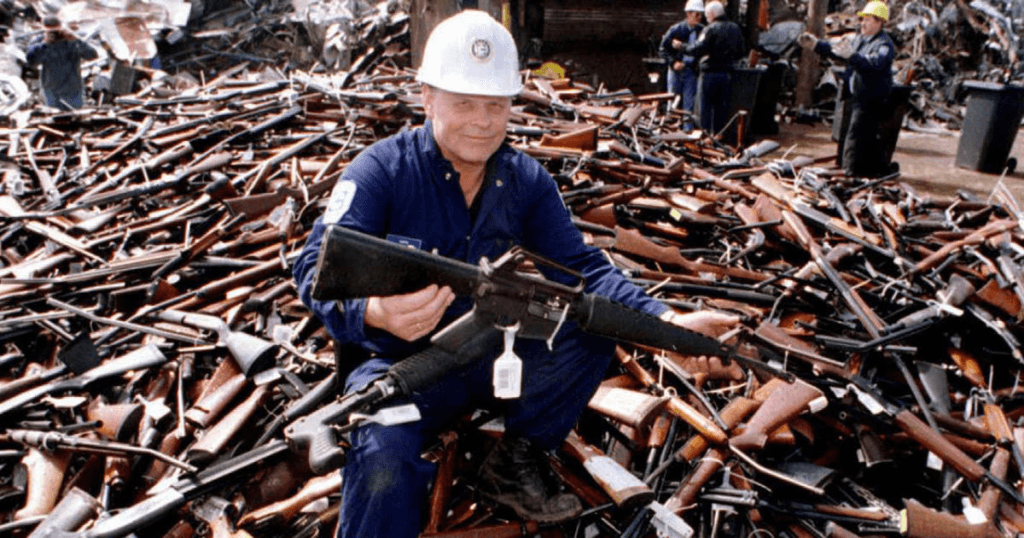
This incident led to the 2017 National Firearms Amnesty, which resulted in about 51,000 unregistered firearms being surrendered.
Effectiveness
With two subsequent instances of tragic mass shootings following the initial National Firearms Agreement of 1996, it’s tough to say that the firearms ban and corresponding mandatory buyback programs (aka confiscations) were very effective.
This result may be partly due to the fact that the approximately 650,000 to 1 million guns which were surrendered in the buyback programs, only account for about one-fifth to one-third of the total number of firearms in the country.
In terms of actual studies done on the effect of the ban and buyback programs, even a study performed by the University of Melbourne was not able to find much, if any, significant support that prohibiting certain types of firearms reduced the number of firearms homicides.
New Zealand
Gun control has always been a part of New Zealand’s history, stemming as far back as the Arms Act of 1860. The Act was mostly unenforced, though, since it was originally passed during the period of conflict between the colonial settlers in NZ and the indigenous Maori people.
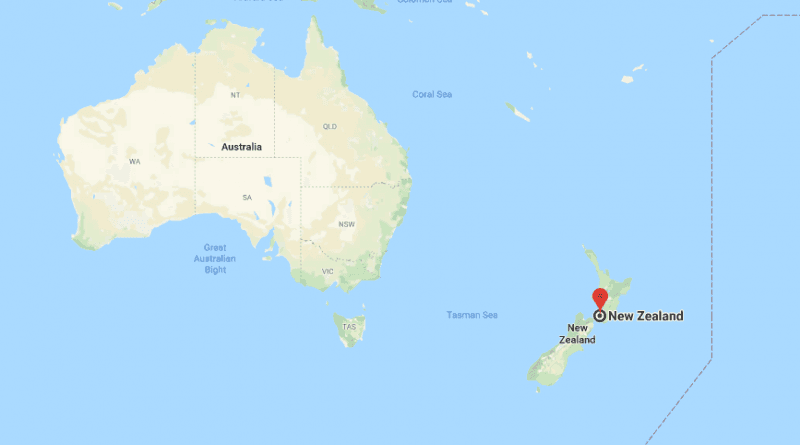
Labor unrests after WWI led to the Arms Act of 1920, which in addition to requiring firearms permits and registration, also banned semi-automatic pistols.
Lead-up To Confiscation
In 1990, a 33-year-old Aramoana man killed 13 people, including a local police sergeant, after an argument with his next-door neighbor. This tragic shooting led to additional amendments to restrictions on “military-style semiautomatic” (MSSA) firearms.
The most recent shooting happened on March 15, 2019, at two mosques in Christchurch, New Zealand, when a 28-year-old opened fire at two separate mosques when prayers were being held, killing 51 people and injuring 49.
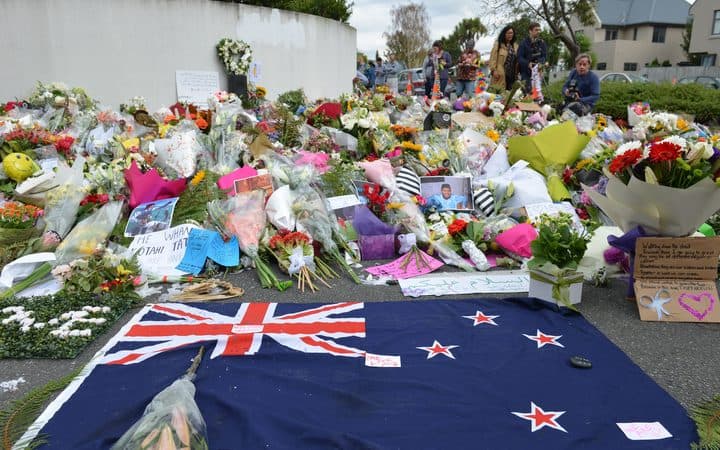
Following the Christchurch shooting, politicians went into overdrive to enact new gun legislation, leading to bans on numerous semi-automatic weapons and MSSAs.
They also went after parts, magazines, and ammunition that could be used to assemble a prohibited firearm or convert a firearm into a semi-automatic firearm, and most importantly, a firearms amnesty and buyback scheme.
As of September 2019, more than 19,000 Firearms have been surrendered to the New Zealand government.
Is It Working?
Unlike Australia, there have not been many studies done on the effectiveness of gun buyback programs mainly due to the fact that there haven't been many buyback programs.
It’s also not clear what percentage of total firearms in the country have been turned in, because registration has been lax and essentially unenforced throughout the years.
If neighboring Australia is anything to go by, however, the laws may not have much effect beyond providing a false sense of security.
United Kingdom
In the UK, the right to keep and bear arms originated as far back as the Assize of Arms in 1181, when King Henry II essentially required (almost) all English subjects to be armed.
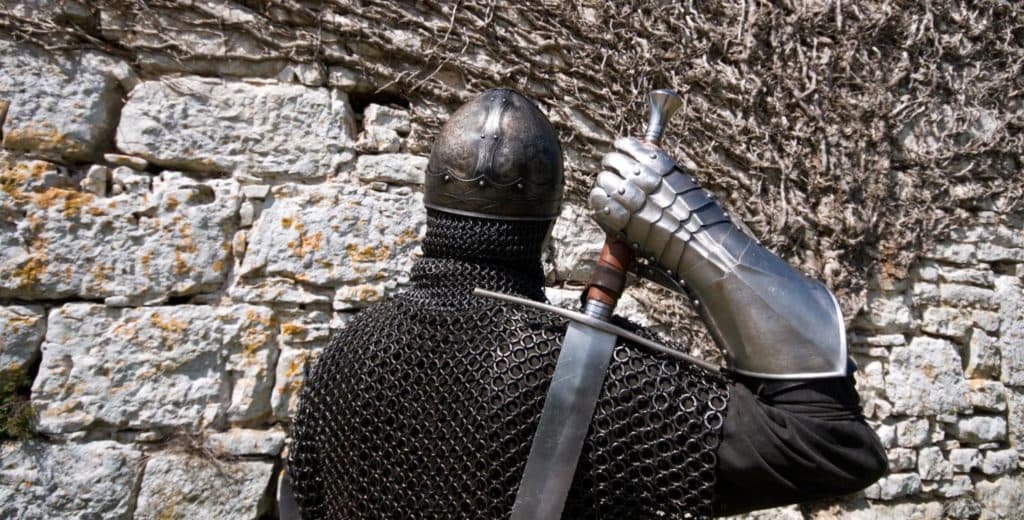
This concept found its way into British common law, and eventually the colonies in North America that would eventually become the United States, in the form of the Second Amendment in the US Constitution.
How Did We Get So Far?
There were many laws on licensing and restrictions passed from WWI into the 1950s, but gun bans and confiscations really took off once the Firearms Amendment Act of 1988 was passed, following the mass shooting in Hungerford.
In 1987, a man used a handgun and two semi-automatic rifles in a series of random shootings to kill 16 people and injured 15.

The Firearms Amendment Act following this incident banned semi-automatic and pump-action center-fire rifles, shotguns that had magazines and self-loading rifles, among other types of firearms.
Less than 10 years later, in 1996, a man entered an elementary school gym in Dunblane, Scotland, and fired indiscriminately, with his legally-owned handguns, killing students and teachers, and injuries many others, before committing suicide.
The tragedy led to the Firearm Amendment Acts of 1997, which essentially banned private ownership of handguns, with very limited exceptions. In fact, the handgun ban was so comprehensive, that even Olympic shooters were not exempt, and had to train outside the UK.
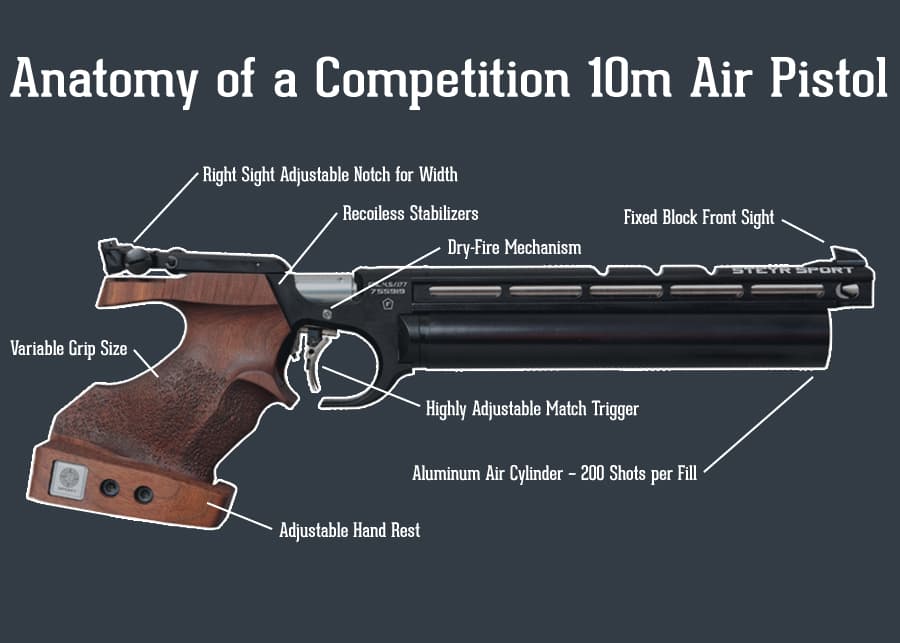
The buyback program following the ban resulted in the surrender of over 160,000 firearms
More recently, in 2010 a taxi driver, using a 12 gauge double-barreled shotgun and a 22 caliber bolt-action rifle, killed 12 people and injured 11, before killing himself.

The Best Gun Deals, Coupons and Finds
Subscribe to Pew Pew Tactical's sales and deals email.
Measuring Success
Types of restrictive Firearms regulations in place, you would expect the number of firearms crimes to be at an all-time low.
During 2011 to 2014, the recorded number of firearms crimes from about 6,000 to a little under 5,000. However, that number rose back up above 6000 during the period from 2014 to 2017.
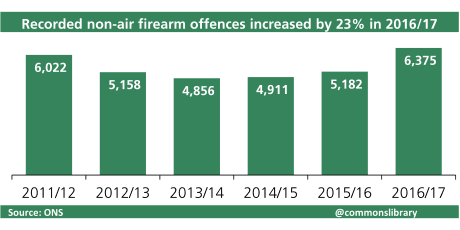
To make matters worse, crime overall in the UK has been on the rise, and in fact, London overtook NYC for the number of murders as of 2018.
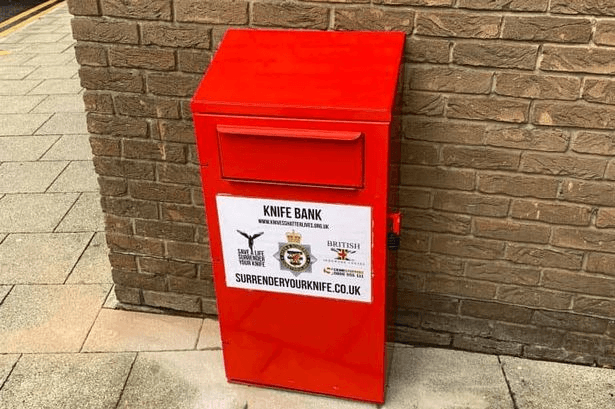
Many of these crimes have been increasingly been perpetrated by other types of tools, primarily knives.
Based on these results, it seems firearms regulations have not done much, if anything to reduce the number of gun-related crimes, and with crime in general on the rise, additional bans on guns, knives, or any other items that could be used as weapons, may not be the way to ensure public safety.
China
The birthplace of gunpowder! With a resume like that, it would be a shame to put any sort of regulations on firearms usage or ownership! And it is.

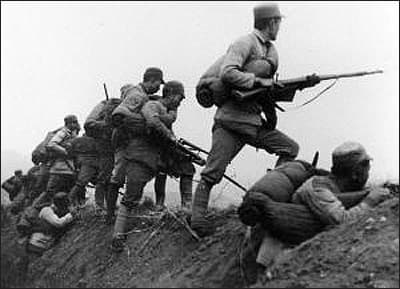
Soon after the People’s Republic of China was established by the current communist government, firearms regulations were put into place. These laws identified and helped the government take inventory of the firearms that were in the country at the end of the Civil War in 1949.
Firearm possession was still permitted in limited situations where carrying the gun was a necessary part of a person’s official duties, with approval from the government.
No Gun For You!
Unlike many other countries, regulating firearms in China was not a result of mass shootings, but rather came as the Communist Party of China likely wanted to keep tabs on all the firearms in the country after the decades-long intermittent civil war.
Did It Work?
Since there is a blanket ban on private firearm ownership in the country, there are much fewer instances of gun violence in China compared to other countries.
That doesn't mean there aren't any instances of shooting however, since hunting rifle ownership is still permitted in some situations.
Overall, however, there is very little gun violence among the civilian population.
Actual data on this may give us a better idea of the effectiveness of the ban, but the Chinese government is not nearly as open with their data and statistics as other countries around the world.
Canada
Despite being our neighbors to the north, Canada has many restrictions when it comes to military-style rifles, non-sporting ammunition, and “high-capacity” magazines.

In addition, handgun are limited to 10-round magazines, and most semi-automatic center-fire rifles are limited to 5 rounds.
How Did This Come Aboot?
With Canadians being so friendly, they shouldn't be afraid of anyone owning a gun, right? Overall, Canada is a relatively safe country, but that doesn't mean it doesn't have a share of gun crime as well.
No single incident has been responsible for the firearms legislation passed throughout the years in Canada, however, and the gun laws are more the result of politicians attempting to address the ongoing issue of gun violence in the country.
Not Very Effective, Eh?
While the number of firearms-related homicides in Canada is relatively low compared to other countries, studies conducted regarding the laws passed in 1991 regarding rifles concluded that the law itself was not related to firearms homicides.
Despite the lack of evidence showing any effect laws have had on reducing the number of firearms-related homicides, the Canadian government nonetheless has plans to begin a buyback of semi-automatic rifles in 2020.
Japan
When it comes to gun control, Japan has most other countries beat by at least a couple hundred years. In 1662, Japan prohibited possession of guns by civilians other than hunters, and in 1685 people who turned in illegal guns were rewarded.
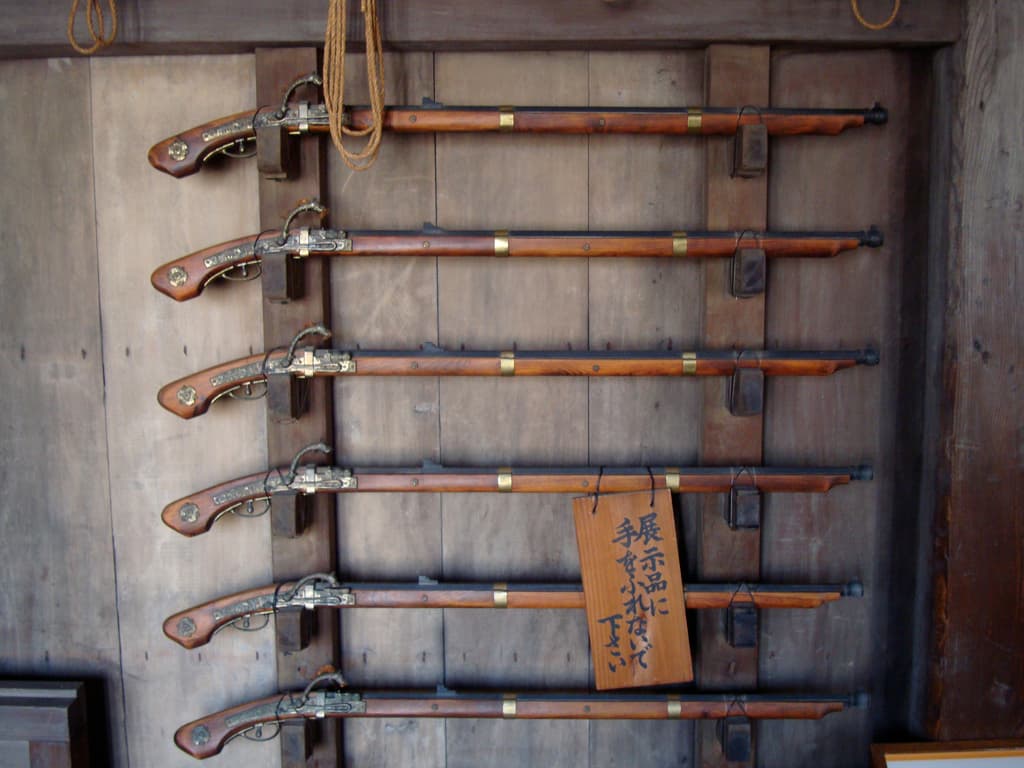
Over the years the gun laws only became more restrictive. Rifles were still allowed for hunting, after applying through a very restrictive process. On the other hand, civilians were not permitted to possess handguns except for researchers conducting testing or research.
What's more, when a gun owner dies, relatives must give up the firearms owned by the recently deceased gun-owner, and are not permitted to inherit the firearms.
Gun laws in Japan are so prohibitive, that even police officers must leave their guns at the station when off duty.
Trusting The Process
Because of these laws, there is very little gun violence in Japan, since almost no one is allowed to have one. There is still plenty of violence and crime in the country, but typically not through the use of guns.
By that metric, the gun control laws in Japan are very successful. But then again, there is also very little tank-related homicides in countries where civilians have a difficult time obtaining tanks.

Our Most Popular Posts

USA! USA!
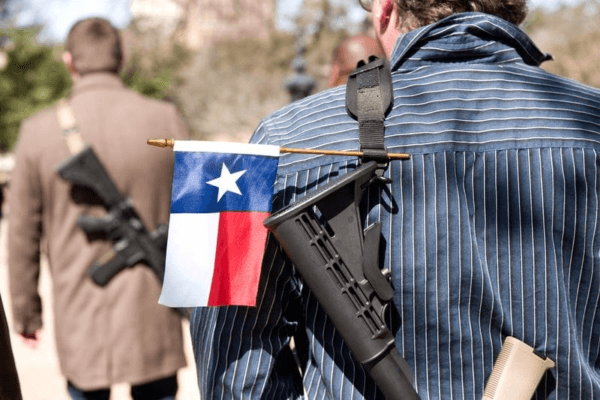
Thanks to the Second Amendment, there has always been a great amount of push back against any attempt to confiscate or “buy back” guns from the civilian population in the United States.
The most famous attempt at gun confiscation occurred in Texas, though technically Texas was not part of the United States at the time.
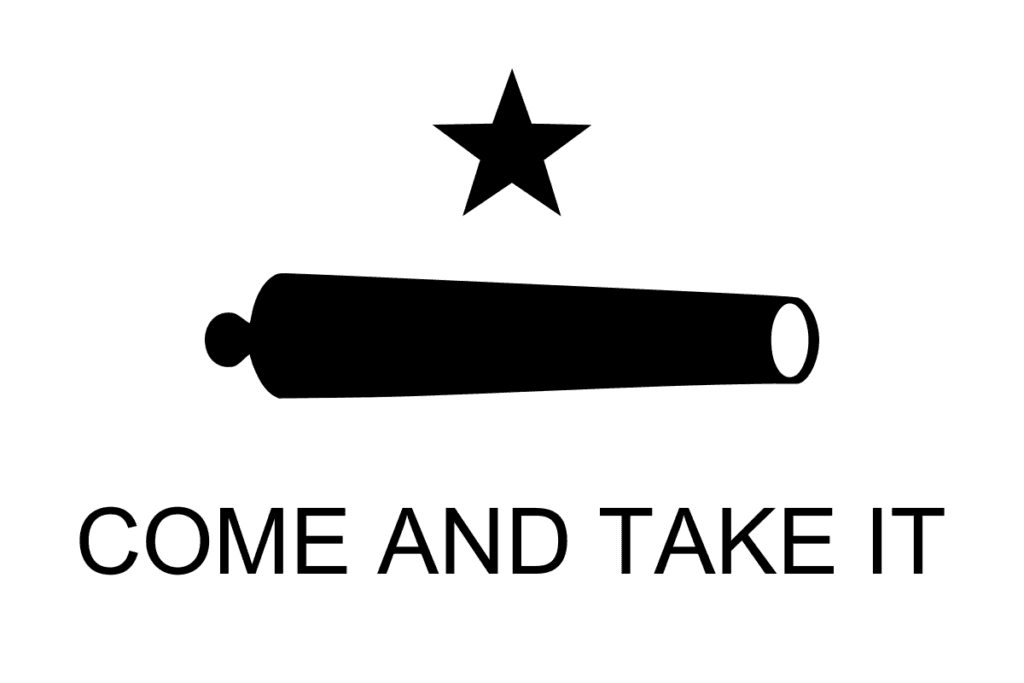
Now known as the Battle of Gonzales, arose when the Mexican military demanded the settlers of Gonzales, Texas return a cannon that had been previously provided to them by the Mexican government for protection against Comanche raids.
The settlers were able to fend off the Mexican military, which eventually withdrew its forces, and led to the famous “Come And Take It” flag flown by 2A enthusiasts all over this great country.
They’re Coming For Our Guns!
Fortunately, there have not been any large-scale attempts at gun confiscation or buyback programs in the United States. Because of Section IX of a little thing called the U.S. Constitution, federal and state governments are prohibited from passing ex post facto laws.
In other words, new laws cannot retroactively make previously legal activities illegal.

For gun owners, this means that newly passed laws cannot make previously legal possession of firearms illegal just because possession of those firearms going forward has been made illegal by any new laws.
That fact alone plays a big part in why there will likely not be any sort of mass confiscation of firearms in the United States.
Even when the Assault Weapons Ban of 1994 was passed, enacting a 10-year ban prohibiting the manufacture, transfer, or possession of “semiautomatic assault weapons,” the law contained a grandfather clause to permit the possession or transfer of weapons and ammo that were legal before the law went into effect, so there were no confiscation or mandatory buyback programs.
Another Way Around
Even though confiscation and mandatory buyback aren’t permitted, that doesn't mean voluntary buybacks aren't allowed. The City of Baltimore initiated a buyback program in 1974 in an attempt to address its rising firearms-related homicides.
The program didn’t go as well as hoped, as the cities gun homicide and assault rates actually increased during the buyback period.

It's important to note, however, that there are gun confiscations occurring in the country, just not on a large scale. In states with red flag laws, there are situations where firearms owners can have their guns confiscated for a period of time.
We won't get too much into detail on that in this article, but you should definitely check out our red flags law article to learn more about those laws being enacted by states across the country.
Political Pressure
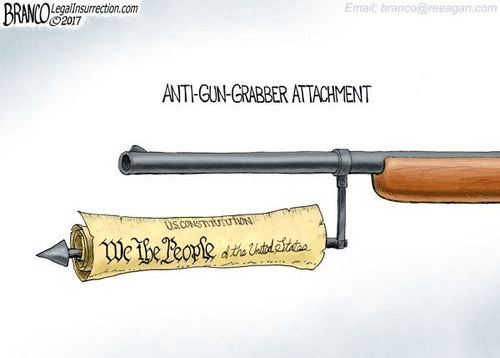
Of course, politicians, and even some presidential candidates in the current election cycle, don't let little things like the US Constitution get in the way of taking away our guns, for our own protection of course.
Politicians seem to forget one little detail, however, that passing laws regulating guns only works when people follow those laws.
Criminals, on the other hand, will just continue to ignore gun regulations the same way they ignore laws on robbery, assault, and even murder.
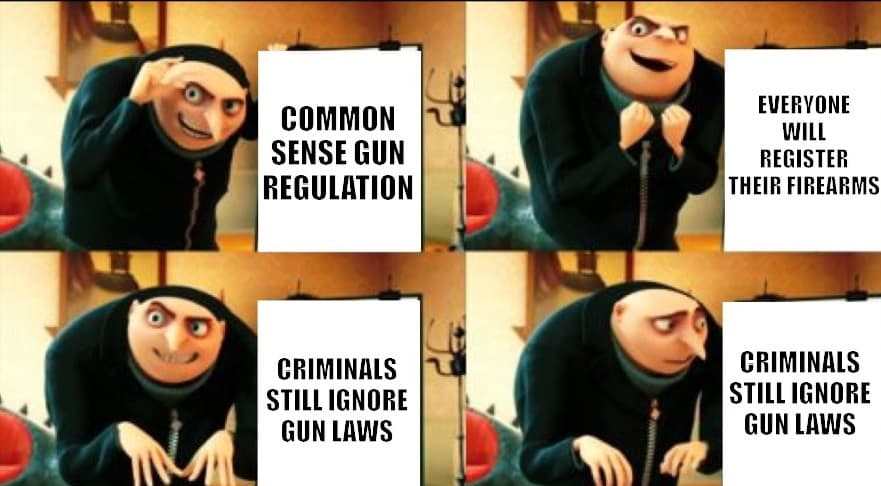
Passing more laws making murder super illegal won't stop criminals from continuing to kill innocents, the same way new gun laws won't stop criminals from illegally bringing firearms into gun-free zones.
Many advocates of gun control argue that voluntary buyback programs will get many guns off the streets, making them much safer for everyone. Unfortunately, the history of buybacks in this country argue otherwise.
In fact, the types of guns confiscated in buybacks aren't the ones typically used in crimes.
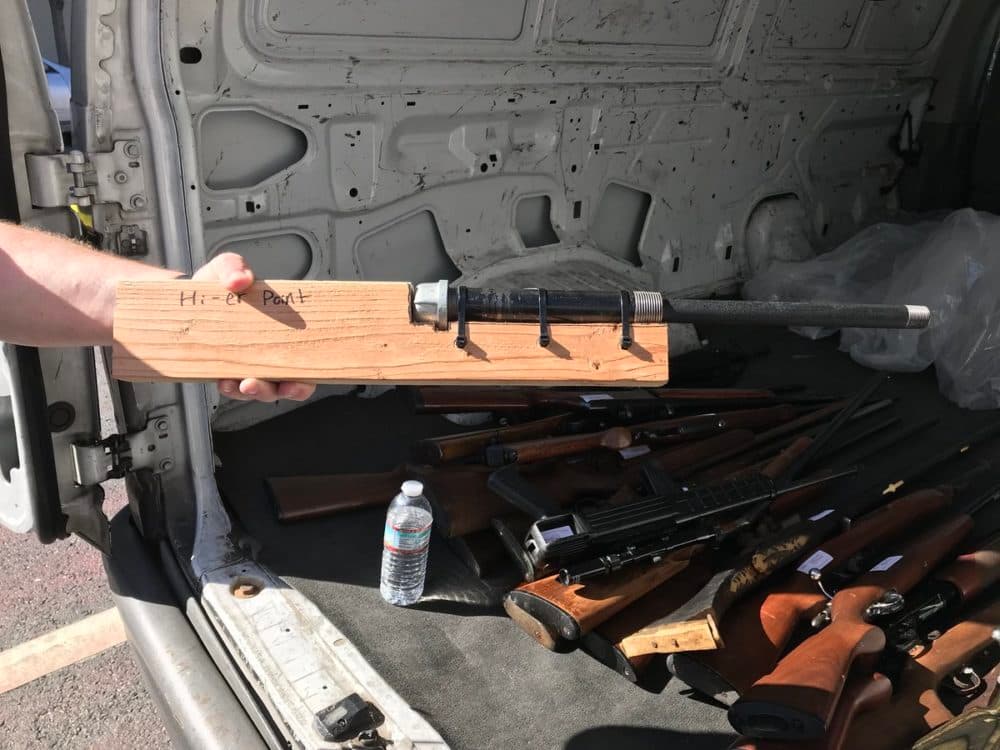
Guns collected at buyback events are usually nonfunctioning guns or guns that were sitting unused, such as inherited firearms.
Some entrepreneurial individuals even take advantage of buyback programs and make their own guns to hand for a nice profit.
So What’s The Solution?
There are many arguments on how to address the issue of firearms-related homicides in the US, but confiscation and forced buybacks should be at the very bottom of the list.
Aside from the legal issues surrounding forcibly taking away legally-owned firearms, there might not be too many members of law enforcement willing to go door-to-door demanding people hand over their guns.
Even from the few countries mentioned in this article, it’s pretty clear that simply banning firearms and confiscating them does not definitively have any impact on firearms-related homicides, nor homicides in general.
Ultimately, the problem to be solved is likely not a gun problem, but a crime problem in general.
Until we can all agree on the best way to address the root of the problem, the best thing we can do is to stay armed, keep practicing, and support the 2A groups that continue to protect our rights everyday.
Interested in learning more about international gun control? Let us know in the comments! Until all crime is solved, you should have your own protection with you -- take a look at our Definitive Guide to Concealed Carry.