What Happened to the HK XM8?
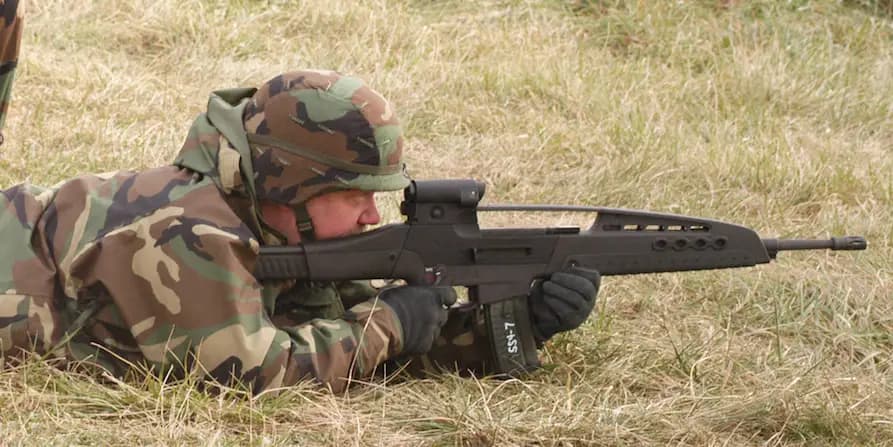
HK's XM8 popped up in movies, TV shows, and video games and was often seen as the elite super-soldier's rifle...so what happened to it?

USMC Veteran. Concealed Carry & NRA Pistol Instructor. 3-Gun Competitor. Career firearms writer
We review products independently. When you buy through links on our site, we may earn a commission to help support our testing. Learn more.
If there was a gun that defined the mid-2000s, it was the XM8.
The XM8 seemed to grace the cover of every Tom Clancy game between 2005 and 2013. It popped up in movies, TV shows, and more and was often seen as the elite super-soldier's rifle.
Ghost Recon showcased it, Rainbow 6 featured it, and even Solid Snake carried it.
The tactical tuna was seemingly the future of assault rifles. HK was riding high, but like the best “Behind the Band” episodes, it all came crashing down.
Kind of…
Table of Contents
The Early Origins of the XM8
The United States military has been trying to replace the M16/M4 series of rifles since they were adopted. Many challengers have come and gone, but the XM8 stands out because it actually achieved an XM designation.
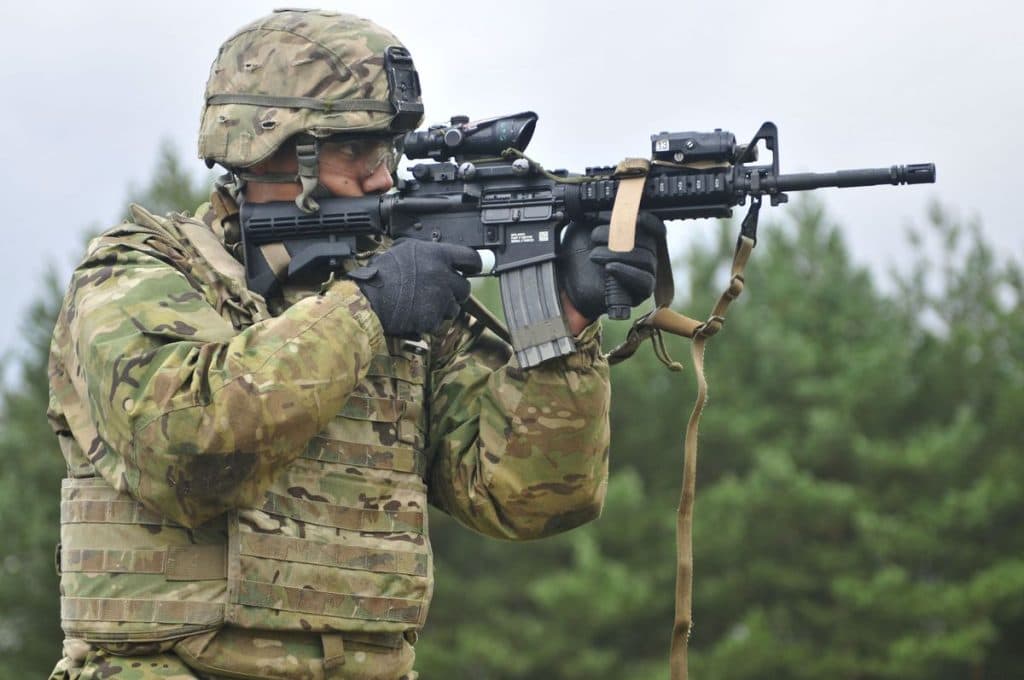
XM means experimental model and is a term given to weapons when they are being considered for adoption.
It’s not a new story by any means, but the U.S. Army was shopping around to replace the Stoner design and had been working on a project called the XM29 OICW (Objective Individual Combat Weapon).
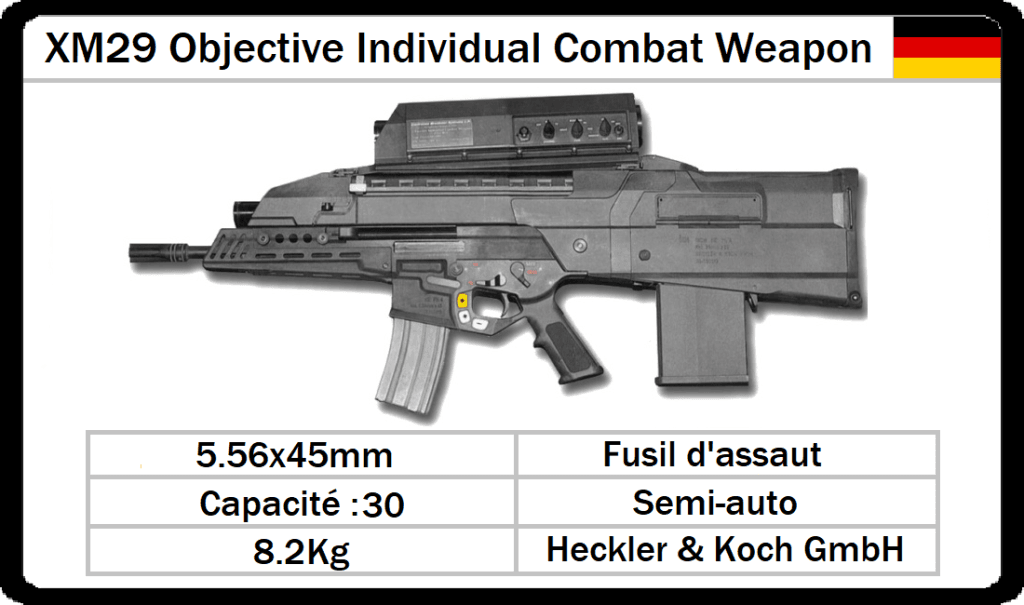
I won’t dive deep into the OICW, but it was essentially a grenade launcher with an under-mounted rifle. Big Army killed the OICW project but wanted to test out the rifle that was attached to it.
HK worked on the OICW and developed that standalone rifle for the program. When they began developing the XM8, they took much inspiration from their G36. According to Larry Vickers, many parts look the same but are not interchangeable between the two rifles.
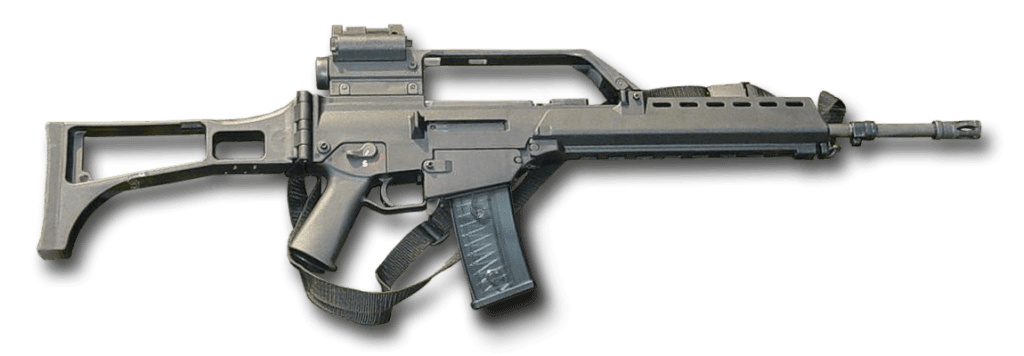
While the parts are similar, they are dimensionally different, although the magazines are interchangeable.
HK delivered 30 prototypes of the XM8 in November 2003 for testing. Like the G36, this was a gas-operated rifle with a short-stroke gas piston. Another 200 were subsequently ordered for testing.
The XM8 Promise
At this point, the M16 was still fairly common as an infantry rifle. The M4 was establishing some dominance, but 20-inch barrels ruled the roost. I mention that because the standard XM8 had a short barrel at 12.5 inches.
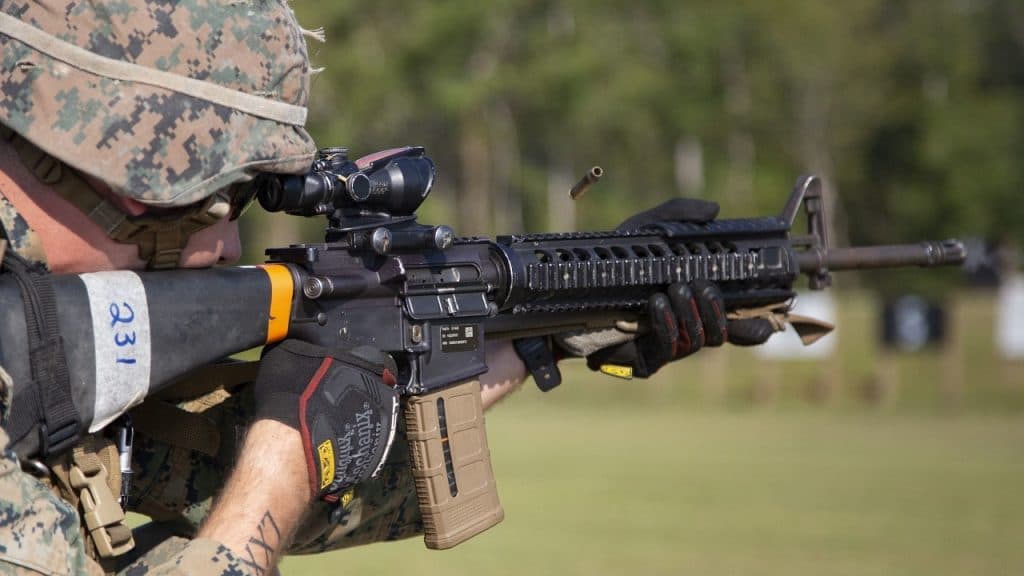
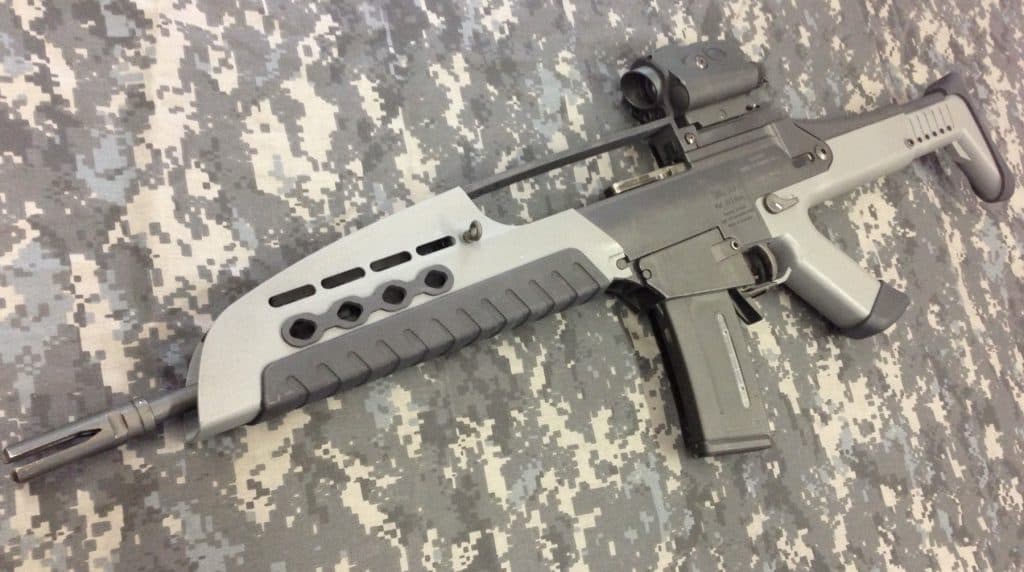
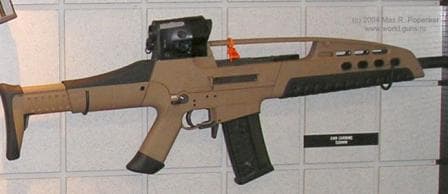
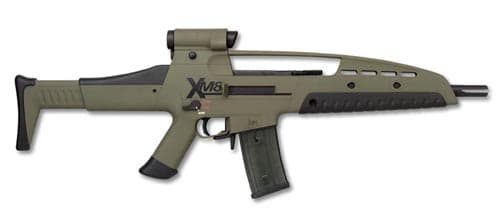
That’s below typical carbine lengths, and at 33 inches overall, it was handy. The stock could both collapse and fold. Although the gun made extensive use of polymers, it still weighed 7.5 pounds.
HK designed the rifle with ambidextrous controls, which is certainly an improvement on the M4 family of rifles. And honestly, the general shape makes it something more akin to a Star Trek phaser than an infantry rifle.
The XM8 featured some fairly advanced features, including an integrated red dot/IR laser produced by Insight and a rail system known as PCAP.
PCAP stands for Picatinny Combat Attachment Points. This system allowed soldiers to place the rails right where they needed them. It’s a modular rail that predates M-LOK and Keymod.
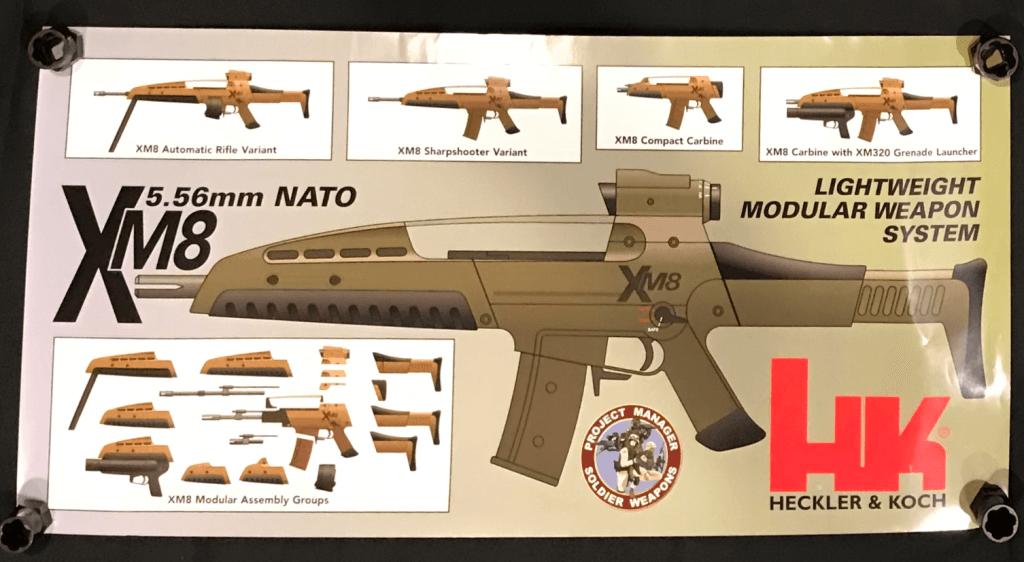
The XM8 wasn’t just a single rifle, either. HK promised an entire family of guns, including a sharpshooter variant, an automatic rifle variant, and a compact carbine.
In 2003 the gun seemed fairly advanced but had its fair share of complaints.
The optic kind of sucked. Battery life was terrible, and that was a big complaint. Larry Vickers reportedly told HK they should partner with Aimpoint, but his wisdom was ignored.
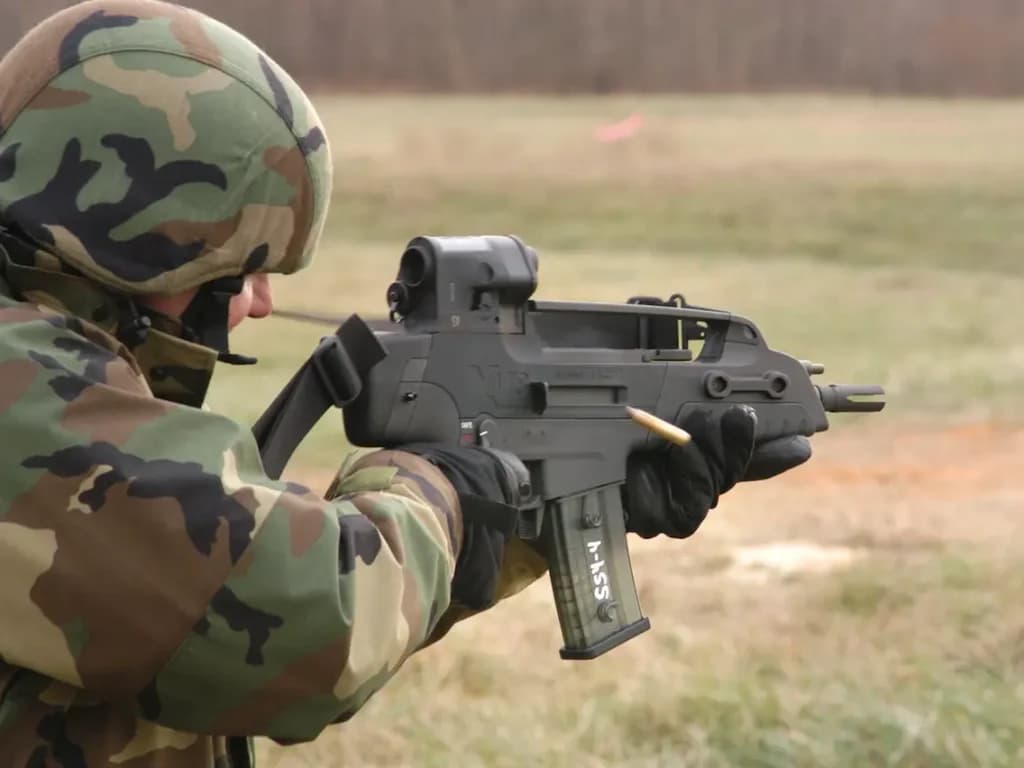
Other complaints included the fact the gun was heavy. And oh, the handguards were melting when round counts got higher.
Controversy Arises
The Army wanted $26 million to field 7,000 XM8s for long-term testing. Congress said, ‘Nah, dog.” They decided Heckler and Koch were stepping on the toes of American arms makers like Colt and even companies like FN with U.S.-based facilities.
Other arms makers wanted a shot at creating a new rifle for the U.S. Army. They complained and wanted an open contest, which led to the Army halting the program in 2004.
In 2005 they released a formal Request for Proposals (RFP), so everyone got a chance to play. The RFP asked for both a rifle and a Squad Automatic Weapon. By July 2005, the program was halted, and by October, the RFP was canceled entirely.
Over the next few years, the XM8 would pop up in various tests, including the SCAR program. It did well in a dust and reliability test in 2007 but languished in any further testing by the U.S. Military.
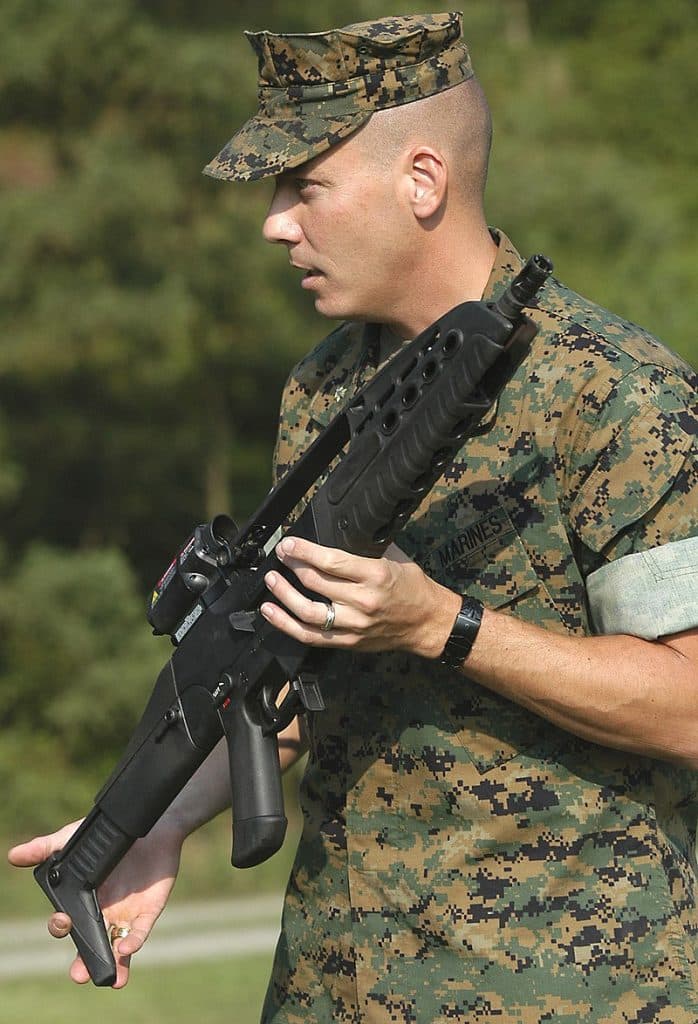
Eventually, the road for the XM8 just ended, and the M4 series of rifles remained the standard.
What Became of it?
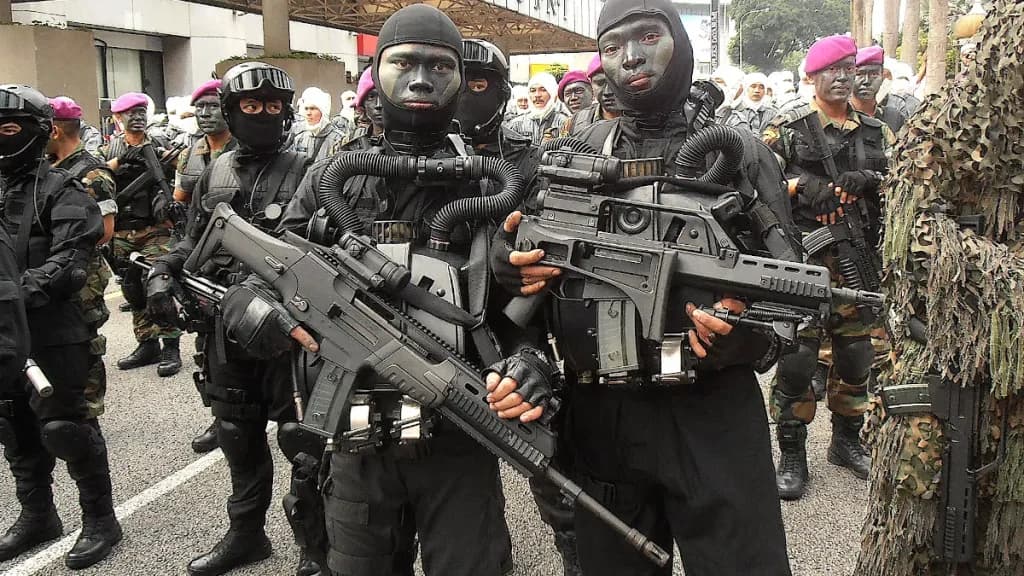
Well, not much. The Malaysian Armed Forces adopted the rifle for their PASKAL Special Operations unit. If you google PASKAL Parade, you can see it on parade in Malaysia. That’s about as far as the XM8 went.
HK’s 416 proved much more successful and saw adoption by elite special operations and the United States Marine Corps. These days the XM8 is relegated to being “that gun from Ghost Recon.”
Final Thoughts
While the XM8 had some genuinely good features, there were ultimately too many roadblocks to success.
Issues during testing, red-tape bureaucracy, and the military’s unwillingness to step away from AR-based platforms ultimately doomed the XM8 to its eternal video game status.
What are your thoughts on the XM8? Let us know in the comments below! Interested in other guns that vied to replace the M16/M4 platform? Check out our article on the M27 Marine Infantry Rifle.