
Wartime Weaponry: Weird Guns of the Vietnam War
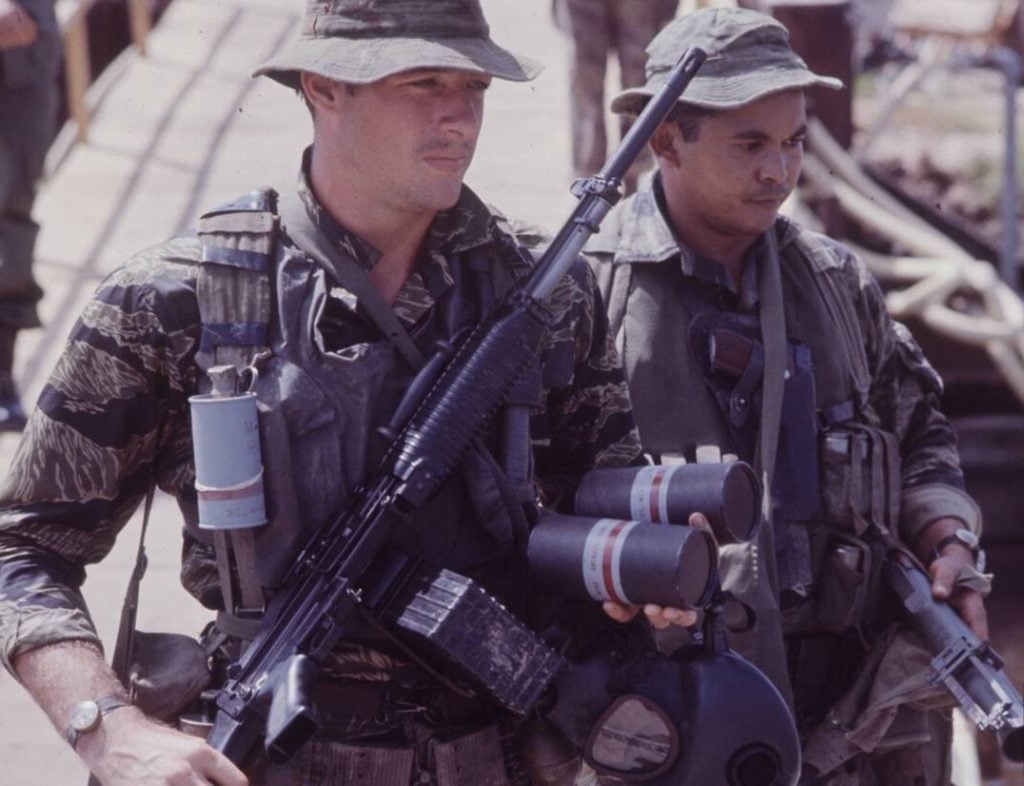
We've got a rundown of a few of the weird firearms developed and used by US soldiers and special forces during the Vietnam War.
We review products independently. When you buy through links on our site, we may earn a commission to help support our testing. Learn more.
What would the world be without weird weapons?
Strange weapons can often lead to innovation. Other times, they are just weird — but weird can be good.
The Vietnam War, in particular, was the home to many odd weapons. Most of these fascinating weapons were created to solve the unique problems soldiers faced during the war.
So why did this war attract so many odd weapons?
Trending: Best AR-15s Under $1000 & Best Pistol Lights
Why The Weird Weapons?
I can only speculate, but there are several compelling reasons why many of these weapons popped up in Vietnam.
First, we were a conventional fighting force in an unconventional war. Vietnam was the first extended unconventional, asymmetric warfare we engaged in.
This leads to new problems, and as they say, modern problems require modern solutions.
Additionally, both previous World Wars created a military-industrial complex. For better or worse, companies were now competing at length for military contracts to supply new weapons and solutions to our fighting force.
Weird Pistols
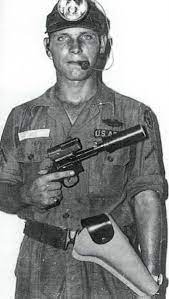
Quiet Special Purpose Revolver
Imagine crawling in the dark through a tunnel created by people trying to kill you.
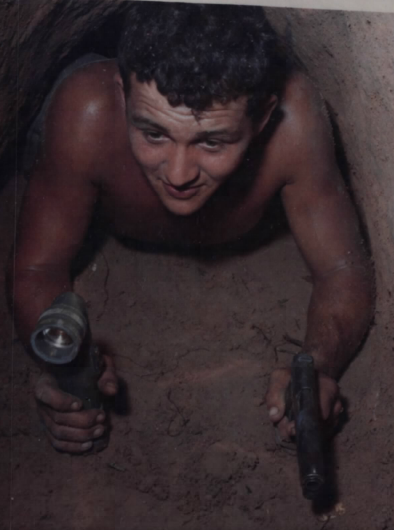
The tunnels were too tight for long guns, so soldiers were stuck with pistols. Shots were deafening in close quarters, and the muzzle flashes were blinding.
With the M1911, soldiers might expend all seven rounds rapidly, hoping to hit the enemy once before running empty.
To circumvent this, the military wanted a weapon that fired multiple projectiles at once, weighed less than 40 ounces, and was reloadable.
AAI took the .44 Magnum S&W Model 29 and developed the Quiet Special Purpose Revolver. The barrel was trimmed to nearly nothing, and what was left of the barrel was a smoothbore.
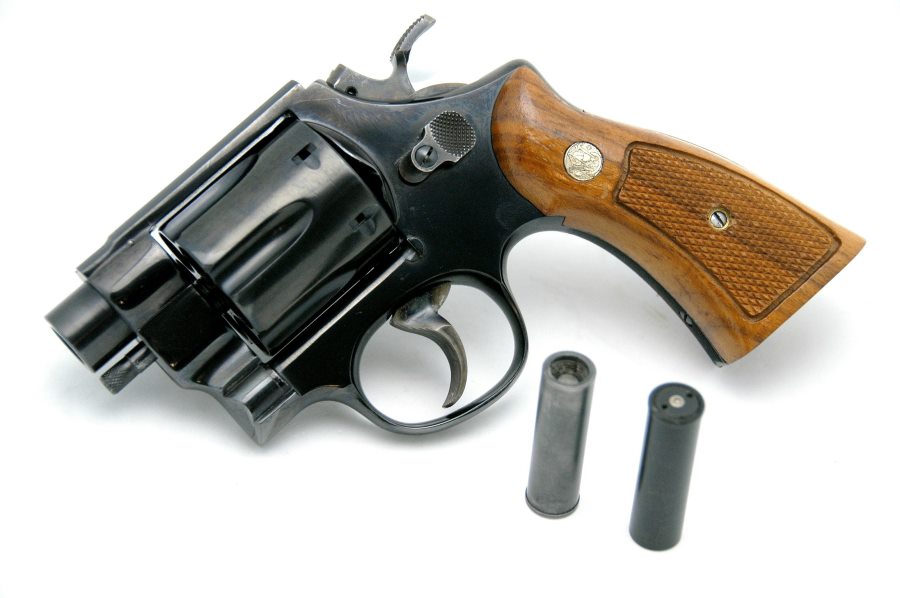
A special round called the 10mm QSRP was developed. These rounds held 10 small pellets, increasing a soldier's hit potential.
Each round also doubled as a disposable suppressor. The way it worked is fascinating. First, the primer would ignite the gunpowder, which would propel a piston.
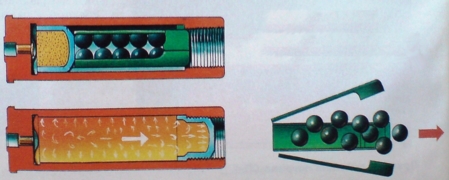
That piston propelled a sabot that contained the pellets. The sabot would break through the first seal and propel the shot. At the same time, the piston would then reseal the cartridge.
The vast majority of the explosion and muzzle flash was diverted with this system. It wasn't as effective as a dedicated suppressor, but it beat an unsuppressed 1911.
The gun saw some action, with Ranger Team Oregon scoring a confirmed kill with one.
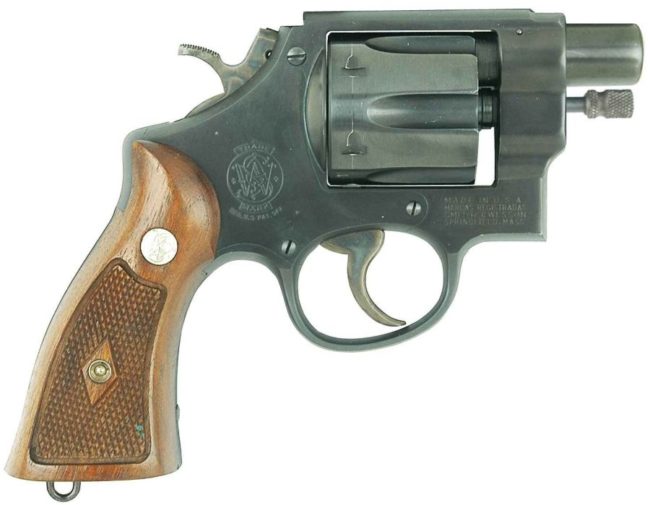
However, the gun had problems, although it's not entirely clear what they were. When the war ended, so did the need for tunnel weapons, and the QSPRs faded away.
Mk 22 Mod 0 'Hush Puppy'
Vietnam saw the rise of numerous Special Operations units and is often considered the birth of modern special forces.
Teams like the Green Berets, Force Recon, and the newly formed Navy SEALs gained much of their fame here.
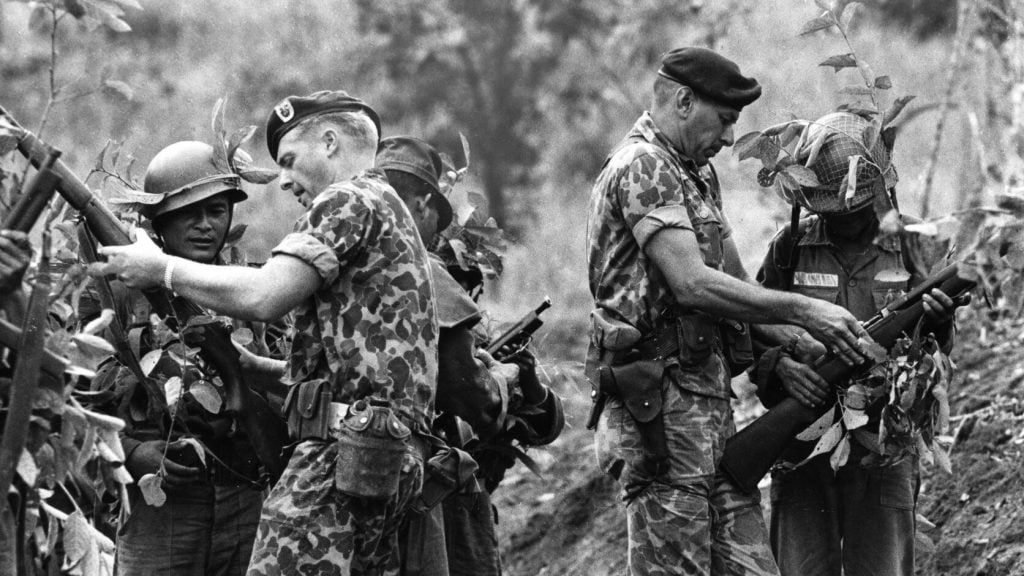
These special operations units needed a quiet weapon to eliminate sentries and guard dogs.
Suppressed weapons already existed, but they weren't quiet enough. Rifles had that supersonic crack, and handguns like the 1911 had the loud noise of a cycling slide.
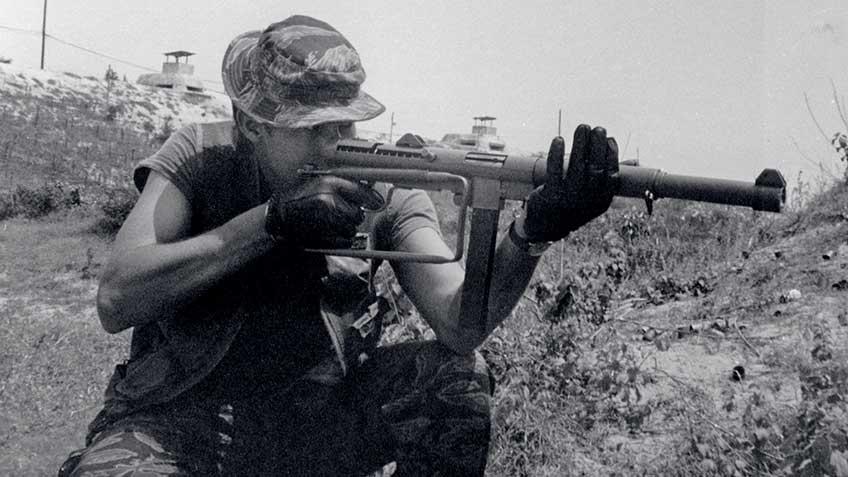
The men at the Naval Ordnance Laboratory developed the Mk 22 Mod 0 Hush Puppy to reduce the firing noise as much as possible.
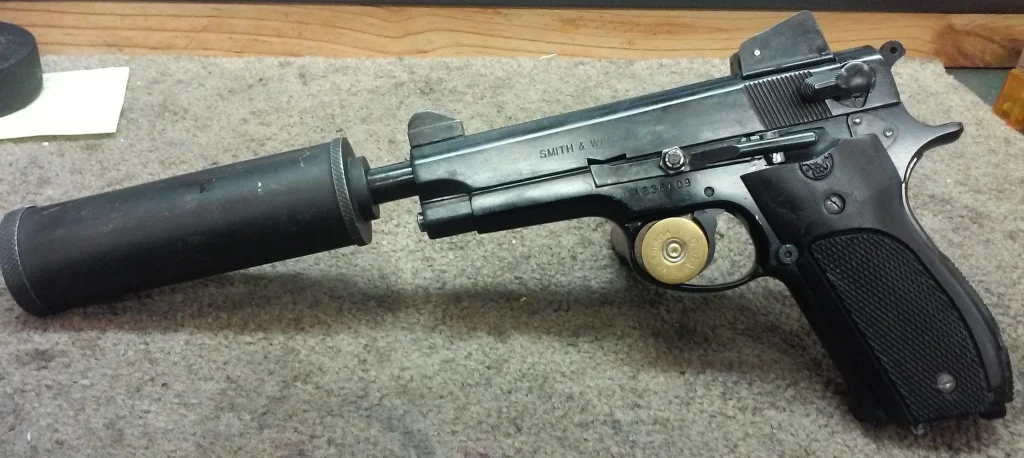
SEALs loved the S&W 39 9mm pistol, wielding both the standard models and a unique 14-round capacity version. This pistol would be used as the basis for the Hush Puppy.
Armorers added a threaded barrel suppressor height sights, and a suppressor was issued beside the gun. Not too weird, right?
Subsonic 158-grain rounds were used to eliminate the supersonic crack associated with most 9mm rounds.
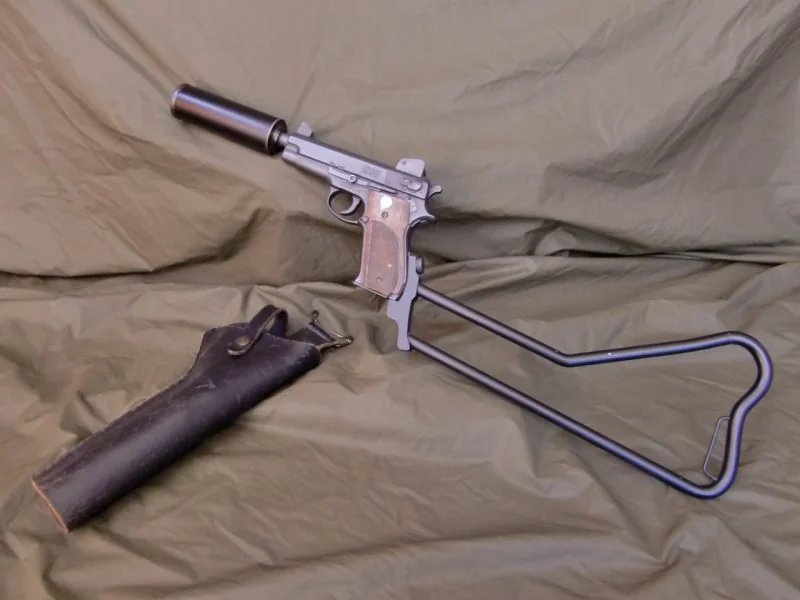
To prevent the noise of the slide cycling, a slide lock was installed. This stopped the slide from cycling, making it a single-shot weapon. An optional stock was issued to ensure that each single shot was as accurate as possible.
The Hush Puppy was a niche weapon that allowed the silent removal of enemy forces, guard dogs, and more. SEALs clung to the Hush Puppy until the 1980s.
The Best Gun Deals, Coupons and Finds
Subscribe to Pew Pew Tactical's sales and deals email.
Weird Shotguns
Remington 7188
Shotguns were surprisingly effective during the Vietnam War. The dense jungle made the shotgun an effective choice in low-visibility and close-quarters firefights.
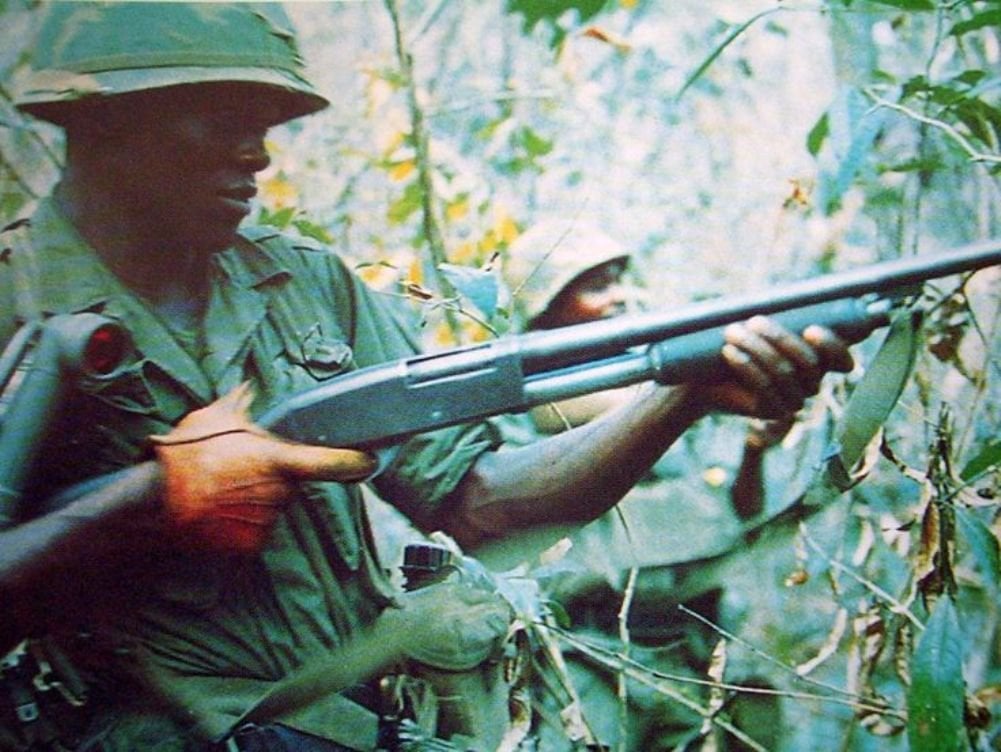
While shotguns were great, they had a slow rate of fire. Naturally, Special Operations personnel wanted something a little faster. By a little faster, I mean faster than semi-auto.
Armorers modified Remington 1100s into select-fire shotguns. These guns were also fitted with rifle sights, ventilated handguards, and wood furniture — and the 7188 was born.
They had a firing rate of about 400 rounds per minute at full auto, equal to about seven rounds a second.
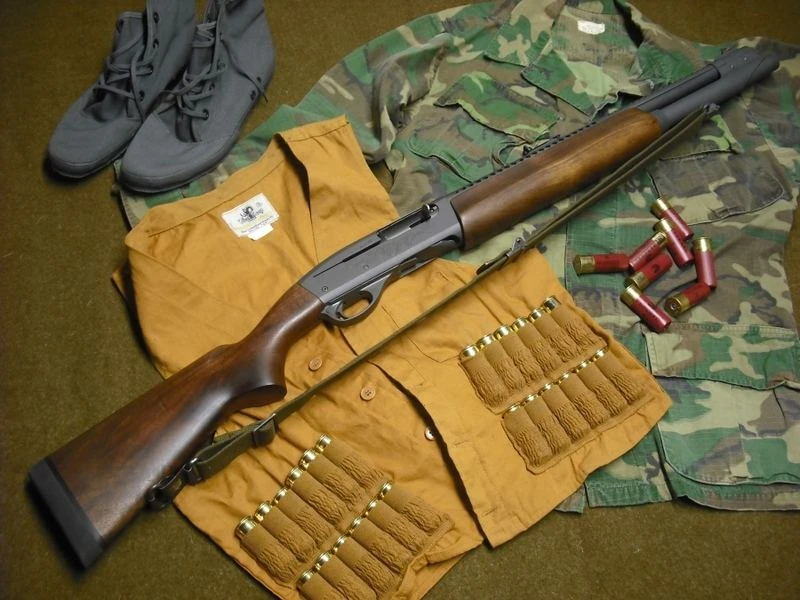
Although its use would likely be limited due to the heavy recoil, it would be incredibly handy if ambushed by delivering an overwhelming amount of fire in a very short period.
Three models were made. The 7188A2 ditched the rifle sights for a bead sight, and the 7188A3 ditched the ventilated handguard.
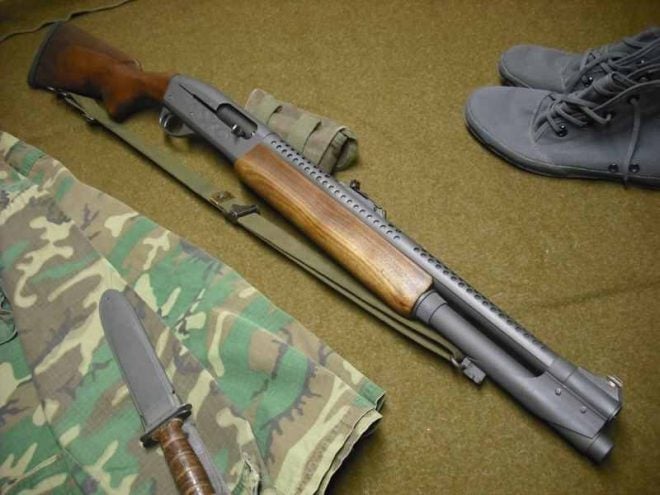
Even after revisions, the weapon had a weakness. If it got dirty, it would fail. The jungle is a dirty place and is hard on guns. As a result, the 7188 didn’t have a long service life.
Childers' SOW
Even though the Model 7188 failed, the idea of a full-auto shotgun remained.
A Naval Surface Warfare Center engineer named Carrol Childers worked tirelessly to create the best weapons possible for the men on the ground.
Childers was reportedly a magazine master and gun enthusiast. He had been to Vietnam and met with Force Recon Marines who wanted something better than the pump guns they were using.
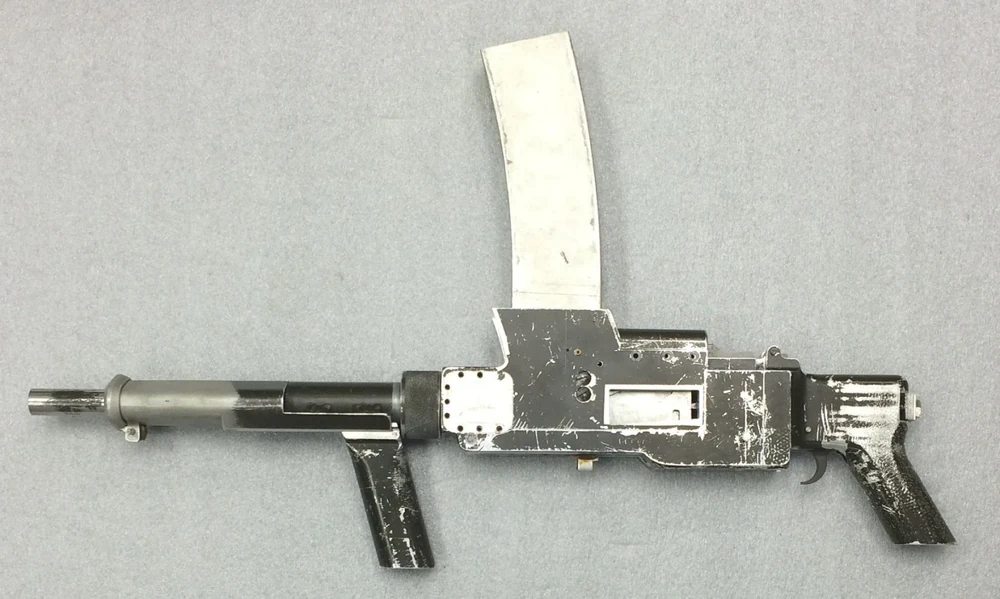
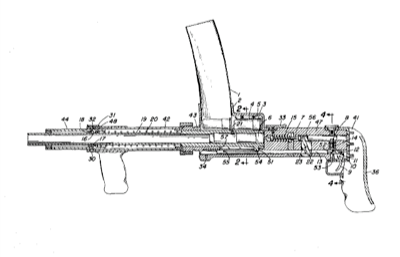
Consequently, he designed and patented the SOW, or Special Operations Weapon — a magazine-fed full-auto shotgun.
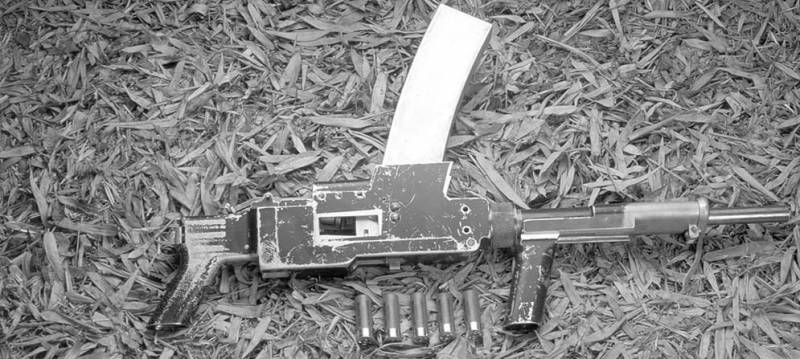
This big blocky beast used a top-feeding magazine and lacked a stock. The design encouraged hip firing and had two pistol grips. The top feeding magazine held 10 or 20 rounds and could fire in semi or full auto.
Users could also load special rounds directly into the barrel and fire them, including frag rounds that could be up to 8 inches in length.
Internally, the gun utilized a moving-barrel blow-forward design coupled with a very controllable 200 rounds per minute rate of fire.
It's unclear if any of these guns made it to Vietnam. Some sources claim they did. Others, including Childers, claimed the system didn't go too far.
Weird Rifles
Our Most Popular Posts


Silent Sniper System
Silence is golden, and for snipers in Vietnam, remaining undetected could mean the difference between life and death.
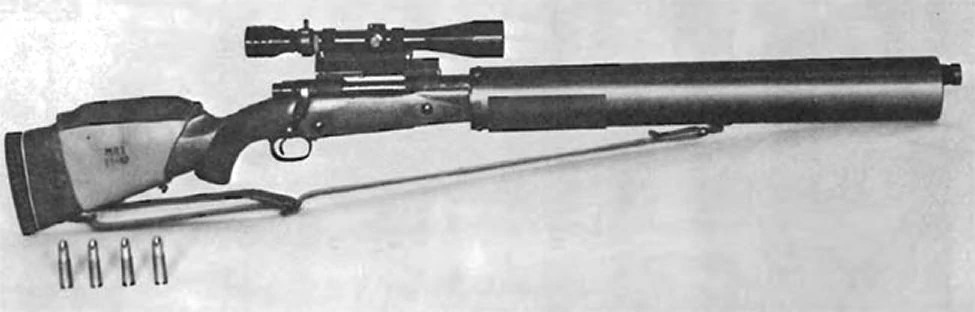
As such, the military sought a supremely quiet and powerful sniper rifle. The weapon was dubbed the Silent Sniper System.
The result was a Winchester Model 70 that used an integrally suppressed barrel. It fired a subsonic 458 x 1.5-inch round weighing 500 grains.
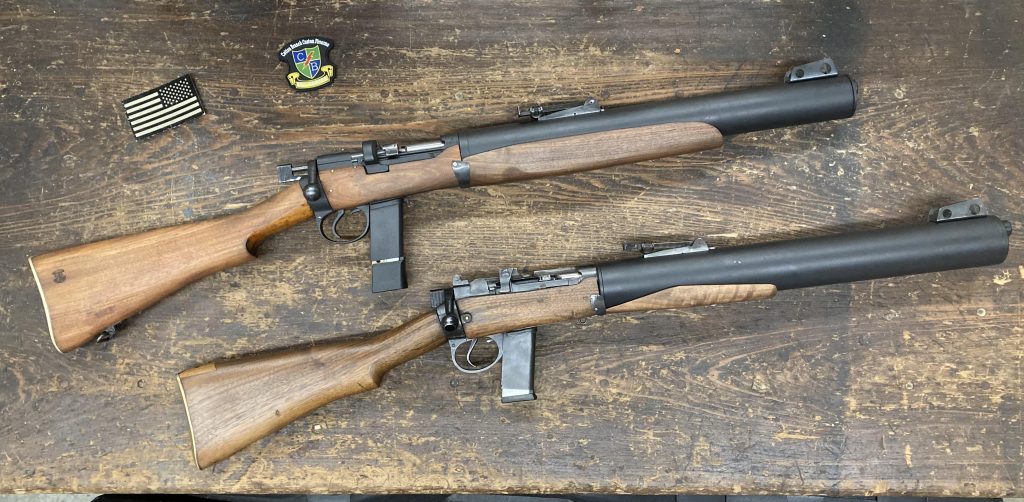
Development had a strict requirement for sound, and the gun needed to be completely silent to anyone outside 100 yards. Predictably, the 500-grain projectile had a relatively short range, relegating it to silent close-range precision shots.
I had the honor of speaking to the Sergeant Major and OIC of the Vietnam Sniper School, where the rifle saw its first tests.
These men were Lones Wigger Jr., an Olympic champion shooter with 27 world records. The second was Sgt Major Burl Branham, who'd served as a sniper for most of his career, including his time in Korea, and he fed my listening ears many a story.
Both men told me that the rifle performed extremely silently but was inaccurate beyond 100 yards or so. Plus, it was heavy at 14.5 pounds and was 45 inches long overall, hindering stealth movement.
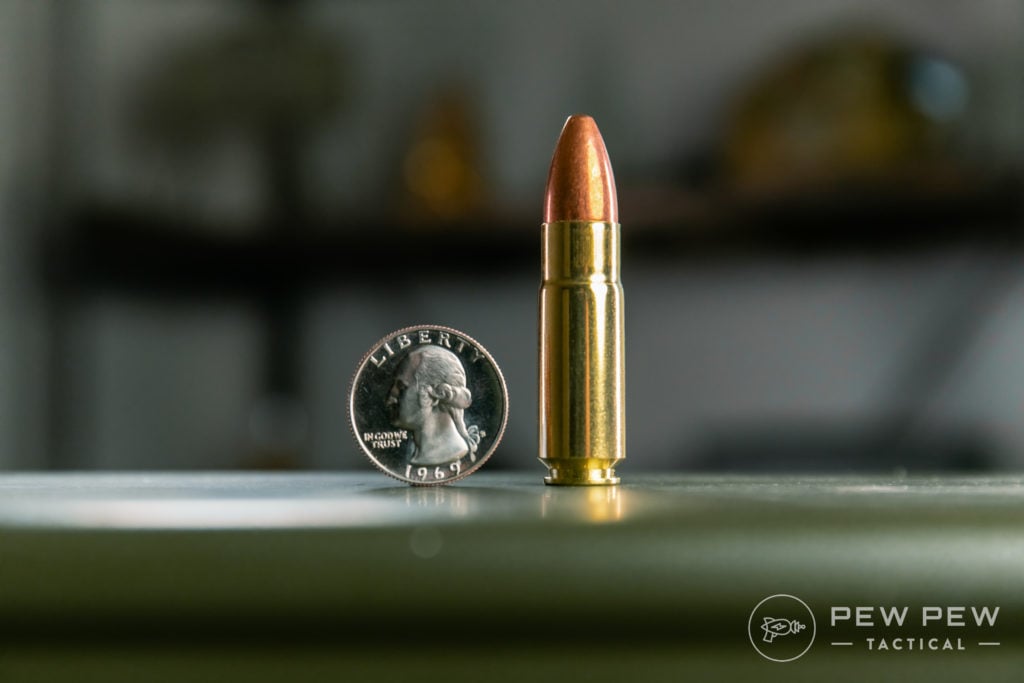
The Silent Sniper System never saw action, and only six models were ever produced. It should be noted that the 458 x 1.5-inch would later inspire the .458 SOCOM round.
Stoner 63
When the most normal gun on the list is the Stoner 63, you know you're in eclectic company.
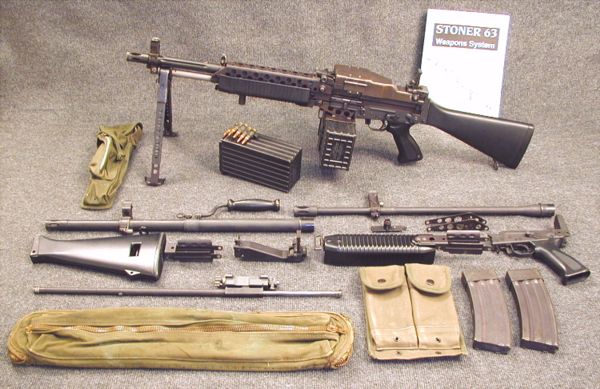
After Eugene Stoner revolutionized small arms with the AR-10 and AR-15, he decided to try to do it again. He produced the Stoner 63, a multi-role weapon with numerous configurations.
The receiver system allowed units to configure the weapon like a rifle or carbine, an open bolt, a top-feeding automatic rifle, or a belt-fed light machine gun (LMG).
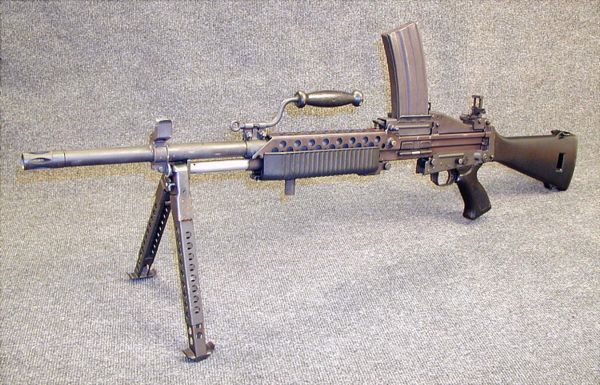
Armorers simply needed to flip the receiver over to convert the weapon from rifle to LMG configurations.
The Stoner 63 saw adoption by Navy SEALs, who loved the belt-fed 5.56 LMG variant. It predated the FN Minimi and the M249 SAW by decades and provided a lightweight squad support weapon.
Marine Corps infantry units tested the Stoner 63 as a rifle, automatic rifle, carbine, and LMG. They disliked the automatic rifle but found value in the other configurations.
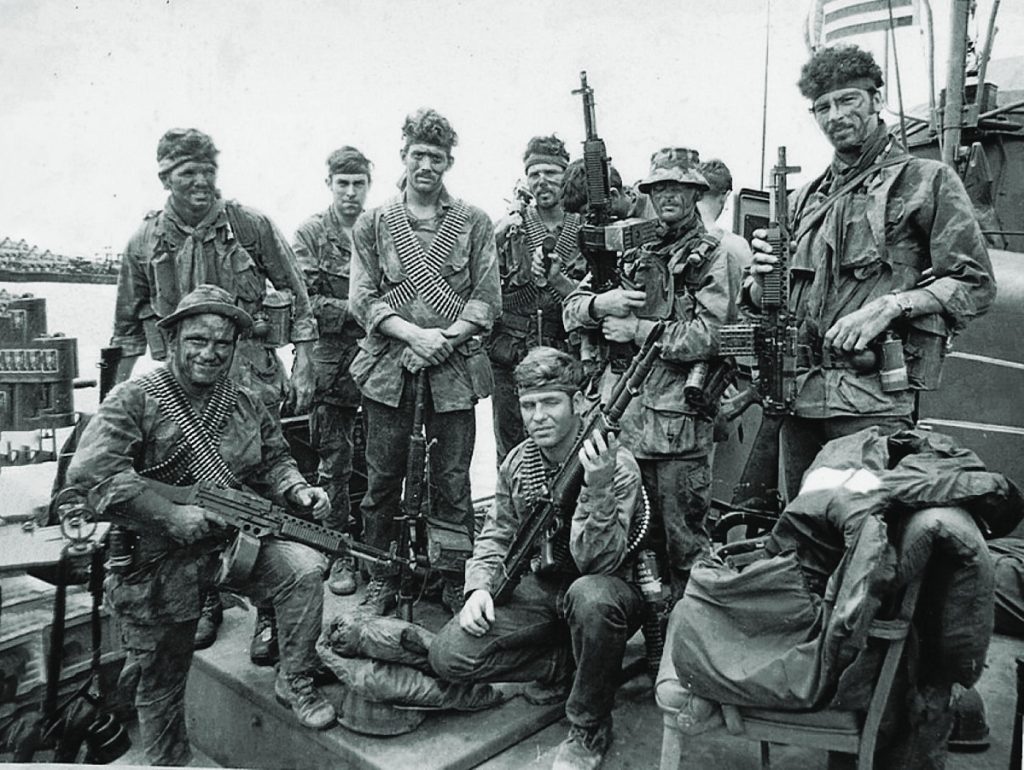
However, the weapon proved to be finicky, with environmental factors and poor maintenance practices causing reliability issues. Despite this, the LMG variant 63 proved to be popular and remained in the SEAL armory well beyond Vietnam.
Final Thoughts
The Vietnam War saw tons of interesting weapons and concepts arrive.
From 5.56 carbines to light machine guns, Vietnam changed how wars were fought. Gone were the days of conventional warfare.
While there were a lot of weird guns that came about, these five stand out the most to me. Are there any guns that I am missing? Let us know your thoughts in the comments below! Be sure to also check out our article on the 7 Most Important Guns of the Vietnam War.