
IWB vs. OWB: Which Should You Choose for CCW?
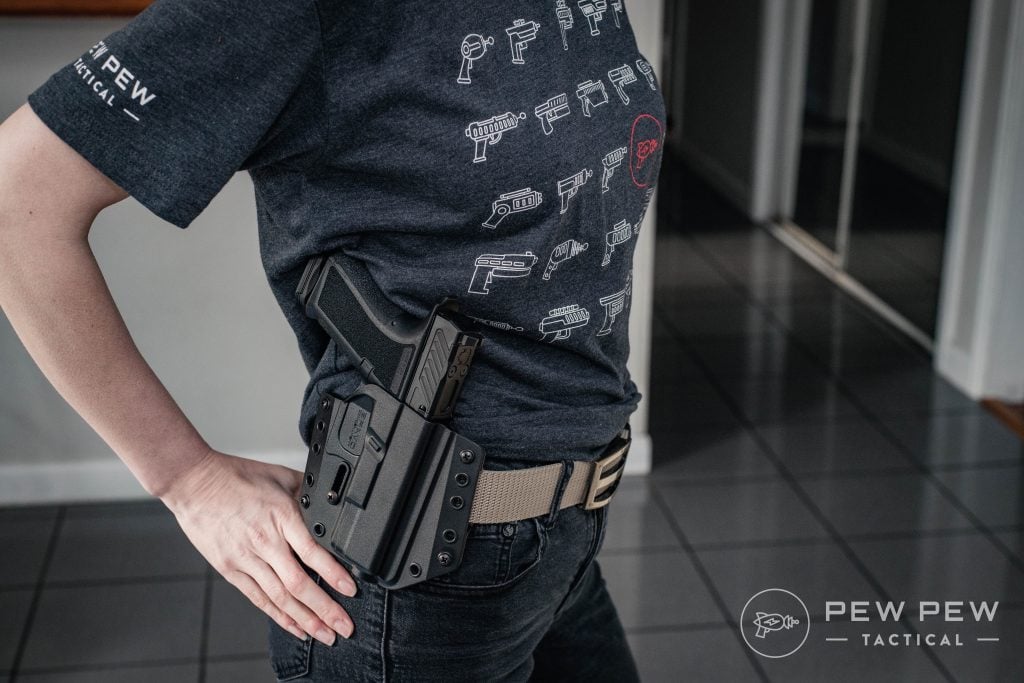
We take a look at the difference between Inside the Waistband carry and Outside the Waistband Carry to see which is the best for CCW.
We review products independently. When you buy through links on our site, we may earn a commission to help support our testing. Learn more.
While we tackled strong side carry a few weeks back, we've yet to really delve into IWB vs. OWB.
Namely, which you should choose.
Today, we're going to look at just that.
We'll take a quick tour of OWB and IWB, talk about the pros/cons of each, and help you decide which you should consider.
If you're looking for more guidance on the IWB vs. OWB debate, check out Brownells' Daily Defense for a thorough evaluation of which method works best.
Table of Contents
Trending: Best AR-15s Under $1000 & Best Pistol Lights
IWB and OWB: What's That Mean?
IWB and OWB both share the commonality of being forms of strong side carry -- meaning that they are carried on the dominant side, usually in the 3, 4, or 5 o'clock position.
For more on strong side carry, jet over to our article dedicated to this method.
Though they both occupy the same placement on the body, they go about things in slightly different ways.
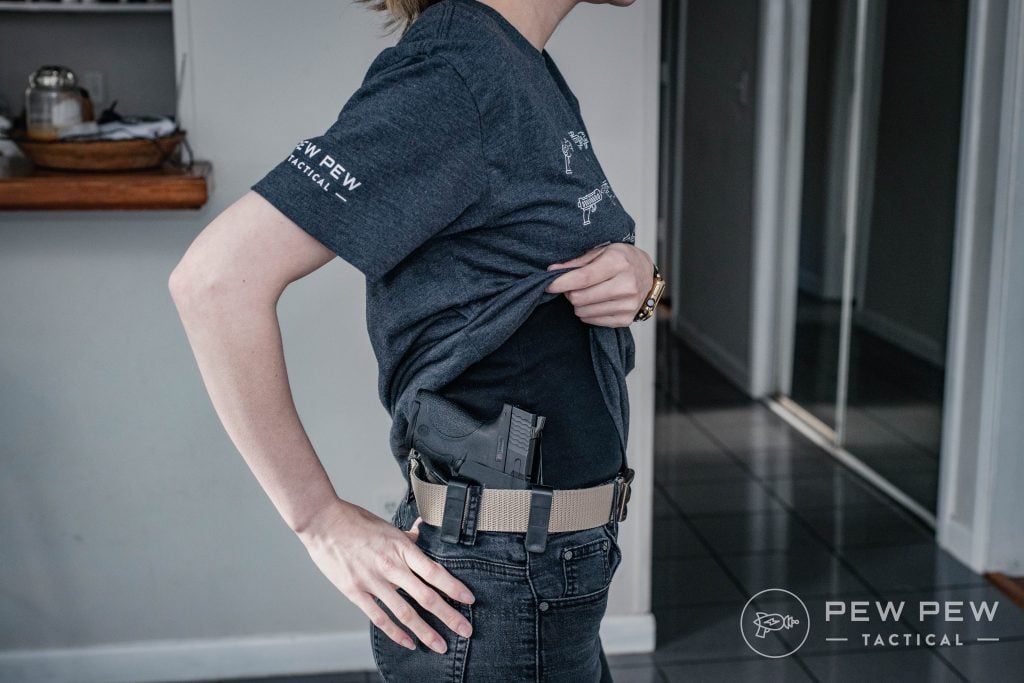
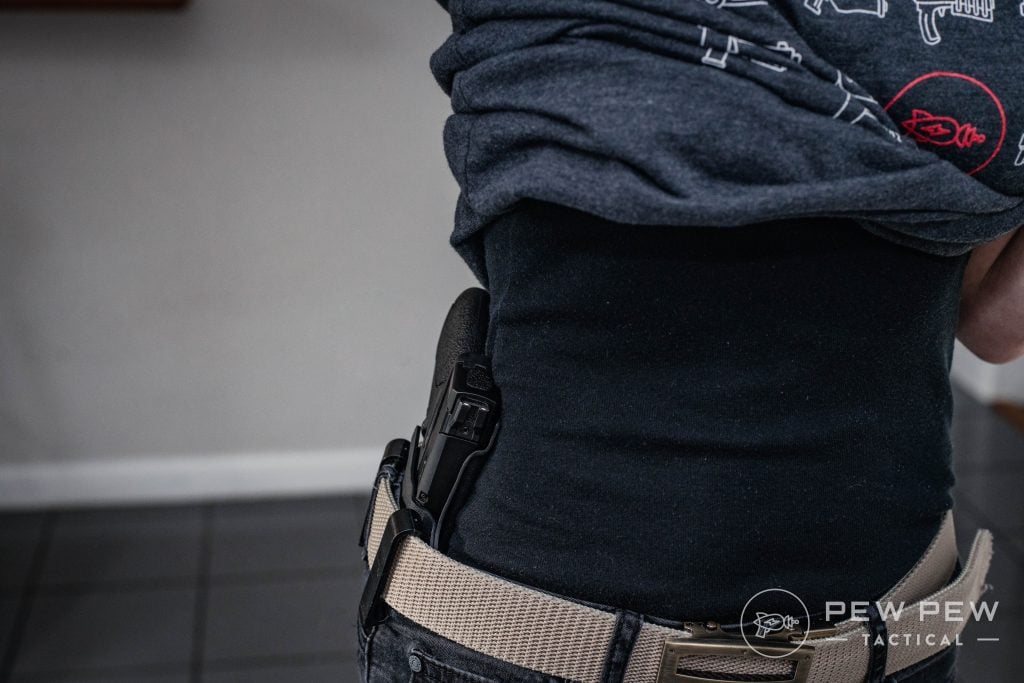
Namely, IWB -- or inside the waistband -- uses a holster placed inside the pants.
Meanwhile, OWB --or outside the waistband -- places a holster on the outside of the pants.
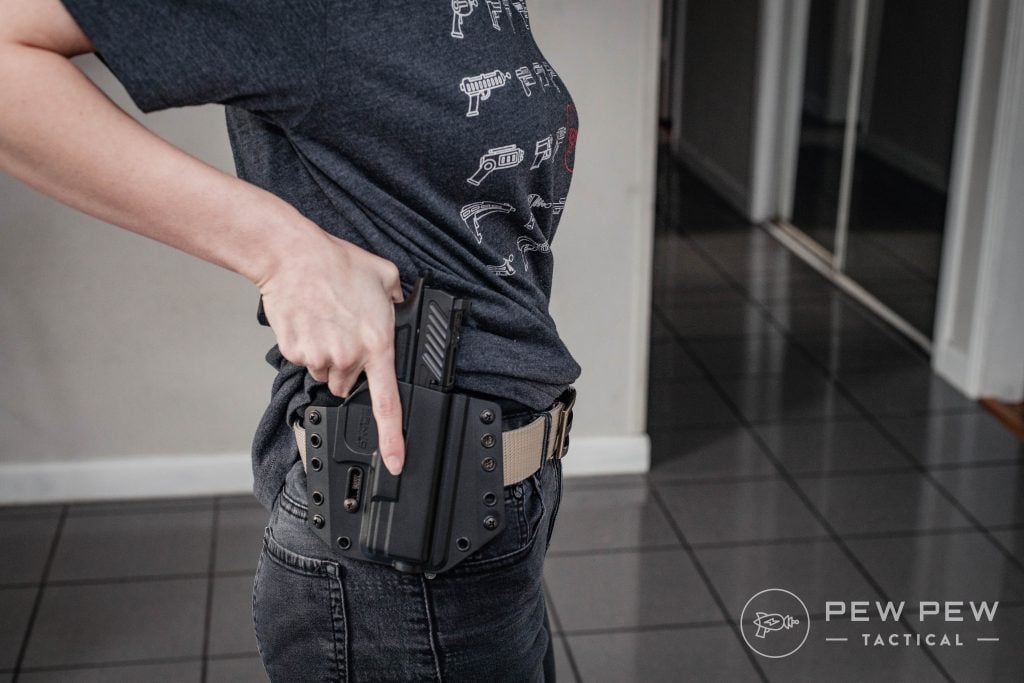
OWB Holsters
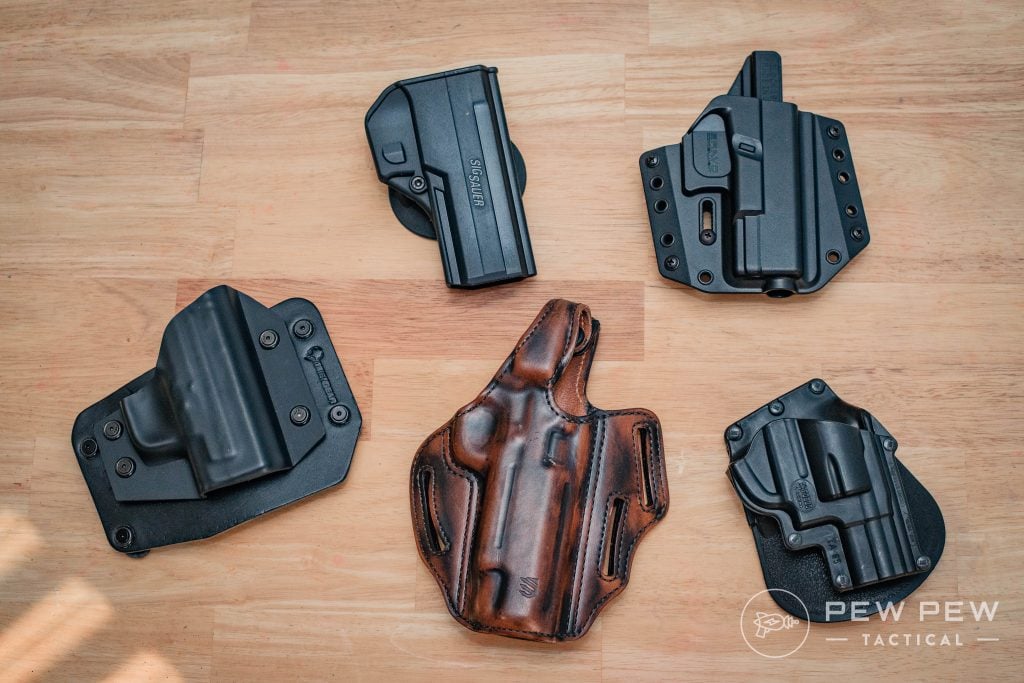
Holsters for each can come in various materials to include leather, fabric, polymer injected, and Kydex.
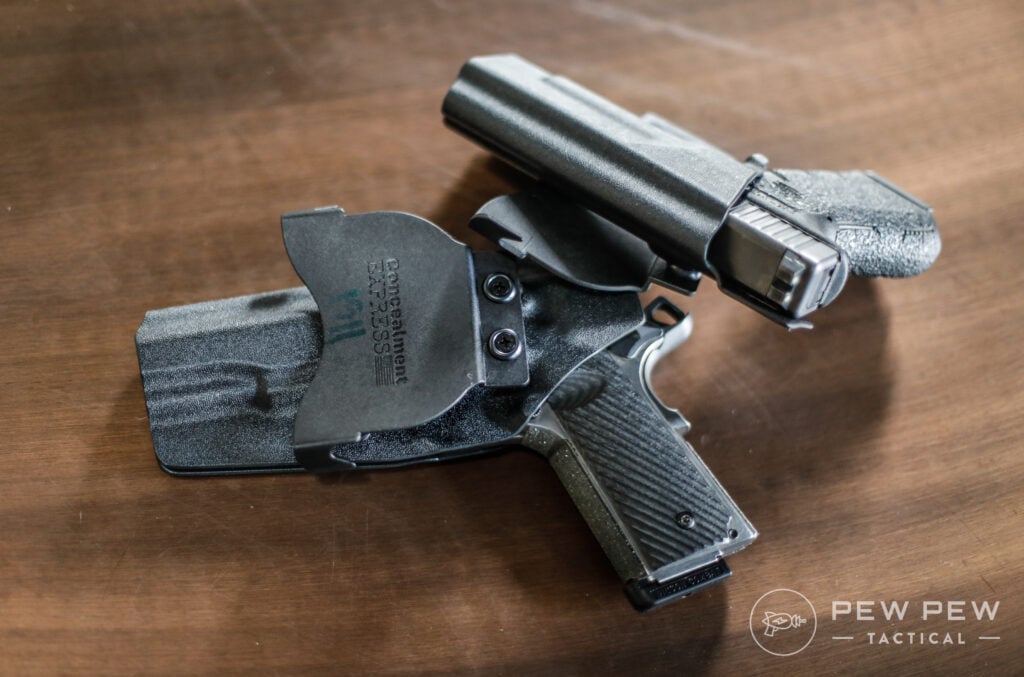
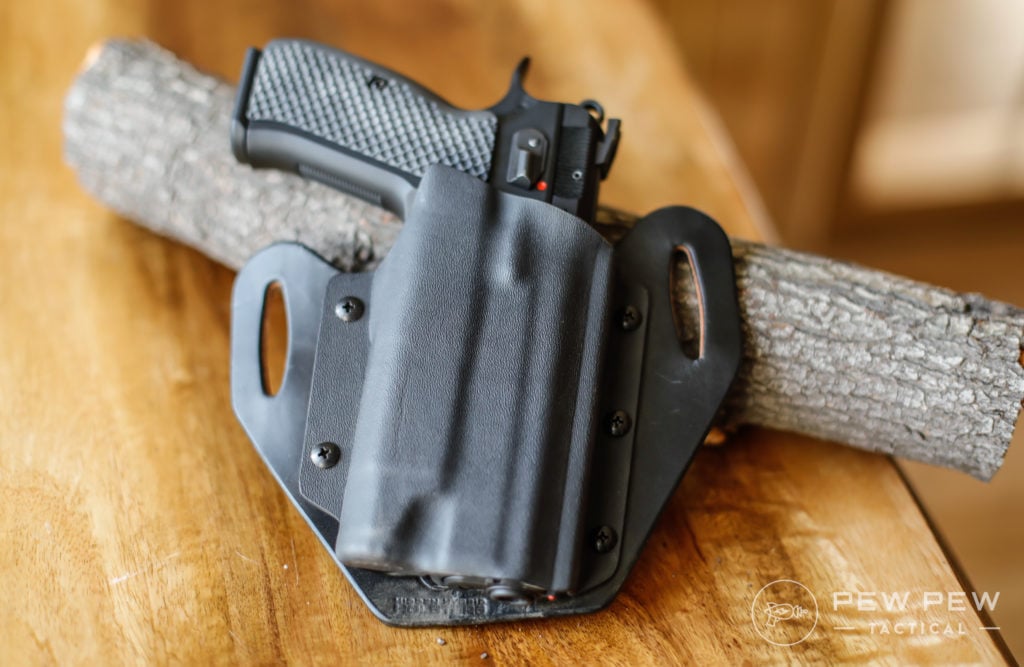
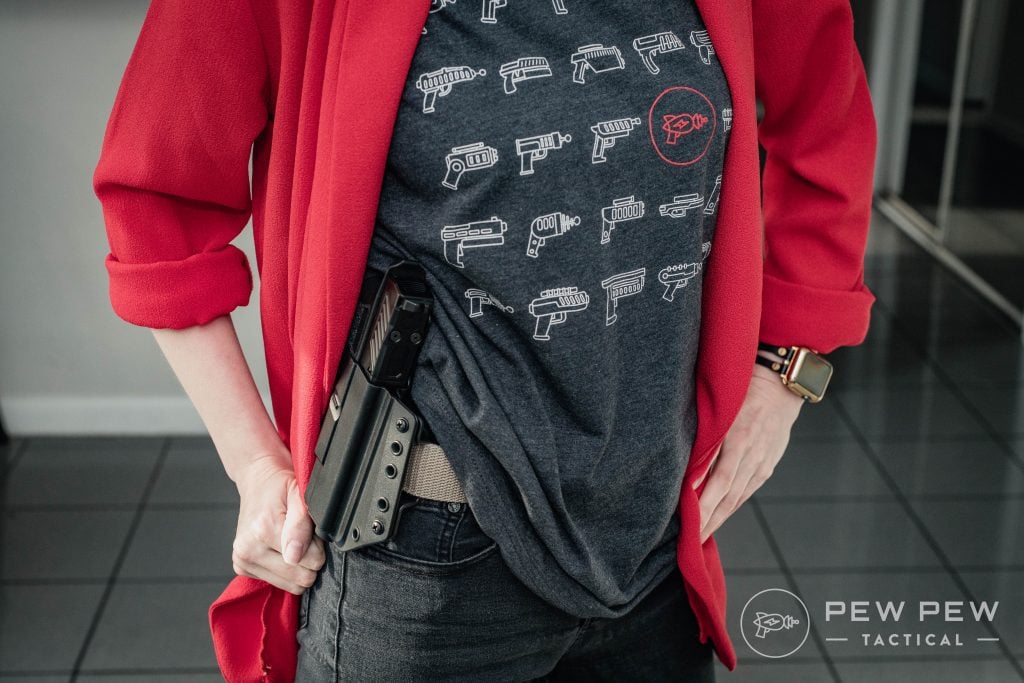
Two popular versions of the OWB style are the pancake and paddle holster.
The paddle features a…well, paddle attachment that clips over the belt, securing the holstered gun to the wearer.
On the other hand, a pancake holster features cutouts on either side of the holster for the belt to slide through.
IWB Holsters
IWB holsters can attach to the belt using loops or a single/double clip system.
With the holster inside the pants, clips will reach over the top of the belt and grab the bottom of the belt to stay in place.
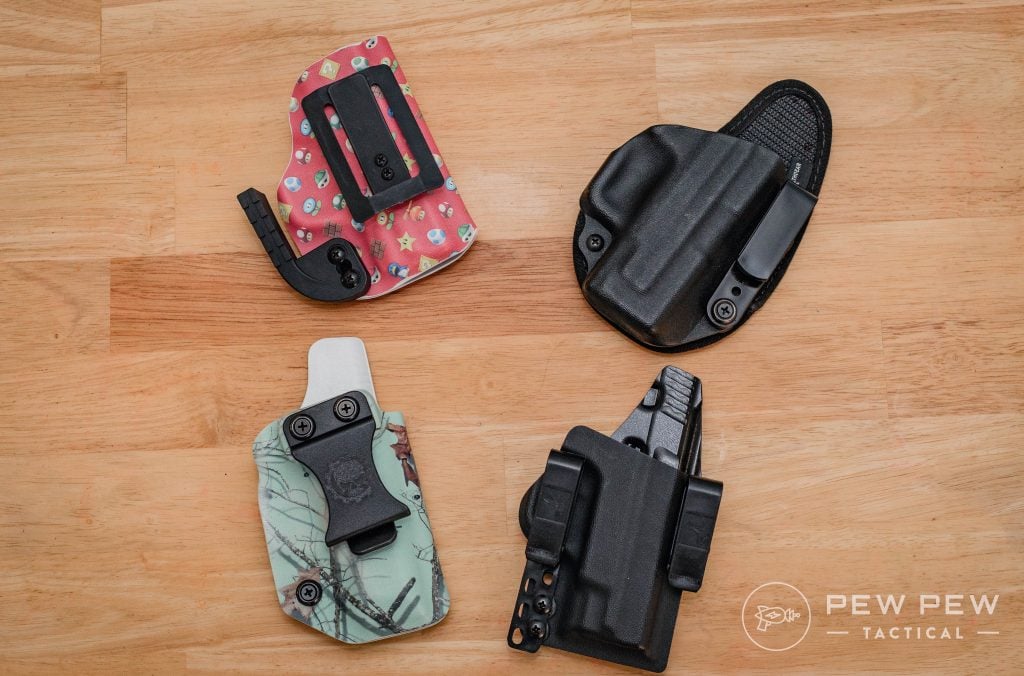
Meanwhile, loops allow the belt to be threaded through.
While we're on the subject of IWB...yes, there are IWB holster systems that promise carry without a belt. But we don't recommend these. They don't do a great job of keeping the gun secure and in place and can also create a lot of sagging which isn't great for concealment.
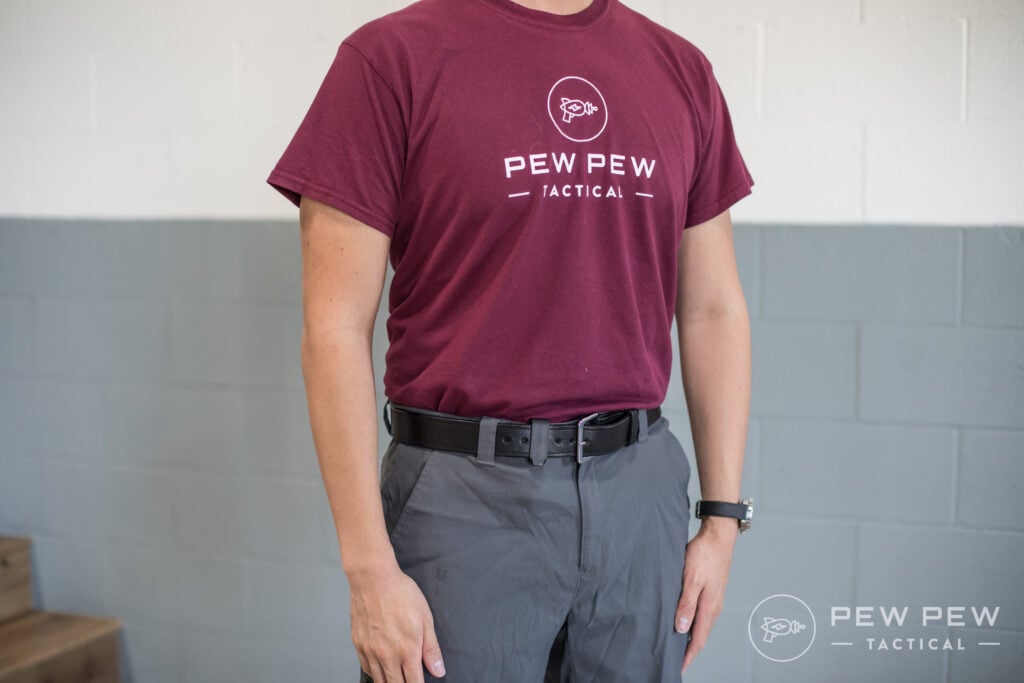
Whether you opt for IWB or OWB, invest in a good concealed carry belt and a good holster. Trust, us they're worth it.
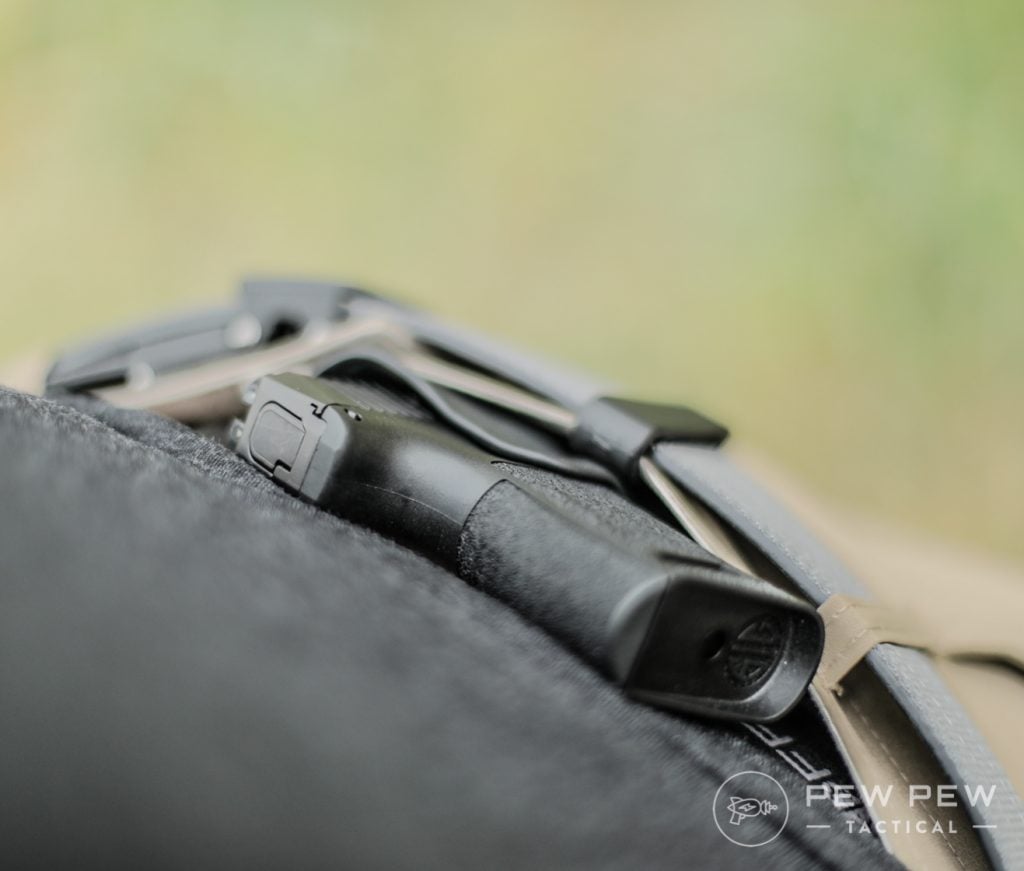
If you need recommendations on a good belt, check out our article on the Best Gun Belts for Concealed Carry and Range.
IWB vs. OWB: Comfort and Concealment
Now that we laid out the differences between OWB and IWB, let's talk about which is better...
The Best Gun Deals, Coupons and Finds
Subscribe to Pew Pew Tactical's sales and deals email.
Comfort
When comparing these two styles of carry, there's no contest in this arena…OWB is waaay more comfortable.
Why? Because it places the holster and gun on the pants, not in them.
Some IWB holsters can dig into your skin or feel a little pokey, especially if you're newer to CCW and not quite used to the feel of a gun.

OWB often feels a lot more comfortable when you're starting. Heck, even as someone who has carried for over a decade, I still find OWB comfier.
It's why you'll often find me on the range carrying OWB! (That is when I'm not practicing draws or running concealment drills.)
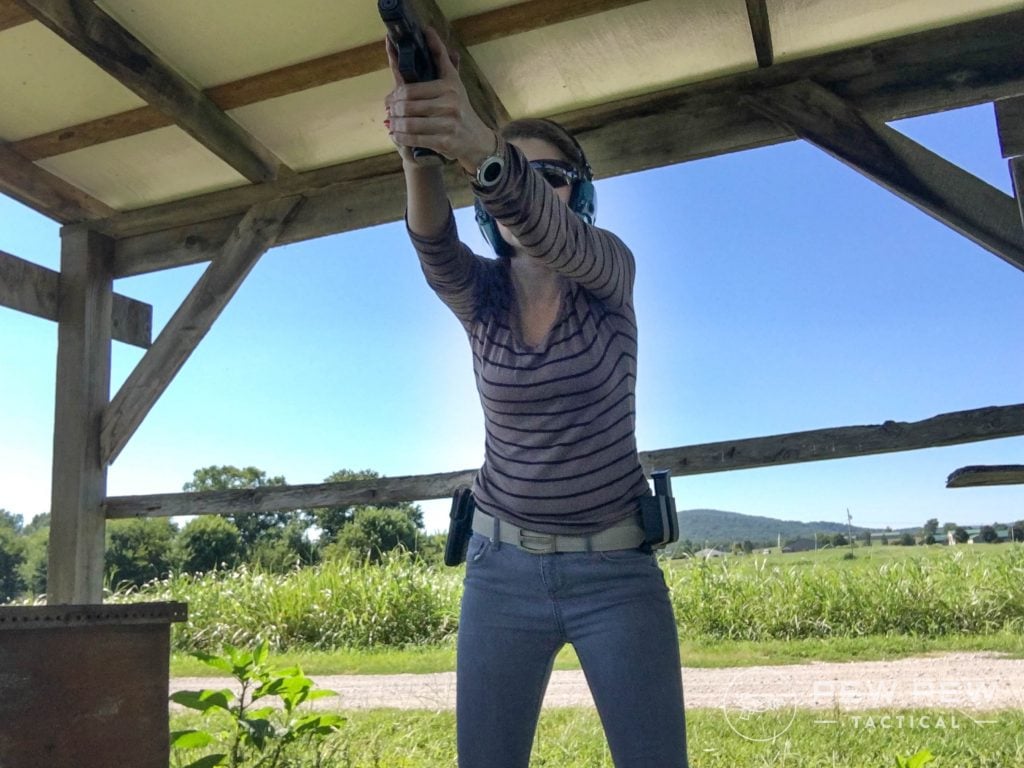
I personally find a good pancake style to be the most comfortable.
Now, to clarify, I'm not saying that with the right holster, IWB can't be comfy too. It can.
But it usually takes some practice and some hunting to find the perfect setup that feels right.
But for "out of the box" comfort, OWB is the way to go.
Concealment
Can you conceal with an OWB holster? Absolutely. But you'll likely sport a vest, jacket, sweatshirt, overshirt, or some other cover garment to do it well.
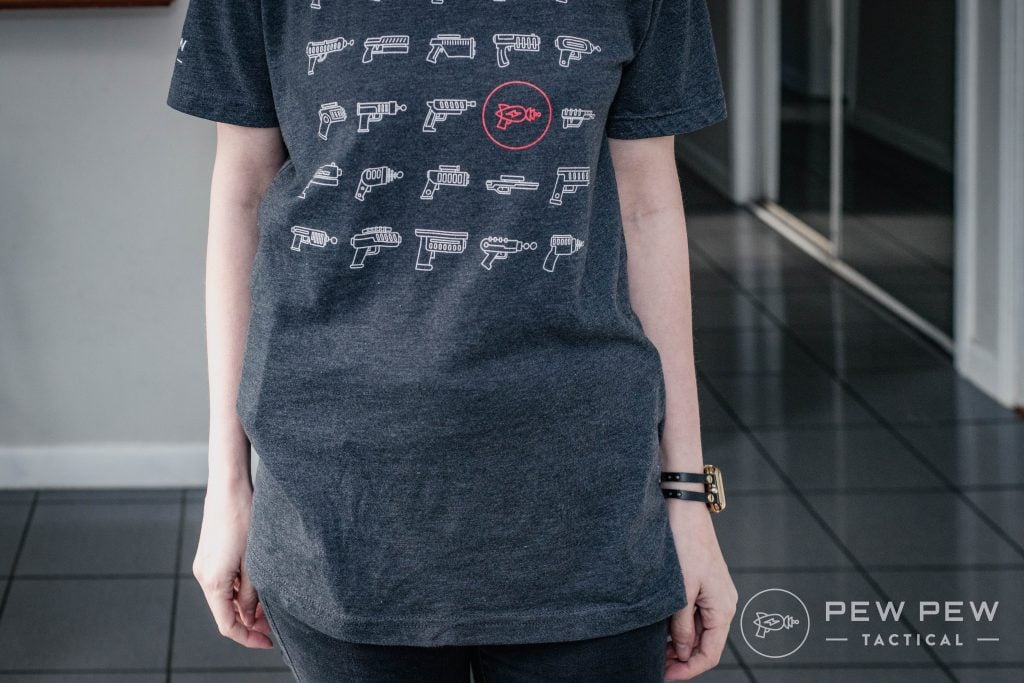
For this reason, IWB tends to take the win when it comes to ease of concealment.
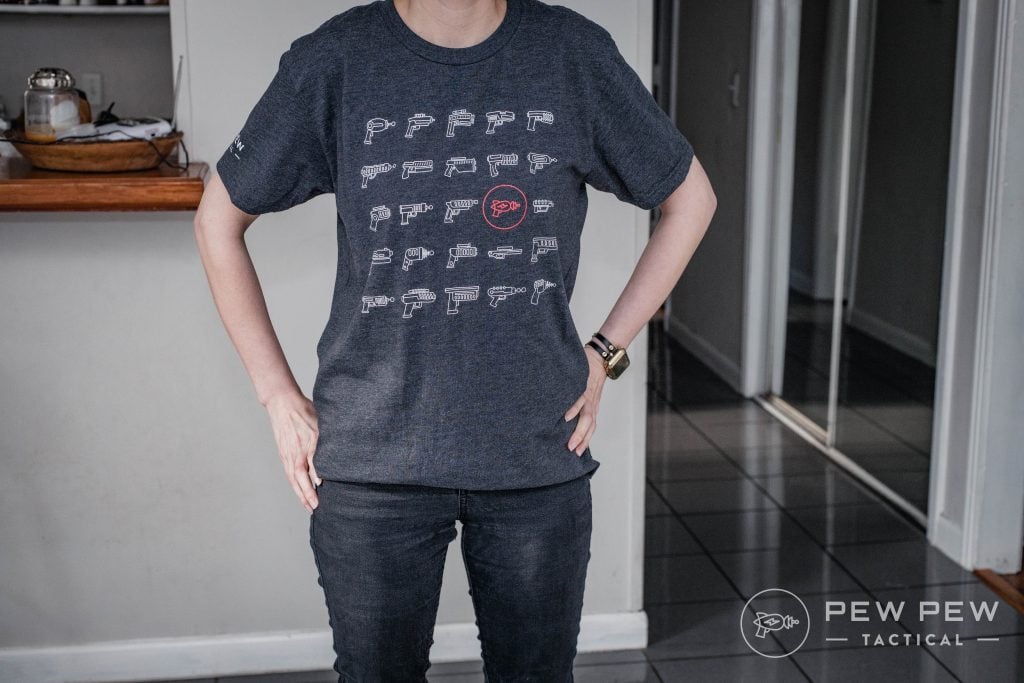
IWB holsters do the heavy lifting of concealment for you by placing all the bulky bits on the inside of the pants. This frees you up to ditch the jacket or button-up shirt and roll with your favorite t-shirt.
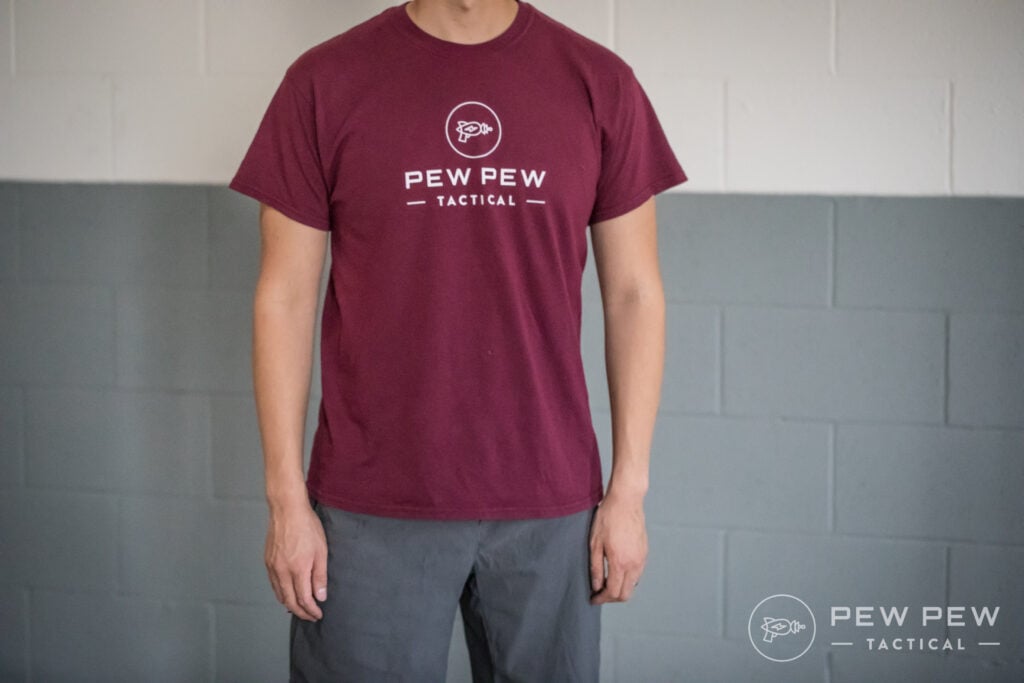
Tank tops, t-shirts, blouses, polos…IWB offers a lot of versatility in terms of outfits that pair with it.
Not to mention, plenty of IWB holsters allow you to tuck in your shirt, making this one of the most office-friendly options.
The trade-off, though, is you might need to reevaluate the size of your pants and invest in a size up to accommodate the gun and holster.
This will depend on the gun you're carrying and the thickness of the holster, of course.
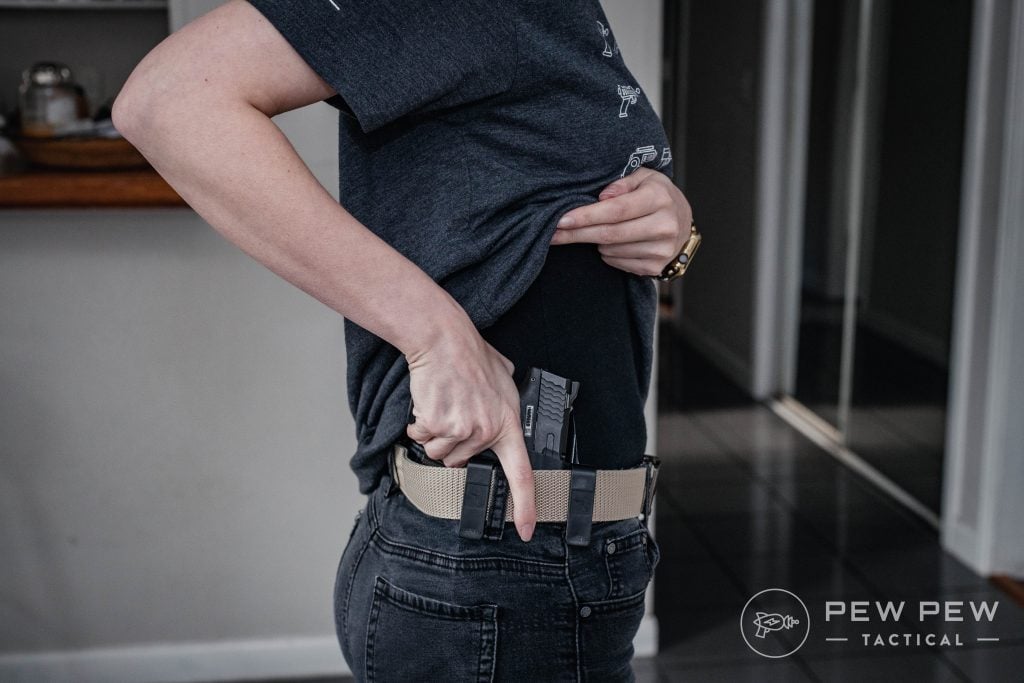
For instance, my size 0 jeans often get left in the drawer when I carry IWB. I usually have to bump up to a size 1 or 2 to accommodate the gun and holster.
If you regularly wear a blazer or vest and aren't interested in investing in new pants, though, stick with OWB.
Our Most Popular Posts

Bottom Line: Which Is Better...IWB or OWB?
I know, I know. You want an unequivocal answer to the question of which is better. But we can't really do that.
Like most carry styles, the best carry method really comes down to the one that works best for you and your lifestyle.
In general, though, if you are newer to carrying and need to get accustomed to the idea, I highly suggest OWB around the home and range. This is the best way to get familiar with the concept of carrying.
OWB around my house and yard is how I started. It gave me valuable feedback that I later incorporated into IWB concealment.
Carrying OWB at home or under larger shirts, I learned what placement worked best for me (in my case, 4 to 5-o'clock) and discovered which belts worked well with my hips and which didn't. It also got me used to the feeling of the gun on me.
If you're looking for concealment, though, IWB is the way to go.
It offers a better level of concealment in what we'll call everyday clothes. You can wear a t-shirt, polo-button up…basically anything that pairs with pants works with IWB.
Realistically, if you can afford both an IWB and an OWB, I say go for it!
Having both styles of holsters in your repertoire expands your carry options. It ensures you can carry no matter the outfit, weather, etc.
Conclusion
IWB vs. OWB…which is better? Again, the method that works with your lifestyle is the one you should choose.
IWB tends to work best for concealment, but OWB tends to be the most comfortable. Decide what the priority in your life is, and then choose your concealed carry set up around that.
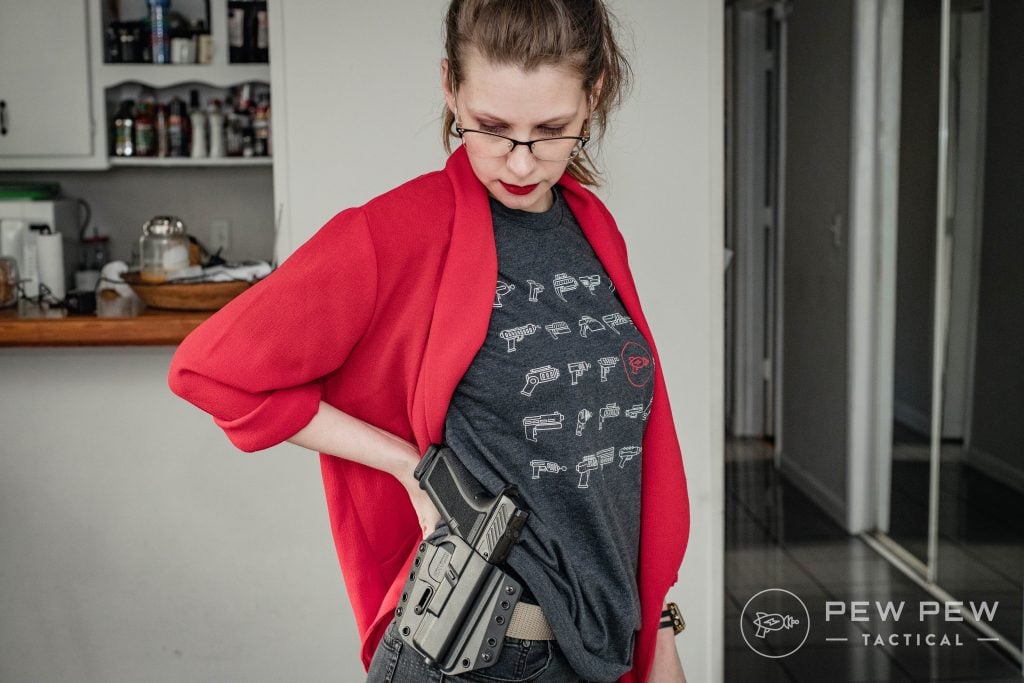
Regardless of whether you opt for IWB or OWB, definitely invest in good holsters and belts and put in the time to train. Regularly heading to the range for live-fire practice and running dry fire drills at home positively impact your skills.
Again, make sure to check out Brownells' Daily Defense below for a walk-through of each method.
Which is your preferred carry method? Let us know in the comments below. Need some ideas on IWB holsters? Check out our guide on the Best Concealed Carry Holsters.