
Easy Ways To Secure Your Home (According To 86 Burglars & One Marine)

We take a look at 12 simple things you can do to better secure your home from bad guys looking to steal your stuff or worse...
We review products independently. When you buy through links on our site, we may earn a commission to help support our testing. Learn more.
Defenses are like onions and ogres: they have layers. A firearm is the absolute last layer.
Today, we're going to focus on easy ways to secure your home beyond the gun.

I did some research and found a report by KTVB that surveyed 86 convicted burglars serving time for their charges. I reviewed the survey and used some of those insights to guide my advice.
Let’s build our layers together!
Table of Contents
Trending: Best AR-15s, Best Pistol Red Dots, & Best Shooting Hearing Protection
Meet the Experts

Pew Pew Tactical author Travis Pike wrote this article. Travis spent a lifetime shooting as a kid and later joined the United States Marine Corps, where he spent five years as an infantryman. His experience as a machine gunner, recreational and competitive shooter, hunter, and concealed carry instructor has given him unique insight into various forms of self defense.
Travis chose the tips and products you see here based on his own experience establishing a defensive position in the military, a report by KTVB citing convicted burglars, and his own experience as a homeowner.
Easy Ways to Secure Your Home
1. Plant Suburban Concertina Wire
Digging a fighting hole for a defensive position was always a slog, but I’ll be damned if there wasn’t some kind of satisfying conclusion when we were done. A company-wide defensive position is a helluva thing. To see the deviousness and strategic use of concertina wire tickled my young soul.

My wife, dad, and in-laws say that using concertina wire around the house is gaudy, tacky, and unwelcoming. Well, if I can’t use concertina wire, I can use the landscape. There is something I’ve started calling "suburban concertina wire."
Before I was a Marine and a writer, I was a landscaper. I spent a lot of my teenage years laying sod, and planting trees and shrubs. I quickly learned that some varieties were friendlier than others.
Prickly, dense shrubs were always a pain. Don’t get me started on roses. Bougainvillea was my bane!
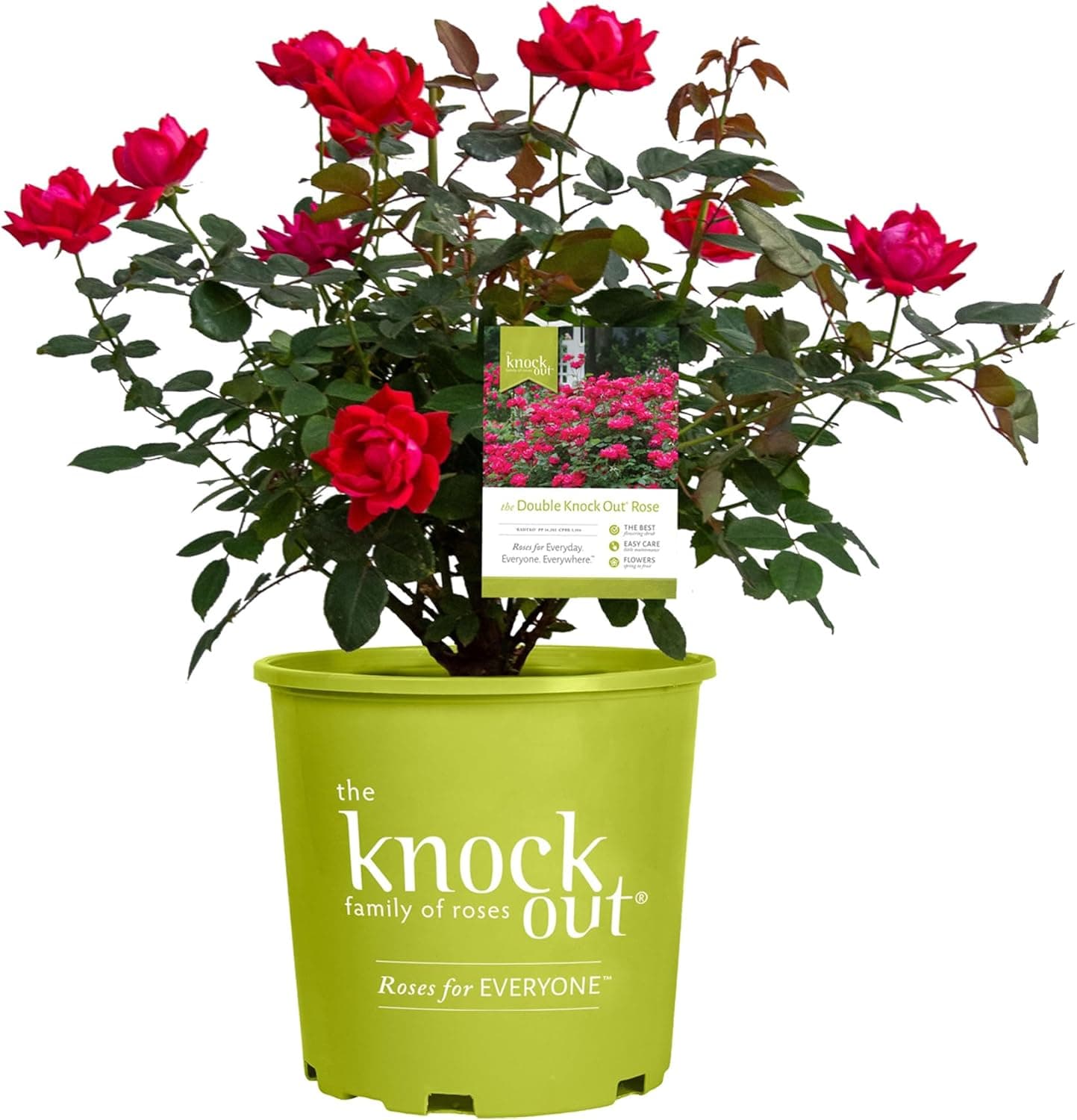
As a homeowner, these plants have become my suburban concertina wire. Strategically planting them near windows or along property lines forms a natural, painful barrier that works a lot like C-wire, but with more curb appeal.
No one wants to get tangled up in them, they make it difficult to access windows, and people tend to make a whole lot of noise when they gets tangled up.

With that said, don’t let them get too high or too thick. Keeping these plants trimmed to maintain good sightlines is always a good idea.
In the KTVB survey, burglars noted that overgrown bushes and trees offered them concealment and were often something they looked for when targeting homes.
2. Harden Your Doors
The doors on your home don’t do a lot to deter burglars. They are fairly weak – especially the locks. Installing a hardened door is a big upgrade, but it’s expensive.
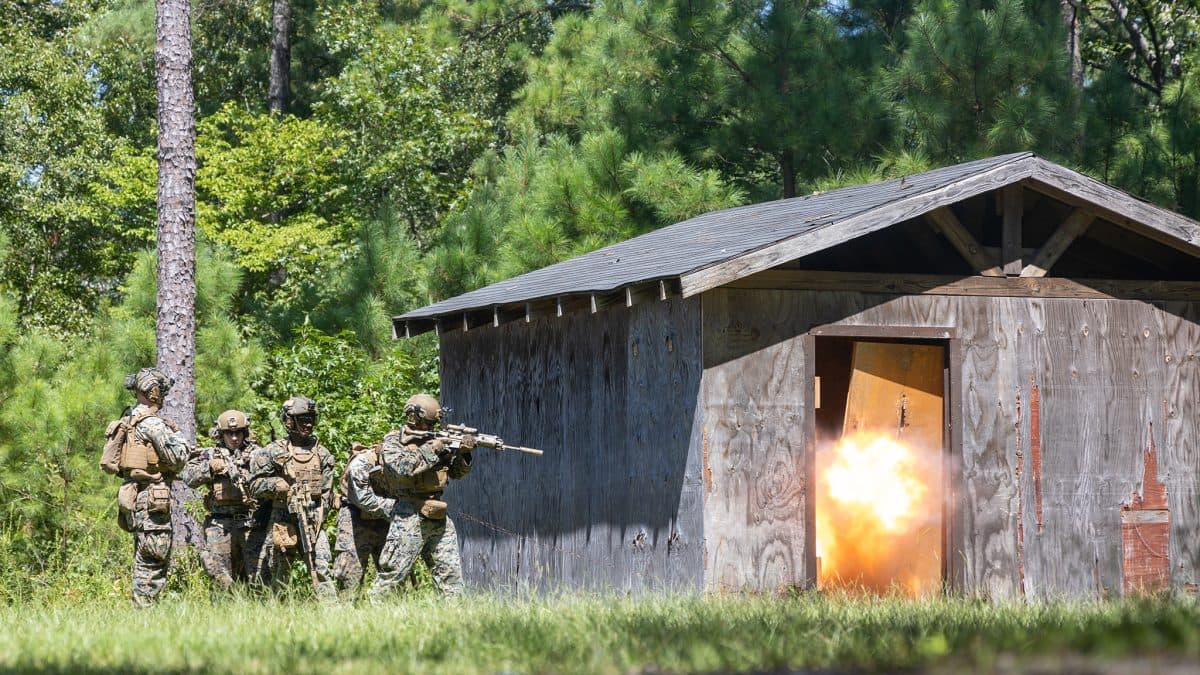
In the survey, burglars would often kick in the door, but several would just use an open door. Step one is making sure you don't give them easy access.
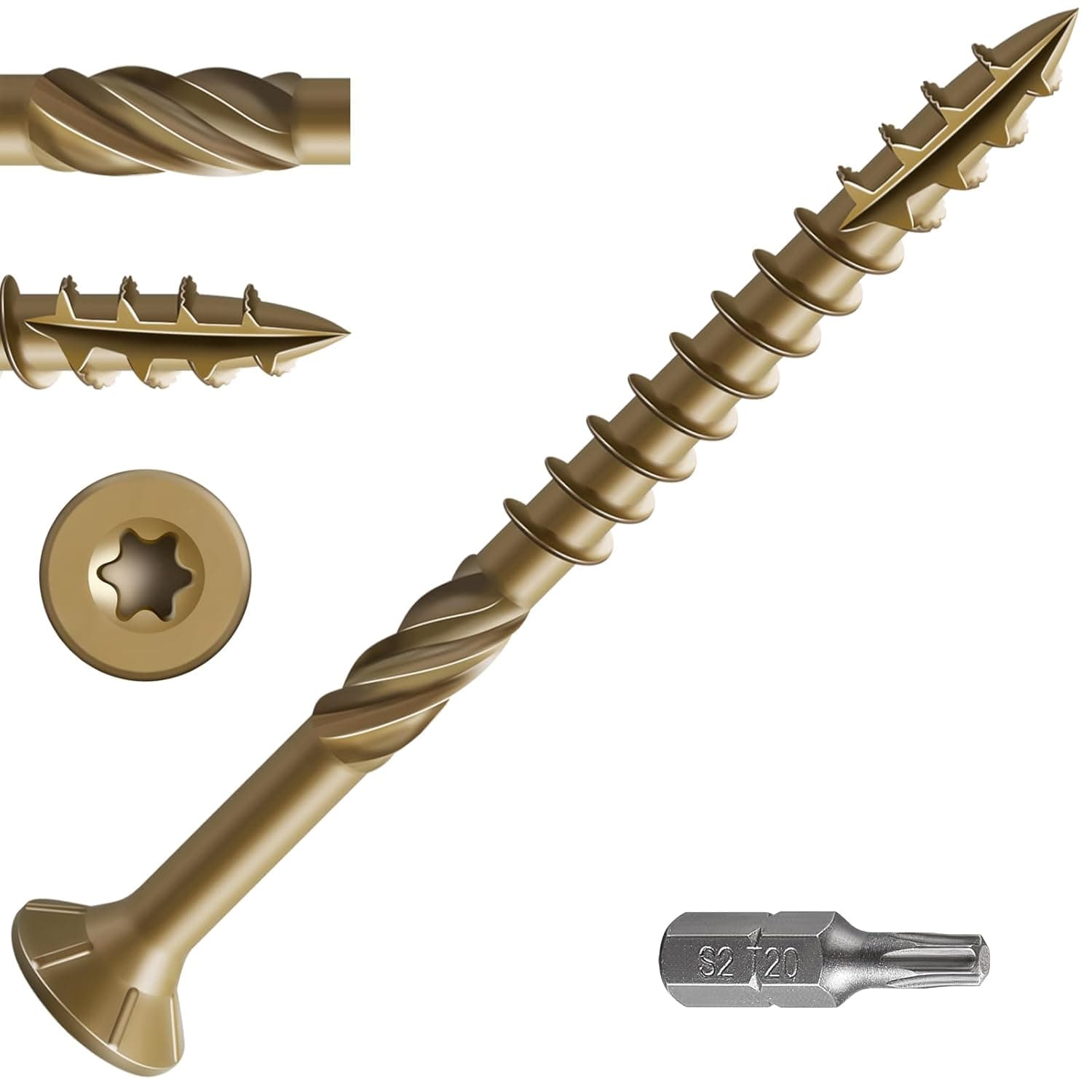
The second step is to reinforce your existing door by replacing the standard 1/2-inch screws with 3-inch hardened steel screws.
Normal screws grab the trim and not much more. Longer deck screws chew through the trim and into the multiple studs that form the doorway. This makes it a lot harder to kick a door in.
Anytime you move into a new home, change the locks; you never know how many keys to the old lock are out there.
Toss a new Schlage on there, and you’ll be ready to go. A good deadbolt, reinforced strike plate, and long screws are my go-to.
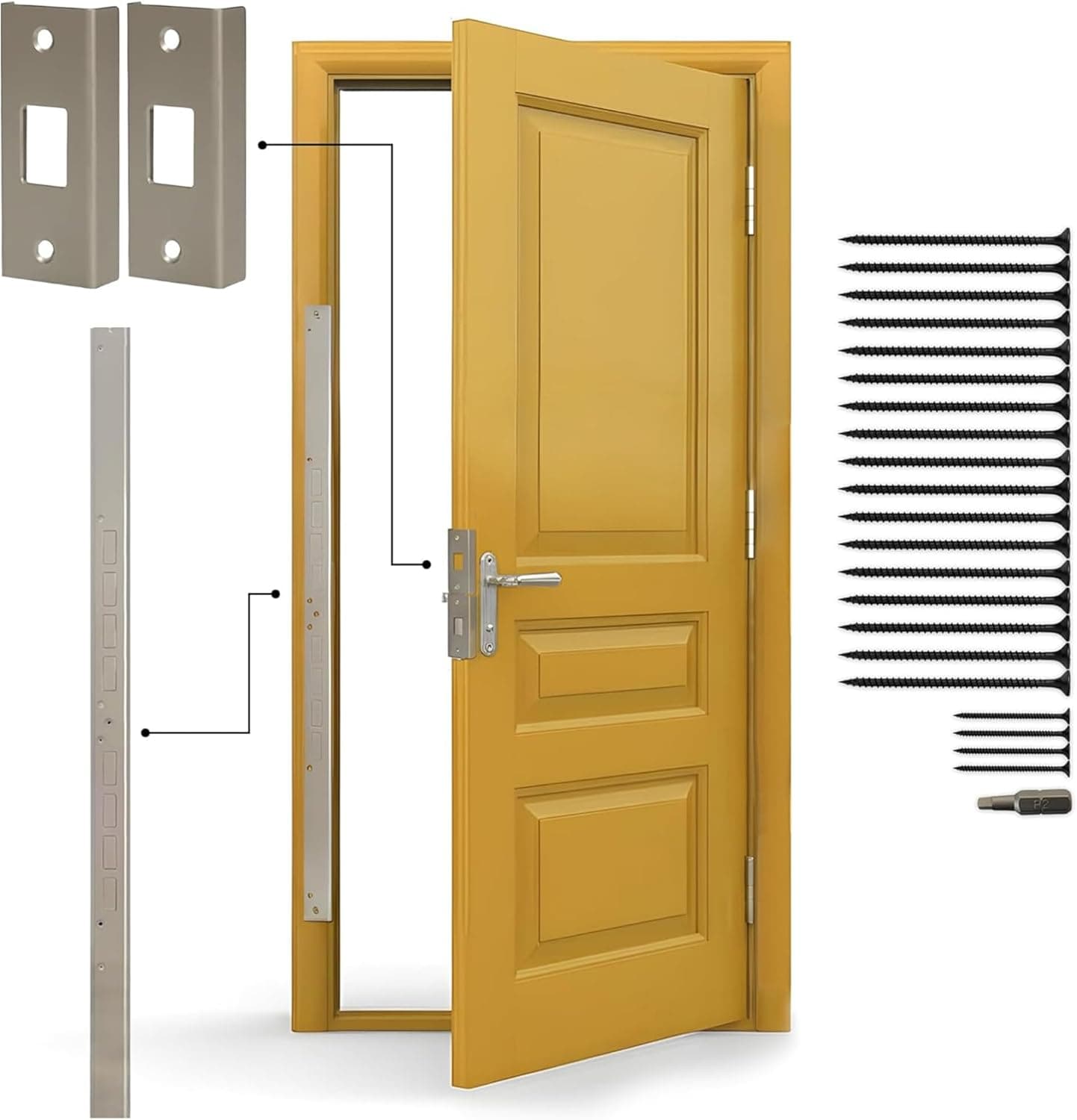
If you really want to lock things down, go with the Door Armor Kit. This comes with a door jamb shield, hinge shields, and two mini shields, plus a set of 3.5-inch hardened steel screws make your front door a much more formidable force.
3. Go Beyond the Door
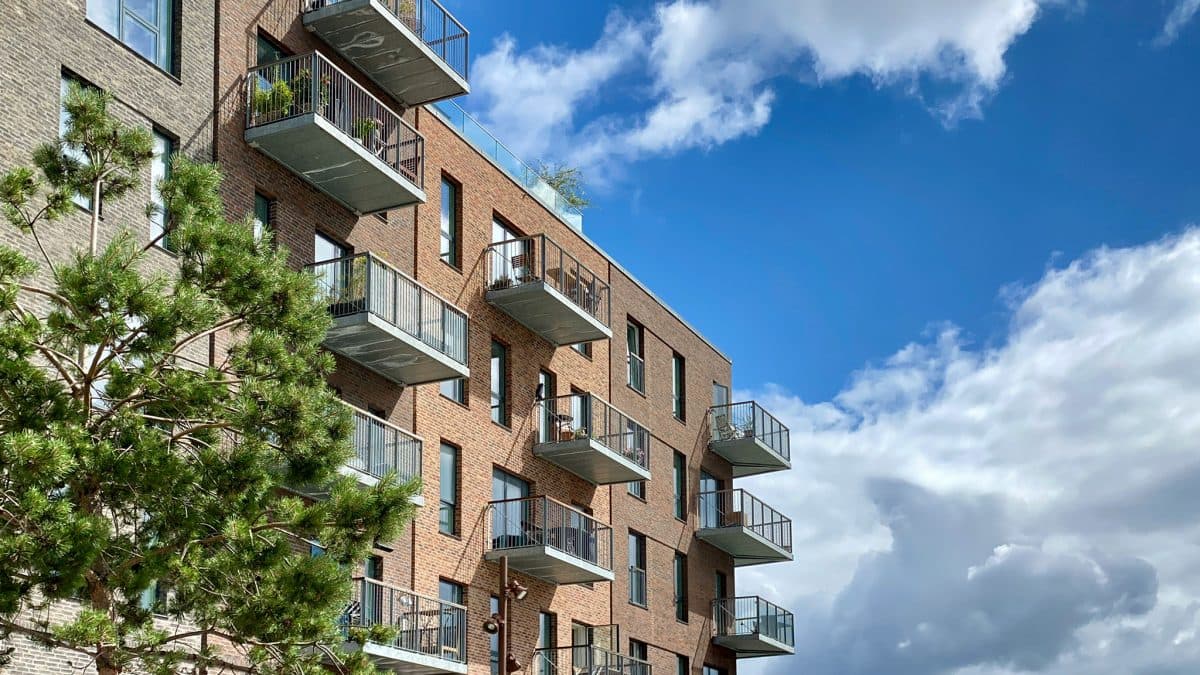
Let’s say you live in an apartment or rental house. You have strict rules against changing doors, installing security locks, and otherwise modifying the property.
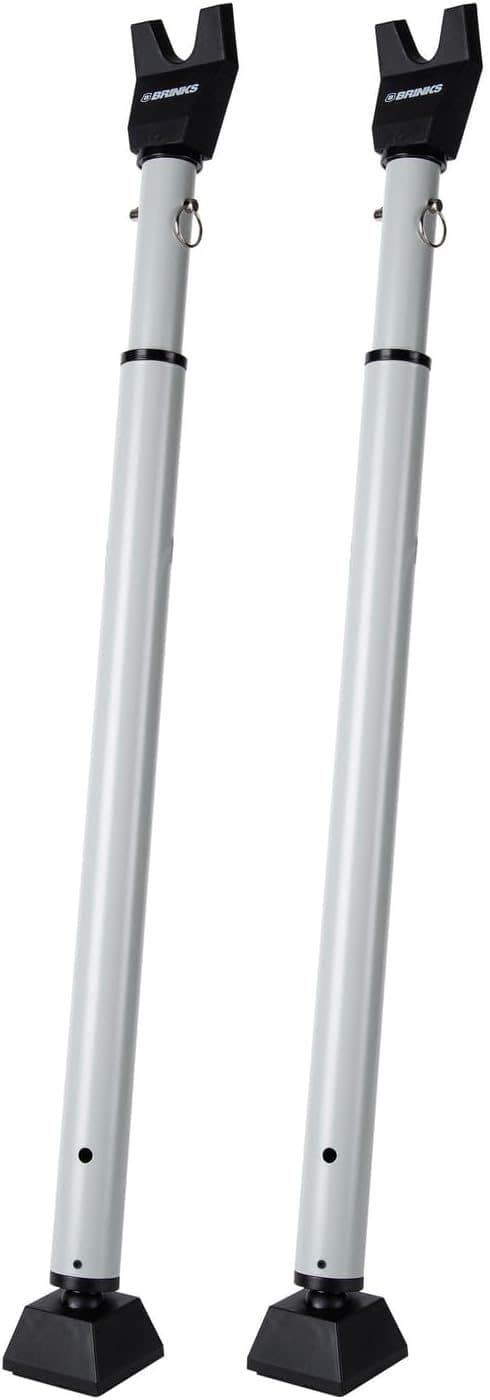
One easy way to defend your home is to use a door bar. These brace against the door handle and floor. A little leverage goes a long way, and it's a non-permanent security measure.
These are great tools, but they have a big downside: you can’t use them when you leave the house. Well, you can, but obviously not for the door you leave and return through.
Simple devices like safety latches also work with the door you already have. These pivoting steel plates screw into the door frame, and provide a massive amount of resistance to a would-be intruder. They offer another level of security and provide a cheap, simple upgrade to your home.
Small alarms for doors and windows are another affordable option. Half of the alarm attaches to the door, and the other goes on door frame. When someone breaks the magnetic seal between them, they let you know someone’s coming in.
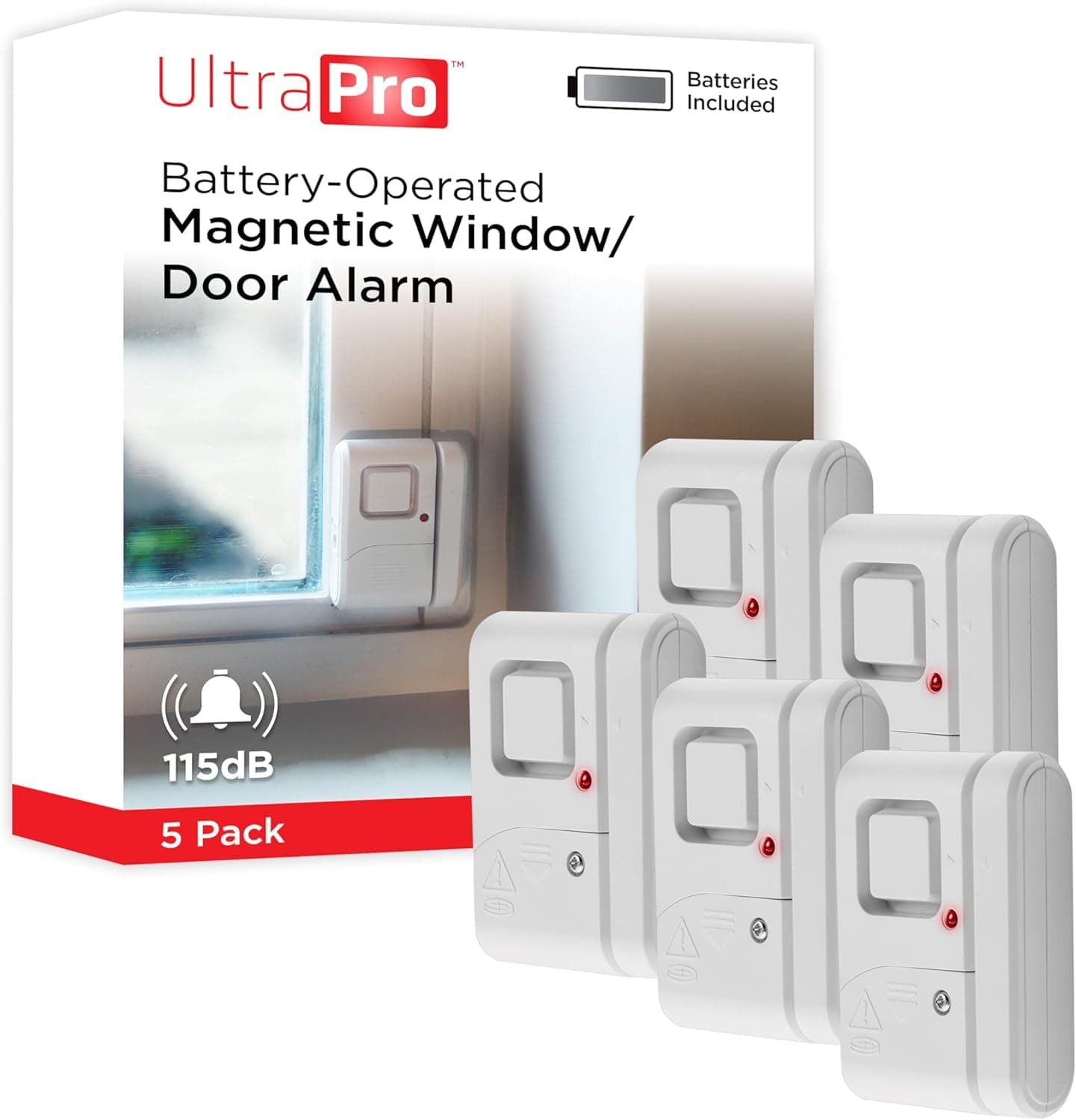
Turn them off, and you can go in and out without a screaming 120-decibel alarm ringing in your ears. These are extremely inexpensive, mount with adhesive tape, and work with any door or window.
In the survey, most burglars said they would leave as soon as an alarm went off.

The Best Gun Deals, Coupons and Finds
Subscribe to Pew Pew Tactical's sales and deals email.
4. Protect Your Windows
According to the survey, burglars like using doors more than windows. The loud bang of a door being kicked in can actually be easier to ignore than the unmistakable sound of shattering glass. Windows are also more difficult to climb through, burglars risk getting cut in the process, and they are tougher to shove stolen items out of.
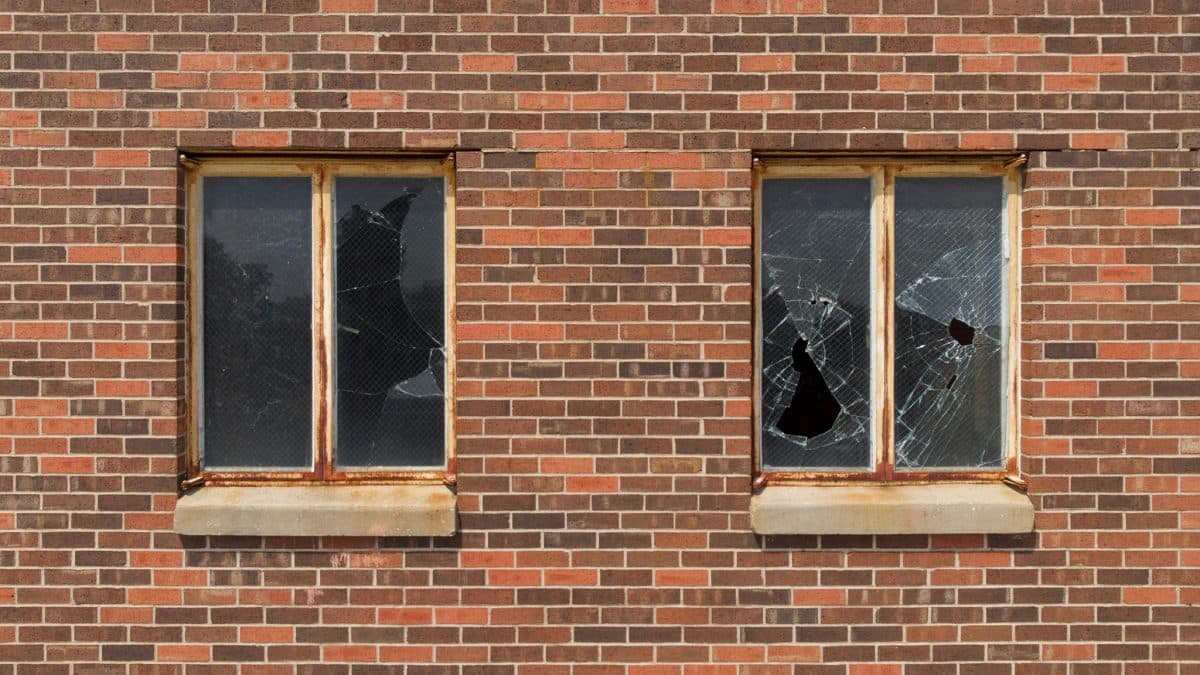
With that said, we should still make an effort to secure our windows.
If bars aren’t for you, then security film might be. Security film prevents glass from shattering instantly. It takes more time to break and crawl through.

Burglars want to be quick, so anything that buys time is invaluable, especially when backed by cameras or alarms.
5. Install Security Cameras
Motion-sensing cameras provide a simple deterrent that allows you to capture images and video instantly. We’re lucky to have so many camera options these days; Ring and Blink are some of the easiest to set up and use.
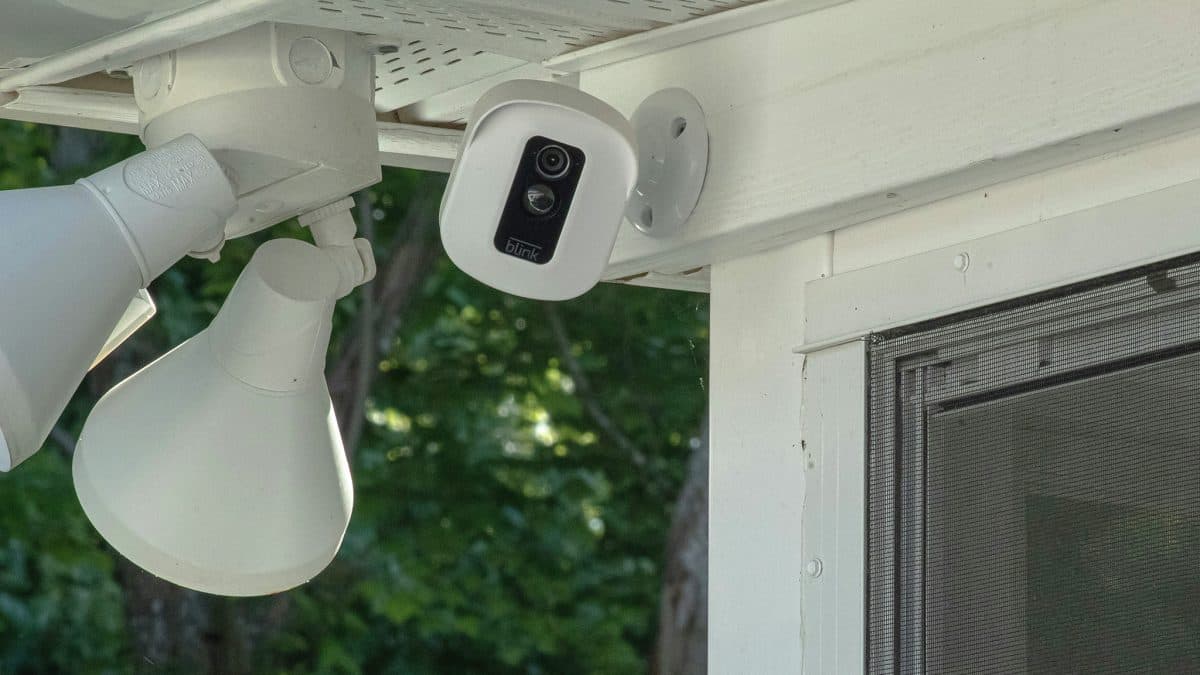
Residential security cameras can broadcast directly to your phone via Wi-Fi, letting you see what’s happening practically in real time, and their presence alone might be enough to deter a burglar.
Positioning them to observe doors, windows, and open spaces is a solid strategy. Place cameras where they have a clear line of sight, but make them hard to reach. Don’t give burglars easy access to knock them down or spray paint the lens.
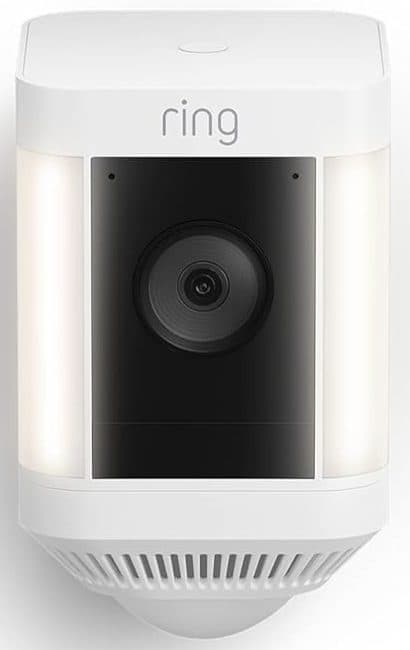
Add another layer of security by adding cameras inside the home, focusing on those same doorways and entry points. Sure, they’re easy to destroy or hastily cover up, but at least you’ll see the intruder coming.
The downside to these cameras is their reliance on Wi-Fi. If the power is out or Wi-Fi is down, then they aren’t all that useful. Hardwired cameras are an option, but they’re expensive (especially with a battery backup) and will likely require a professional installation.
A third option is using cellular service. Where available, it can fill the gaps left by Wi-Fi and hard-wired security setups.
Check out the Tactacam Defend to see what I mean.
Our Most Popular Posts




6. Install Motion-Activated Lights
Imagine being a thief approaching a home. You’re sneaking up, dressed in dark colors, trying to stay out of sight, and you hear it: click.

If this were the Marine Corps, it would be a landmine or claymore about to pop. In the suburbs, that click is followed by a blinding white light made up of lumens and candela.
Motion-sensing lights are a great way to deter unwanted nightly visitors, but proper placement is key.
Cover entryways to make sure your cameras can easily identify the threat, but aren’t blinded by your own lights. It’s fine if they ruin a burglar’s night vision in addition to the element of surprise, though.
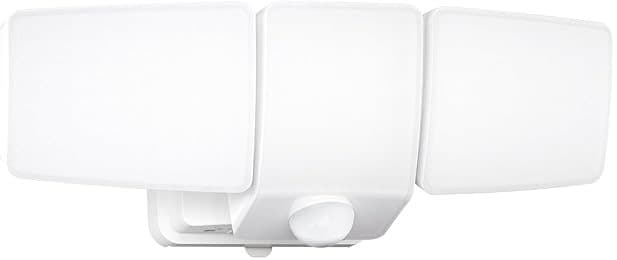
Much like machine guns or claymores, they work best with overlapping fields of fire. The beams should intersect to eliminate blind spots. The sensors should be mounted high to maximize range and keep them out of reach.
Get out there and test your light to make sure the sensor picks up motion in your target area, and the lights work as intended.
If you can reach the house before they pop on, that’s too late. If they turn on every time a car drives by on the street, that’s too early. Adjust them until they meet your needs.
7. Remember OPSEC
Operations security (OPSEC) is a military term, but it can apply to us normies, too.

The burglars surveyed said something most of us have already known for a long time: repping the NRA or your favorite firearm brand with a bumper sticker in the driveway tells people there are guns in the home.
That’s not a deterrent; it makes you a target for theft.
In an age of information, it’s smart to play your cards close to your chest. Be cautious about your social media posts, and use the gray man theory to protect your house.
We usually assume thieves are strangers, but one might be a friend or a friend of a friend. If you post your vacation pictures or update your location while you’re away, you might as well advertise that your home is unprotected. Wait to post those sweet beach pics until you get home.

Be cautious of the information you put out there and who can see it. Every little thing can be used against you, so guard your information like it’s your home.
8. Pay Attention to the Little Things
Now that we’ve covered the main points burglars mentioned in the survey, there are a few little things you can do to deter home invaders and burglars.

The "Beware of Dog" sign is an easy one to add, even if you don’t have a dog. While it might not deter every thief, it might work on some.
Having an actual dog is even better. The surveyed burglars stated a big dog breed was an instant no-go.
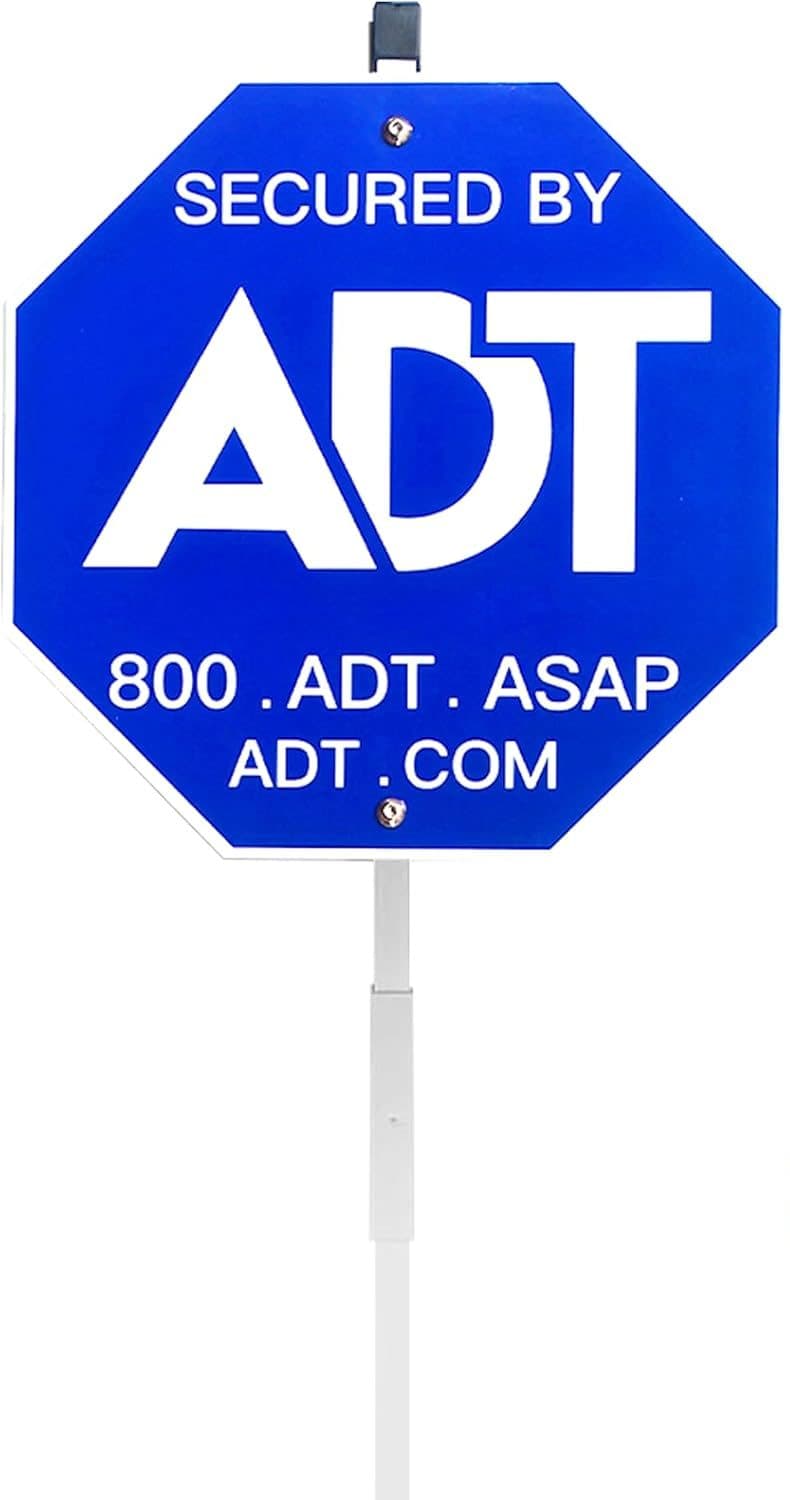
Signs can do the same. A cheap sign from a security company you may or may not have a contract with might be all it takes to keep a prospective threat moving along.
The burglars in the survey said they actively avoided houses with a car out front. That might be tough to do, but if possible, make a car visible when you’re not home.
Others said they would turn and leave if they heard a TV or radio playing. A cheap FM radio might be a good investment with low power consumption. Keep it on and playing while you're gone to make the house seem occupied.
Finally, get to know your neighbors. Make friends and look out for each other. Community goes a long way in security. If a neighbor sees something odd, they are likely to call you or the police.
Home Defense Firearm Resources
We're focusing on easy ways to secure your home outside of firearms, but we have lots of resources for that layer, too!
- Best Budget AR-15s Under $1,000
- Best Handguns for Beginners & Home Defense
- Best Shotguns: Tactical & Home Defense
- Home Defense Guns for Ban States
- How to Stage Guns for Home Defense
- Best Concealed Carry Insurance
Final Thoughts
If our goal is to have a gun and never use it, then these small steps can tip the odds in our favor. If you can spend hundreds of dollars on your home defense gun, you can spend a little more to secure your home.
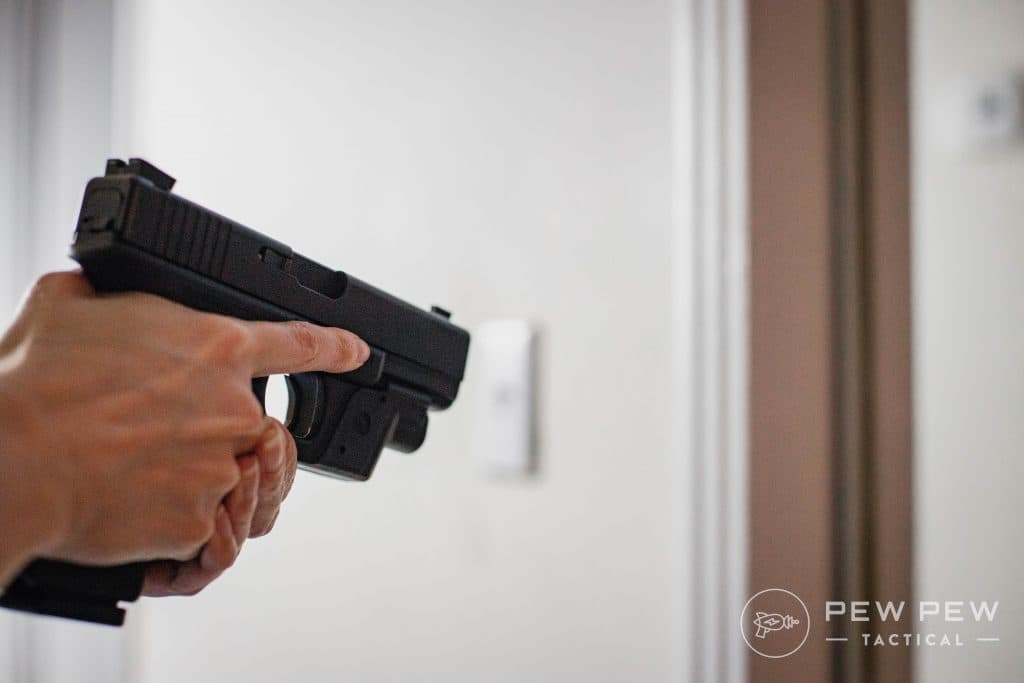
It’s surprisingly affordable and easy to lock your home down and create a defense in depth.
What steps do you take to harden your home? Share some tips in the comments. Need help picking the right pistol? Get an inside look at Pew Pew Tactical’s Home Defense Handguns!