
Difference between Flash Suppressors, Compensators, & Muzzle Brakes
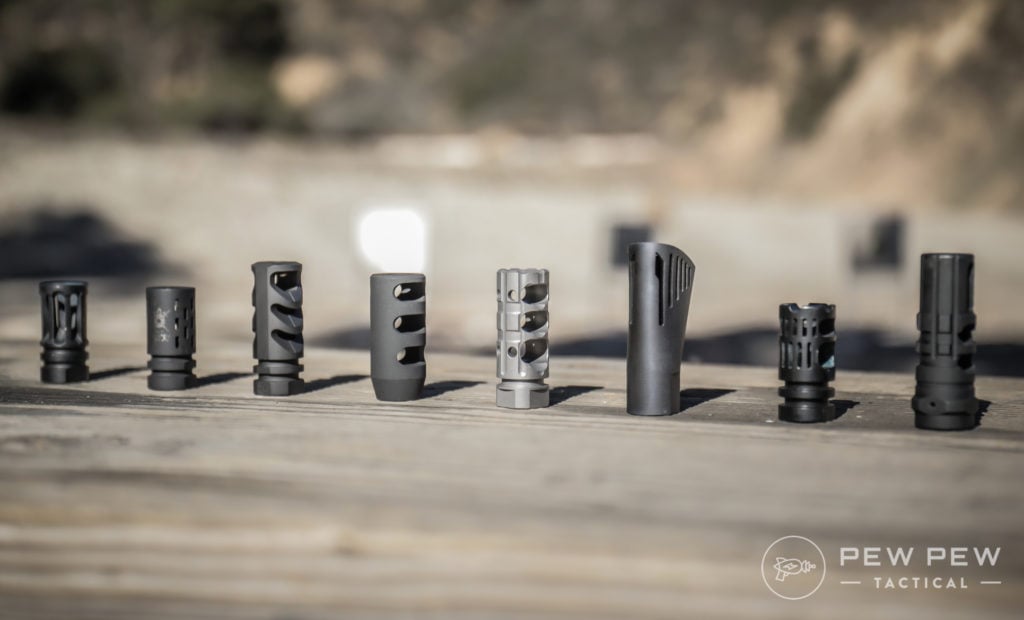
Learn the differences between muzzle devices, as well as some recommendations on the best models for your gun and end-use situation.
We review products independently. When you buy through links on our site, we may earn a commission to help support our testing. Learn more.
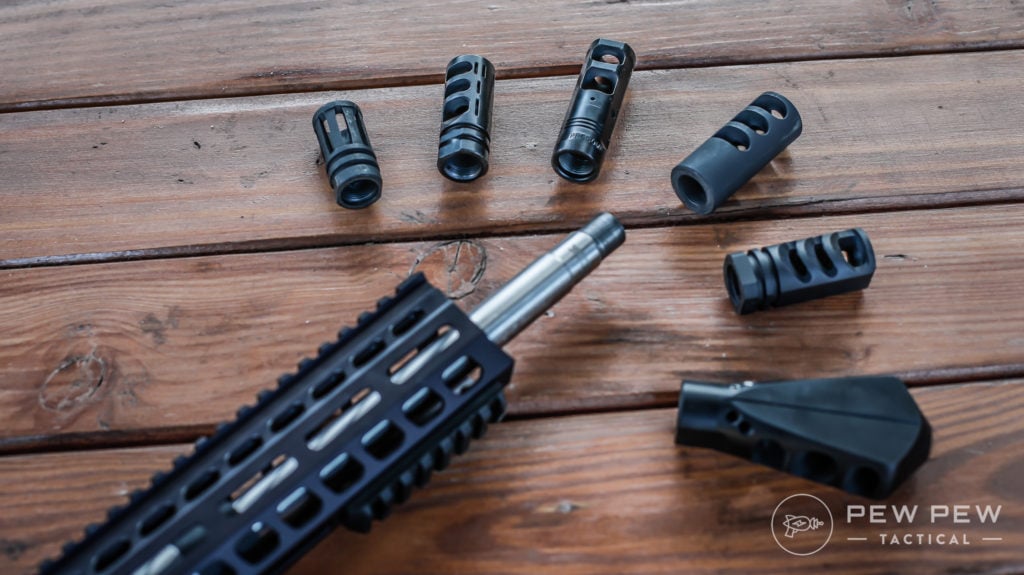
With so many muzzle devices out there, it's easy to get confused between flash suppressors, compensators, and muzzle brakes.
We'll go through the differences between each in terms of design and performance.
Trending: Best AR-15s, Best Pistol Red Dots, & Ammo in Stock
Flash Hiders
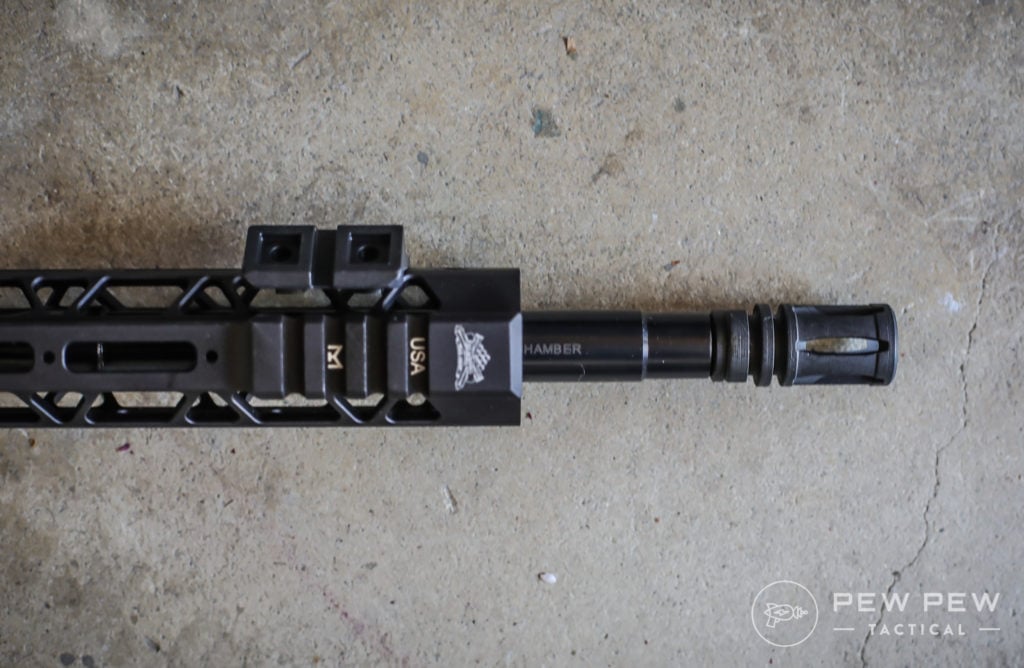
Flash hiders, or flash suppressors, are used to guard the shooter from visible flash.
This flash comes from unburned gunpowder and for the most part gets progressively worse as barrel length shortens (AR-15 pistols, we're looking at you).
This is especially important in nighttime shooting to preserve night vision. A secondary perk is that it also minimizes the flash signature that others see.
Be aware that some jurisdictions have laws against flash hiders and minimum overall barrel lengths.
Flash hiders have exits that are much larger than the diameter of the bullet. There are two main designs for flash hiders. The first is the 3 or 4 pronged variety.
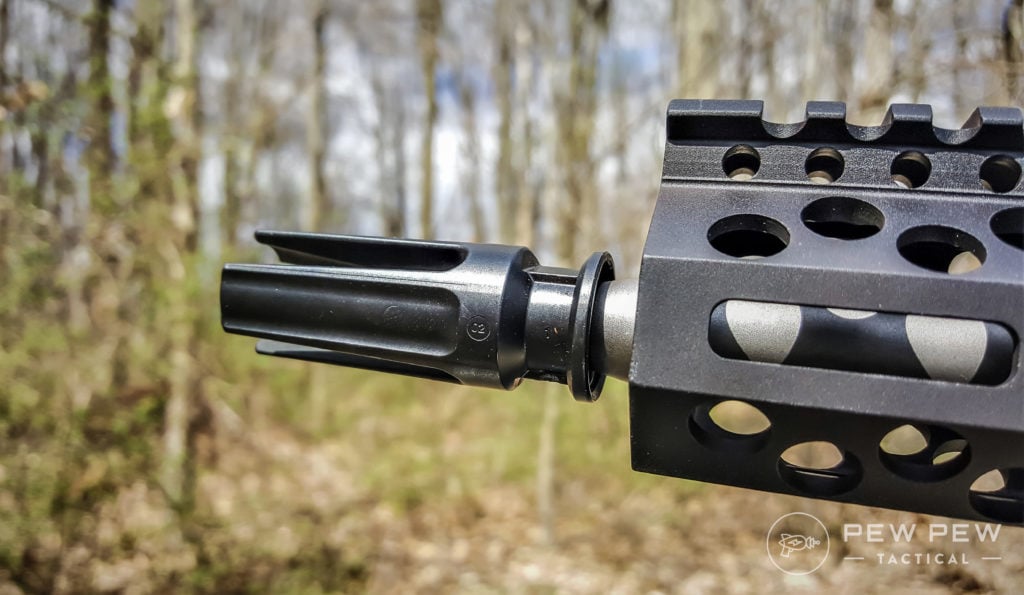
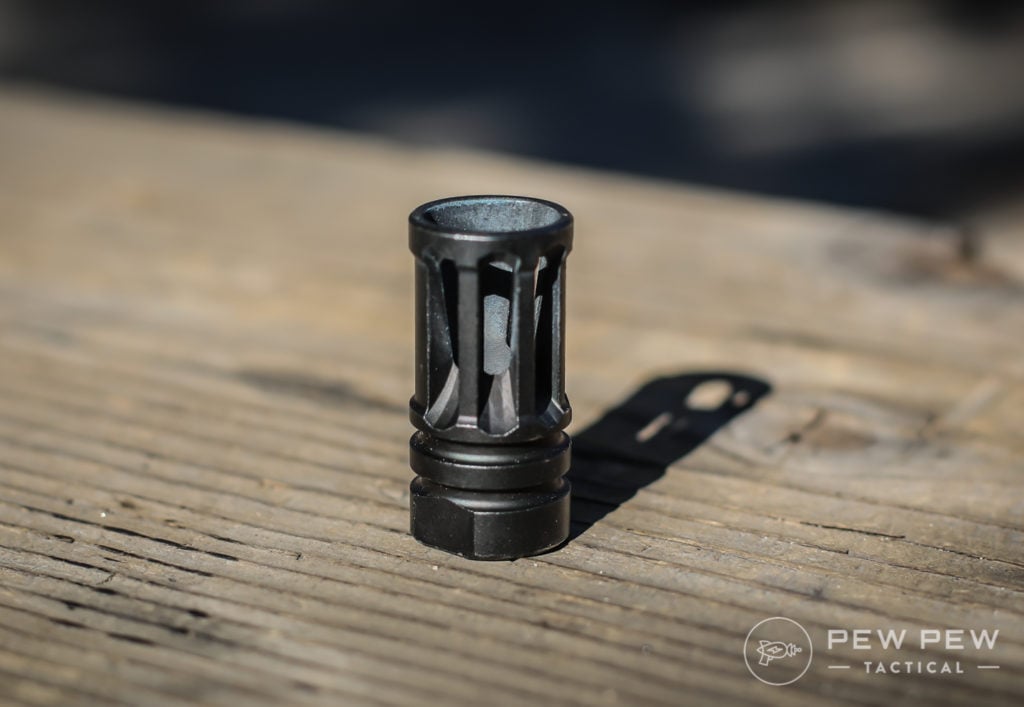
The second and standard equipment for US forces is the A2 birdcage design. Its prongs are contained out front so there's less possibility of snagging.
It is a hybrid muzzle device with some compensator design features.
The Best Gun Deals, Coupons and Finds
Subscribe to Pew Pew Tactical's sales and deals email.
Compensator
Compensators are used to counter the vertical movement up of the barrel (muzzle flip).
It does this by venting the hot gases through openings on top so there's a reaction force downwards.
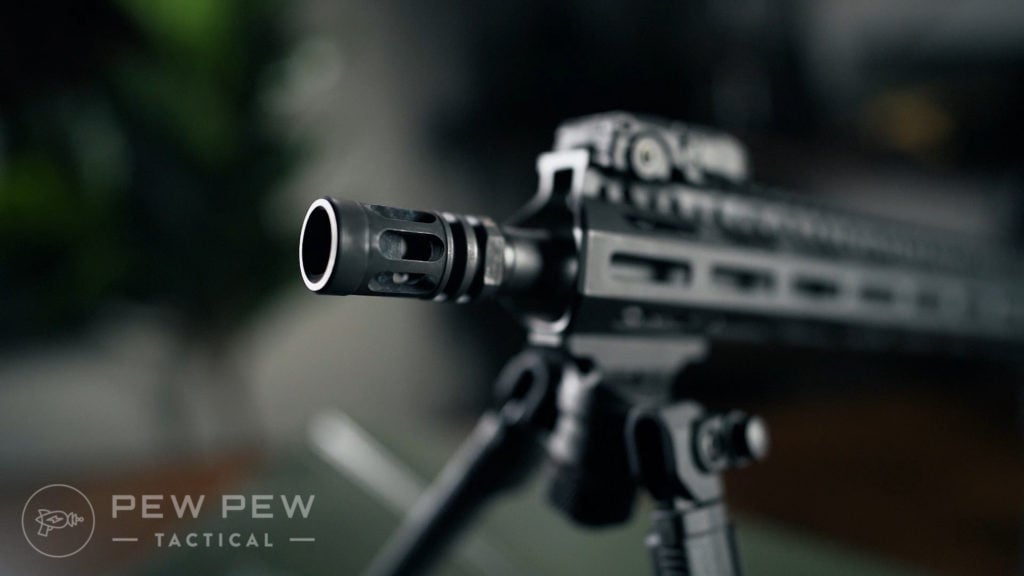
The A2 above has a solid base so the top vents act as a kind-of compensator while also minimizes dust being kicked up if shooting low to the ground.
We don't know of any pure compensators with just holes on top. They usually have a mixture of muzzle brake in there.
While almost all compensators will also act as brakes, not all brakes act as compensators. Why? We don't know, but that's what the market wants!
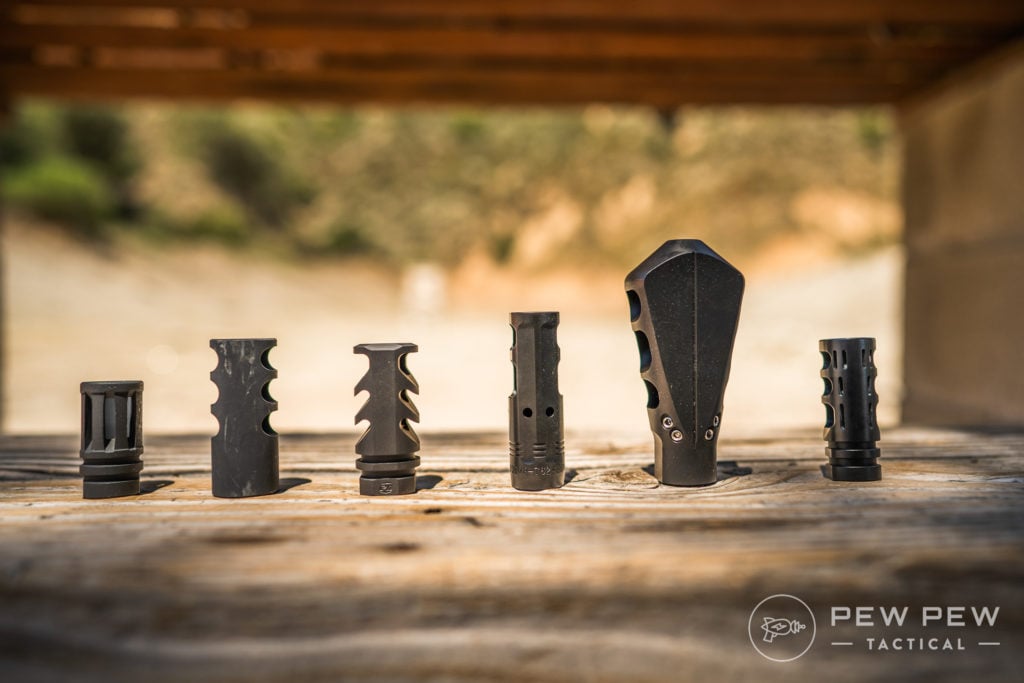
Look for three big openings on each of the sides and a couple holes on top to minimize muzzle flip.
Our Most Popular Posts
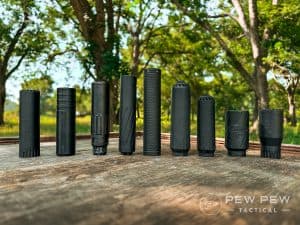
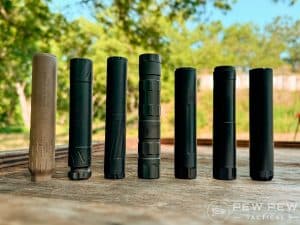
Muzzle Brake
Muzzle brakes help reduce the felt recoil by venting gases to the side. However, this makes it very loud and even forceful (with the pressure wave) for range bystanders or teammates to the side.
Muzzle brakes and compensators usually have exit areas that are roughly the same size as the bullet.
One of the best muzzle brakes out on the market is the above hybrid or Precision Armament's Severe Duty.
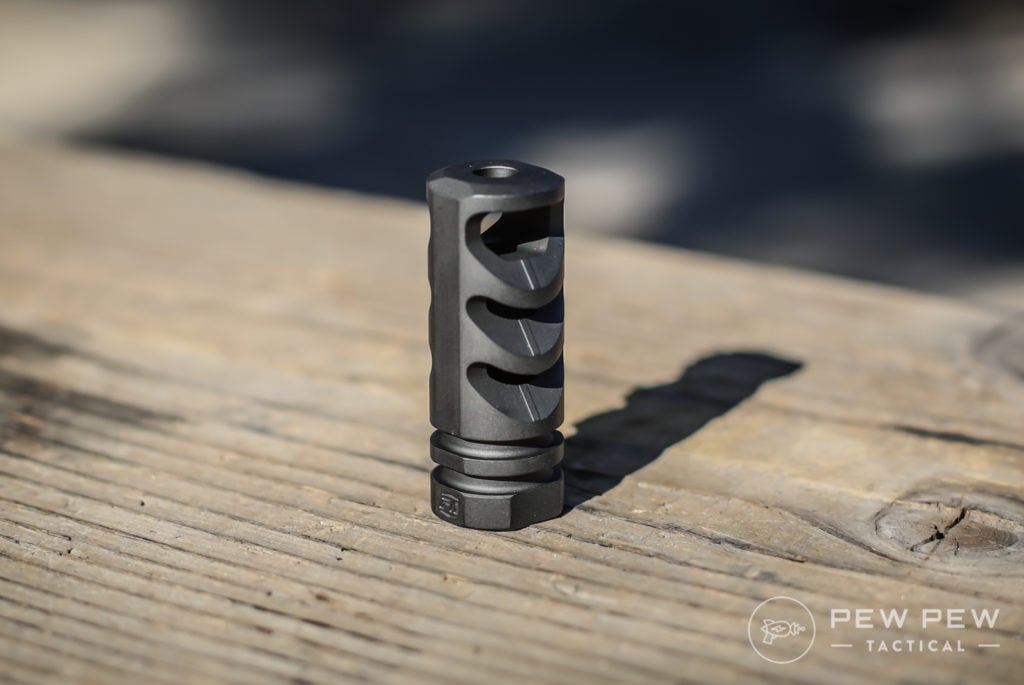
If you want to get most of the braking action, but not blast your friends into the next zip code -- maybe take a look at the SureFire SOCOM brake and Warden comp!
Alternatively, if you're looking for more ways to reduce recoil -- we got you covered: How to Reduce AR-15 Recoil: Stance, Gas, Brakes, & BCGs!
Parting Shots
Choosing a muzzle device will depend on your intended use. If you're going to be shooting at night, you'll likely want a flash hider. Competition shooters may want a combination muzzle brake and compensator.
We'll cover our recommendations for all price ranges in our next article.