
Best Bipods: AR-15 & Bolt-Action Rifles [2026]
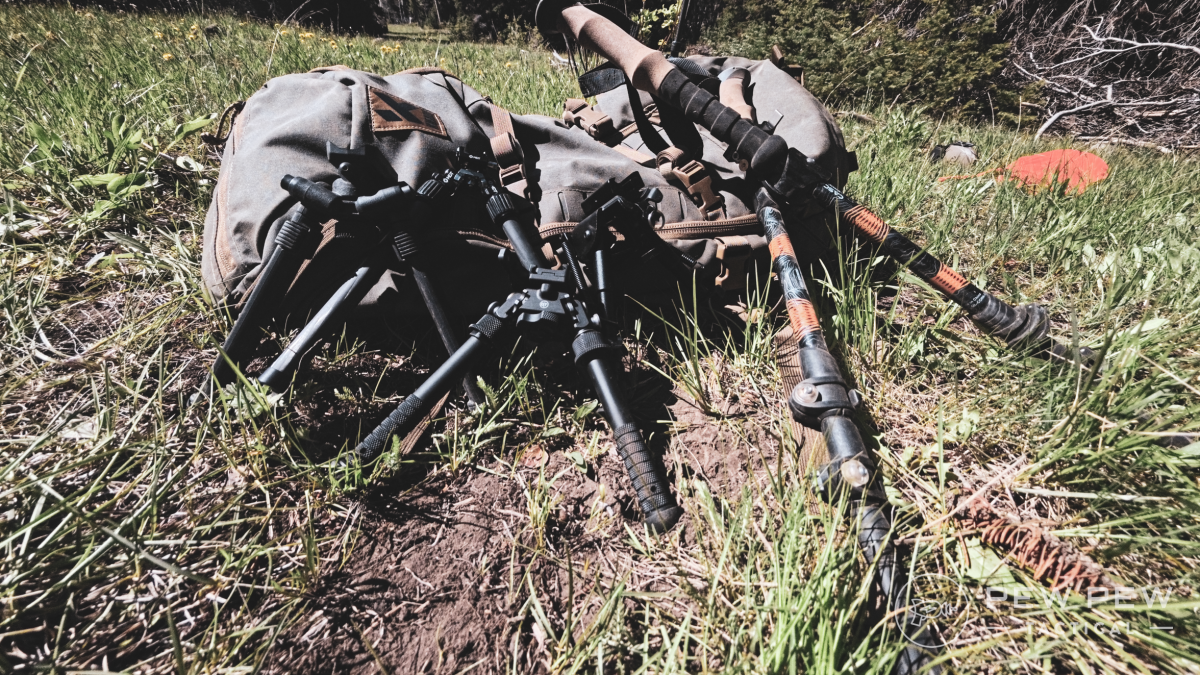
Looking for the best bipod for your hunting rifle or AR-15? We cover what makes a great bipod and a few of the most popular ones out there that we owned or shot with extensively.
We review products independently. When you buy through links on our site, we may earn a commission to help support our testing. Learn more.
A good bipod can mean the difference between a perfect clang of steel or the mournful sigh as your quarry scampers away unharmed.
Using both a big-ole hunting rifle and a modern long-range precision AR build, I shot a couple hundred rounds with some of the best bipods you can buy to see which one reigns supreme.
Whether you’re using a bog-standard hunting rifle or a custom PRS build, these bipods will stand up to whatever abuse you can throw at them.
Here’s what I found.
The Quick List
- Best Overall: MDT GRND-PODJump to Details ↓
- Best Lightweight: MDT BackcountryJump to Details ↓
- Most Adaptable: Tricer RPJump to Details ↓
- Best Budget: CVLIFE BipodJump to Details ↓
- Best for Backcountry Hunting: Wiser Precision Quick-StixJump to Details ↓
- Toughest: Atlas BT46-LW17Jump to Details ↓
- Most Reliable: Magpul MOE QDJump to Details ↓
Table of Contents
Trending: Best AR-15s, Best Pistol Red Dots, & Ammo in Stock
Bipod Comparison Chart
| Price | Height | Weight | Positions | |
|---|---|---|---|---|
| MDT GRND-POD | $209 | 4.5” - 9” | 14-17.5 oz | 4 |
| MDT Backcountry | $299 | 7.5” - 14.3” | 5 oz | Infinite |
| Tricer RP | $349 | 8” - 30.2” | 14.25 oz | Infinite |
| CVLIFE Bipod | $20 | 6” - 9” | 10 oz | 5 |
| Wiser Precision Quick-Stix | $165 | Depends on trekking poles | 5.4 oz | Infinite |
| Atlas BT46-LW17 | $354 | 5.2” - 9.6″ | 13.61 oz | 5 |
| Magpul MOE-QD | $129 | 6.8” - 10.3" | 13 oz | 7 |
How We Tested the Best Bipods
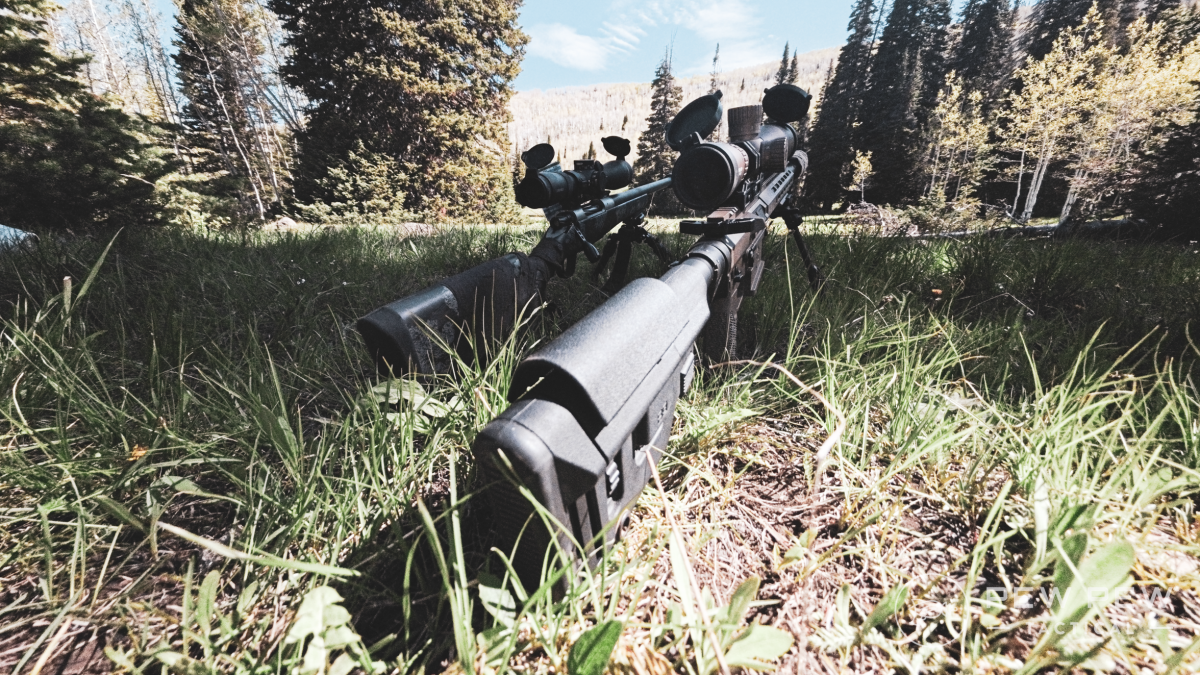
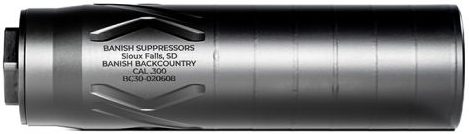
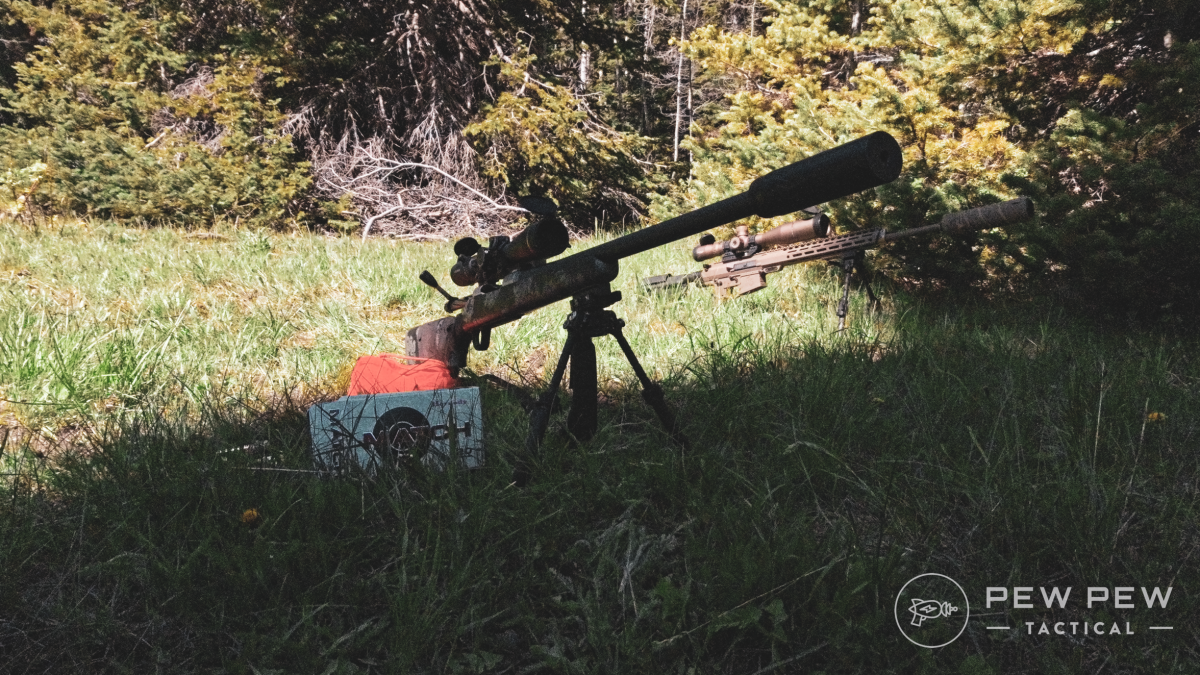
I used two different rifle setups for this test. The first is my hunting rifle, a Christensen Arms Ridgeline FFT chambered in 7mm PRC, capped with a Banish Backcountry suppressor that doesn’t exactly minimize recoil (the muzzle brake might be returning after this test, as my shoulder still hurts).
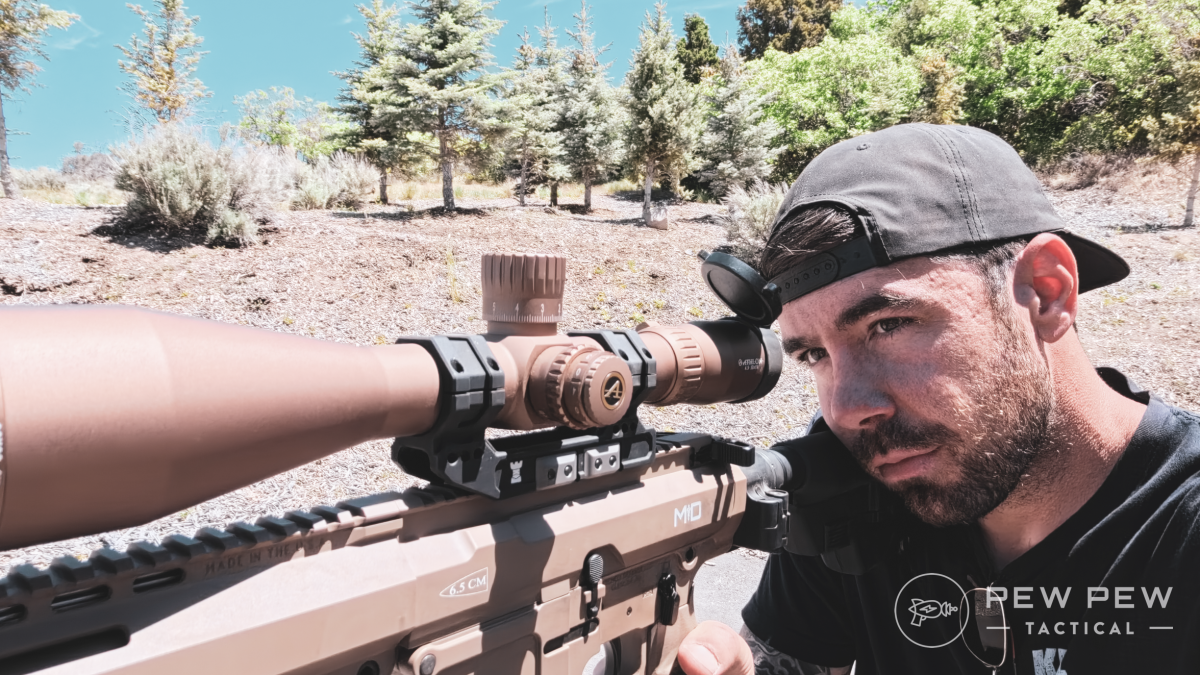
Alongside it was a Mitchell Defense PipeHitter AR-10 in 6.5 Creedmoor with a 22-inch Proof Research barrel and a Q Speakeasy suppressor.
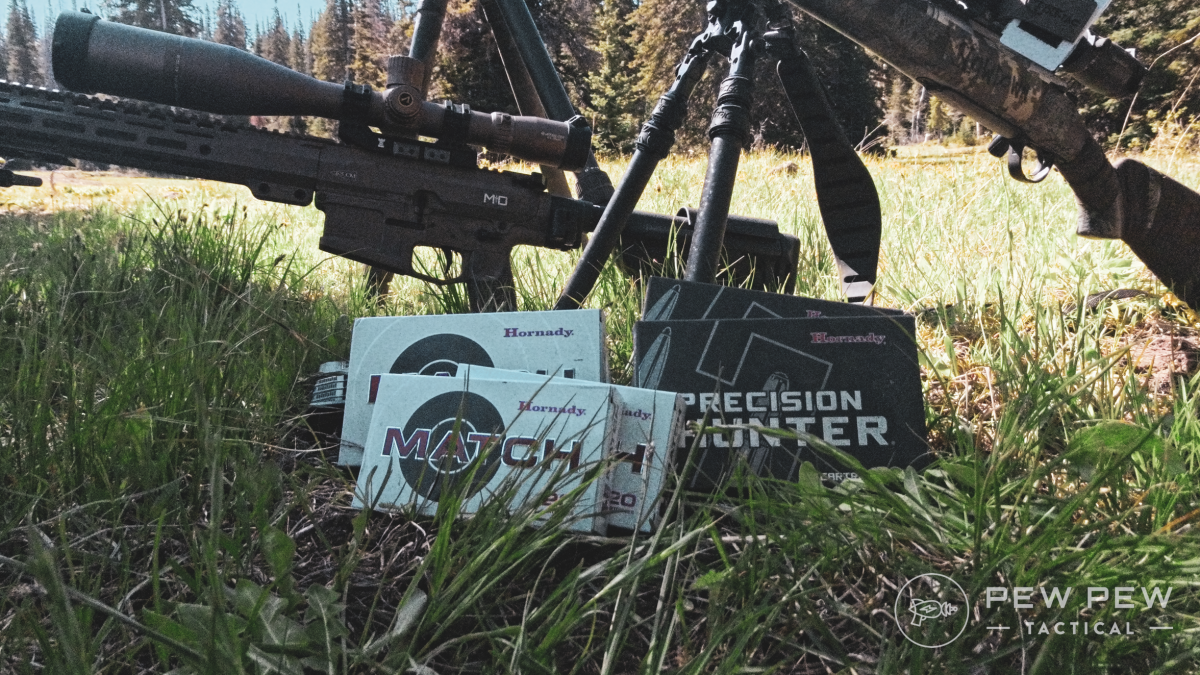
I used two different types of factory Hornady ammunition: ELD Match and Precision Hunter.
I tested each bipod here in the field (two while hunting), and on level and uneven ground. I took uphill, downhill, and sidehill shots to see how the bipods would react to real-world scenarios, and they weren’t treated as anything special or delicate.
They were used.
Meet the Experts
This article comes to you from Jonathon Klein. Jonathon has been shooting pistols, rifles, and AR platforms since his teens, but more recently fell into the world of hunting and shooting. His home base of Utah allows him access to massive amounts of huntable public lands, which also make for excellent areas for long-range target practice in real-world conditions. His office is a gear lover’s paradise, though some may describe it as “hoarding.”
Editor-in-Chief Jacki Billings runs our experienced team of reviewers. She is a National Rifle Association Basic Pistol Instructor as well as a member of the Society of Professional Journalists, ACES: Society for Editing, and the Professional Outdoor Media Association. Jacki has a bachelor’s degree in journalism and has worked as a media professional for close to 20 years, specializing in gun media for almost 10 years. With 2,000+ articles to her name, she uses her professional journalism and editing experience to set testing protocols and editorial standards for Pew Pew Tactical.
Best Bipods
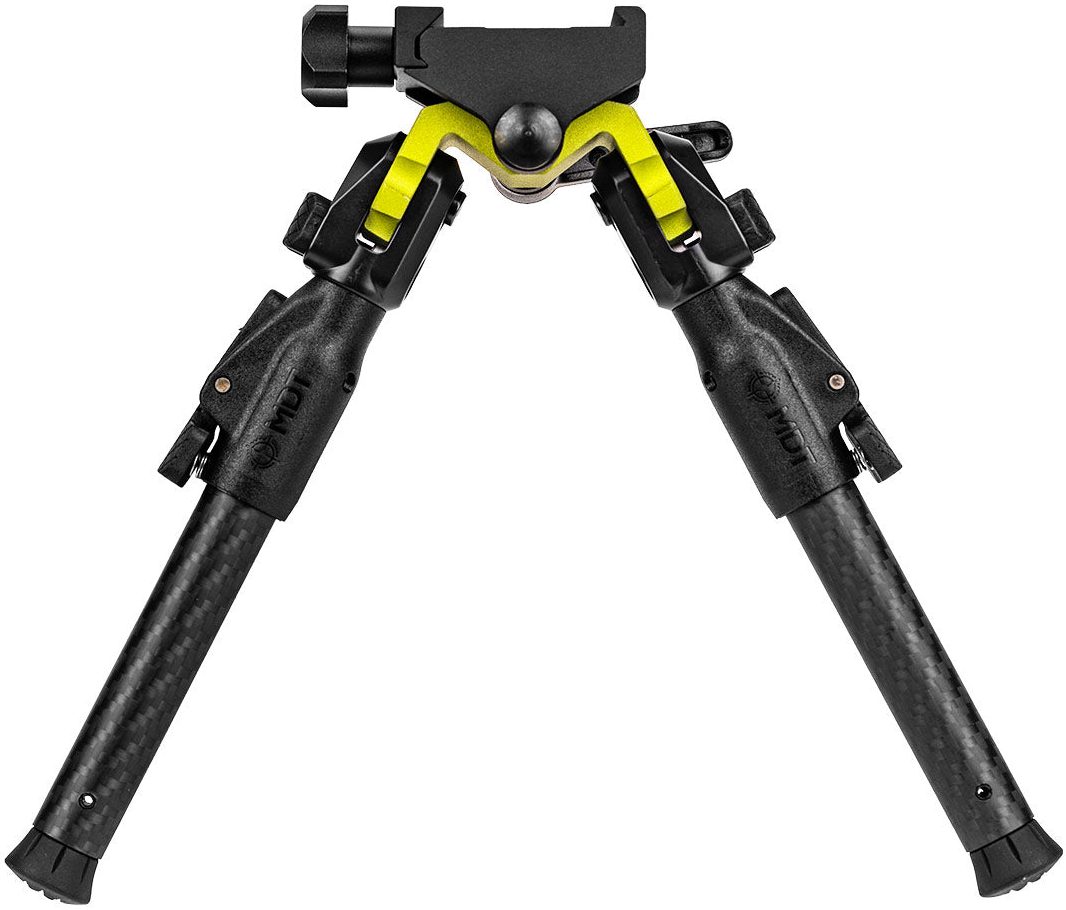
1. MDT GRND-POD - Best Overall
Pros
- Easiest operation of any bipod tested
- Relatively inexpensive
- Works for hunting or long-range-type shooting
- Multiple mounting options
Cons
- There’s a miniscule amount of play when fully extended
The Bottom Line
The MDT GRND-POD surpassed all the other bipods in my testing. It wasn’t just strong, stable, relatively inexpensive, or easy to operate; it was all of those things and more. Dollar for dollar, you can't really beat it.
Stats
- Height: 4.5" - 9”
- Weight: 14 oz - 18 oz
- Positions: 4
MDT knocked it out of the park with the GRND-POD. The four-position, single pull operation was fast and easy to use when attached to the Mitchell Defense PipeHitter platform. Built for modern precision shooting, it lets you find your target, quickly set up, take the shot, and move on.
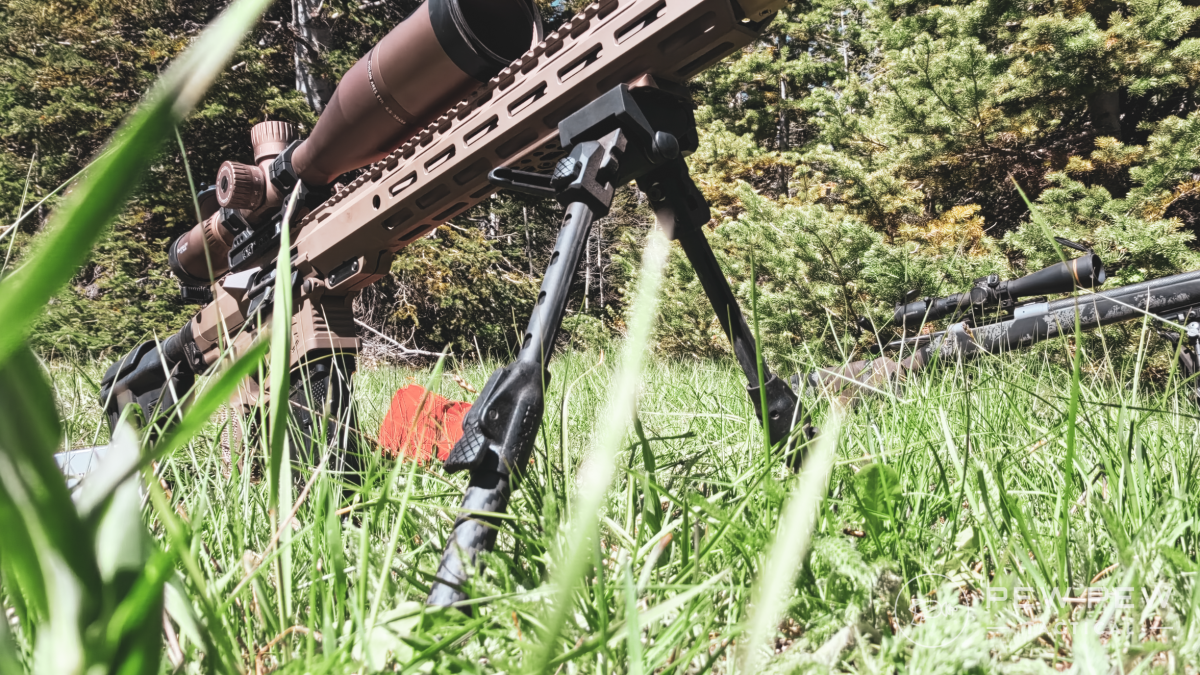
But more than that, it does so while mitigating recoil with the best of them, as there’s a heft to the bipod that furthers the rifle’s connection to whatever you’re shooting off of.
That recoil mitigation is worth talking about, too. While the PipeHitter is meant for long-range competition, meaning it’s built heavy, and the 6.5CM round is not the spiciest in town in terms of recoil, the MDT GRND-POD reduced felt recoil even more thanks to its rubber footing, solid leg extension mechanism, and its rigid carbon construction.
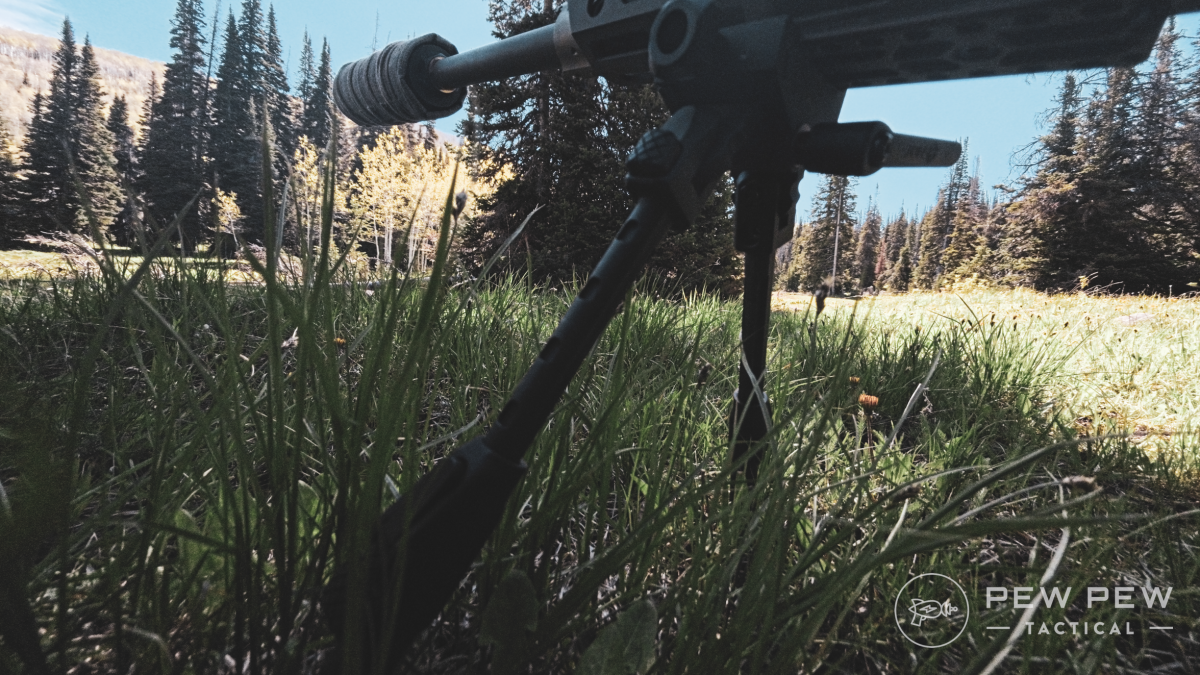
I got greedy during one test and slung 20 rounds downrange, one after another, and rang steel each and every time at 350 yards. (Thank you, Hornady, for the ammunition.)
Moreover, the GRND-POD comes in a host of different mounting options. You can get it in Picatinny, M-LOK, and sling-stud configurations. The world is your oyster.
Pricing on the GRND-POD isn’t anything to shake a stick at, either (cue Kentucky Ballistics shaking a stick at things). It punches far above its $209 price tag.

If there is something to be aware of, there’s the most minuscule amount of play within the leg operation when they’re fully extended. However, you really have to be paying attention to it to notice. Otherwise, you’ll never feel anything.
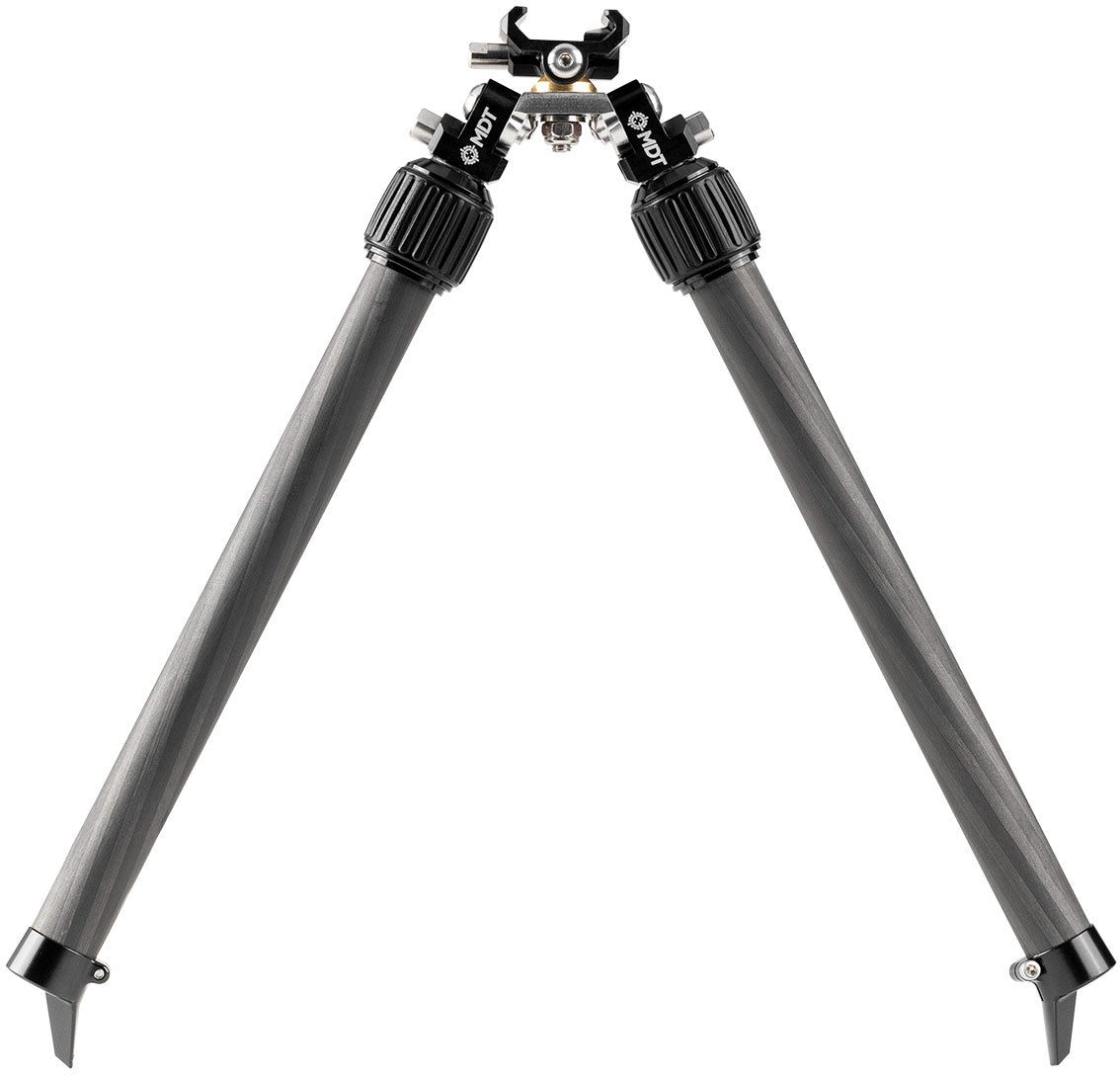
2. MDT Backcountry - Best Lightweight
Pros
- So light you forget it’s there
- Solid platform that digs into the dirt for even more solid footing
- Minutely adjustable so you can get the perfect height
Cons
- Adjustable leg cant would be appreciated in a hunting bipod
The Bottom Line
When you have to justify every ounce, the MDT Backcountry is the bipod you want. It adds minimal weight without compromising its rock-solid stability. Sharp foot spikes and quick adjustments make quick work of uneven terrain in the field.
Stats
- Height: 7.5” - 14.3”
- Weight: 5 oz
- Positions: Infinite
“Is a bipod even attached?” That was a constant refrain in my head with the MDT Backcountry attached to the Christensen Arms Ridgeline FFT test rifle.
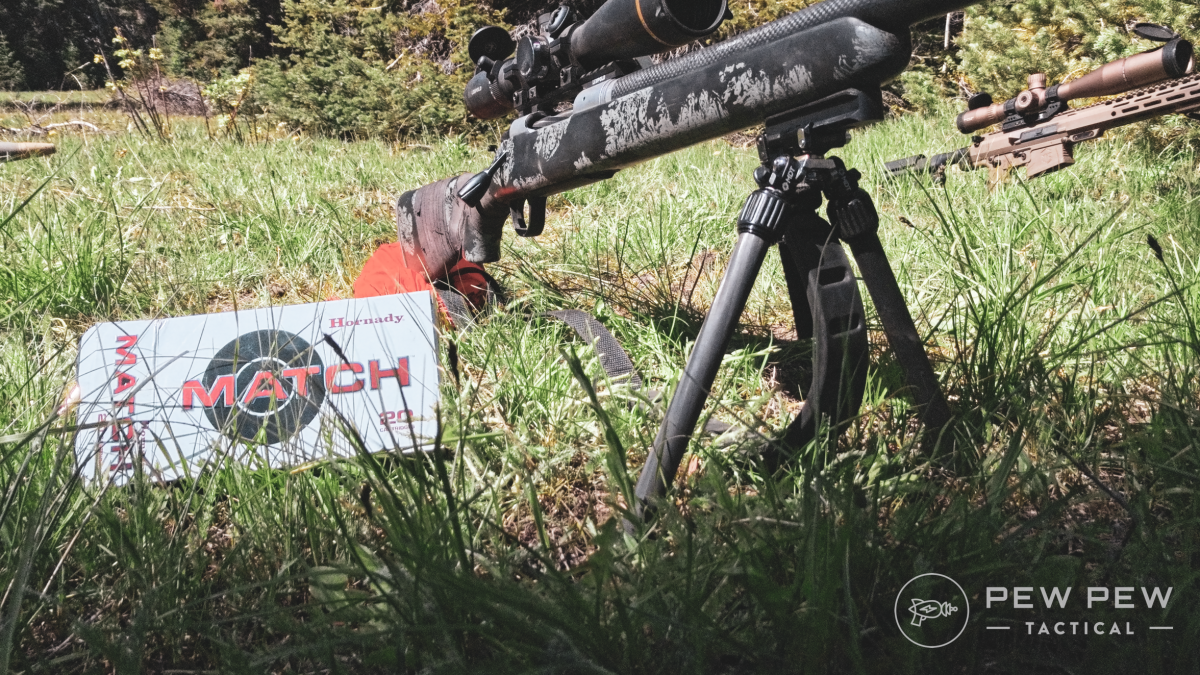
The Backcountry’s barely 5-ounce weight made absolutely no difference to the light rifle’s portability. For backcountry hunters and folks who want to run extremely light setups, this is the bipod for you.
MDT’s Backcountry combines aluminum, carbon fiber, and titanium – the holy trinity of lightweight materials – for a combo that’s stronger and lighter than the sum of its parts.
Designed for lunatics who count grams and ounces, the MDT still makes for an amazingly stable shooting platform when prone, and tames recoil with the best of the other bipods tested here.
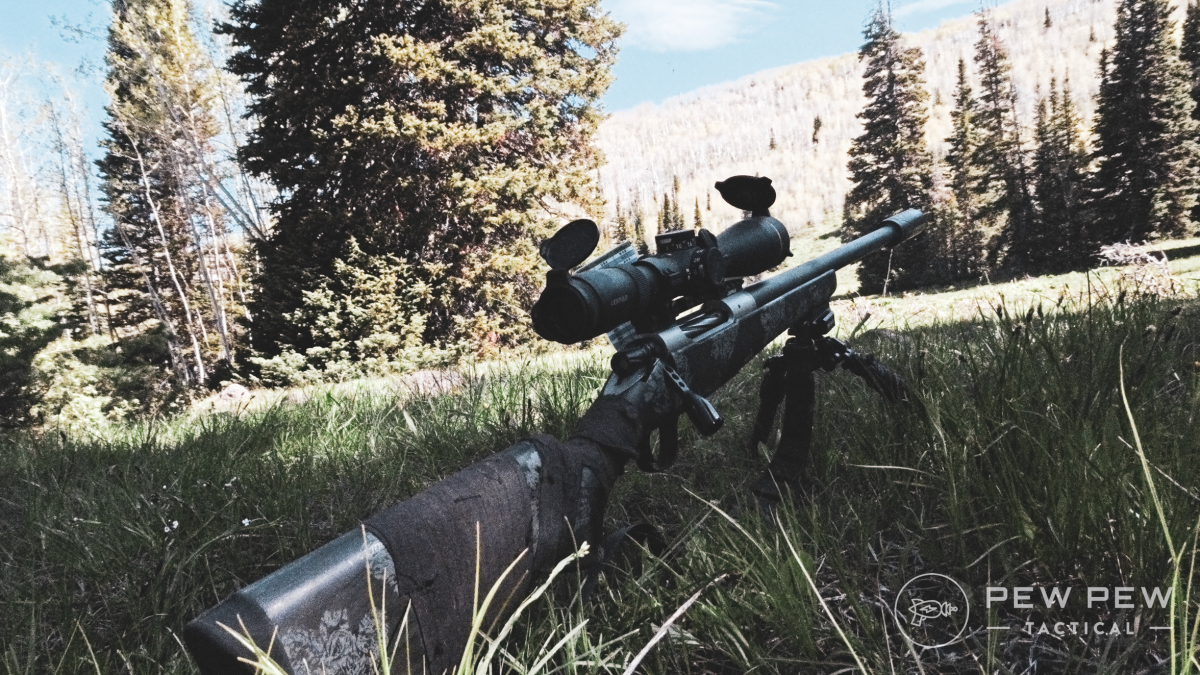
But whereas the MDT GRND-POD and Atlas BT46-LW17 feel like central weights anchoring the 7mm PRC hunting rifle to the ground, the Backcountry seemingly takes a different tack, sinking its sharp footing into the ground, and keeping the big-bore shockwaves in check by rooting itself in the Earth below it.
It grounds the rifle to the ground, to paraphrase the infamous Toyota commercial from back in the day.
Operating the bipod is smooth and painless, with a twist-and-pull operation along with a button leg adjustment. And getting the bipod to exactly where you want it to be on target felt incredibly quick to routinely get right.

My only issue with this bipod is that it doesn’t have an adjustable leg cant function.
That doesn’t sound like much of an issue, but this bipod was really built for hunters, and that sort of adjustability, like that from the Tricer RP, allows for a more stable shooting position when the terrain can’t support a prone position.
Having the legs be adjustable outward would go a long way to making this the perfect backcountry hunting bipod, as its price is too good not to be in the running.
What do you think of the MDT? Rate it below!
Readers’ Ratings
4.99/5 (2375 Votes)
Your Rating
Level up your gun knowledge
New reviews, guides and daily deals in your inbox.
3. Tricer RP - Most Adaptable
Pros
- Damn-near infinite adjustability
- Competitively priced
- Great for side-hill and steep mountain terrain
- Comes with all the mounts in one package for easy rifle switching
Cons
- Can get wobbly when fully extended
The Bottom Line
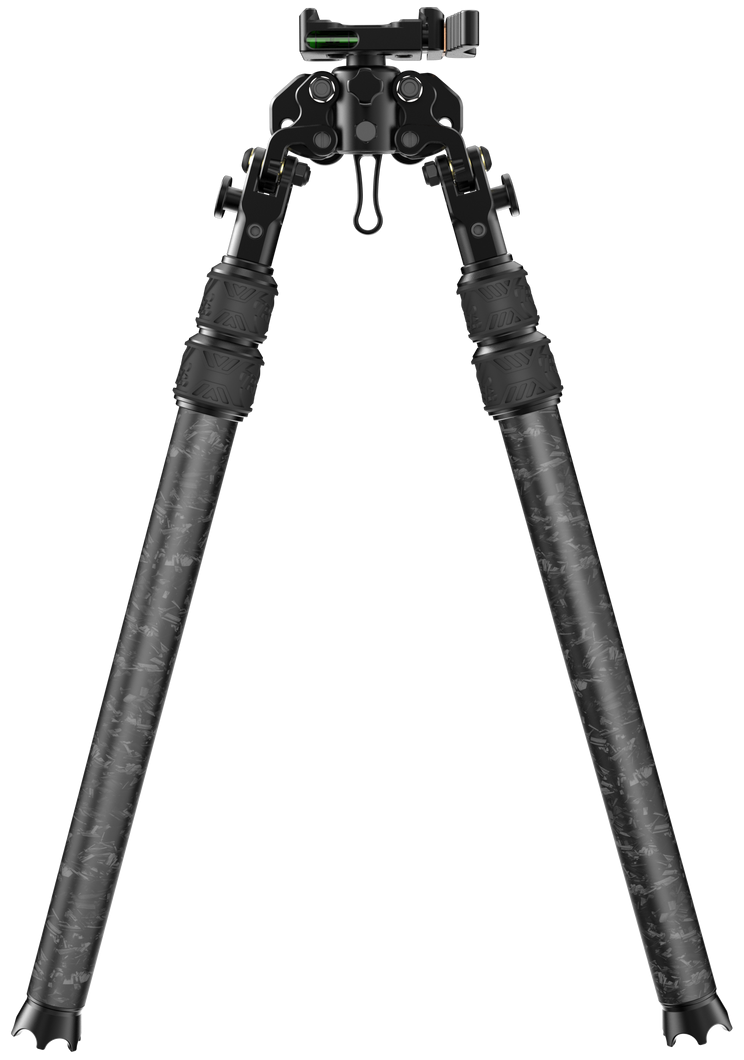
Unlike most rifle bipods, the Tricer RP isn't limited to primarily shooting from the prone position. Its 30-inch maximum height is great for seated shooting, downward slopes, and all kinds of challenging terrain. At the same time, it's light enough for a multi-day backcountry hunt or fast-paced PRS match.
Stats
- Height: 8” - 30.2”
- Weight: 14.25 oz
- Positions: Infinite
Tricer is the new player on the field, and has riled up the industry with the brand’s RP bipod. Why? Because this is easily the most adaptable bipod around.
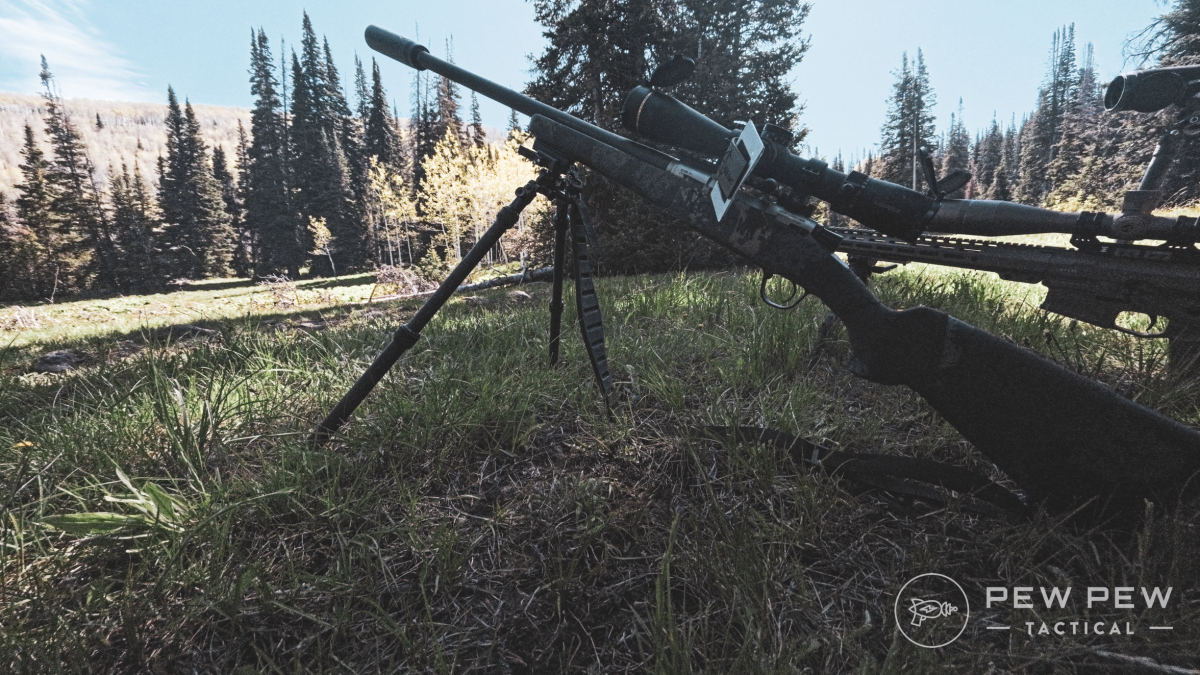
The Tricer RP offers a staggering span of 8- to 30-inches with its twist-adjustable leg extensions, as well as cant and forward or back-facing pivot points. This means that no matter the shooting situation, the shooter can get into the perfect, most rock-solid position to make the best shot possible.
And while the operation of the system seems overly complex at first glance (there’s buttons everywhere, along with the legs’ twist adjustments), it’s so intuitive that you won’t even think about it when the time comes for adjusting it on the fly.
This bipod also shines in uneven ground environments. I took it black bear hunting over the spring, where the mountains are steep, jagged, and a prone shooting position isn’t likely in the cards.
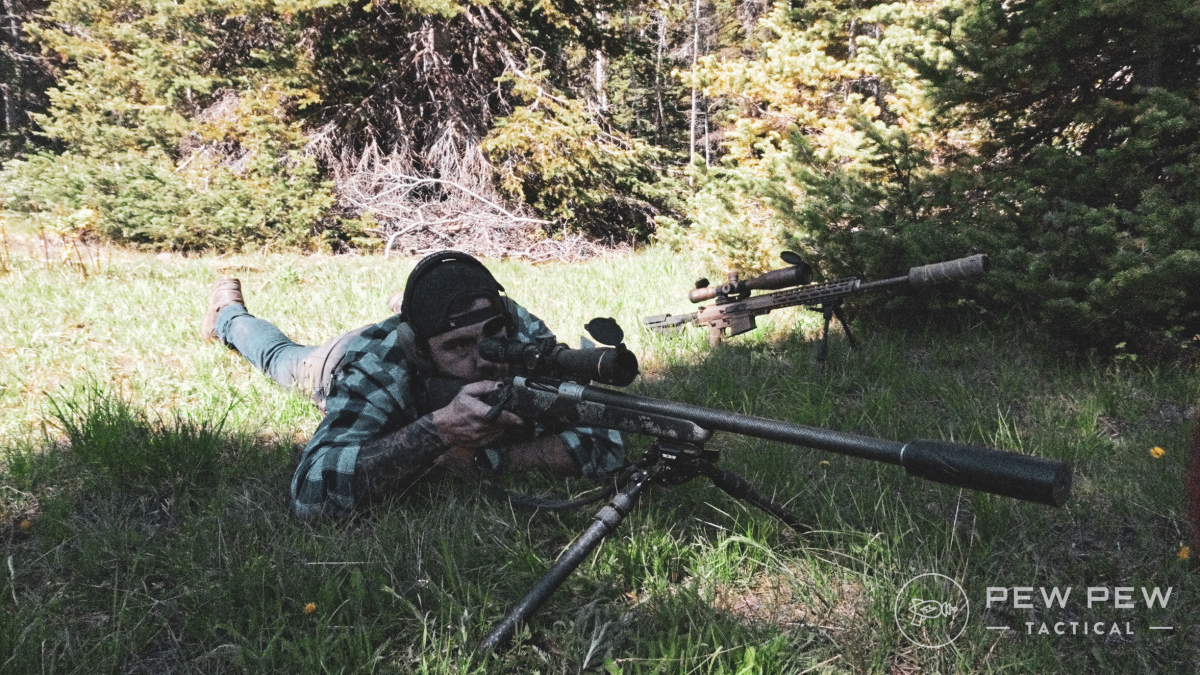
Unfortunately, no bear came home with me, but in my testing at the range and in the woods, recoil reduction was excellent with the legs extended forward and to the side, soaking up the Ridgeline FFT’s 7mm PRC power.
Whether shooting prone or seated, I could get behind the gun and put rounds downrange with quick follow-up shots if need be. The only time the bipod suffered was when the legs were fully extended and at their steepest angle.
Tricer’s RP bipod is one of the lightest here. That means that there’s some wobble when fully extended. It’s not the worst I’ve encountered, but there’s just enough play that recoil tends to be a little more exaggerated compared to when it’s in a lower position, even when you’re pushing into the gun and holding onto one of the legs.

Yet, for the price, and how much you get with the setup (which includes a sling-stud mount, an ARCA rail, a set of small legs, and the big leg setup) it’s hard to beat for hunters and precision shooters alike.
4. CVLIFE Bipod - Best Budget
Pros
- Cheap and effective
- Holds on target well
- Operation is easy
Cons
- The materials aren’t the best around
- Setup is a little fiddly, and not as intuitive as you might imagine
The Bottom Line
Shooters on a budget will be thrilled to know that you can get a CVLIFE bipod for right around $20 on Amazon. Think of it as a bargain-basement alternative to a Harris bipod. It's simple, effective, and leaves lots of money in your pocket for training ammo.
Stats
- Height: 6” - 9”
- Weight: 10 oz
- Positions: 5
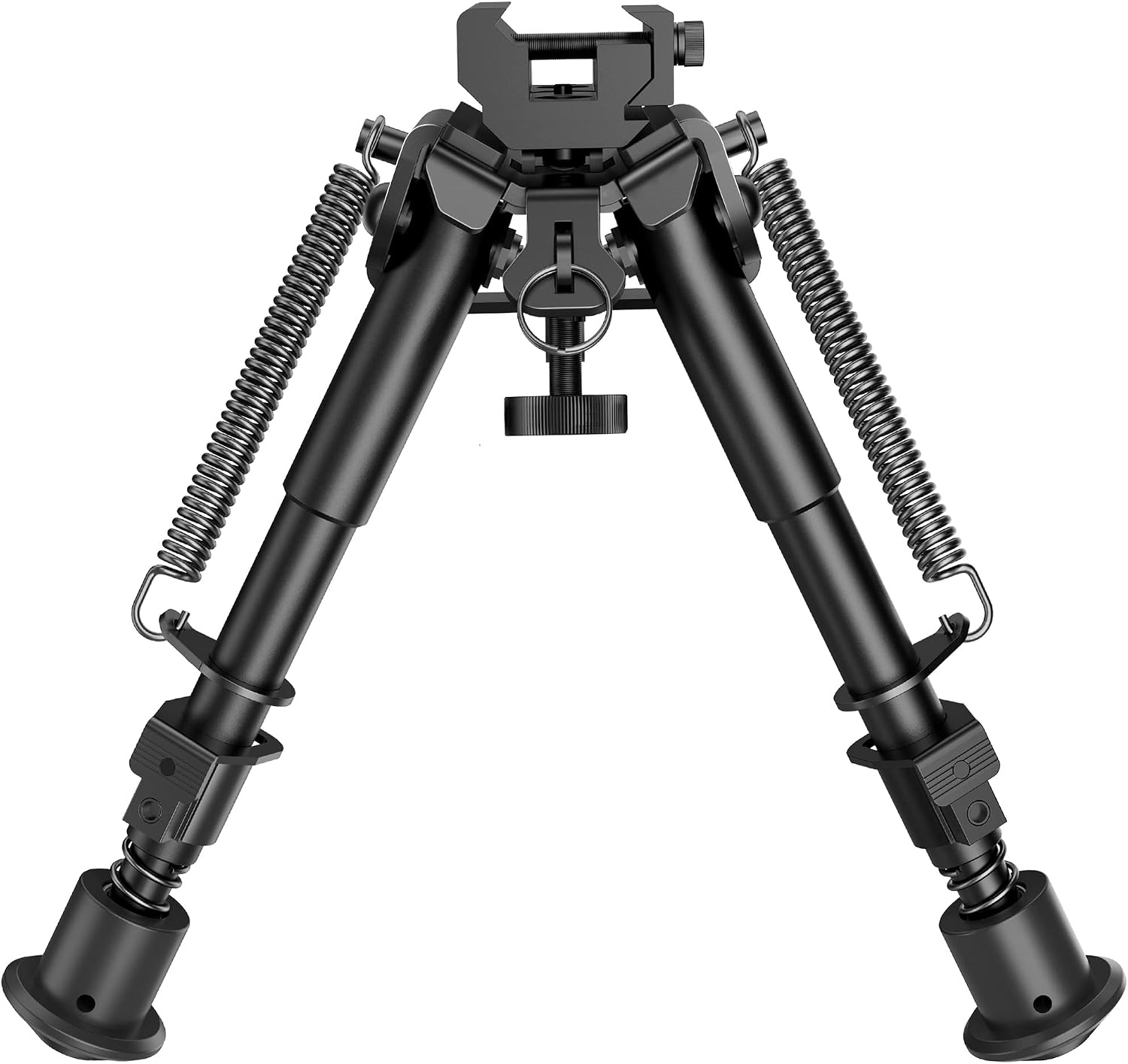
Bipods don’t have to be expensive, especially if you’re someone who picks up an AR-15 or hunting rifle once or twice a year. Sometimes, you just want something cheap and effective. This bipod from CVLIFE definitely fits that bill.
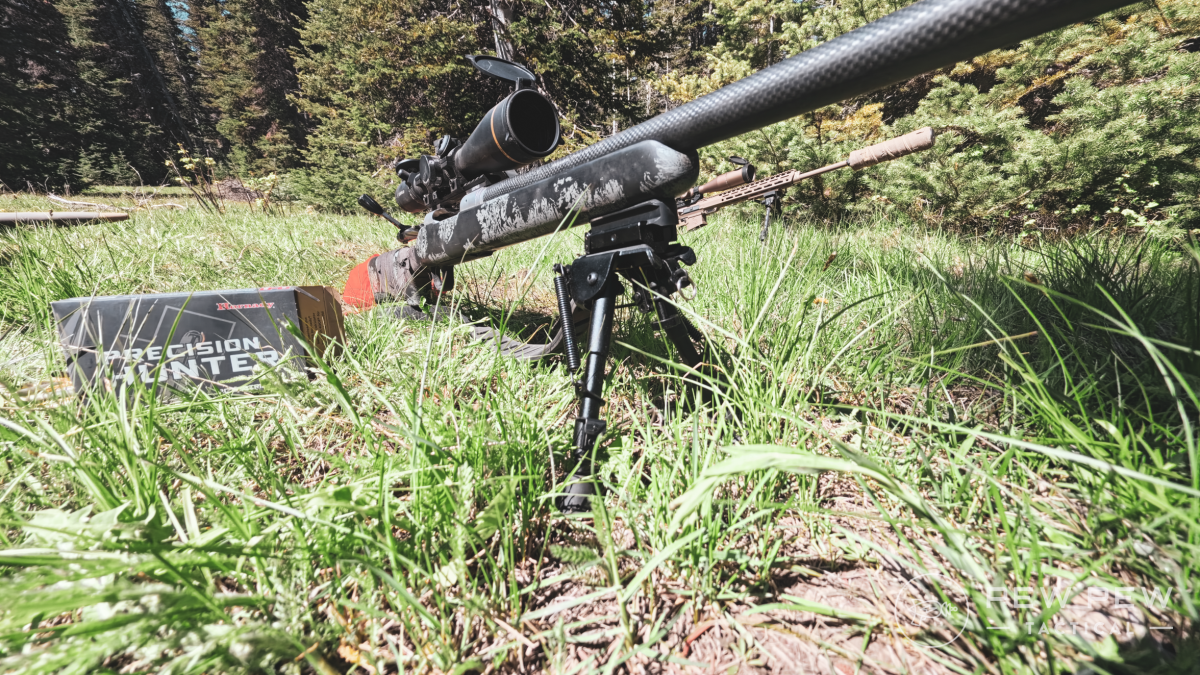
The bipod is stamped metal and features a spring retention system for its legs. Out of the box, it can be used with a Picatinny mount or sling stud.
Setup is slightly fiddly. A knob retention system connects the pieces together, and if you’re not holding it right, the whole thing can fall apart. But for the average shooter, you’re likely going to set it up once and forget it, just like a Ronco Showtime Rotisserie oven.

As for its operation, the legs are easy to pull into place, and there are five positions for height. The height mechanism takes some getting used to, but after a while, you’ll get the hang of it.
The CVLIFE managed felt recoil on the Christensen, which isn’t an easy thing to do.
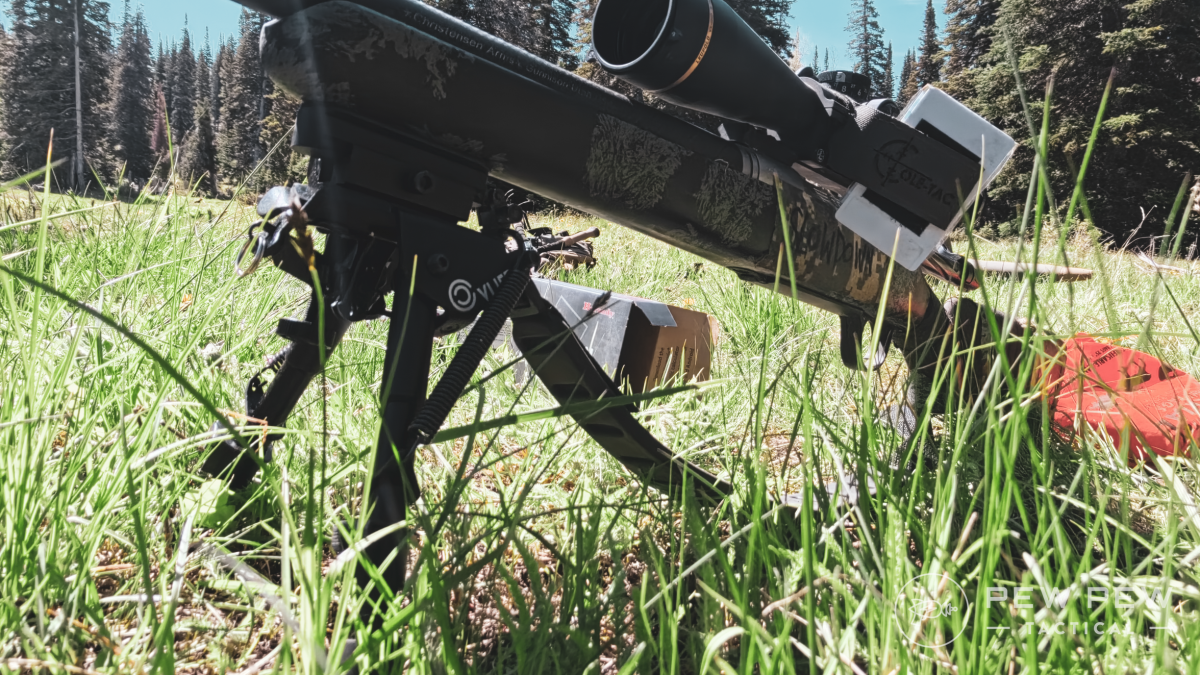
About the only knock on the CVLIFE bipod is that the materials don’t feel like the most robust around. Though it survived being dropped on the ground, put through the rain and mud, and generally treated like an old rag, there was always a nagging suspicion that it would break in truly rugged terrain.
But for the shooter or hunter who doesn’t need the best of the best, you cannot beat the $20 price of the CVLIFE bipod.
5. Wiser Precision Quick-Stix - Best for Backcountry Hunting
Pros
- Integrates into your existing trekking poles
- Trekking pole height can give you better capabilities on the mountain
- Great platform when prone isn’t an option
- Easy setup
Cons
- The Quick-Clip attachment can be fiddly to lock into place
- Setting the Quick-Stix angle requires an Allen wrench
The Bottom Line
If you use trekking poles, Wiser Precision Quick-Stix are a great way to convert them into a rifle bipod in seconds. They only cost about $40, and take advantage of gear you already own. For long shots in the backcountry, these are tough to beat.
Stats
- Height: Trekking pole dependent
- Weight: 5.4 oz (full system)
- Positions: Infinite
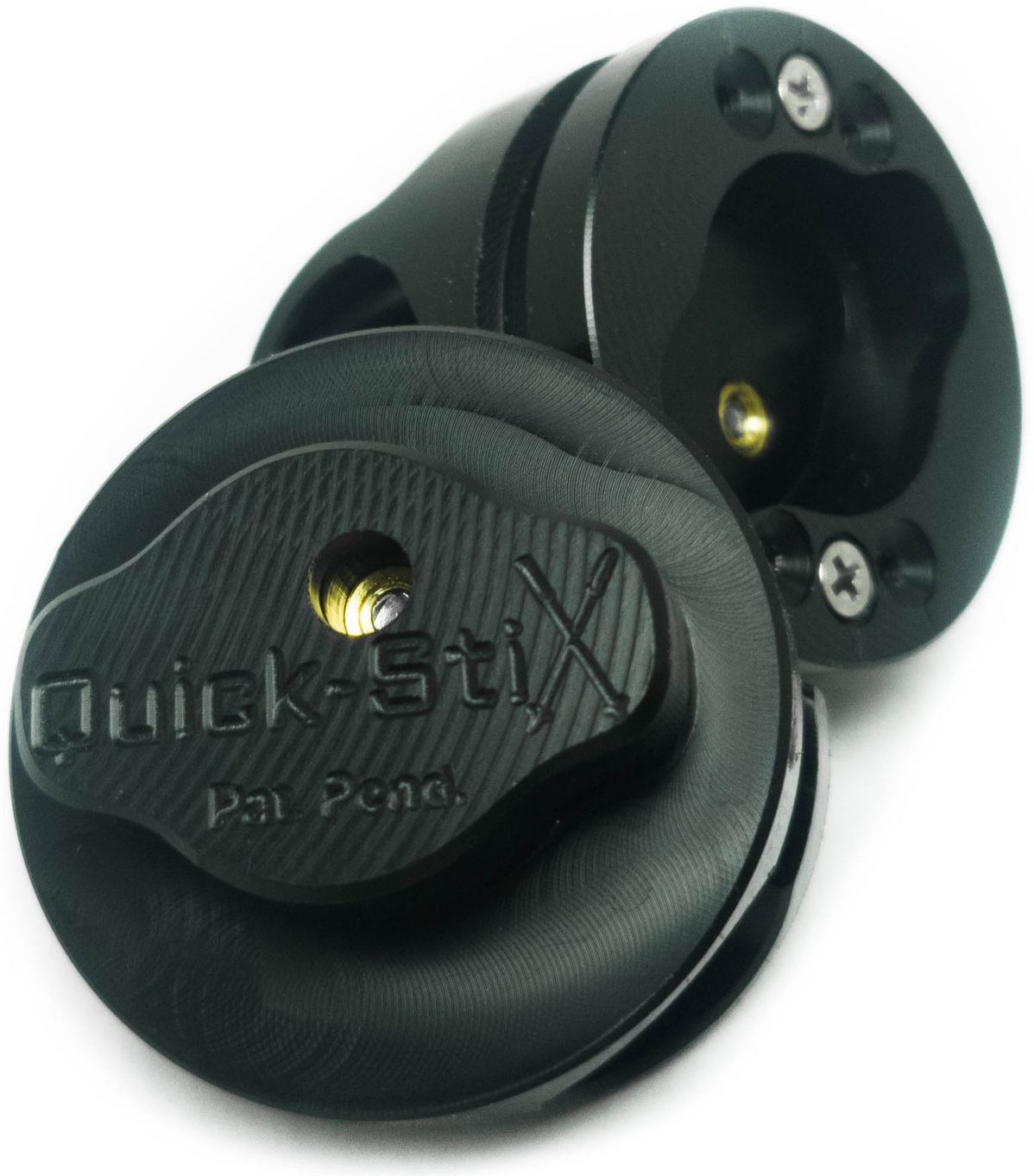
At first, the Wiser Precision Quick-Stix system was the dark horse of the competition, as it’s not exactly a traditional bipod. Instead, it utilizes your trekking poles as a base.
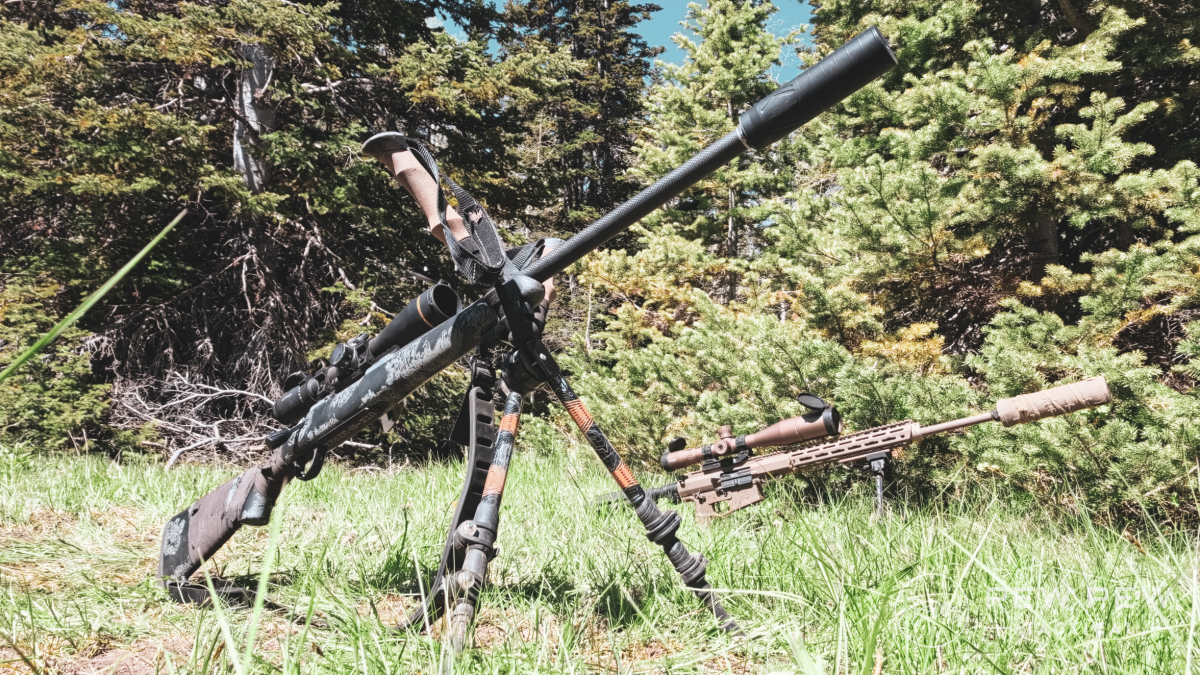
With a small allen head, you can set the bipod’s angle. When the time comes to shoot, use the Quick-Stix and your poles to shoot off of.
That doesn’t sound like the most stable of shooting platforms, but I was shocked at how easy it was to stay on target at both near and far ranges, and how stable the whole setup was.
Where the Quick-Stix system shines is how adjustable it is, thanks to how adjustable your trekking poles are.
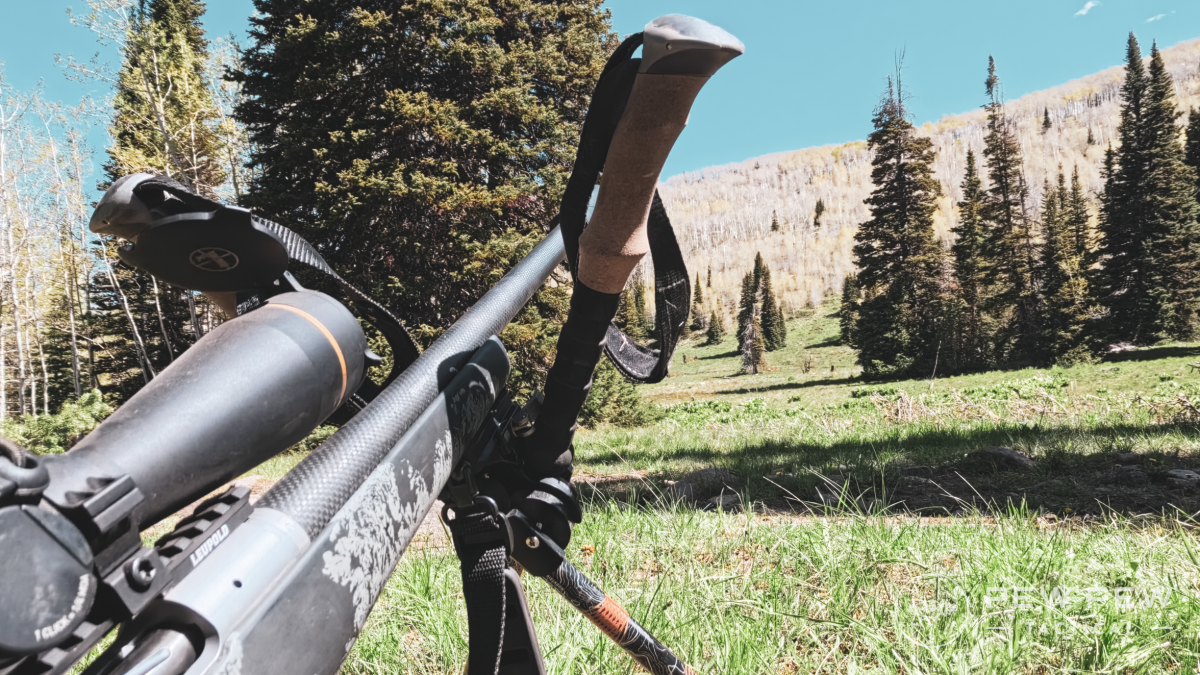
You can go prone with the poles fully collapsed, sit with them half extended, or stand behind it with the poles at their full length. And at each, you can brace yourself and push your shoulder into the rifle’s stock to get a better follow-through.
Recoil management, even when fully extended, felt as if I had an internal buffer. Follow-up shots were quick and painless.

Moreover, the Quick-Stix is the second most inexpensive option on this list, at $40.
If you want the Picatinny mount for an even more stable system, it tacks on an extra $125. But even so, that’s a bargain for the performance you’re gaining.
Our Most Popular Posts
6. Atlas BT46-LW17 - Toughest
Pros
- Indestructible
- Feels as if it’s made of granite, even when fully deployed
- Operation is incredibly simple
Cons
- The cant function has very tight tolerances out of the box
The Bottom Line
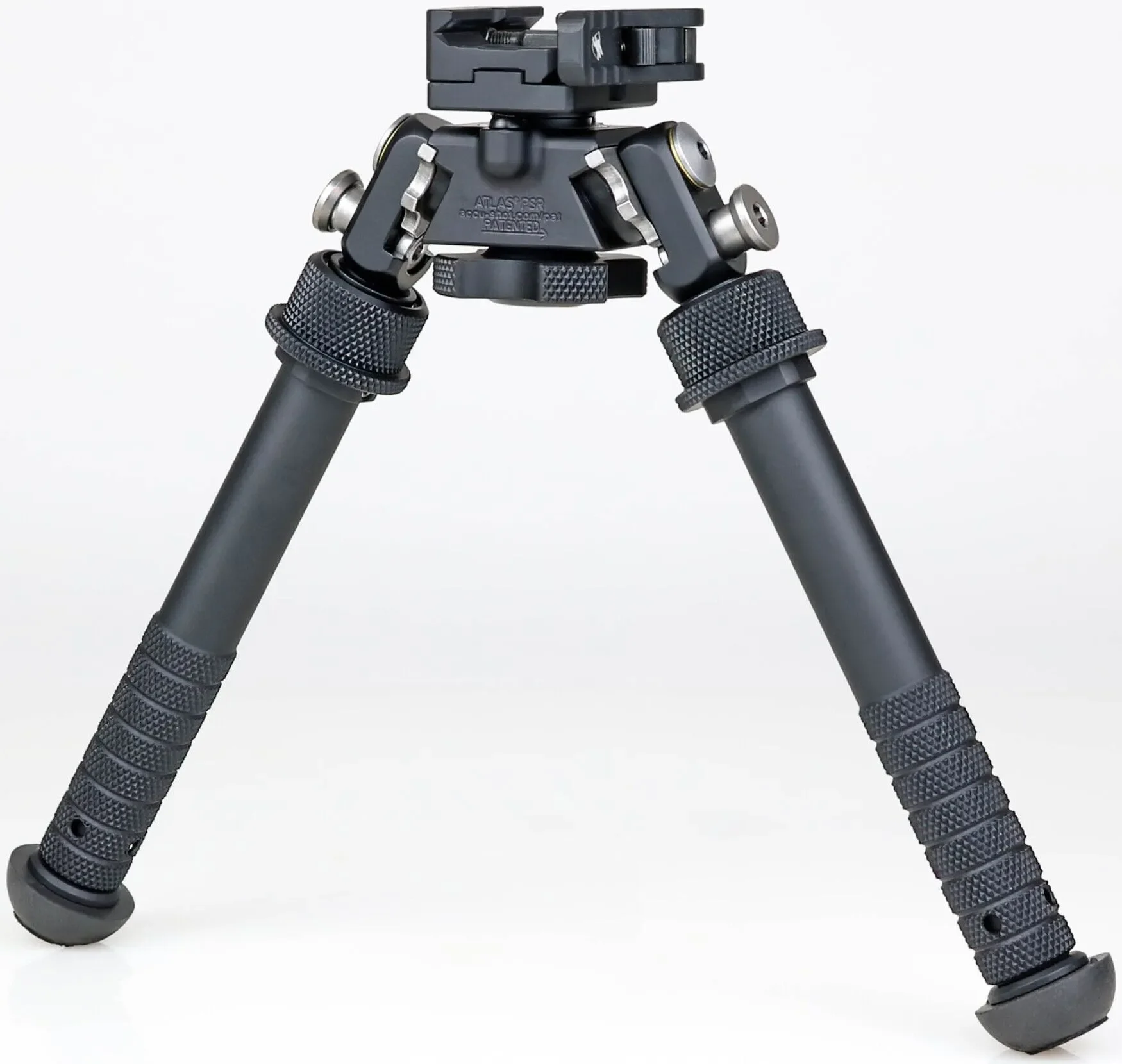
Nothing supports a hard-hitting AR-10 or bolt gun quite like the Atlas BT46-LW17. This metal bipod offers incredible stability in five positions, and easy on-the-fly adjustments. This time, you get what you pay for.
Stats
- Height: 5.2” - 9.6″
- Weight: 13.61 oz
- Positions: 5
The Atlas BT46-LW17 bipod feels as if not even a nuke would damage it. Between the tight tolerances within the leg’s extension mechanism, the Picatinny mount itself, and its cant adjustment, it may well be a single piece of steel.
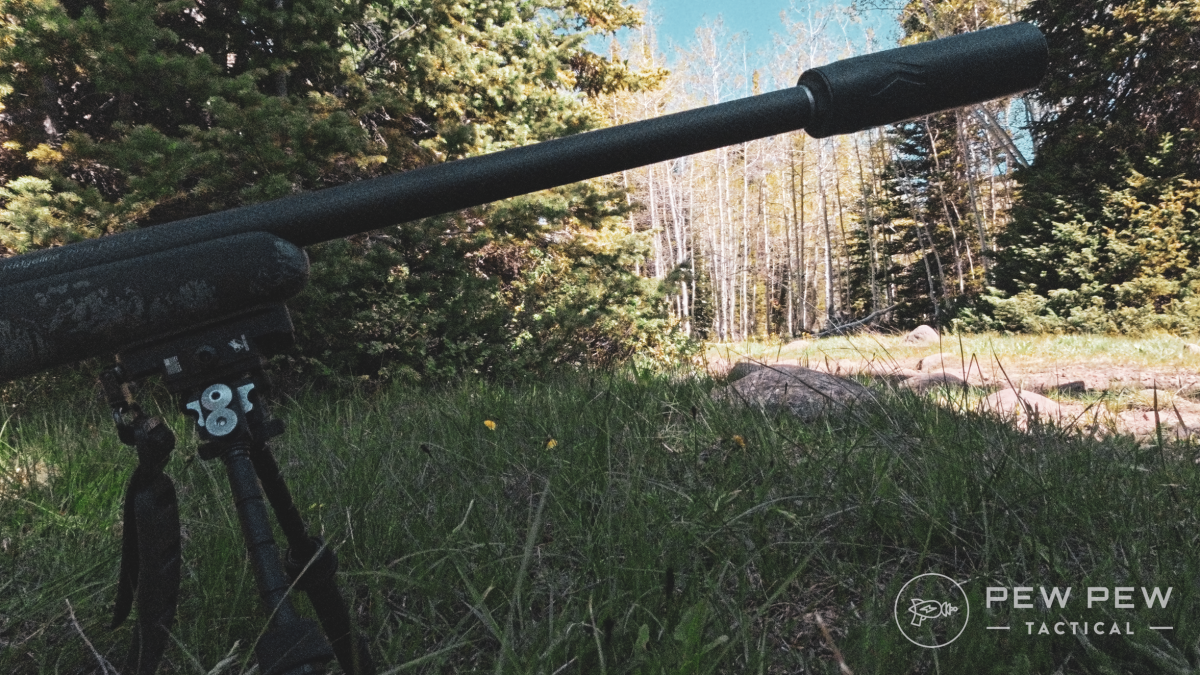
Operating the Atlas is incredibly easy. Its legs are held in place with a ball bearing detent; push up and pull down, and the cant adjustment is a single-throw lever.
While it isn’t the heaviest bipod here, it feels like a solid platform when shooting. It concentrates weight in a single spot at the front of the Christensen rifle, which made follow-up shots easier than some of the lighter bipods represented. It acted like a weight you’d find in competition-style rifles.
In a hunting situation, that’s a great additional feature, as you always want to rack another round after the first shot just in case you need to send another. Finding a tumbling animal or one that’s trying to leave the county can be difficult, depending on your rifle’s recoil.
And that’s where the Atlas shines.
It is pricey; this is one of the more expensive bipods here. Likewise, those tight tolerances, especially the cant adjustment, required a little working in and lubrication to really get moving with ease.

But the Atlas will likely make its way onto the Christensen for this year’s hunting season – it impressed me a lot.
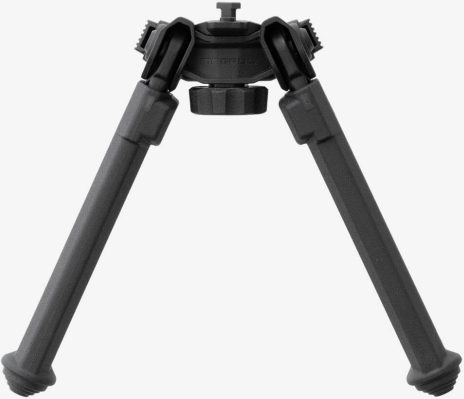
7. Magpul MOE QD - Most Reliable
Pros
- Rain, snow, mud – it’ll handle everything
- Drop proof
- Simple operation
- Inexpensive
Cons
- There isn’t much in terms of adjustability
- A little bulky
The Bottom Line
The Magpul MOE QD might be on more AR-15s than any other bipod. It's stable, durable, and easy to use. The price is right, too. It's the perfect option for light and fast carbines.
Stats
- Height: 6.8” - 10.3"
- Weight: 13 oz
- Positions: 7
Of all the bipods represented in this review, I have the most experience with the Magpul MOE QD (as does the rest of the Pew Pew Tactical team). This bipod came with me on blacktail deer, bear, and mountain lion hunts in Oregon, and I’ve spent a lot of time with it at the range and in the woods shooting steel.
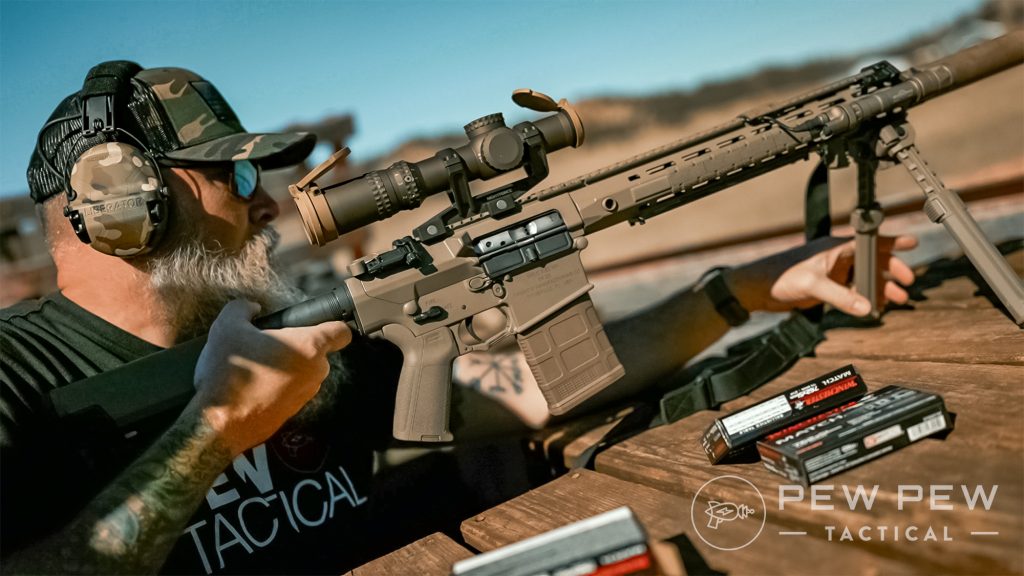
Not only is the Magpul unit inexpensive, but it’s just a reliable unit.
Oregon’s coastal rainforests in the fall threw everything at me. This, attached to the Christensen rifle, went through rain, snow, sleet, and up and down the rugged terrain that black bears, blacktail deer, and mountain lions love to inhabit.
The legs became caked in mud, with rocks, sticks, and grass getting into the mechanisms. Nothing stopped them from showing up when needed.
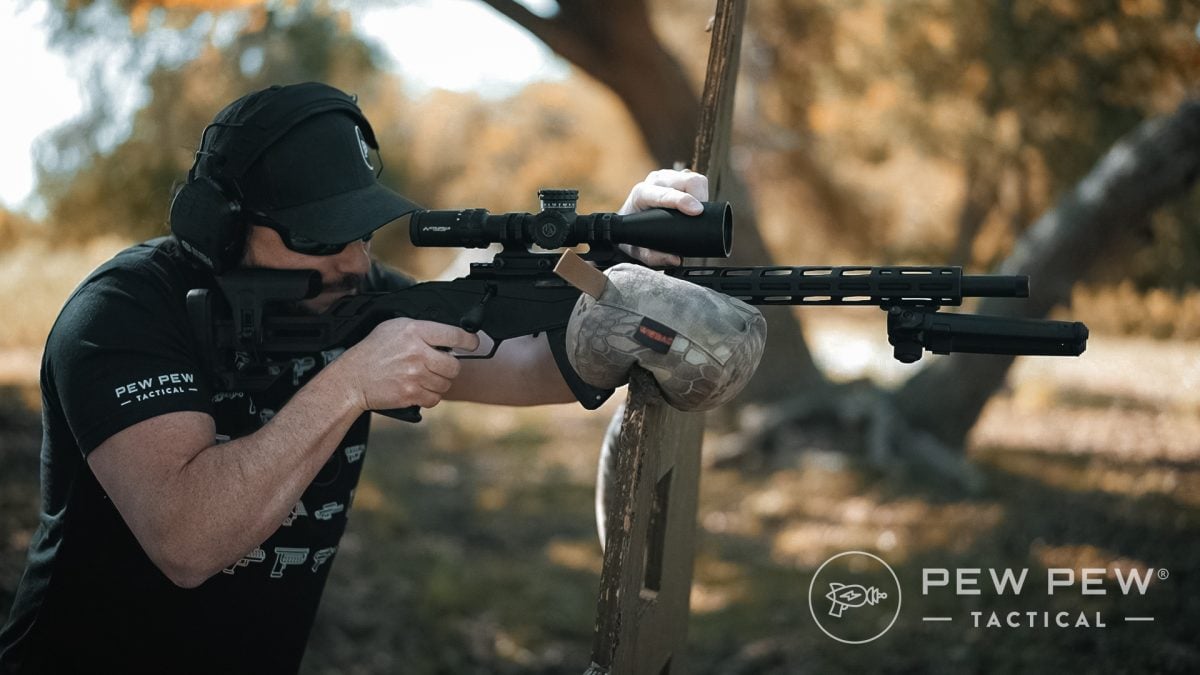
The trip didn’t result in a successful harvest, and although a handful of shot opportunities presented themselves, none were taken. One involved lying prone in clay-like mud and dead grass, with the bipod’s legs sinking into the mud. The Magpul bipod continued to function flawlessly.
The only real downside is how limited in its function this bipod is. It’s just up, down, and can be canted left or right to level the rifle. It’s also made of polymer, rather than metal, which could conceivably break if you accidentally drop it onto hard surfaces.

But for under $150, it’s a solid value proposition that hasn’t failed me.
How to Choose the Best Bipod
There are a thousand different bipods on the market, and no two are exactly the same, so it can be difficult to really figure out which is right for your setup. That’s why you have to be brutally honest with yourself about what you plan on doing with your rifle. The precision rifle shooter is going to need something different than the backcountry hunter.
Weight
Grams matter when you’re hiking up a 3,000-foot incline chasing bull elk at 11,000 feet. (You’ll really be cursing the hunting gods if you get one and have to pack it all out by your lonesome.)
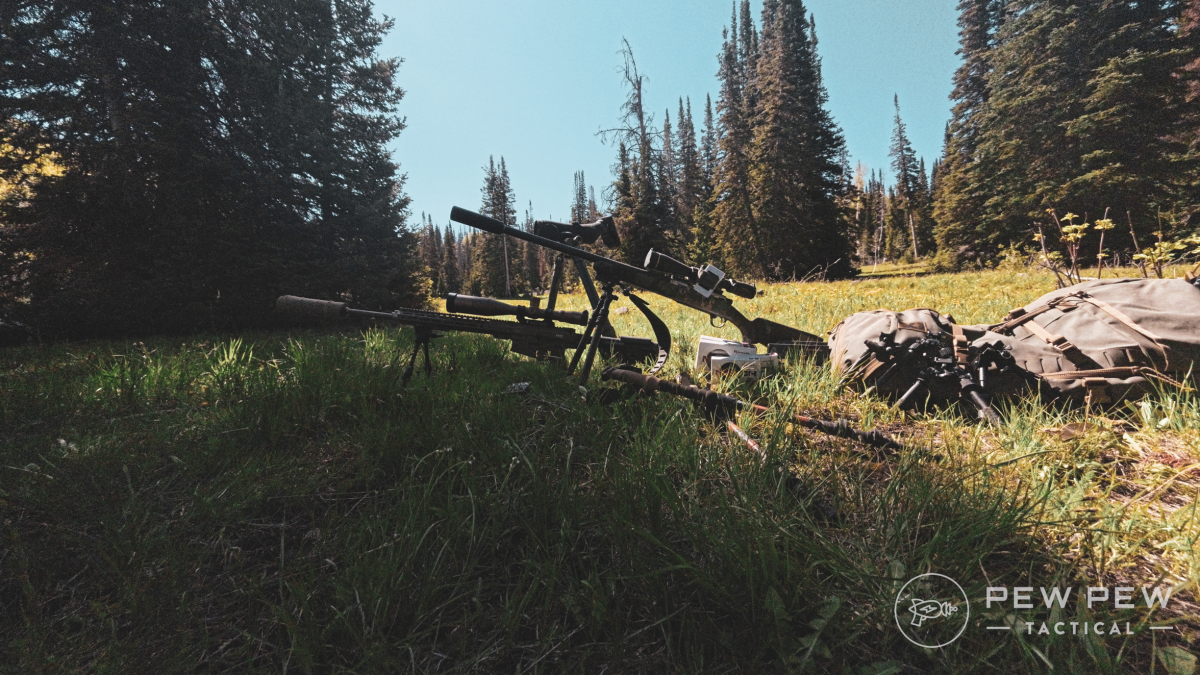
There, even an ounce can make or break you.
But for the PRS shooter or long-range junkie, you may not care if your bipod weighs a little more. You’re likely going from your truck to the range, dropping your stuff on your shooting mat, and picking off steel from there.
The heavier weight at the front can help absorb felt recoil, which makes easier follow-up shots.
Budget
Likewise, expense is very much an ever-present variable.

Occasional hunters likely won’t want to break the bank when a less expensive alternative can get them close to perfect accuracy. The Magpul vs. the Atlas debate is a great example of that.
If you’re chasing match points, on the other hand, investing more money in quality gear might be worth every penny.
What About Tripods?
I included the Leupold Mark 5 CF-440 tripod in my testing for two reasons: I used it for my spotting scope, and a bunch of hunters likely already have this ARCA-equipped tripod in their gear loadouts.
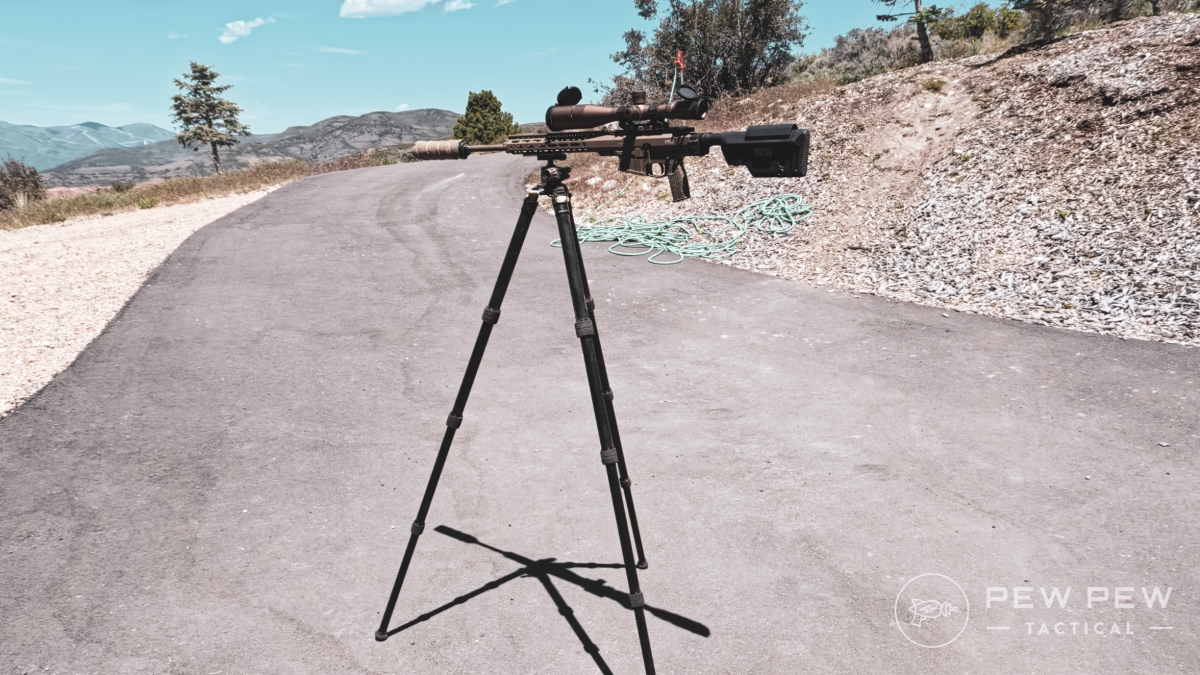
As you’d expect, the Leupold tripod makes for an incredibly stable platform, as its rigid carbon fiber construction is about as burly as you can get. It weighs a couple pounds, which makes shooting off it absolutely lovely. Recoil management? Never heard of her.
I strapped the Mitchell Defense PipeHitter to the Leupold ARCA base, and with a few adjustments to the head, slapped steel in short order. And that’s exactly what you’d want, both in a PRS-type of situation, as well as a hunting scenario.
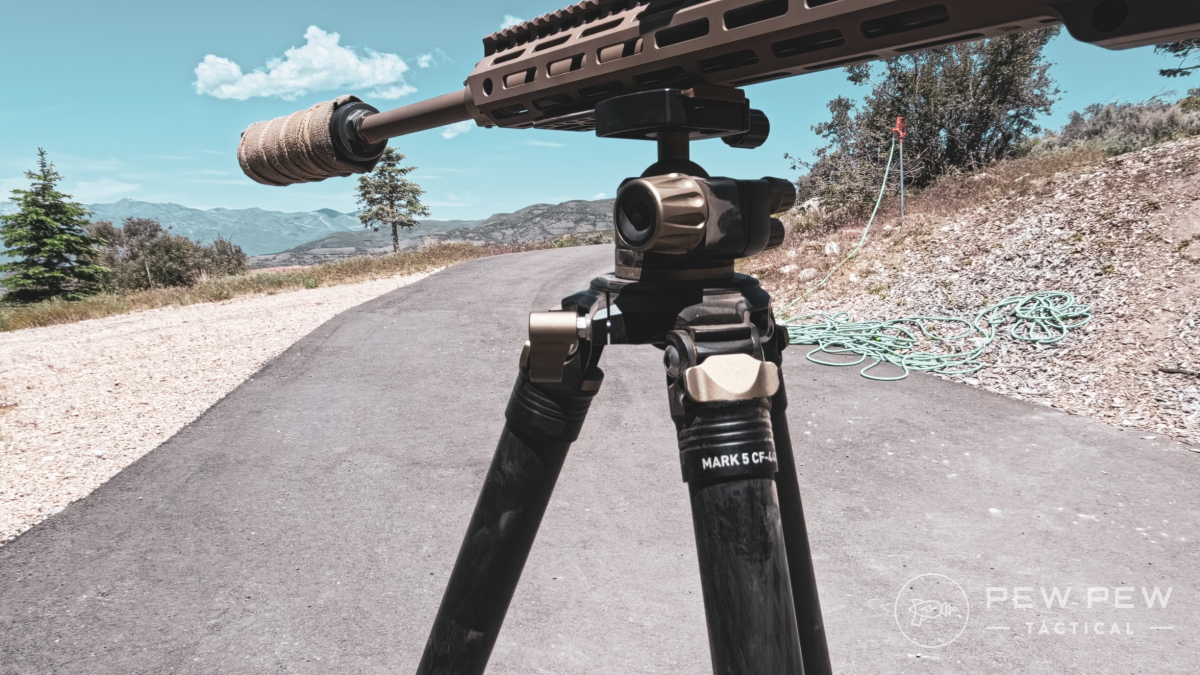
Moreover, the switch between spotting scope and rifle, in this case Leupold’s SX-4 Pro Guide HD, is fast and clean.
That said, it’s not a bipod, and it’s expensive. However, if you’re looking for a do-it-all solution, and you already have an ARCA rail on your rifle, you can’t get much more stable than this behemoth.
Final Thoughts
Choosing the right bipod can lead you down a rabbit hole of woe. The sheer number of options available to Buy It Now can lead to choice paralysis.
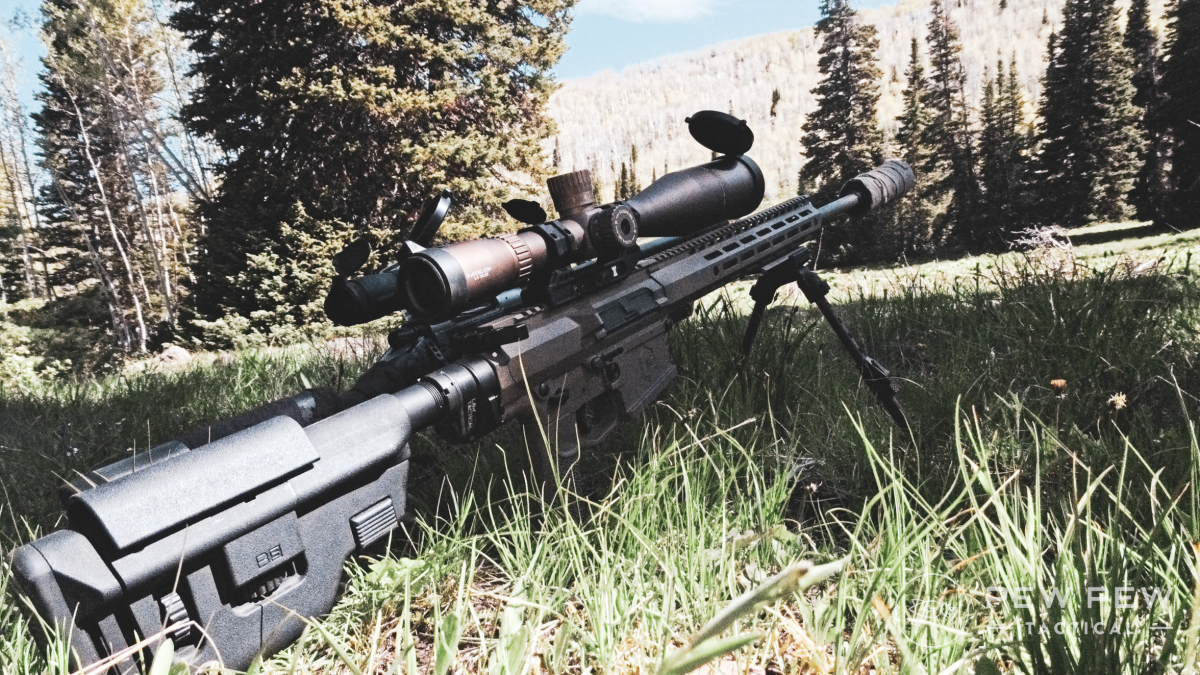
But if you’re honest with yourself about what you need from your rifle setup, you can start to narrow your scope (pun intended) and pick the right rifle bipod for you.
And those on this list, those I tested in the field and two I’m bringing back into the field this hunting season, are bipods you can trust to serve you well.
For my money, it’d be hard to beat the dark horse of this group; i.e., the Wiser Precision Quick-Stix. They felt rock solid when used with the Christensen Arms and are almost infinitely adjustable.
What’s your favorite bipod? Let us know in the comments. Looking for a great long-range rifle? Check out our guide to the Best Sniper & Precision Rifles for Beginners!
Latest Updates
- August 2026: Complete overhaul with new products, testing, and supporting content.
- May 2025: Added a section on How We Chose the Best Rifle Bipods. Updated the Atlas CAL to reflect the newer Gen 2 model.