
ATF Rule Changes [2026]: What Gun Owners Need to Know
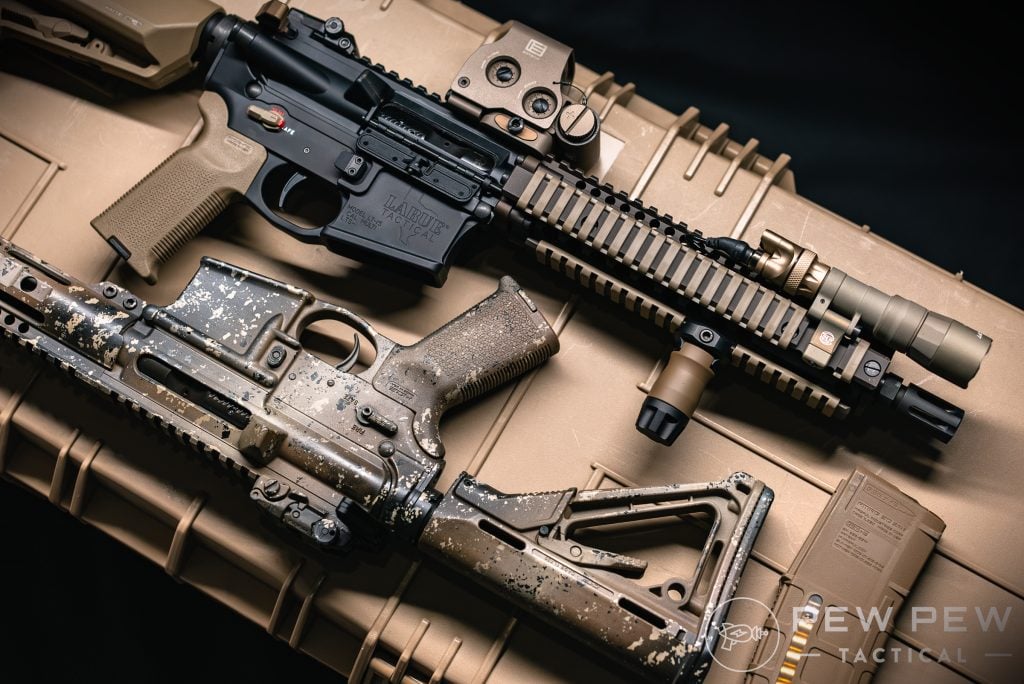
We walk you through the sweeping proposals and Final Rules the ATF announced that could have massive implications for gun owners and FFLs.
We review products independently. When you buy through links on our site, we may earn a commission to help support our testing. Learn more.
Calling it a “New Era of Reform,” the Bureau of Alcohol, Tobacco, Firearms and Explosives announced detailed plans to revamp rules and rollback regulations.
The sweeping package of proposals touches on five areas the ATF is focused on — repealing regulations, modernizing paperwork, reducing administrative burdens, clarifying longstanding laws, and aligning the rules with recent court decisions.
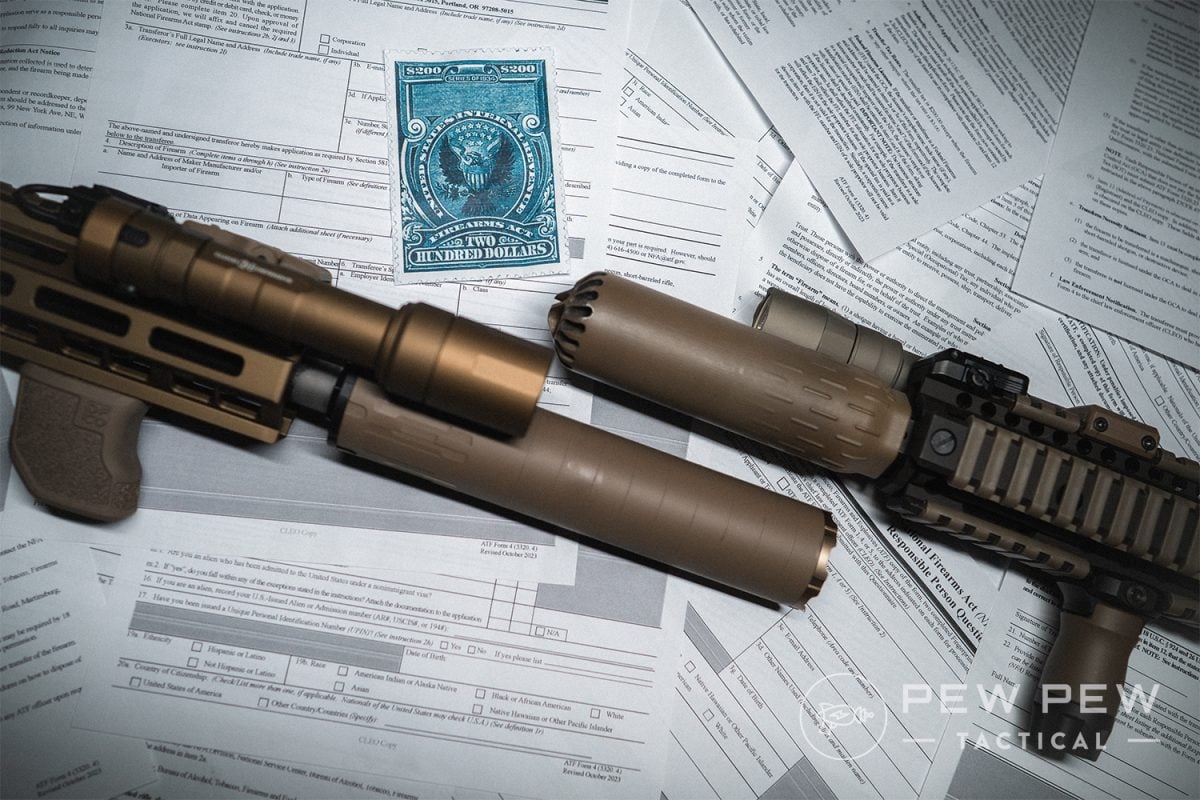
The proposed and final rules touch on everything from the stabilizing brace saga to married couples registering NFA firearms jointly. Though most of the proposals have not been finalized, the direction is clear — the ATF is pulling back from a period of aggressive expansion and regulatory moves. Instead, the Bureau says it’s focused on “trust and collaboration” with the firearms industry and gun owners.
“The Second Amendment is not a second-class right,” U.S. Acting Attorney General Todd Blanche said in a statement. “This Department of Justice is ending the weaponization of federal authority against law-abiding gun owners. We will continue to vigorously defend their rights as the Constitution demands.”
We know this can get confusing, so we’re going to break down the proposed and final rules and explain what they mean for you.
Keep reading!
Table of Contents
Trending: Best AR-15s, Best Shooting Hearing Protection, & Ammo in Stock
Big Wins for Gun Owners
While the reform package in all is broad, there are several measures that stand out as being more meaningful for the everyday gun owner.
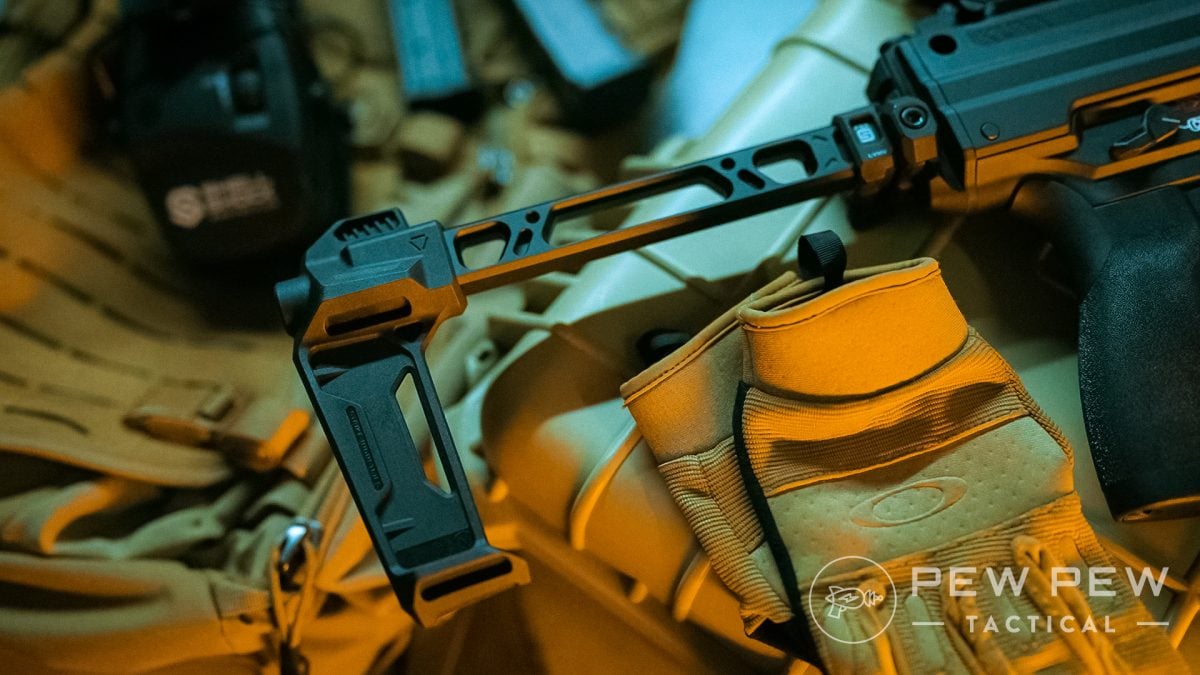
Stabilizing Braces were the biggest change (and win) for gun owners in the package. In an about-face, the ATF officially moved to repeal the ruling that reclassified pistols with stabilizing braces as “short barreled rifles” — grouping them under the purview of the NFA. The proposed repeal formally removes this classification and regulatory language.
Bump Stocks followed suit with the ATF issuing a Final Rule removing language that classified bump stocks as machine guns. The switch-up is in direct response to the Supreme Court’s 2024 decision in Garland v. Cargill, which held that semi-auto rifles sporting bump stocks don’t meet the legal definition of a machine gun.
Traveling with an NFA firearm could get a lot easier under a new proposal, which eliminates the need for ATF approval. Under current law, if you transport a registered NFA firearm across state lines, you have to first submit paperwork to the ATF and wait for approval before you leave. Under the new rule, short-term transport — defined as 365 days or less — would require no advanced notice and no waiting for ATF approval. Permanent relocation or travel over 365 days would still require that you notify the ATF, but you do not have to wait for approval.
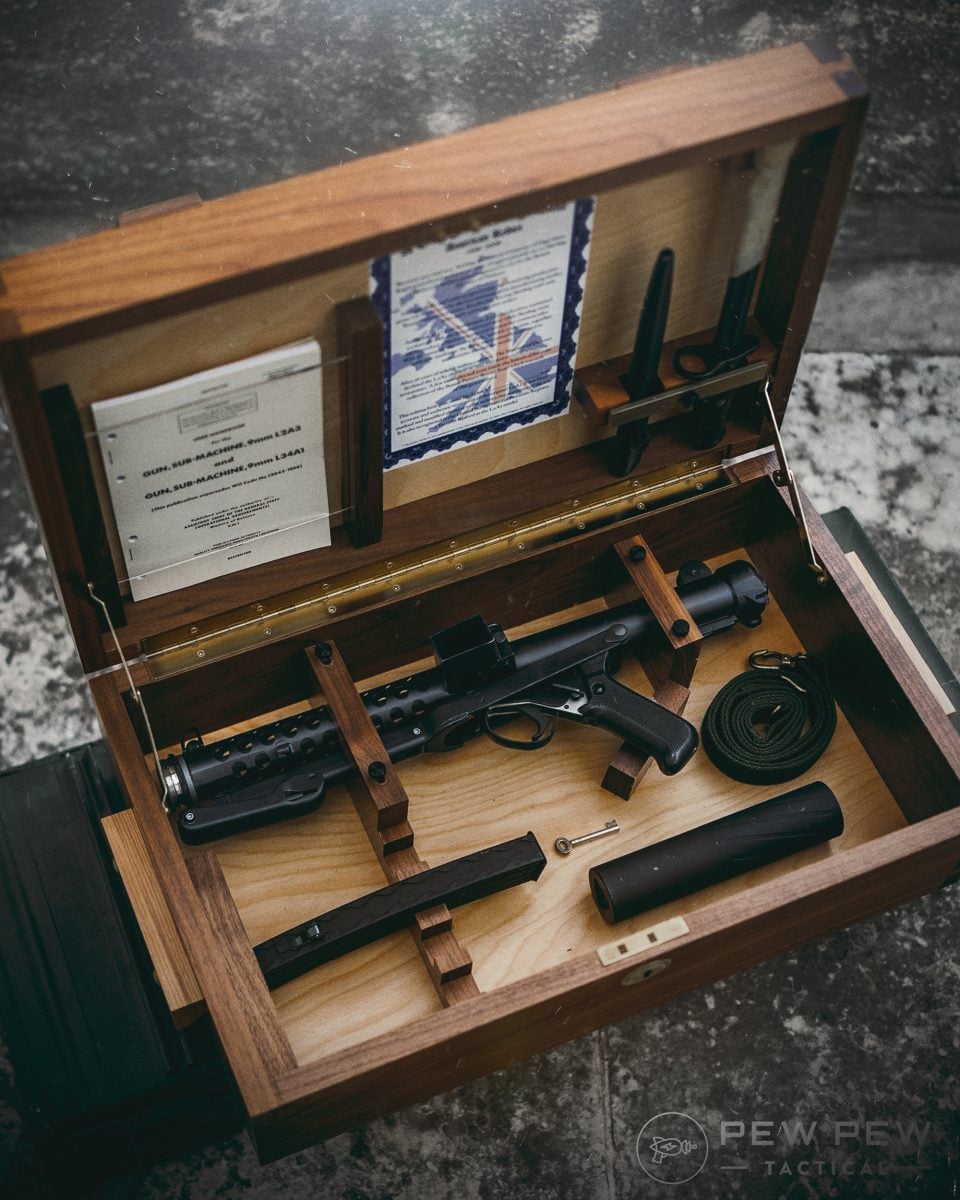
Married couples may soon be able to jointly register an NFA item under a new proposed rule. Currently, if a married couple wants to jointly own an NFA item, they have to set up a legal trust. However, the new proposal would allow spouses to register NFA items jointly without forming a trust — skipping the attorney fees.
Rounding out the biggest impacts to gun owners, CLEO notification may soon disappear. One of the new proposed rules would eliminate the requirement mandating NFA applicants to notify their local Chief Law Enforcement Officer. The ATF proposal cites sustained legal challenges as well as a lack of actual public safety as the reason behind the dismissal of this requirement.
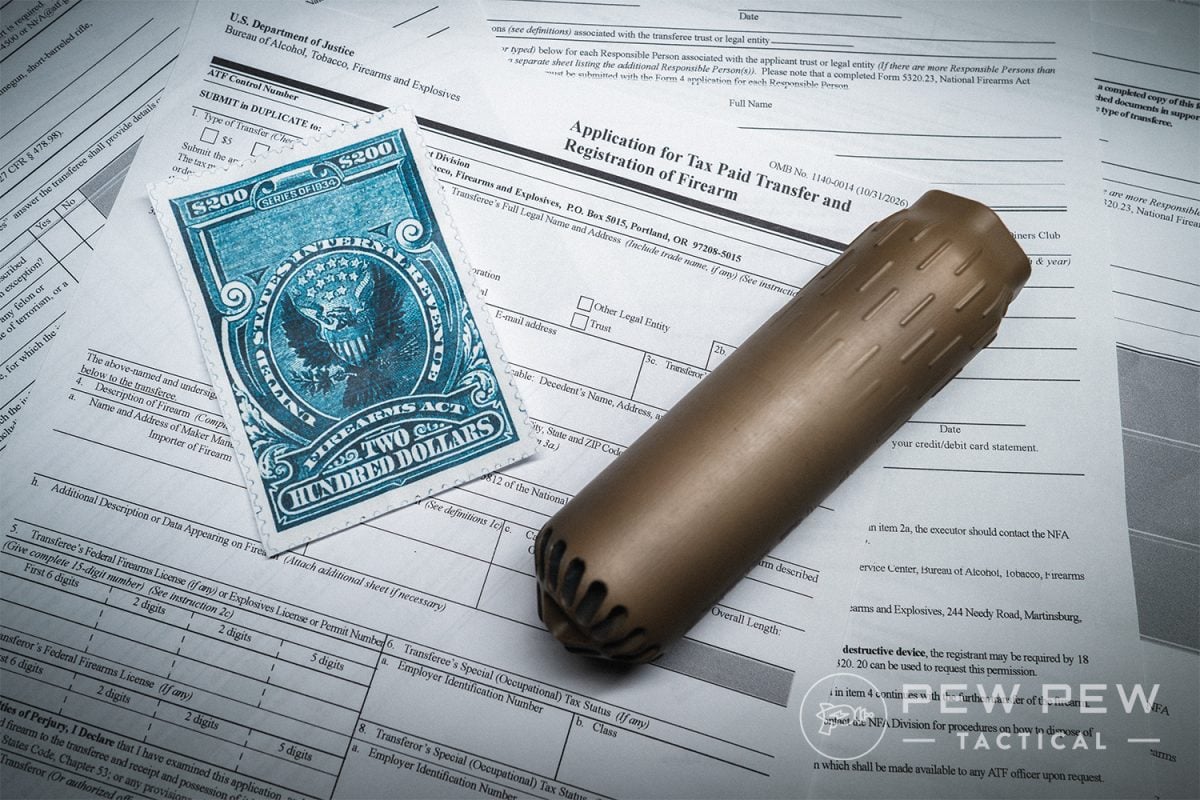
In some states, a valid concealed carry permit allows you to buy a gun without having to do a NICS check, but a proposed rule would tighten the standards for when a CCW permit qualifies as a substitute for the background check. Under the ATF’s proposed rule, the CCW permit would have to be valid and unexpired at the time of sale. That may sound obvious, but the current rule does not explicitly state that in the regulation. The Bureau is also suggesting that the language authorizing the permit in each state must meet specific Congressional requirements to qualify in place of a background check.

The Best Gun Deals, Coupons and Finds
Subscribe to Pew Pew Tactical's sales and deals email.
What’s Changing at the Gun Counter: Dealer Updates
In addition to some big wins for gun owners, several measures proposed by the ATF target FFLs and dealers, looking to streamline the gun-buying experience.
Form 4473 could be getting a massive overhaul under a proposed rule that looks to update the form significantly. Proposed updates include extending the window for NICS background checks, allowing electronic forms and digital record attachments, allowing auto-population fields where information is already on file, and making identity and residency verification easier. According to the ATF, the goal of the updates is to reduce paperwork burden on FFLs and buyers while still maintaining background check safeguards.
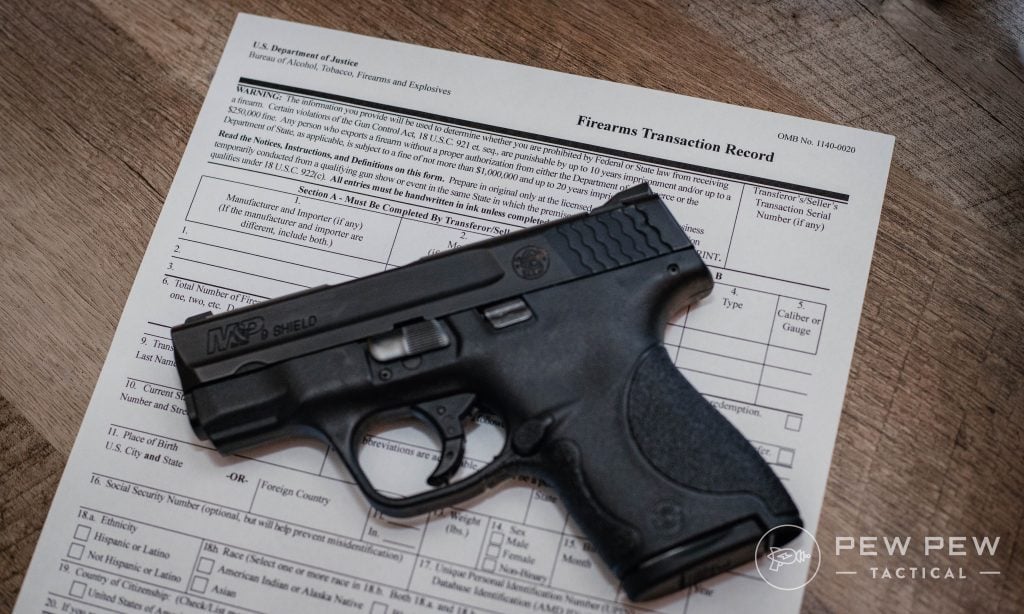
Electronic record-keeping would become the default under another proposed rule, which would allow Form 4473s and Acquisition and Disposition Records to be generated, stored, and maintained electronically. Not only would this make record-keeping more convenient for dealers, but it would also improve firearm tracing for law enforcement since digital records are faster and easier to search than paper files.
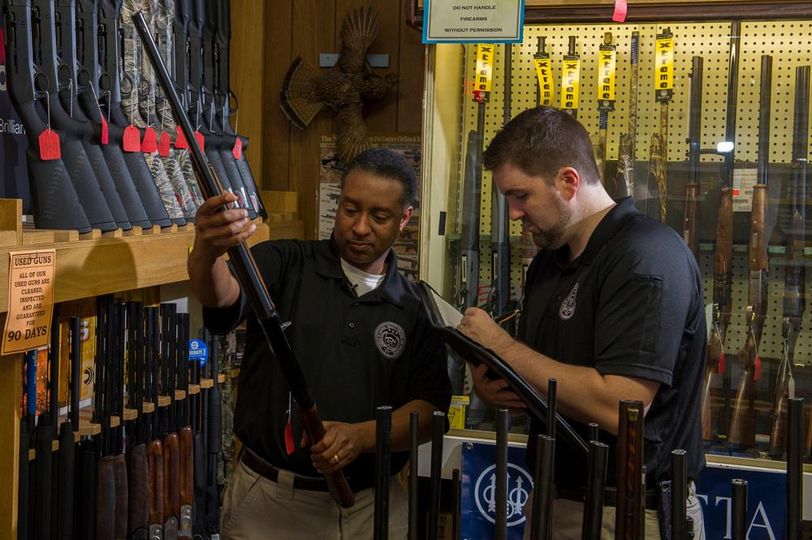
Currently, FFLs are required to keep records indefinitely, tying up valuable space with storage, but another proposal looks to replace that with record retention kept to a defined period. The ATF is seeking public comment for either 20 or 30 years for Forms 4473 and A&D records, while private party transfers would get a mandatory retention period of 90 days. Multiple sales reports and incomplete transaction records would undergo a 5-year retention period. The goal is to modernize firearms record-keeping while reducing the storage burden on FFLs.
Clarifying Confusing Regulatory Language
Transporting firearms looks to get a little clearer with a proposed rule that would formally define what exactly is covered under the Firearms Owners’ Protection Act. FOPA offers legal protection for gun owners transporting guns over state lines, but some of its language reads a little weird and confusing. The ATF aims to fix that, formally advising that common, necessary travel activities — like overnight stops, grabbing gas, vehicle maintenance, emergency stops, and medical treatment — are all covered under FOPA.
There’s been some confusion over importing dual-use barrels and frames used on sporting or non-sporting guns, and the ATF attempts to simplify that with another proposal. The proposed rule states that dual-use barrels and frames are able to be lawfully imported as long as they are in a sporting configuration at the time of import. Once imported, they can be used for sporting, non-sporting, or NFA builds.
Our Most Popular Posts




Training rounds got some ATF love with the Bureau clarifying that inert rounds, marking rounds, and Simunition used for training purposes do not meet the definition of ammunition under the Gun Control Act. Therefore, those rounds aren’t subject to those regulations. This is a huge win for competitive shooters, law enforcement trainers, and others who engage with and use force-on-force training tools.

While straw purchase rules will remain intact, the language around them will change to help FFLs better understand what transactions qualify as a straw purchase. Quick refresher: a straw purchase is when you buy a gun for someone while pretending that you’re the actual buyer. While it seems simple, the current language can make it confusing for dealers who have to decide if a purchase meets that definition or if the purchase is legit, like a husband buying his wife a gun as a gift. The regulatory language update aims to help FFLs better determine what a straw purchase is versus a legal purchase.
The ATF is also proposing updates to biological sex questions on all ATF forms in line with Executive Order 14168; however, the change does not impact the ability to purchase or own firearms.
Finally, the ATF is updating “willfully” in its definition regarding suspensions or revocation of dealer licenses. This does feel a bit in the weeds, but it’s an attempt to keep pace with the Supreme Court’s decision in Bryan v. United States, which ruled “a person acts willfully when they know their conduct is unlawful, even if they don't know which specific statute they're violating.” This context is important for FFLs to know what can trigger serious enforcement action, such as suspension of their license.
What’s Proposed vs. What’s Final

The bevy of changes can make it difficult to know what’s final and what’s just in the works. To make that easier, here’s a TL;DR of what rules are final and which ones have been proposed but not yet finalized.
Final Rules
- Bump stocks
- FFL eZ Check verification for dealer-to-dealer transfers
- Removal of the triplicate filing requirement for importing plastic explosives
- Export control reform conforming to Commerce/State Department changes
- PATRIOT Act contraband cigarette and smokeless tobacco provisions
- NFA making application NICS check codification
- NFA tax rate changes per the One Big Beautiful Bill Act
Proposed (Public Comment Period Open)
- Stabilizing brace rule repeal
- "Engaged in the business" definition revision
- Youth Handgun Safety Act notice removal
- Form 4473 modernization
- Electronic record-keeping authorization
- Records retention periods
- Non-over-the-counter sales update
- NFA interstate transport reform
- Spousal joint NFA registration
- CLEO notification removal
- Interstate travel protections clarification
- Dual-use barrel and frame import clarification
- Training rounds clarification
- Temporary-to-permanent import conversion process
- Straw purchase guidance
- "Willfully" definition
- Biological sex on ATF forms
- Brady Act permit exception clarification
- Proscribed countries list update
- Machine gun transfers between licensees
- SOT fee clarification
- Mental defective definition modernization
- Business premises definition clarification
- NFA maker marking adoption
- Foreign trade zone and customs warehouse clarification
- Arms Export Control Act component definitions
Comment periods vary by rules, so it’s best to check the ATF’s Federal Register for specific deadlines if you want to weigh in on any of the proposals.
To submit a comment, the process is pretty straightforward and easy. Simply visit the Federal Registrar and search for the rule by its title or ATF docket number. Comments should be clear, specific, and firsthand on how each rule impacts you as a gun owner or a dealer.
Bottom Line
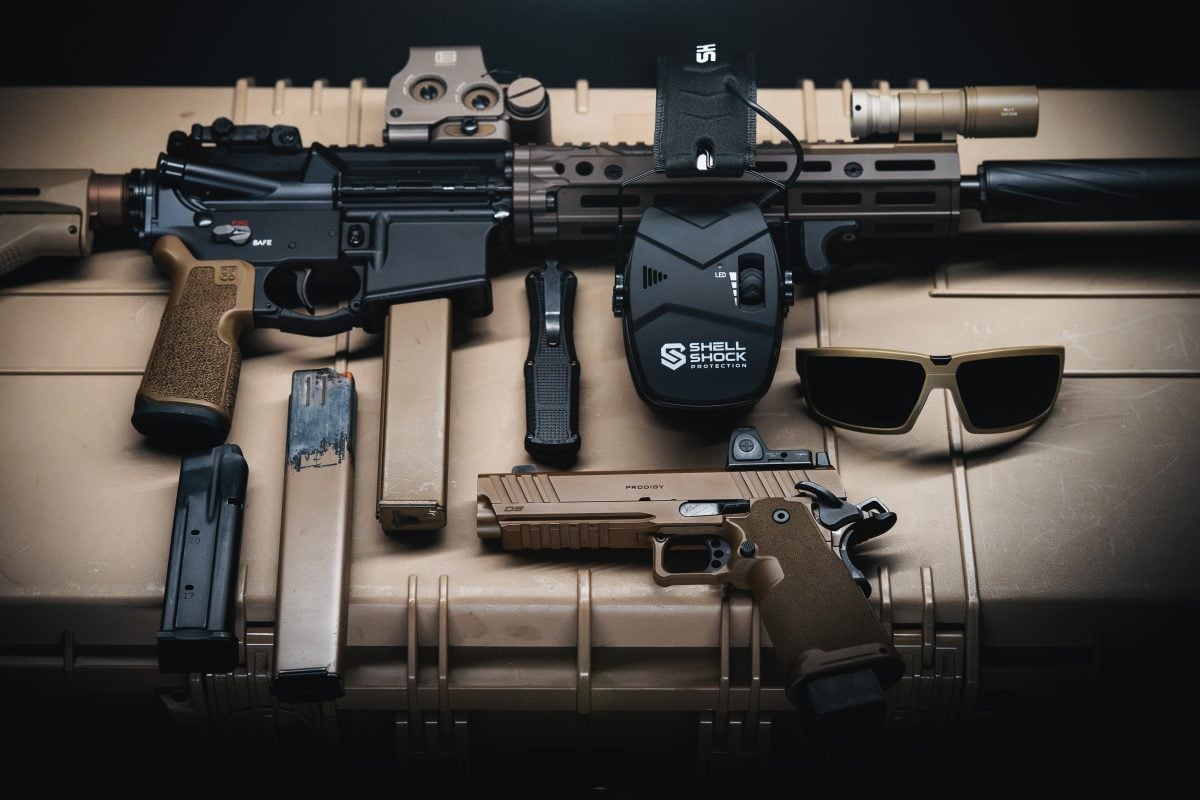
Marking one of the most significant shifts in ATF regulations in years, the overall news is good for gun owners and dealers. Long-standing friction points are looking to be resolved, while burdens to dealers and FFLs will be minimized through modernization.
That said, the majority of changes are still in the proposal phase, meaning there’s still some work to be done to get them finalized. The ATF has called this initiative “an ongoing effort.”
In the meantime, gun owners can have a significant impact on what passes or doesn’t by engaging in the public comment period and letting their voices be heard.
Pew Pew Tactical will continue to monitor the changes and update this article as needed.
What do you think of the ATF overhaul? Let us know in the comments below.