
[How-To] Get Your FFL License: Step-By-Step Guide
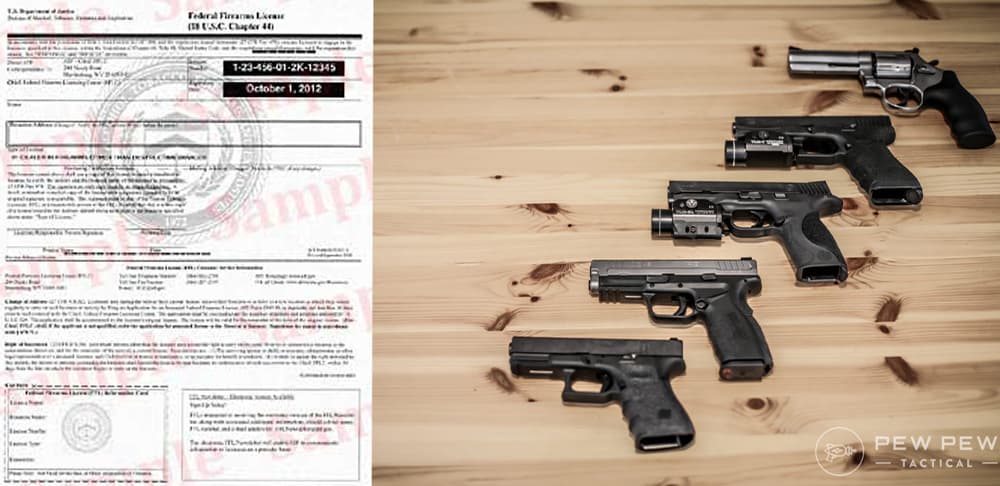
Ever wanted to become a licensed FFL and sell guns to the public? Well, here's your chance! Take a look at our step-by-step guide to get an FFL license.
We review products independently. When you buy through links on our site, we may earn a commission to help support our testing. Learn more.
If you want to operate a business selling, manufacturing, or importing firearms, you need a Federal Firearms License or FFL.
An FFL allows you to purchase firearms from distributors or manufacturers within the United States at wholesale prices, then turn around and sell them to the general public.
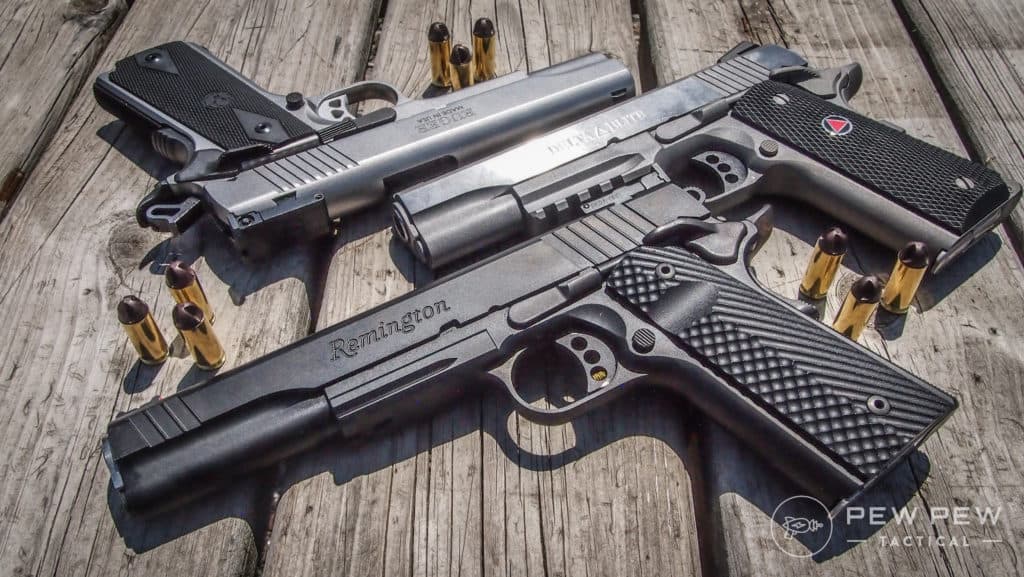
With the right type of FFL, you can also import firearms from other countries or even manufacture firearms yourself.
While getting an FFL isn’t hard, it is difficult.
What I mean by that is that navigating the process of getting your FFL and making sure you know all the applicable laws.
Not only must you meet the ATF’s rules, you have to figure out what state and local laws affect your business.

However, once you know what you need to do, it’s generally pretty straightforward to actually do it.
In this guide, we’ll go over the entire process of obtaining your FFL from start to finish to help you figure out what you need -- or at least figure out how to figure out what you need.
And at the very end, I’ll touch on what resources you can use to make it all even easier.
Now, let’s start at the beginning!
Trending: Best AR-15s, Best Pistol Red Dots, & Best Shooting Hearing Protection
Steps to Get an FFL
1. Make Sure You Meet FFL Requirements
Don’t get ahead of yourself.
First things first, make sure you’re actually eligible to get an FFL before you do anything.
To get an FFL you must:
- Be 21 years of age or older,
- A U.S. citizen or permanent legal resident,
- Able to legally possess firearms and ammo,
- Not have ever violated the Gun Control Act, and
- Have a place to conduct your firearms business.
Now let’s go into a couple of those in more detail:
People who are, by federal law, not permitted to possess a firearm are called “prohibited persons.” Prohibited persons include anyone:
- “convicted in any court of a crime punishable by imprisonment for a term exceeding one year;
- who is a fugitive from justice;
- who is an unlawful user of or addicted to any controlled substance (as defined in section 102 of the Controlled Substances Act, codified at 21 U.S.C. § 802);
- who has been adjudicated as a mental defective or has been committed to any mental institution;
- who is an illegal alien;
- who has been discharged from the Armed Forces under dishonorable conditions;
- who has renounced his or her United States citizenship;
- who is subject to a court order restraining the person from harassing, stalking, or threatening an intimate partner or child of the intimate partner; or
- who has been convicted of a misdemeanor crime of domestic violence.”
However, your state and local laws may provide additional classifications that prevent people from legally possessing a firearm.

You also need a physical location where you can operate your business. This can be your home or a separate storefront or workshop.
However, you need to ensure that you’re legally able to operate your business out of whatever location you’ve chosen.

2. Decide What Type of FFL You Want
Once you’ve ensured that you’re able to get an FFL in the first place, you need to decide what type you need before you can start filling out your application.

There are nine types of FFLs:
- Type 01 - Dealer in Firearms Other Than Destructive Devices
- Type 02 - Pawnbroker in Firearms Other Than Destructive Devices
- Type 03 - Collector of Curios and Relics
- Type 06 - Manufacturer of Ammunition for Firearms Other Than Ammunition for Destructive Devices or Armor Piercing Ammunition
- Type 07 - Manufacturer of Firearms Other Than Destructive Devices
- Type 08 - Importer of Firearms Other Than Destructive Devices or Ammunition for Firearms Other Than Destructive Devices, or Ammunition Other Than Armor Piercing Ammunition
- Type 09 - Dealer in Destructive Devices
- Type 10 - Manufacturer of Destructive Devices, Ammunition for Destructive Devices or Armor Piercing Ammunition
- Type 11 - Importer of Destructive Devices, Ammunition for Destructive Devices or Armor Piercing Ammunition
The type you want depends on what types of business you want to be able to do and with what firearms.
Type 01 is by far the most common type of FFL, followed by Type 07.

Select the type that fits with the sort of things you’re planning on offering right away.
“Just in case I want to provide X service later on” won’t be sufficient cause for the ATF to grant you an FFL that covers more than you need.
For example, an FFL class that allows you to import armor piercing ammo when you plan on focusing your business on making and selling custom ARs, isn’t likely to be granted.
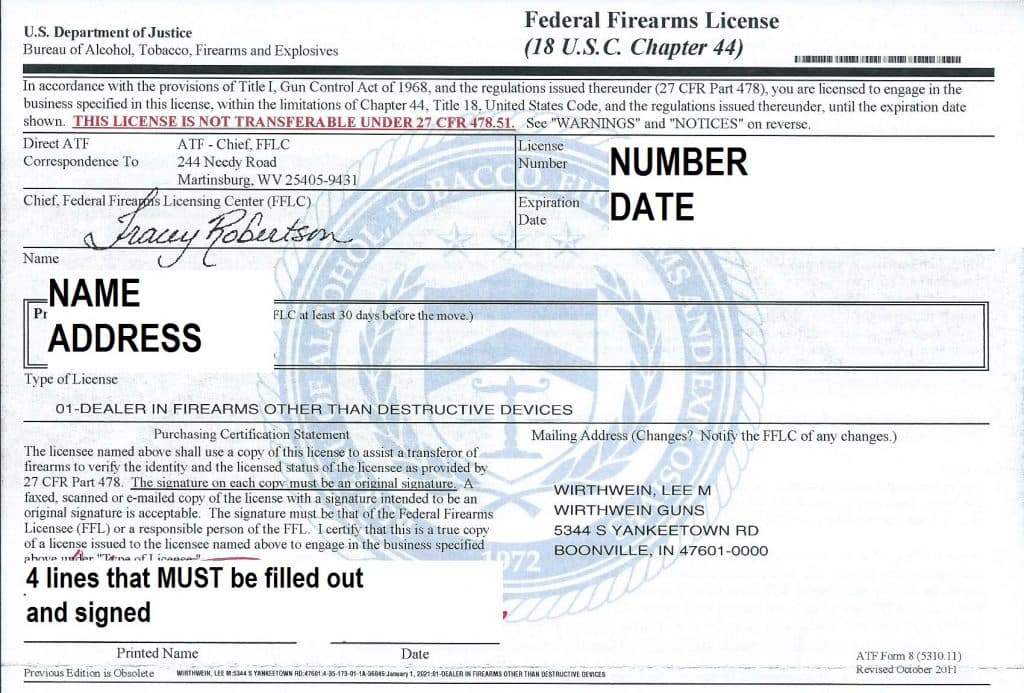
As an aside, to conduct business with NFA items, you’ll also need a Special Occupational Taxpayer (SOT) license.
That process is separate from obtaining your FFL.
3. Fill Out the Paperwork
Now it’s time to put pen to paper and complete the ATF Form 7/7CR.

Aside from just filling in the blanks, to finish the form, you’ll need a 2x2-inch photo taken in the last six months -- without a hat or other head covering. Something like a passport photo will work.
You’ll also need a fingerprint card (Form FD-258).
Make sure these two items are properly prepared and attached according to the instructions on the form.

You don’t need the photo or fingerprint card if you’re only applying for a Type 03 FFL and no other type.
Add on Business Partners
If the business is a joint venture with other people, each person involved in decisions related to the business is considered a “Responsible Person.”

Each Responsible Person needs to fill out and attach their own copy of Part B of the form (Responsible Person Questionnaire), complete with a photo and fingerprints.
Regardless of how many responsible persons you have, you only have to fill out Part A once.
3. Submit the Paperwork & Pay Fees
Once you complete the form, you’ll need to send a copy to the Chief Law Enforcement Officer (CLEO) of the place where your business address is located.
Typically, this is the Chief of Police or Sheriff. Fortunately, you don’t need them to do anything for you.
After you’ve done that, you can submit another copy of the form, along with your application fee, to the Federal Firearms Licensing Center (FFLC). The address is on the form.

Pay Your Fees
The application fee varies depending on what type of FFL you’re applying for.
The most common types have an application fee of $150 to $200.
However, Type 03 and Type 06 only cost $30, while Types 09 through 11, which all deal with Destructive Devices, cost a whopping $3,000.

You can pay the application fee with a check, cashier’s check, or money order enclosed with the form, or with a credit or debit card by including the card information in the relevant spot on the form.
The Best Gun Deals, Coupons and Finds
Subscribe to Pew Pew Tactical's sales and deals email.
4. Wait & Prepare
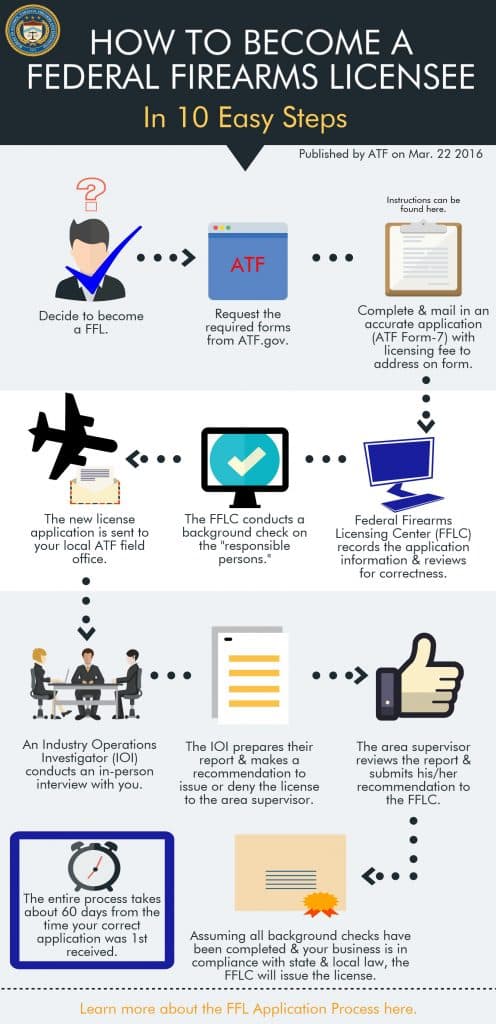
Now that you’ve sent in your Form 7/7R, the ball is in the ATF’s court.

Once the FFLC has received your application, they’ll look it over to make sure it’s filled out properly, then perform background checks on each responsible person.
Once they’ve finished their part, they’ll send it to your local ATF field office.
You don’t want to spend your time waiting for all this to go down doing nothing, though.
Once your form heads to the local ATF field office, they’ll assign an Industry Operations Investigator (IOI) to your application. This person will then interview you and inspect your place of business.

Ultimately, you shouldn’t stress about this too much, but you also want to be ready so it goes smoothly.
What the IOI looks for is evidence that you’re actually trying to start a business, and not just applying for your FFL for convenience’s sake.

You don’t need a super detailed business plan or contracts with suppliers or potential clients ready for them.
But, you should be prepared to show that you put thought into how your business will work. And also show you've put effort into getting your business started beyond your FFL application.
For example, it’s a good idea to know whether or not you need a business license and how you need to go about obtaining it.
If you do, it’s a good idea to begin the process of obtaining one — as long as you don’t need your FFL to do so first!
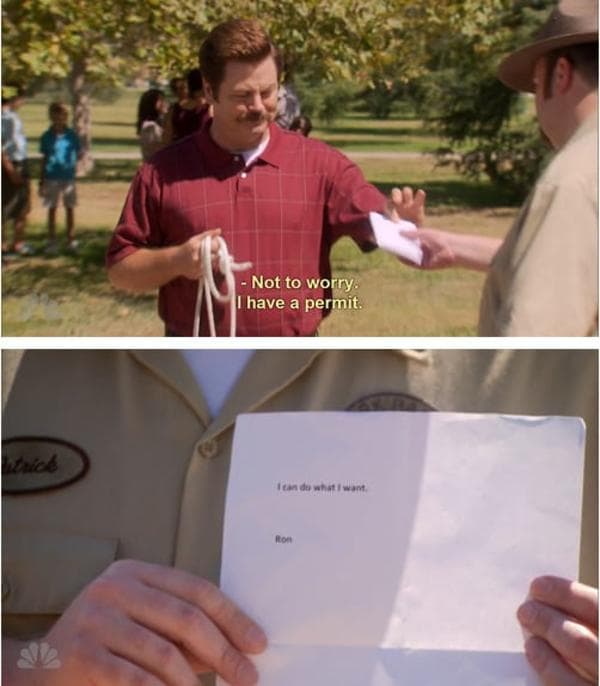
If you need to register your business, do that. Obtain or apply for a business bank account, insurance, or permits as applicable.
Get your bound book ready to start recording purchases and sales. Have the rest of your documentation related to your business neatly organized in a way that allows you to find everything you need.
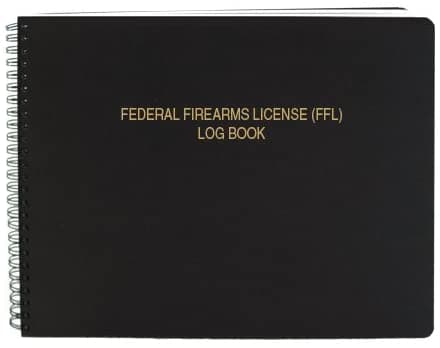
Boom! Now you look like a pro!
Make sure you’re able to safely and securely store firearms.
To meet the ATF’s minimum standards, there needs to be a lock between the public and your firearm inventory.
IOIs are given discretion to decide during the inspection whether your methods are sufficient.
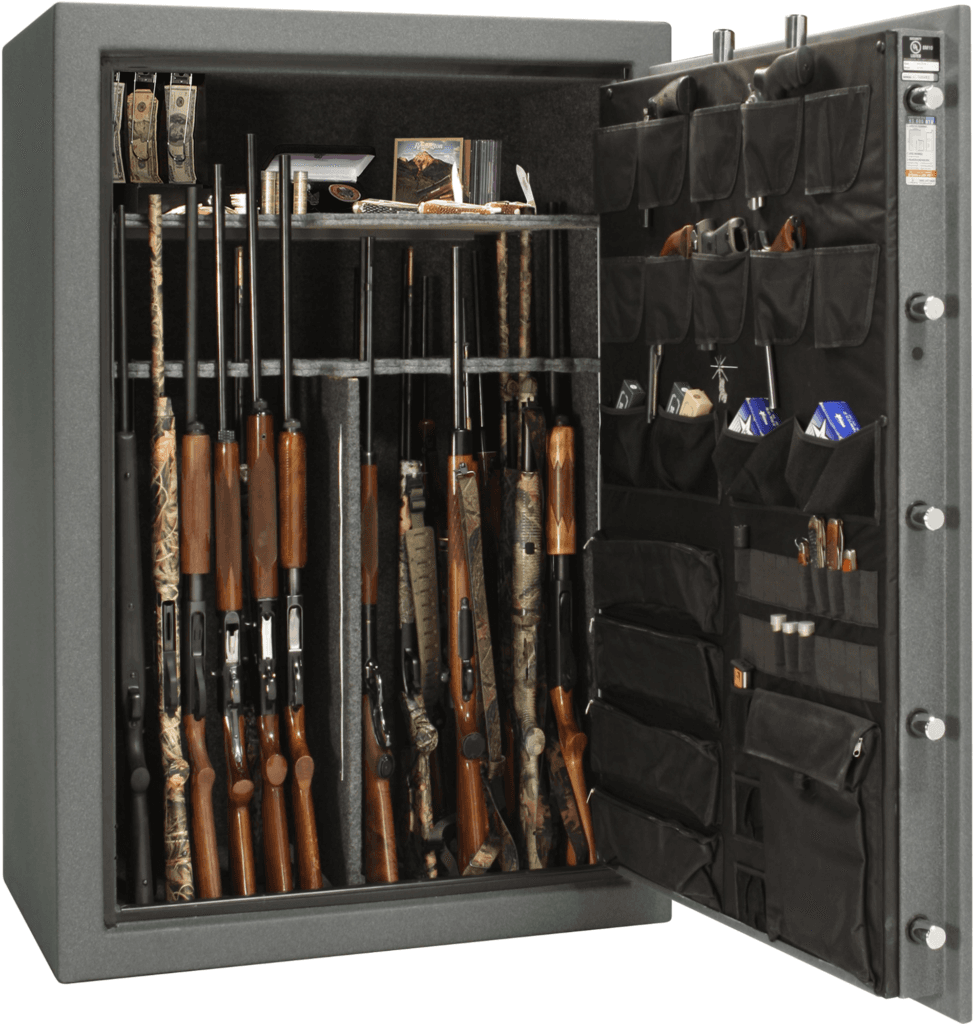
To make sure your inspector is satisfied, you’ll want more than just a lock on the front door.
At a minimum, you want a gun safe. But, using an alarm system and placing your safe behind additional locked doors looks even better.
If you’re operating in your home, it’s also a good idea to have a strategy for keeping personal firearms and inventory separate.

Our Most Popular Posts

5. Industry Operations Investigator Interview & Inspection
The IOI interview mostly just makes sure everything on your application checks out. Also, they want to ensure you’ve got legitimate intent to do business and are responsible and knowledgeable enough to be allowed to do so.
Now’s the time to pull out those neatly organized records that you’ve been putting together.

This will also be the time when you justify why you need the FFL type that you selected.
If you’ve changed your plans since you filed your application and now want a different type of FFL, your IOI will be able to make that change for you at your interview.
They’ll also correct any other discrepancies they find on the form.
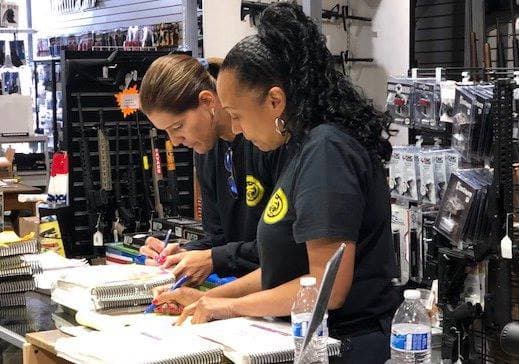
The investigator probably won’t quiz you on laws, but it should be clear from your records and your discussion with the IOI that you’ve already familiarized yourself with the laws.
They will inspect your place of business, though. Show off the security measures you’ve put in place and how you’ll keep your inventory organized.
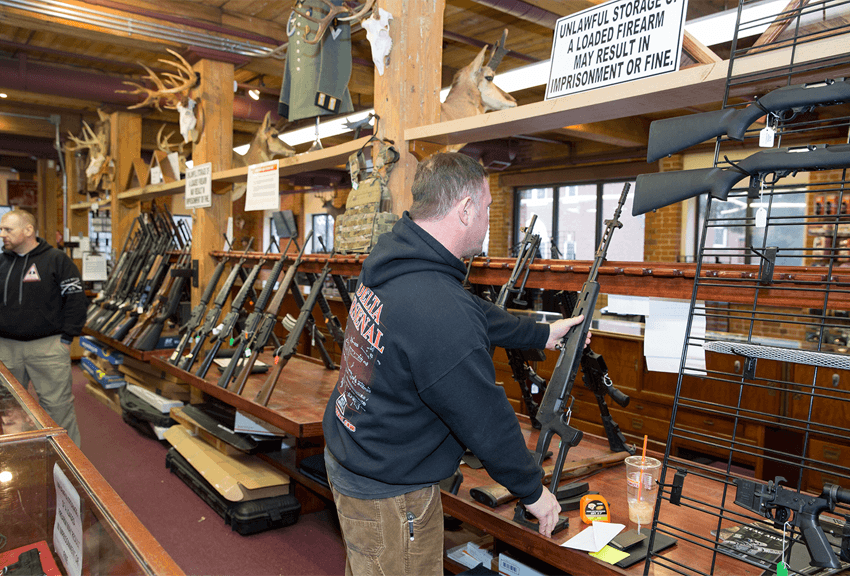
If the investigator finds any compliance issues, you’ll get 30 days to correct them.
If you don’t correct them in that period, your application will be denied. It’s best to avoid them in the first place, though, so you don’t delay getting your license.
Most of your meeting with the IOI, however, will be spent going through the ATF’s FFL handbook, a process that will probably take about three hours.

If you’ve prepared well, there shouldn’t be any surprises in what the investigator tells you, but the IOI must go through the entire handbook with you, section by section.
Take advantage of the opportunity to do so with an expert. Pay attention and if you have questions, ask them. Your investigator won’t hold it against you.

6. ATF Final Review
Once everything’s squared away with your interview and inspection, the IOI will put together a report about their experience with you and make their recommendation as to whether your license should be issued or denied.
If you’ve made it this far, they’ll probably recommend that it should be issued.

They’ll pass their report and recommendation up to their field office’s supervisor.
The field office supervisor will then go over it and issue their own recommendation, which they then send back to the FFLC.
They’ll typically go with whatever the interviewer recommended.

If everything looks good to the FFLC, they’ll finish processing your documentation and send out your shiny new FFL!
Assuming your application was filled out completely and correctly, and you didn’t have any compliance issues that required a second interview and inspection, it should take about two months for the ATF to issue your FFL once they’ve received the application.
Your interview should take place around the middle of that period.

Let's Make Things Easier: Rocket FFL & FFL123
Navigating the process of getting an FFL by yourself is complicated, but it can be made easier.
There are a few courses that you can purchase that will help you through every step of the process.
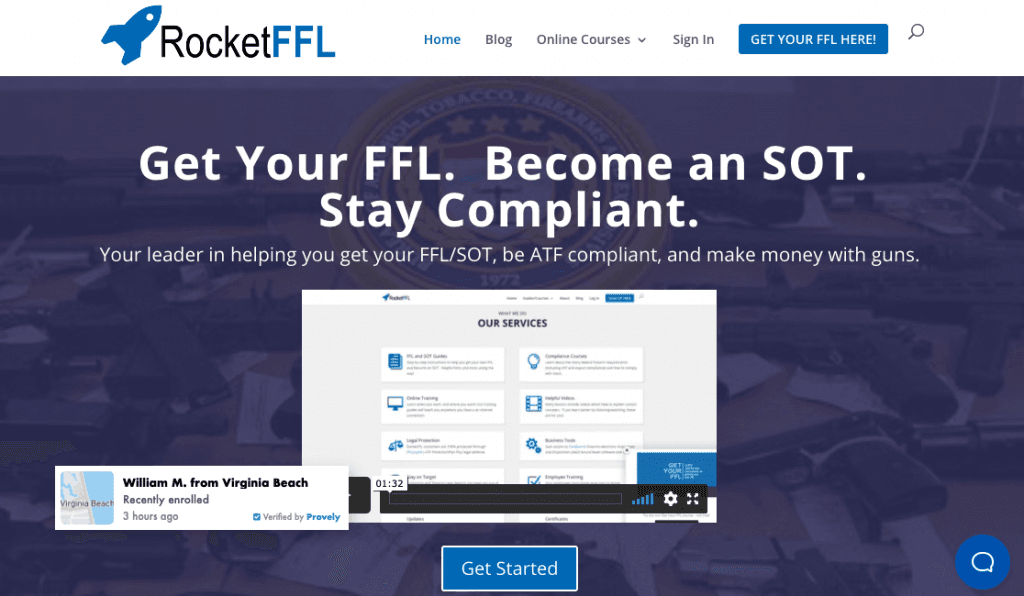
A couple of our favorites are those offered by RocketFFL and FFL123.
They not only help you fill out your applications and assemble the proper paperwork, but they also help you set up your business and ensure that it’s compliant with the law.
Each course is well worth the money to save you time and headaches with getting your FFL set up.
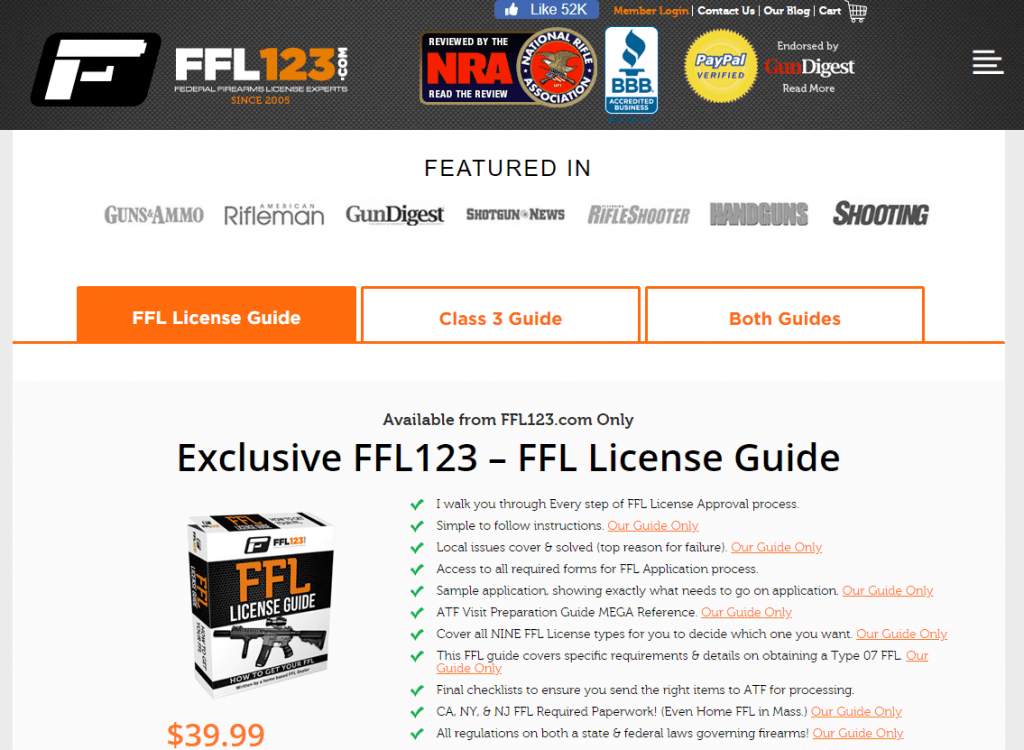
However, each company’s course is a little different and has its own combination of extra info to help you out.
Look at the course descriptions on each company’s website to decide which one best fits your needs and wants.
And both RocketFFL and FFL123 also add other courses and add-ons to teach you even more. So give them a look too!
Conclusion
If you’ve been dreaming of starting your own gun business, the good news is — it’s not as hard as it may seem at first glance.
While starting any business is a big venture, getting your FFL doesn’t have to be.

Hopefully, now you have a bit of a better view about the process of getting an FFL...or at least feel very grateful that your local FFL went through the process so you don’t have to!
Already an FFL? Drop some tips in the comments below! If you want to brush up on your gun law knowledge. To dive further into the types of FFLs you can apply for, check out our guide on FFL License Types.