
Guns That Flopped So Hard Nobody Wanted Them
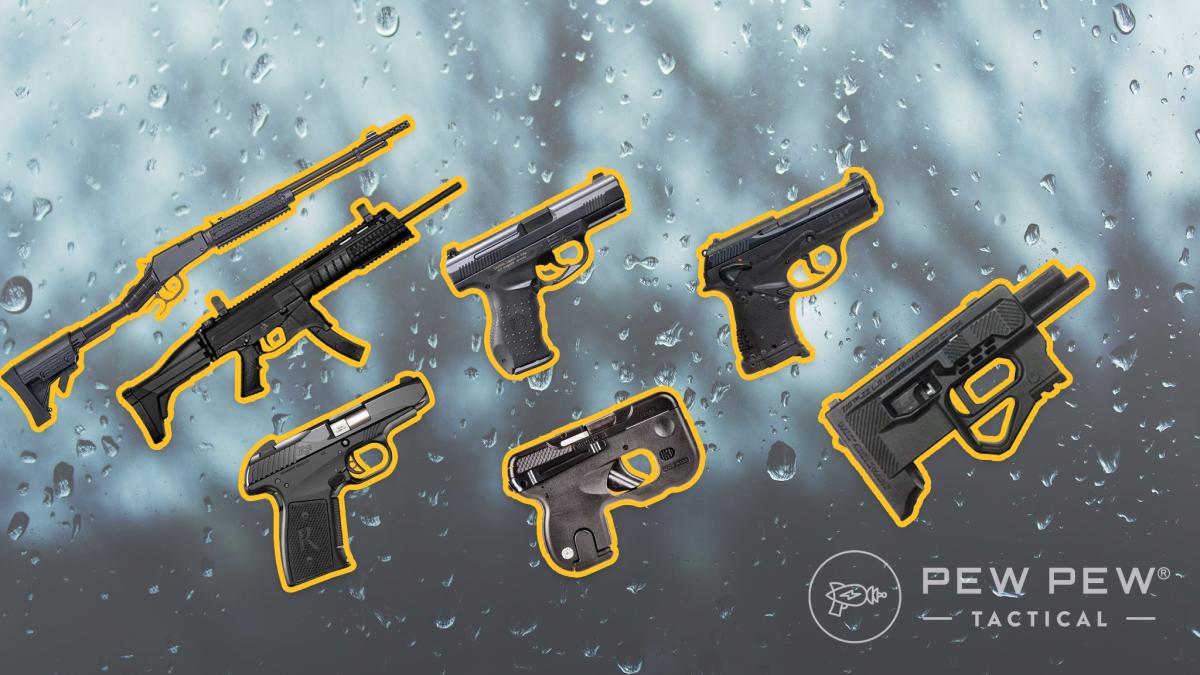
A pistol that curves, a .22 that can’t finish a magazine, and a lever gun with an AR stock. These modern firearm flops failed for a reason.
We review products independently. When you buy through links on our site, we may earn a commission to help support our testing. Learn more.
Flop has a few definitions, but my favorite is remarkably simple: a total failure. Everything has flops, including guns...
What guns have come and gone with largely no applause or sentiment?
People could mention the Bren Ten, but I wanted to pick guns from the modern era that failed. We are talking about guns introduced this millennium, or at least close to it.
Most importantly, I wanted these guns to be accessible just in case you, like me, have terrible taste in guns. These guns won’t be found in every gun store, but when they are found, they remain cheap.
As a collector of the eclectic, let’s get into some of my firearm flops.
Table of Contents
Trending: Best AR-15s, Best Pistol Red Dots, & Ammo in Stock
Taurus Curve
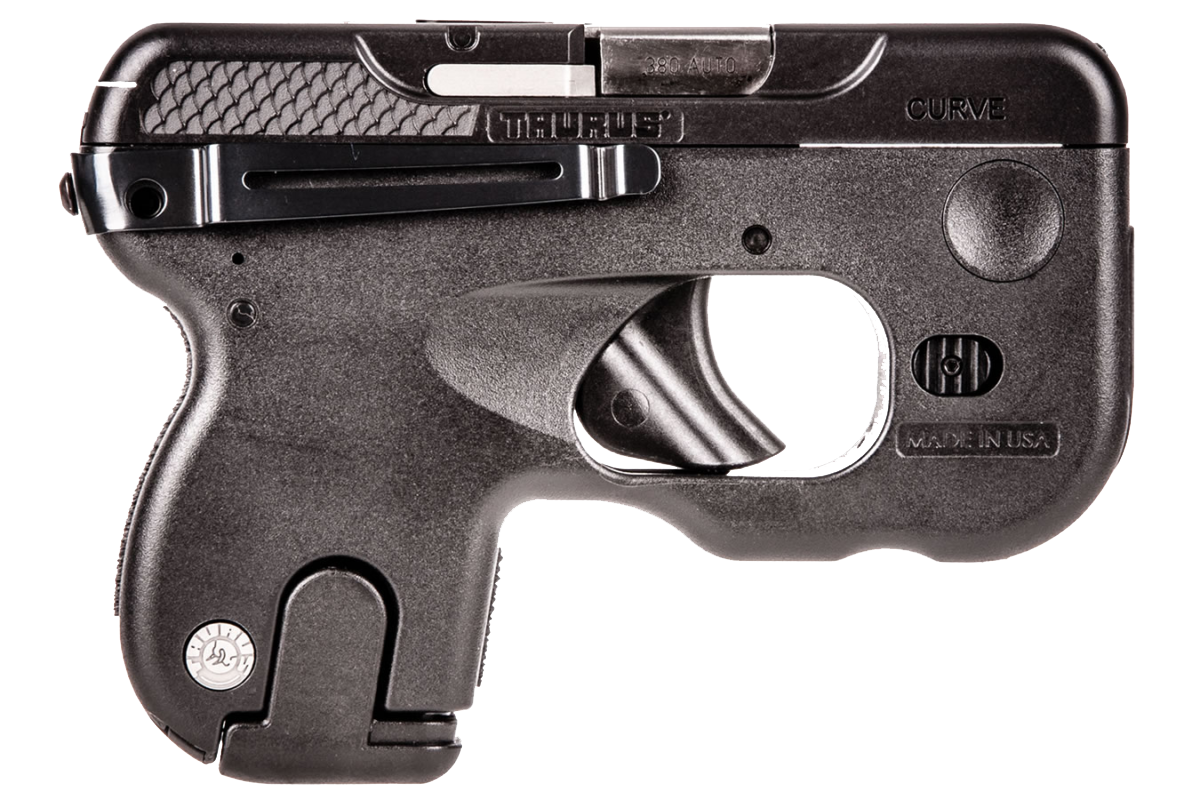
I’m going to take an odd stance here. I don’t completely hate the Taurus Curve. If you weren’t watching this space in 2014, this gun might seem incredibly odd to the modern shooter. The Taurus Curve used a literal curved frame to aid concealment.
The idea isn’t terrible for a deep-concealment gun.
Is it odd? Yes.
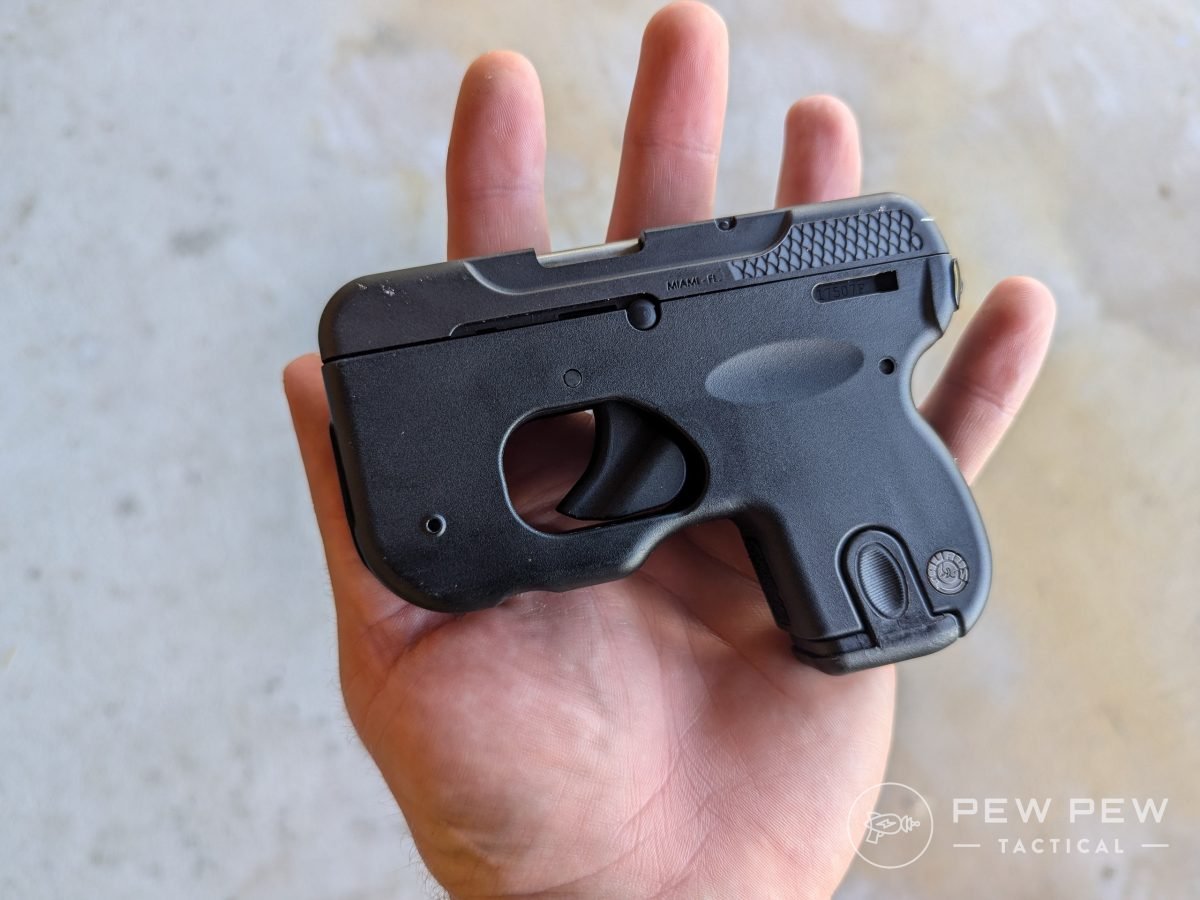
Does it lock you down to the right side IWB? Pretty much.
The Taurus Curve came with an integrated light and laser aiming system. I’ve always thought accessory integration was cool, but a Christmas tree light is brighter than the white light, and the laser belongs on a keychain, not a gun.
Built into the slide was a belt clip, and the gun came with a trigger guard cover. When combined, you didn’t need a holster to carry the gun.
The gun disappears into your waist, sitting quite low, making it dang near print-proof. When drawn, the trigger guard cover could automatically turn on the light and laser.
The recoil is low, but the lack of iron sights makes it tough to shoot. Taurus replaced your sights with vibes. A dim laser and some lines at the back mean you’re aiming with the whole gun. At close range, within seven yards, it works, but doesn’t scream precision.
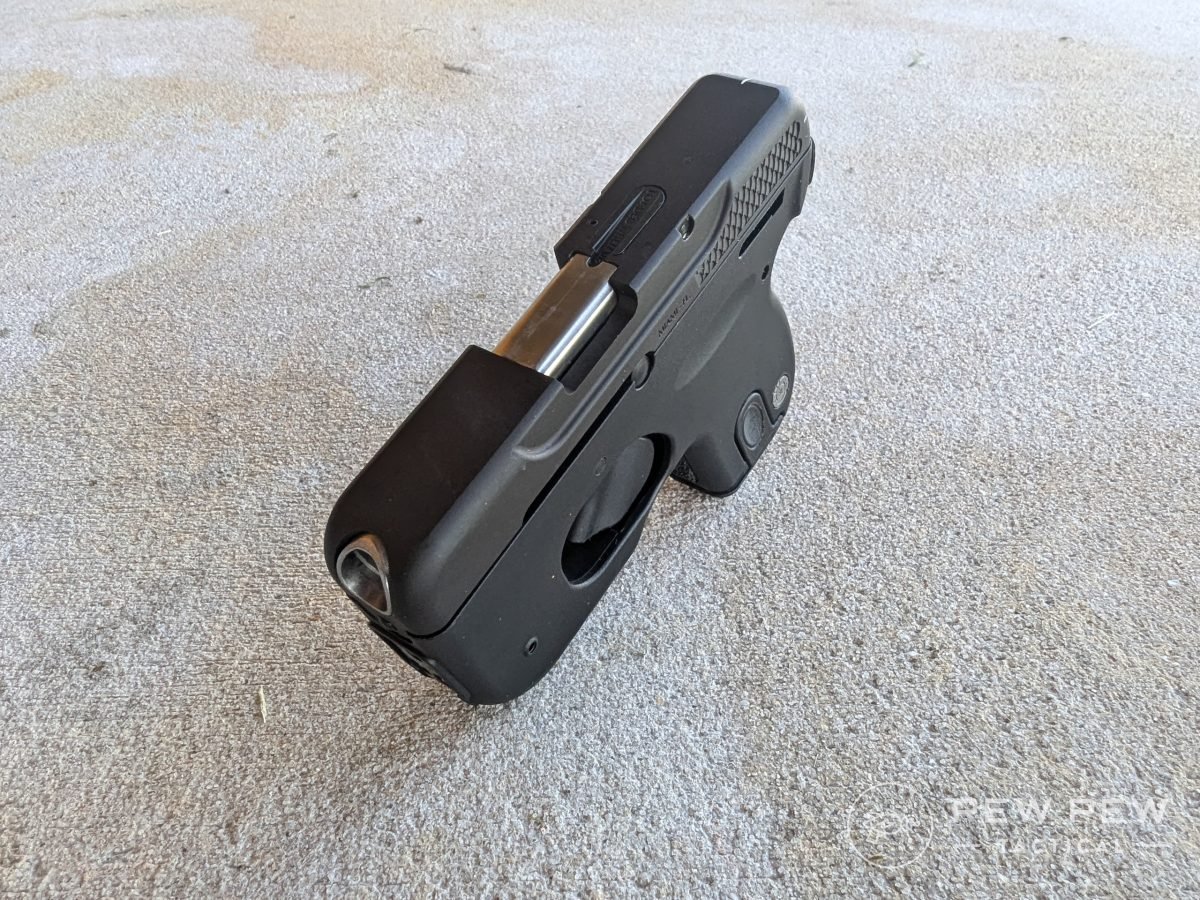
Sadly, the 2014 Taurus is nowhere near as nice as the 2026 Taurus. They had a poor reliability record, and the Curve was unreliable. Mine can’t make it through a magazine without a feed failure.
I see it more as a malfunction trainer because Tap, Rack, Bang is about all this thing is good for.
The market wasn’t ready for the Curve and its rather interesting design. Pair it with the reliability issues, and the Curve was doomed to fail. I guess the market curved the Curve.
USFA Zip .22LR
What do you call a Zip 22 with a full magazine?
Optimistic.
The USFA Zip might be the most legendary firearm flop. USFA had a reputation for making high-quality Colt SAA clones that were seemingly beloved by revolver aficionados. The folks at USFA decided to do something radical: release a futuristic-looking .22 LR pistol.
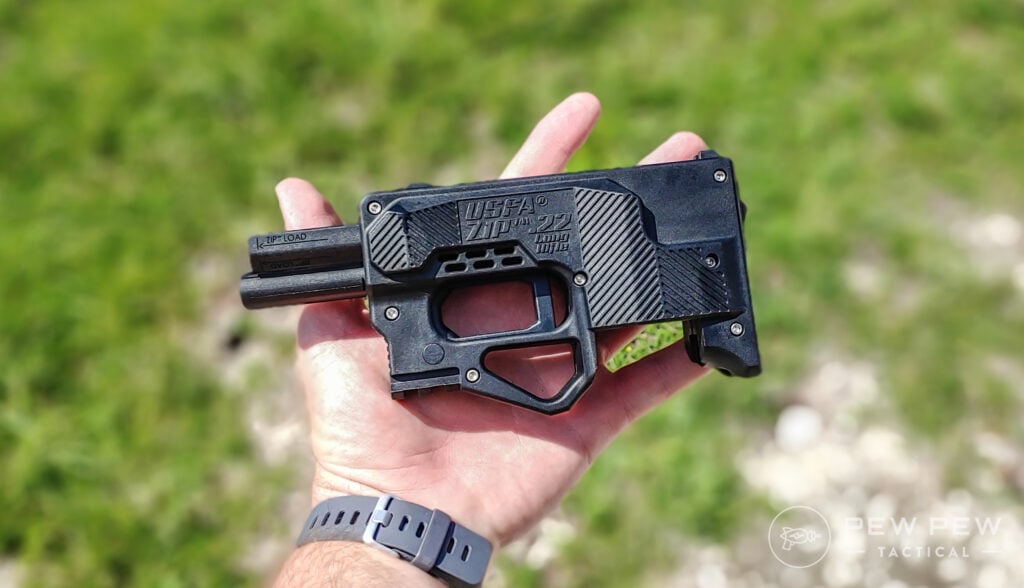
They ran so far forward so fast, they went backward.
The USFA Zip was a bullpup .22LR pistol that used 10/22 magazines. It promised modularity, including the ability to attach it to other guns, to a stock, to convert it to a single-shot .22 Magnum, and more.
Best of all, it would be cheap! Super cheap, I purchased one for $120. Sadly, like many Zip owners, I was met with what was arguably the least reliable handgun on the market.
It couldn’t shoot light loads or hot loads, and it didn’t matter which recoil spring you used. The ergonomics were awkward, and charging the gun put your fingers nearly in front of the barrel. That’s great if you’re of the opinion that you have too many fingers in the first place.
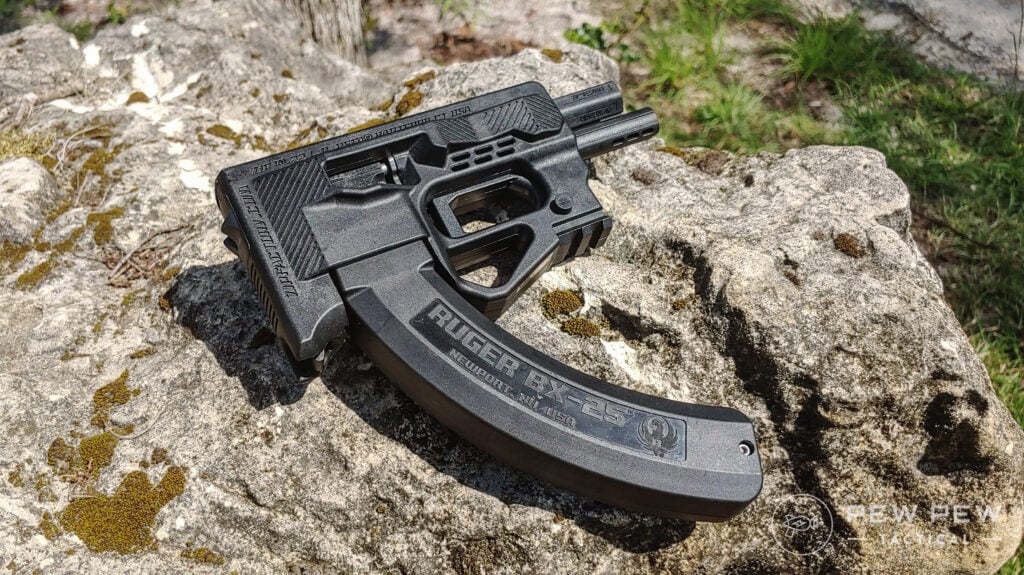
The big problem seemed to be the bolt moving faster than the magazine could feed. With a gun, you want something that works. Push the button, get a result.
With the Zip, you didn’t get a gun; you got a frustration machine.
USFA attempted to increase the reliability via BX25 mag kits, but they never ironed out the kinks. The USFA Zip didn’t just flop; USFA disappeared in the wake of its failure. They sold their revolver machinery to finance the Zip, and when the Zip failed, so did USFA.
USFA traded a classic Mustang for a unicycle with a flat tire.
Remington R51
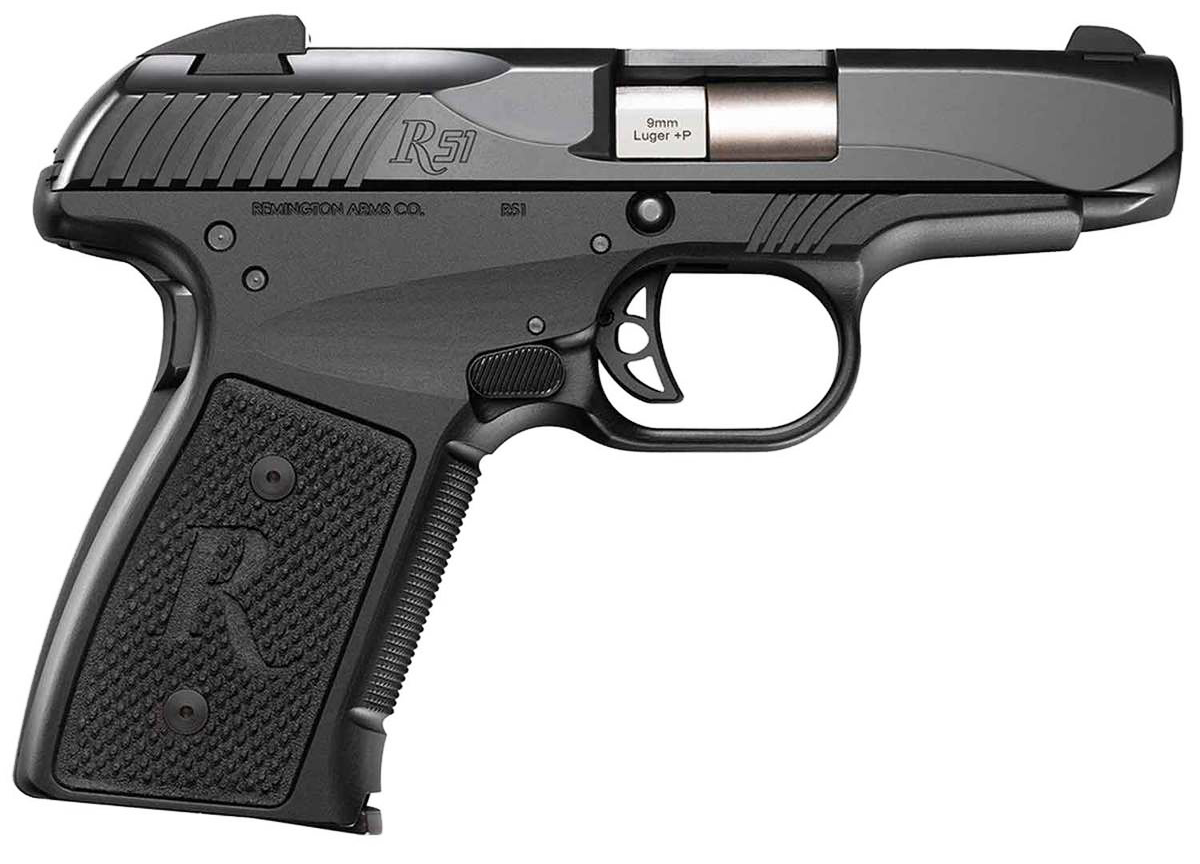
The Remington R51 did a lot of things. First, it besmirched the original and downright wonderful Model 51’s name. Second, it helped put a nail in Remington’s coffin.
Finally, it expanded online firearms journalism by exposing some aspects of print magazine reviews of firearms.
The Remington R51 was Remington’s attempt to break into the compact, single-stack 9mm market. It was 2014, and like onions on your belt, it was the fashion of the time. The R51 would be the 9mm, modernized variant of the Model 51.
The Model 51 was first produced in 1918. I own a .380 ACP version and adore it. It’s a neat gun, and in 1918, it provided less recoil than standard blowback guns while remaining small and concealable.
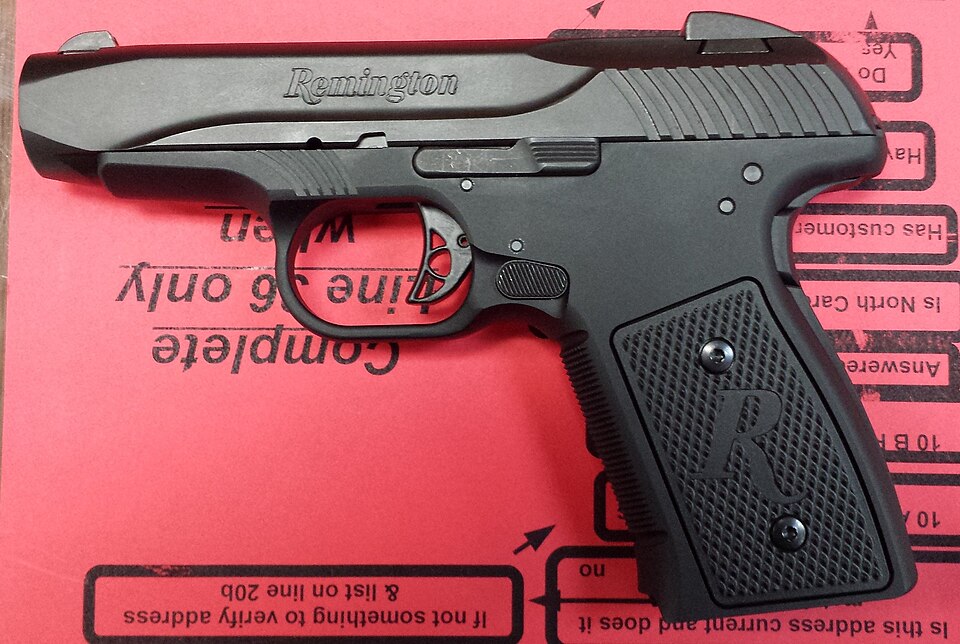
Like the original, the R51 used the Pedersen hesitation-locked action. The hesitation-delay design gives you a softer recoil than direct blowback, allowing the weapon to be lightweight while keeping a fixed barrel. Are there benefits to this design over a short-recoil operation?
It might be argued yes, but no, not really, especially in 9mm and in the modern era. The hesitation delay allowed the R51 to stand out in a crowded market and generate a little buzz.
Buzz was carried by print media, which earned it some rave reviews. However, with the dawn of the comment section, people were not impressed. Their R51S weren’t reliable, failed to feed, failed to eject, and generally just failed.
Even when it works, it’s incredibly uncomfortable to shoot with stiff recoil. It beats your hand up, and you only want to fire a few magazines before you’re done.

Remington attempted to fix the issue through a recall and the production of a ‘second gen,’ but the damage was done. I have a second-gen model, and it works most of the time, but it is not reliable enough for defensive use.
The trigger is a bit ugh. I do like that the gun doesn’t have much muzzle rise. It jumps, but the sights barely seem to move upward, so they track easily. Recoil can be a little stiff in the hand, which is why the original stuck to .380 and .32 ACP.
The main issue I have is a failure to lock during the last round. If you’re an MP5 fan, this handgun is for you!
Sadly, the R51’s reputation never recovered, and the gun flopped hard. It’s a shame because it’s all metal, uses a rare operating system, and has the Art Deco look that breaks the mold of black block on top of another black block.

The Best Gun Deals, Coupons and Finds
Subscribe to Pew Pew Tactical's sales and deals email.
Beretta 9000

You’re famed Italian firearms company Beretta, and it’s the year 2000. People like the 92, but the polymer world is upon us, and concealed carry is also popular. Beretta decided the best thing they could do was to take the 92, make it compact, add a polymer frame, and call it a day.
Thus, the Beretta 9000 was born. It admittedly has a stylish, somewhat futuristic design. It was cool enough to be used in Minority Report and in the video game Enter the Matrix, both important pieces of 2000s sci-fi for me.
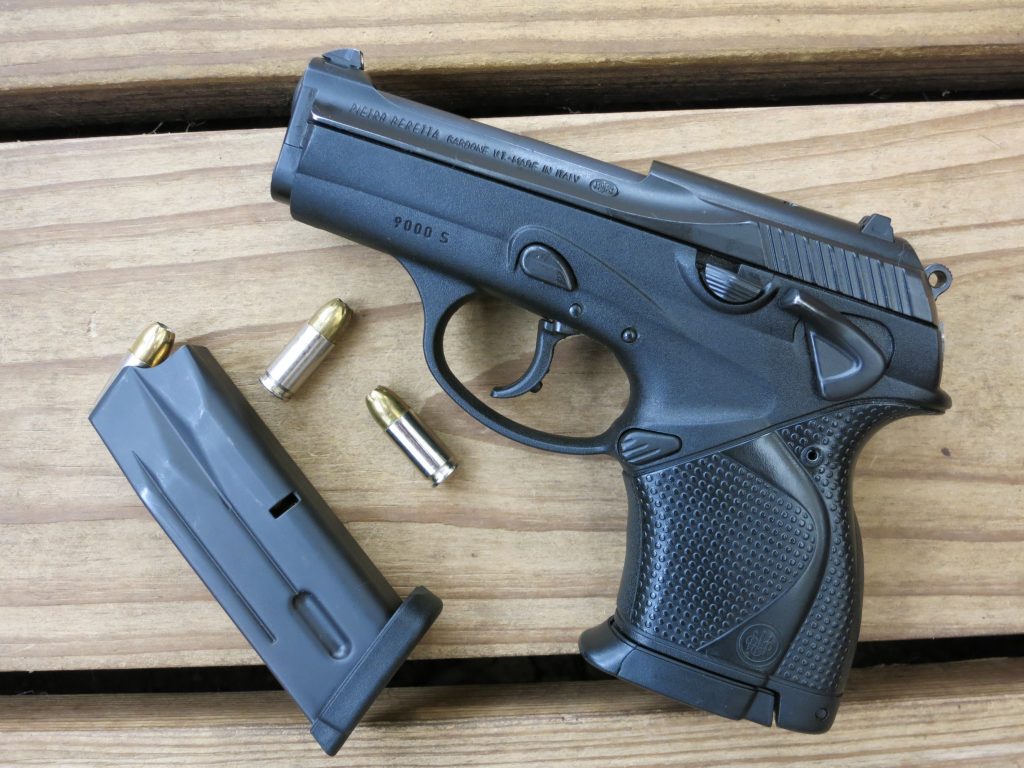
Unfortunately, I didn’t get the Pre-Crime report that this gun was an ergonomic mess.
The Beretta 9000 came in both 9mm and .40 S&W and used a double-stack magazine. It came in a few configurations, including a standard DA/SA and DAO model. All in all, they are fine guns, reliable, accurate, etc.
One neat feature was a flip-down pinky extension. Necessary? No, but still cool.
They meet the basics of a good gun in most aspects. This gun works reliably, but it wasn’t perfect. The ergonomics are what killed the gun.
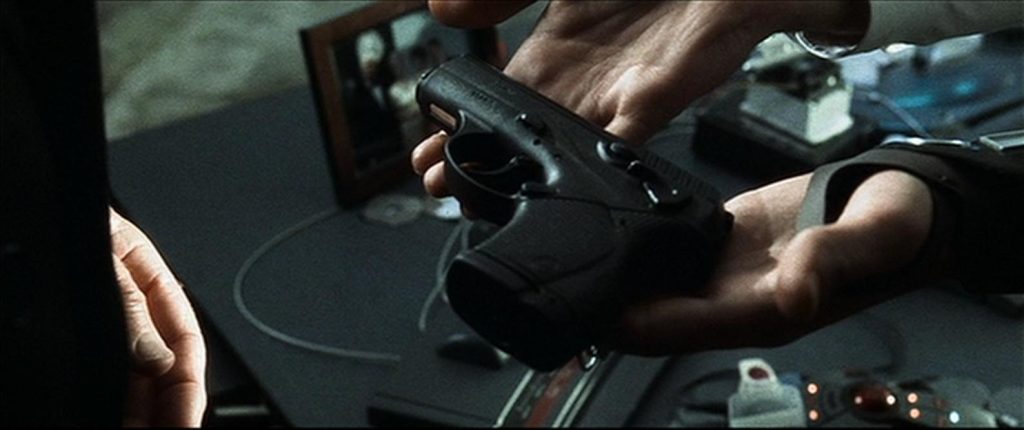
The problem came down to the polymer frame. For one, it’s absurdly wide from front to rear. Wider than a standard 92 in that regard. It feels like holding a board. Second, the polymer grip would crack, peel, and flake away.
Why a company known for a degree of sleekness would design this grip is beyond me. I don’t understand whose hands this gun fits. I have 2XL-sized hands, but they don’t fit me.
The 9000 wasn’t going to appeal to Beretta fans, and it certainly wouldn’t appeal to Glock fans. Outside of 2000s sci-fi movies, it didn’t seem to appeal to anyone.
It was a gun no one wanted, and it flopped so hard it doesn’t have a Wikipedia page.
Smith & Wesson SW99
The fact that this gun didn’t succeed hurts my heart. I’m a Walther P99 apologist, and for some reason, the P99 never caught on. People keep trying: Magnum Research and the MR9; Canik cloned the P99; and, of course, the Smith & Wesson SW99.
S&W and Walther used to be like peanut butter and jelly. They were tight, and S&W was Walther’s main importer. There are lots of PPK/S out there with S&W markings.
Eventually, they teamed up to build a gun.
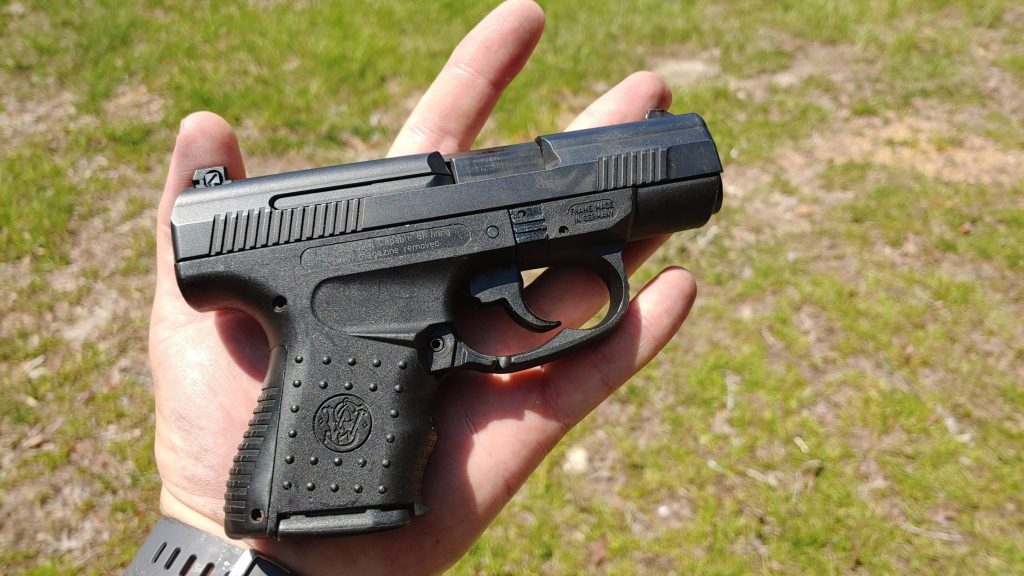
Kind of. It was a Walther P99 clone. Walther made the frame; S&W made the slide. They produced the SW99 in 9mm, .40 S&W, and the SW99 exclusive .45 ACP.
They produced a variety of models, including the standard, the longslide, a compact, and a double-action-only gun. I own the SW99c and adore it.
S&W needed a polymer-frame gun to compete with the Glock. The S&W 3rd-gen pistols were on their way out of police holsters. The Sigma had a polymer frame, but it was cheap and didn’t appeal to police forces.
S&W needed a duty-grade police pistol in a polymer frame, striker-fired format, and thus the SW99 and its variants were born.
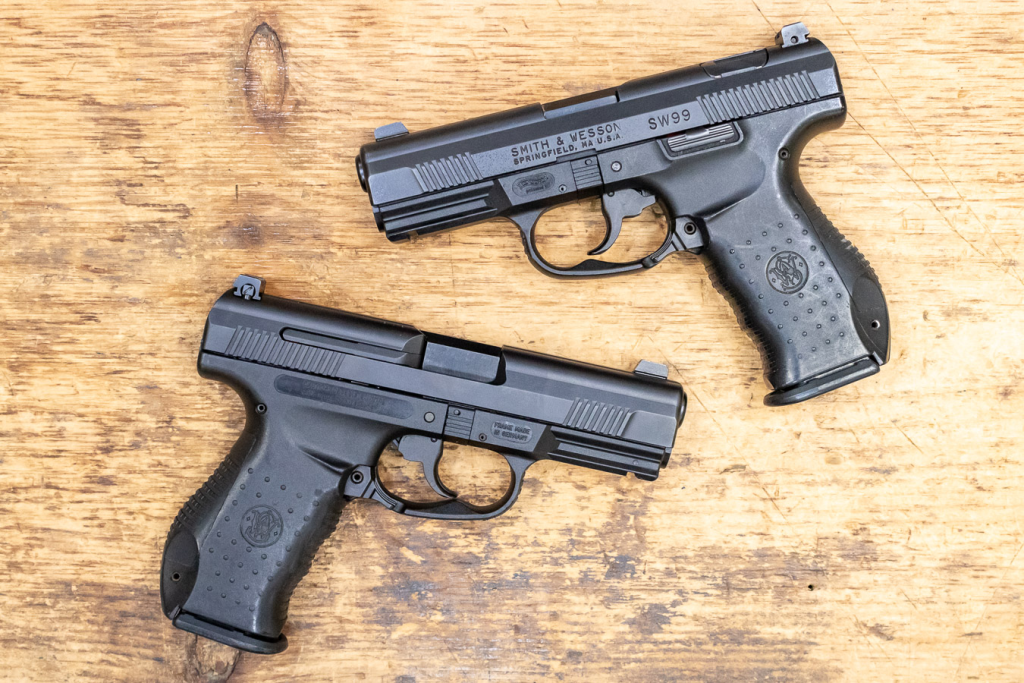
The SW99 is a DA/SA gun. Most other striker-fired guns use a pre-cocked striker. With the P99, the striker is either completely forward or completely rearward.
The SW99 embodies the same amazing trigger as the P99. The double-action is incredibly light and smooth, and the single-action is incredibly crisp and lightweight. The gun also has an anti-stress mode.
This mode integrates a two-stage trigger that combines the weight of the single-action mode with the length of the double-action pull. That novel DA/SA system appeals to me just because it’s different, and different is my thing.
There is nothing overly wrong with this gun. It’s reliable, easy to shoot, and fun to shoot, but people wanted pre-cocked triggers, and the SW99 didn’t deliver that.
Sadly, the SW99 never took off all that well. The SW99 series lasted about seven years and was eventually killed off by S&W’s M&P series.
Our Most Popular Posts
Taurus CT9 and CT40
Taurus was a hair away from hitting it big with the CT series. In 2011, they unveiled their new pistol caliber carbine, and it had the potential to be good. Sadly, they were a few years early, and the PCC craze hadn’t caught on.
If they had waited a few years or maybe introduced a large-format pistol variant, it might have succeeded. Heck, if they had offered any form of support to the CT, it might have lasted.
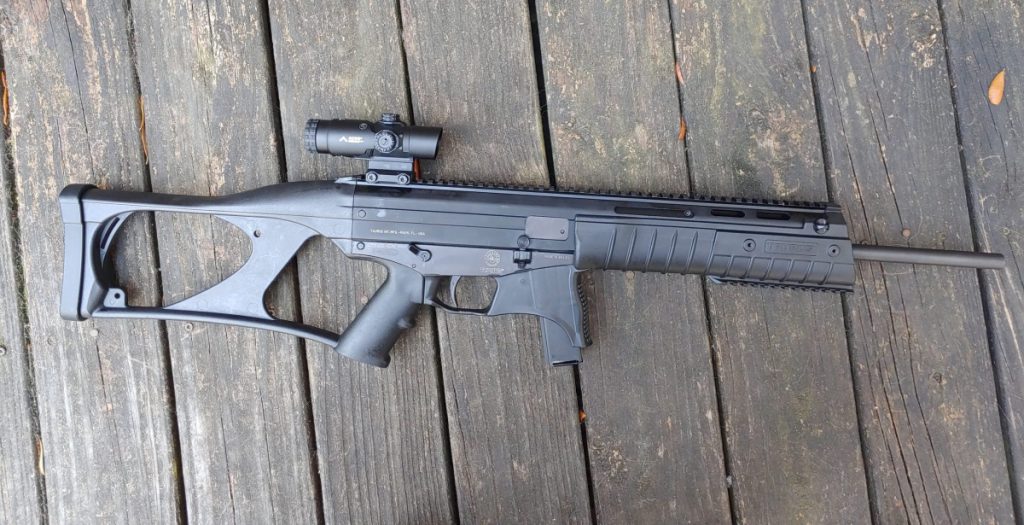
The CT series was based on the SMT series, which were submachine guns marketed to police and military forces. Taurus extended the barrel to 16 inches, added a thumbhole stock, and, of course, removed the giggle switch.
This created a rifle with a length of pull beyond 15 inches, and it was longer than a standard AR-15. The CT series used a straight blowback system, so it’s not exactly fancy internally.
This created a fairly massive rifle that weighed nearly 8 pounds and fired a pistol caliber. The magazines held a mere 10 rounds of your desired caliber. The barrel lacked any type of threading, and Taurus removed the side rails, but left the slots there for future attachments that never came.
The CT9 was just a big, heavy rifle that lacked any kind of support from Taurus. Being stuck with a massive thumbhole stock, a long, unthreaded barrel, and ten-round magazines kept this thing from ever taking off.
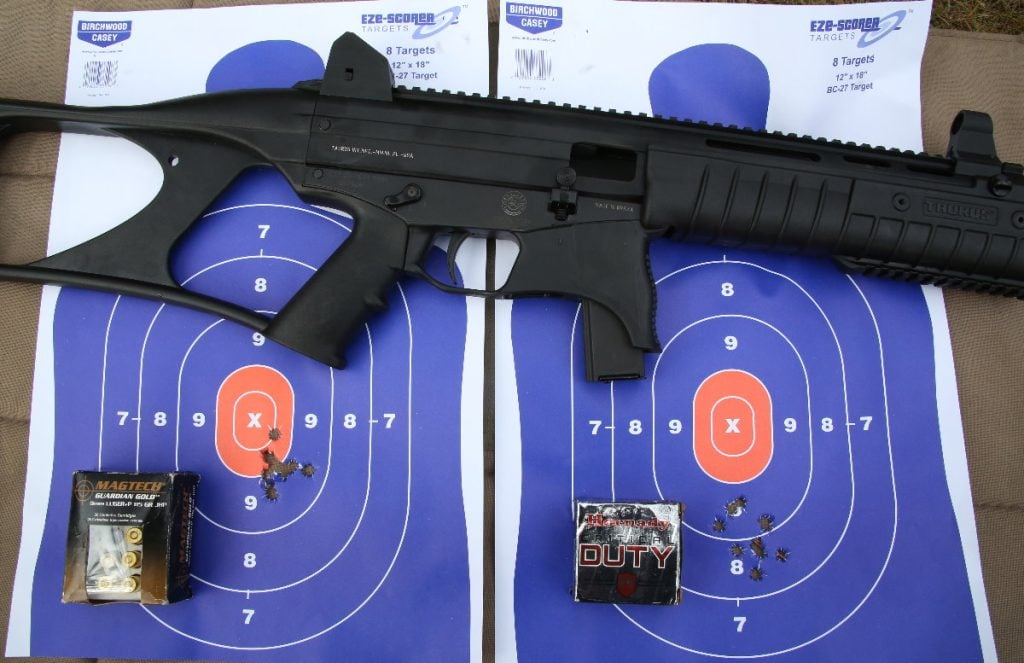
Sure, 922R was a factor, but with Taurus support, they could have made US parts and magazines to comply with those pesky import laws. It’s sad because my CT9 is reliable, accurate, and fun to shoot.
The CT series lasted about a year or so, and the MSRP of $895 turned plenty off. It was doomed to fail. The gun had potential and was almost there, but this is a clear case of too little, too late.
Mossberg 464 SPX

The Mossberg 464 was Mossberg’s answer to the lever gun question. Originally produced as a fairly affordable, bog-standard wood-stocked .30-30 or .22LR. The 464 eventually evolved into the 464 SPX.
The 464 SPX was ahead of its time in some ways. It was the first ‘tactical’ lever gun as far as I can tell. Gun culture widely mocked the gun after its announcement in 2012.
The Mossberg 464 SPX didn’t just introduce black furniture to a lever gun. It integrated a Picatinny rail forend and an M4-style stock blended with a traditional stock design. To this day, it’s the only lever gun I know that integrated an AR-style stock.
The integration isn’t bad. The downside is using a commercial buffer tube size instead of MIL-SPEC. The gun came with an ATI stock with an adjustable cheek riser, but my need to swap stuff makes me wanna toss a Magpul stock on the gun.
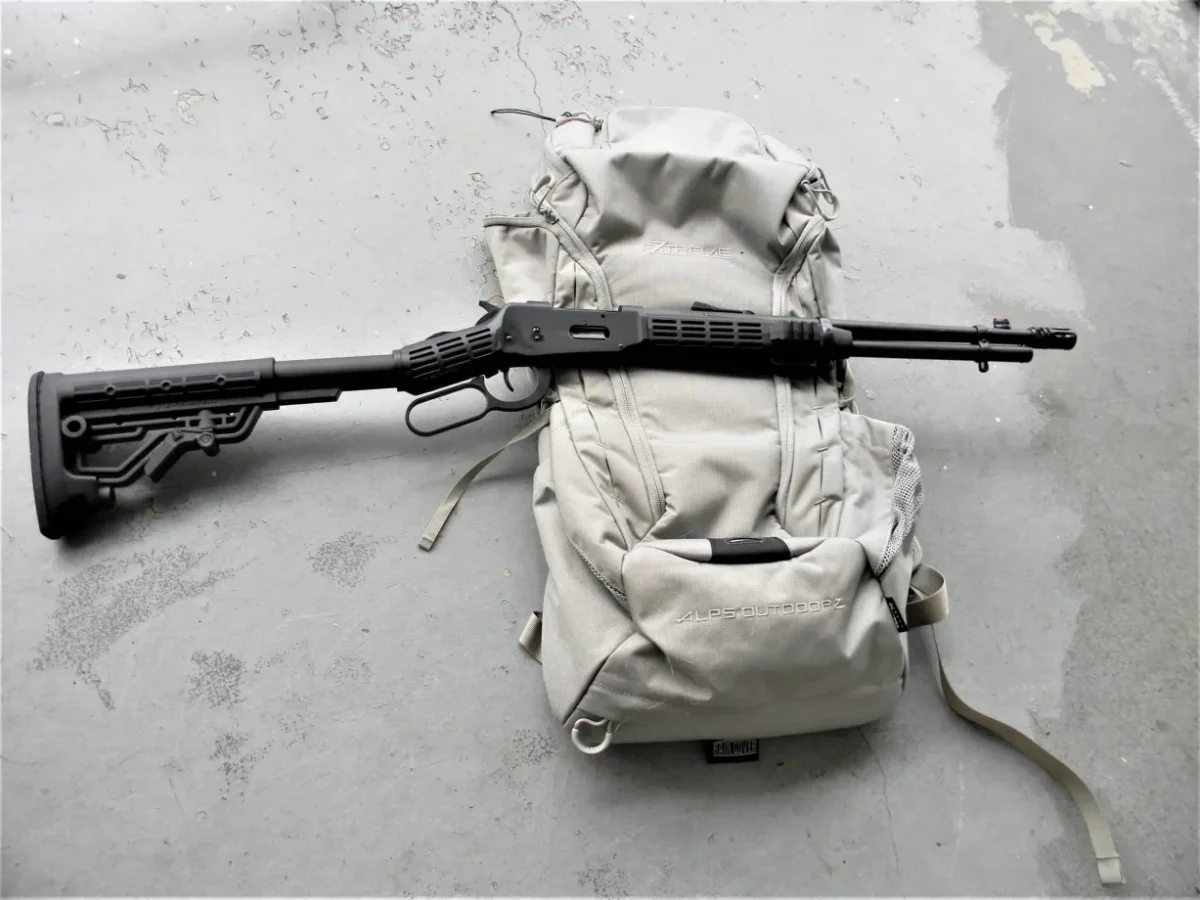
The Mossberg 464 SPX also came with high-visibility fiber optic sights, an A2 flash hider, and the classic Mossberg tang safety. Safeties on lever guns are also something a bit contentious with lever gun enthusiasts.
It’s seen as unnecessary and unsightly on a hammer-fired rifle. There is also a trigger safety on the underside of the stock. The lever needs to be firmly pressed against that safety, and it’s easy to miss.
Mossberg embraced the Zombie craze of the early 2010s and produced a ZMB model that’s tough to find these days.
The 464 series as a whole had problems. Some were great; others had feeding and ejection issues. My model has feeding issues. Oftentimes, if you work the action too fast, you’ll eject both the spent casing and the fresh live one.

Other times, the round will flip as it feeds, and you’re stuck. It’s a gun you have to baby the action with to get to work, and even then, it’s difficult.
Mossberg quietly discontinued the entire series sometime around 2020. The 464 SPX came out a little too early to capture the tactical lever gun phenomenon and simply wasn’t reliable enough to appeal to a ton of shooters.
Final Thoughts

Movies flop, games flop, guns flop, everything flops in one way or another. For every Glock 42, there is a Taurus Spectrum. For every Taurus Spectrum owner, there is a support group every Tuesday at the VFW.
These are the biggest firearm flops I’m aware of. What are some you’ve seen?Let us know below! Now for guns that aren't a bummer...check out our Best Handguns for Beginners and Best AR-15s.
Meet the Experts
At the helm of this look into guns that couldn't get the traction they needed is Travis Pike, Pew Pew Tactical author and gun writer. Travis has spent thousands of hours at the range testing and evaluating guns as well as researching the best models available on the market. His experience as a Marine Corps machine gunner, NRA-certified instructor, concealed carry trainer, and competitor gives him unique insight into a wide variety of guns, including those that flop.
Editor-in-Chief Jacki Billings runs our experienced team of reviewers and edited this round-up. She is an NRA-certified Basic Pistol Instructor as well as a member of the Society of Professional Journalists, ACES: Society for Editing, and the Professional Outdoor Media Association. Jacki has a bachelor’s degree in journalism and has worked as a media professional for close to 20 years, specializing in gun media for almost 10 years. With 2,000+ articles to her name, she uses her professional journalism and editing experience to set testing protocols and editorial standards for Pew Pew Tactical. She has a soft spot for underdogs and her very first gun review EVER was a Taurus Curve.