
JUMP TO SECTION
Jump To:
Trending: Best Easter Gun Deals 2026 and Best AR-15s
Participating in shooting competitions is a great way to hone your skills, meet fellow firearms enthusiasts and see how you stack up against other competitive shooters.
3-gun shooting competitions are continuing to increase in popularity in the shooting and firearms community and there is good reason why. They are fun for both participants and spectators, and they promote the safe use of firearms in a competitive setting.
However, for shooters who don’t see a good fit for themselves in the faster paced world of 3-gun shooting, there are plenty of other shooting competitions out there including service rifle shooting competitions, vintage military competitions and vintage sniper competitions.
Where to Start
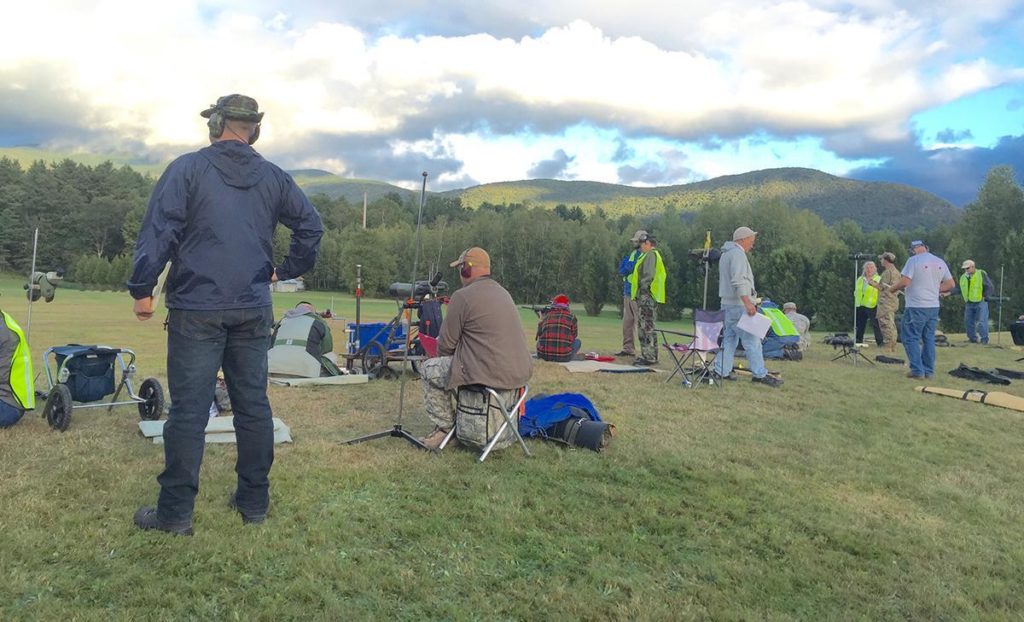
Two of the best resources for learning more about shooting competitions including the rules, requirements, dates and types of competitions are the Civilian Marksmanship Program (CMP) and the National Rifle Association (NRA). Both of those organizations run a variety of sanctioned shooting competitions that offer the opportunity for shooters to measure their skills up against other shooters. There is a lot to be said about having the opportunity to be recognized for shooting ability instead of merely practicing alone at the range. One of the best ways to get started is to find a local competition and make plans to attend the event as a spectator. This will allow you to get a feel for how things work at a shooting competition and you will be less overwhelmed compared to simply diving right into being a competitor. If you feel like attending an event as a spectator won’t teach you enough to feel comfortable with competitive shooting, there are other options. One of the best options for a beginner is to begin competitive shooting in a league setting. Leagues are generally more informal (less stressful or intimidating), while still using rules that would be used in a more formal competition. Another option is to join a local shooting club. Joining a club is a great way to get more involved in the shooting community in your area and can be a great transition into the competitive side of things.
Types of Competitions
There are way too many different types of competitions to cover them all in a single article, but I wanted to highlight a couple of the different types that you may be interested in.NRA High Power Rifle Competition
The NRA High Power Rifle Competition is one of the most popular classes of competition offered by the NRA. There are different versions of competition in this class that combine different shooting positions and shooting requirements, or “strings.” There are four basic strings that can make up different NRA High Power Rifle competitions. Those four strings are as follows:- Slow Fire, standing – 10 rounds at 200 yards in 10 minutes.
- Rapid Fire, sitting or kneeling – 10 rounds at 200 yards in 60 seconds.
- Rapid Fire, 10 rounds prone – 300 yards in 70 seconds.
- Slow Fire, 10 rounds prone – 500 or 600 yards in 10 minutes.
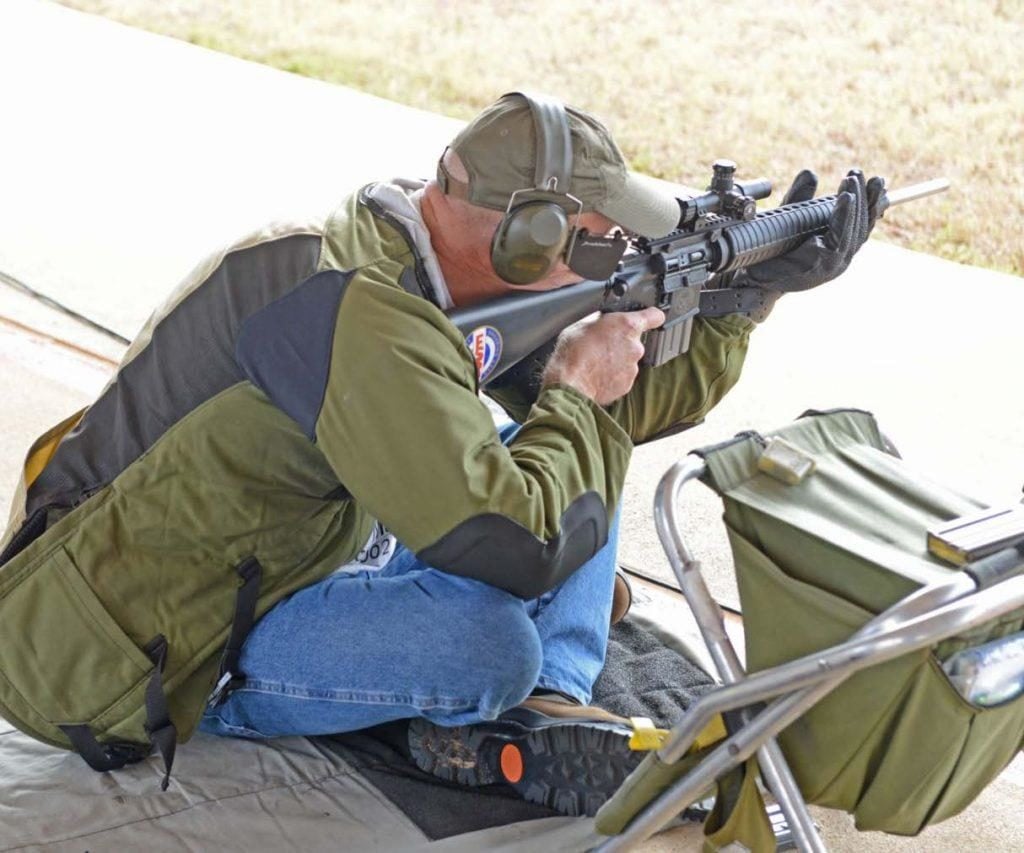 The current rifles that fit into the Service Rifle division are M1, M14, M16 rifles and their commercial equivalents. While most vintage military and foreign military service rifles will be ineligible for the Service Rifle division, they would be eligible in the Match Rifle division.
Vintage Military Rifle (VMR) Games
Do you own a vintage military rifle that you would like to compete with? Perhaps one from my list of the best surplus rifles? If so, you are in luck. There are several types of competitions that limit shooters to vintage military rifles that must be used “as-issued.” That means that a qualified rifle is one that is A) in the original configuration in which it was issued and B)that it was a standard issue rifle and not a specialized model that only a few troops may have used. These types of competitions are aimed at preserving military marksmanship traditions and as such are fairly strict as to the requirements an eligible rifle must meet. No replica or commercially-produced rifles are acceptable and eligible vintage military rifles are not allowed to be equipped with flash suppressors, cheek pads, recoil pads, weights or stock extensions. Here is an example as to how a typical “as-issued” rifle match might configured: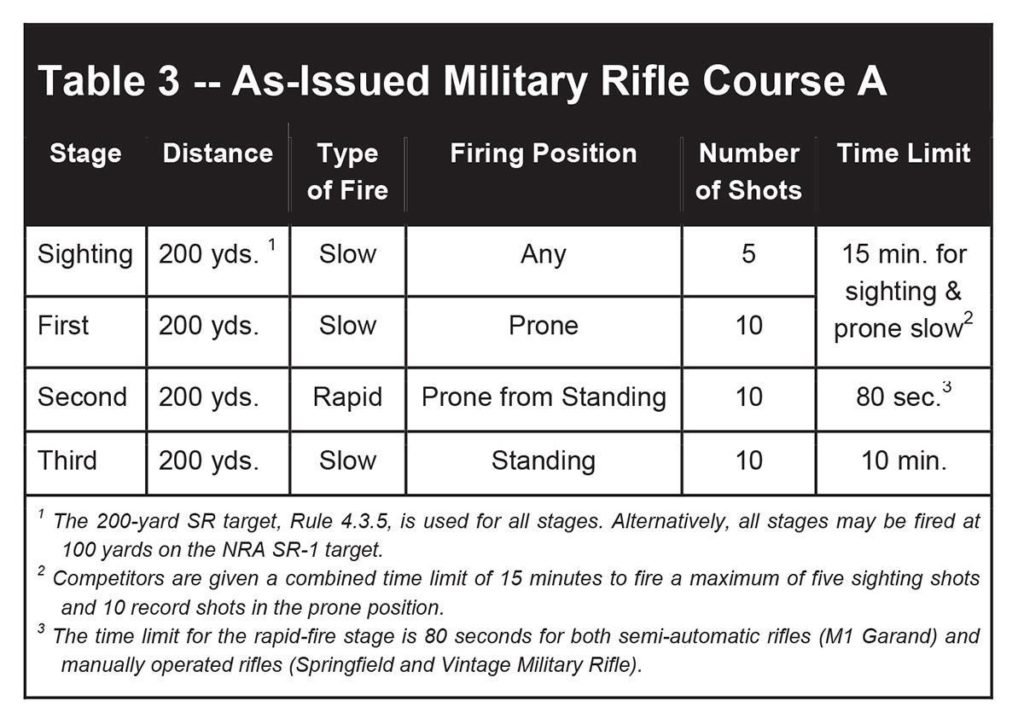
“Eligible foreign VMRs include just about every bolt action magazine rifle in military service since the 1890s, such as Mausers from any country, the Arisaka, Carcano, Enfield (No.1, No.4 and P14), Mosin-Nagant and the straight-pull Steyr-Mannlicher and Swiss K-31 rifles,” according to the NRA.
Other requirements that each eligible rifle must meet include a minimum trigger pull weight of 3.5 pounds, must be a manually-operated bolt or straight pull bolt action only and they must be in the original, “as-issued” chambering.Vintage Sniper Rifle Matches
The vintage sniper rifle class of shooting competitions are ideal for shooters who appreciate the skills of military snipers who did not have the current technology of today’s skilled sharpshooters in active service. These competitions are designed to simulate the conditions under which military snipers would have had to perform in the field. These competitions are conducted using two shooter teams. Each team member will take a turn at firing on the targets during the competition. Shots are taken from a prone position at ranges of 300 yards and 600 yards, shooters are permitted to use either a sling or sandbag for support (but not both) and each target is exposed for only 20 seconds for each shot.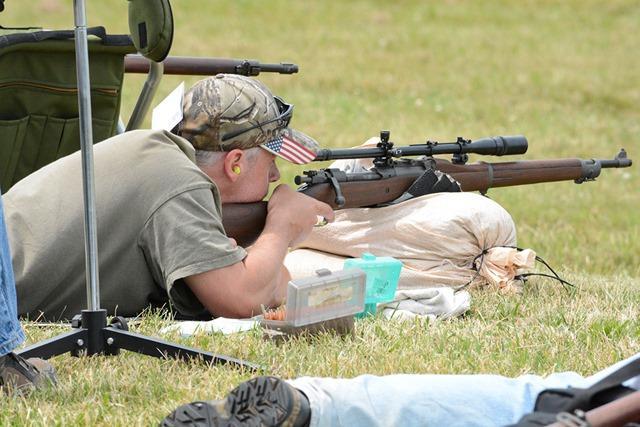





Leave a Reply