
Revolvers vs. Semi-Auto: Which is Best for Beginners?
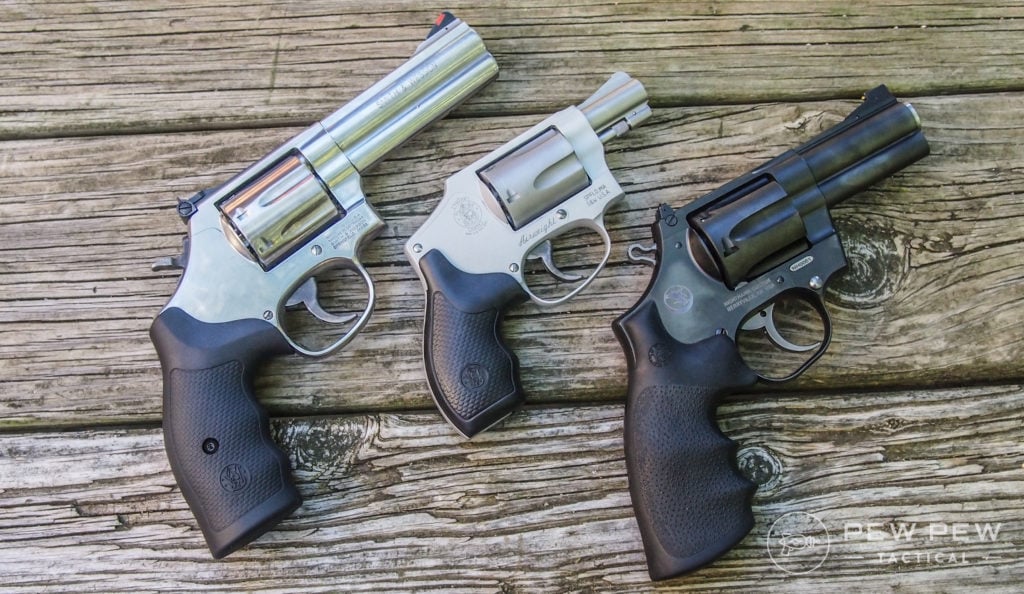
New to guns but not sure if a revolver or semi-auto pistol is the way to go? We got you covered with the pros and cons of each and which is best for beginners.
We review products independently. When you buy through links on our site, we may earn a commission to help support our testing. Learn more.
There are some silly gun debates out there. 9mm vs. .45 ACP, AK-47 vs. AR-15, and of course, revolver vs. semi-automatic.
The semi-automatic pistol established itself as the future of handguns...but the revolver continues to hold its own, sold in great numbers.
Today we are looking at the classic revolver vs. semi-auto debate, although these days, the argument is far less common than it used to be.
We'll dig into the age-old argument, break it down by category, and take a critical look at the advantage of each platform.
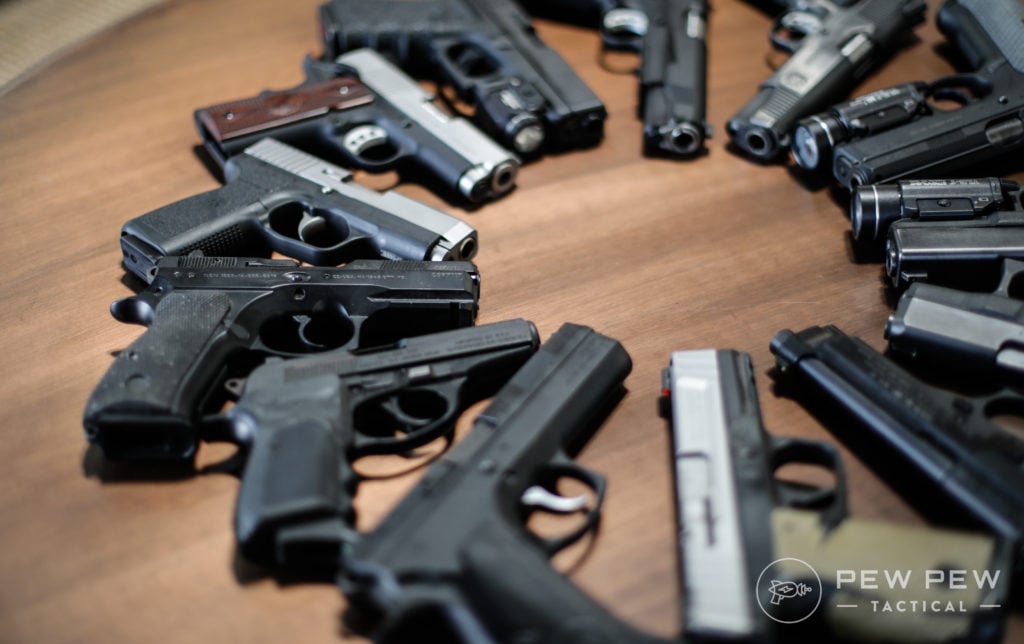
Hopefully, by the end, you'll understand both the obvious and subtle differences between the two platforms.
Table of Contents
Trending: Best AR-15s, Best Pistol Red Dots, & Ammo in Stock
Ease of Use
This is a tough one. Both revolvers and automatics are easy to use in their own way.
A semi-automatic handgun is often easier to shoot than a revolver. This holds true for most new shooters as well.
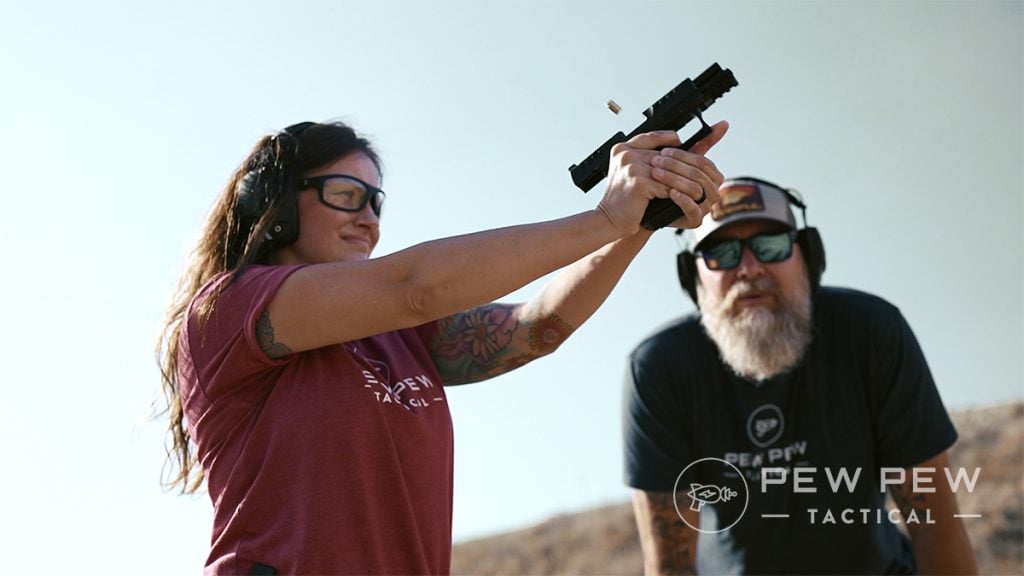
The shorter, lighter trigger pull of striker-fired and single-action semis guns make them feel much easier to shoot.
With a revolver, you either have to manually cock the hammer for a light single-action trigger pull, which requires one more movement, or you have to utilize the long double-action pull, which can affect accuracy.
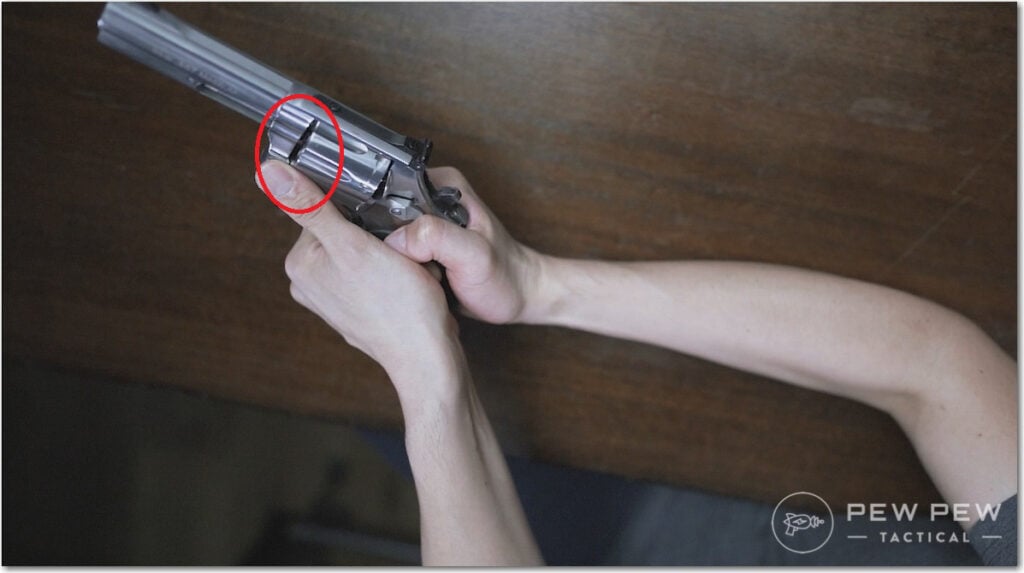
There is also something to be said regarding being mindful of cylinder blast and thumb placement on revolvers.
That said, using a semi-auto requires a little more training and practice when it comes to administratively handling the gun.
Ease of use is really about how often you are going to use the gun. If someone isn't planning to train often and only wants the gun for home defense and occasional target shooting, a revolver might be a great option.
If you plan to shoot more often and train, the semi-auto can be easier to shoot well with, and with a bit of practice, learning how to use it will become second nature.
Loading/Unloading
Loading and unloading can require some practice, as does de-cocking particular guns and managing manual safeties.
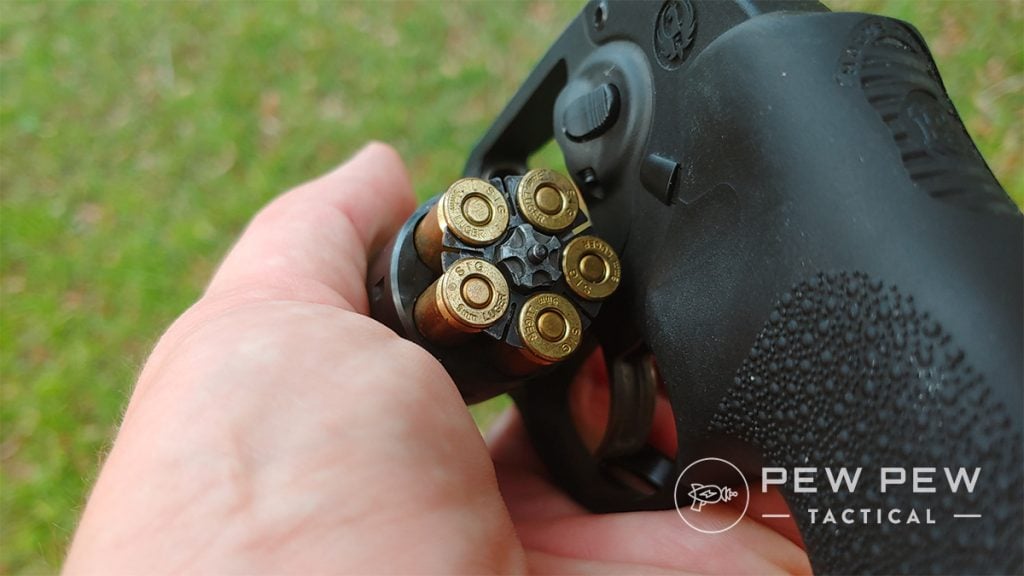
An inexperienced user can look at a revolver and see if it's loaded or not. Also, most modern revolvers are self-explanatory. Press, push, or pull the cylinder release, and boom, you can unload or load the gun.
Managing a cylinder can be easier than racking the slide on a semi-auto, especially for those with arthritis or lower hand strength.
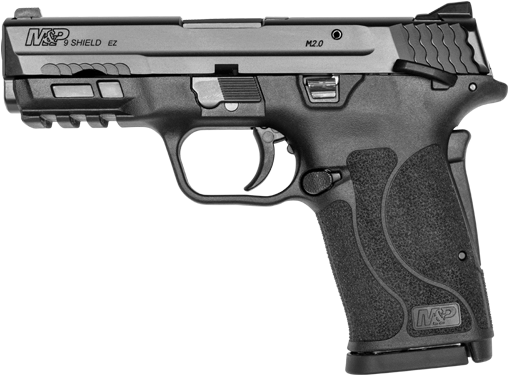
Some modern semi-autos like the Walther CCP and the S&W EZ have made the racking process easier, but revolvers still cut that out completely.
Capacity
This is going to be the most obvious difference. Even people without firearm experience understand that automatics can hold more rounds than a revolver.
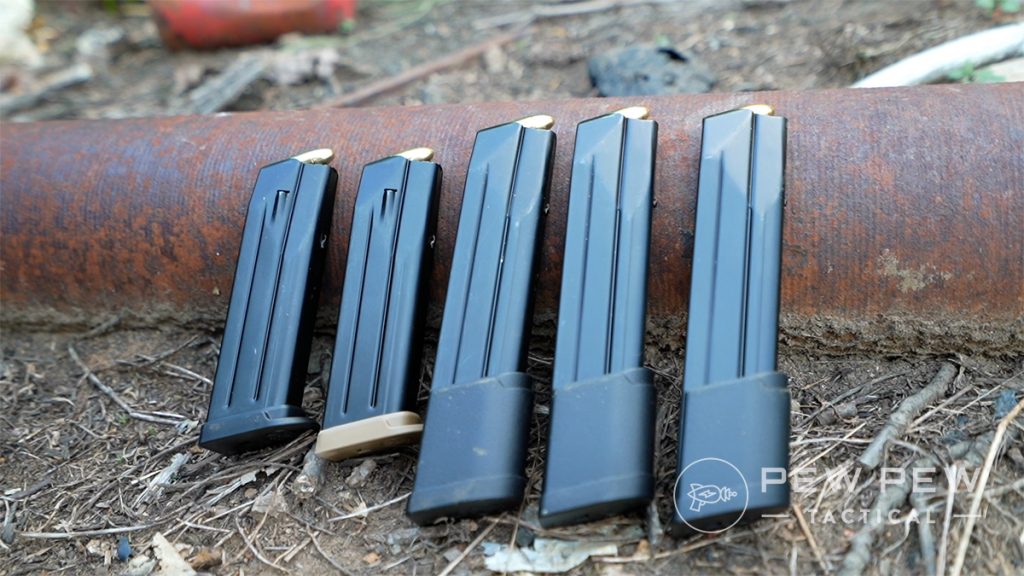
In the modern market, the highest capacity revolver I know of is a 10-round .22 LR revolver — that's not exactly bringing the house down.
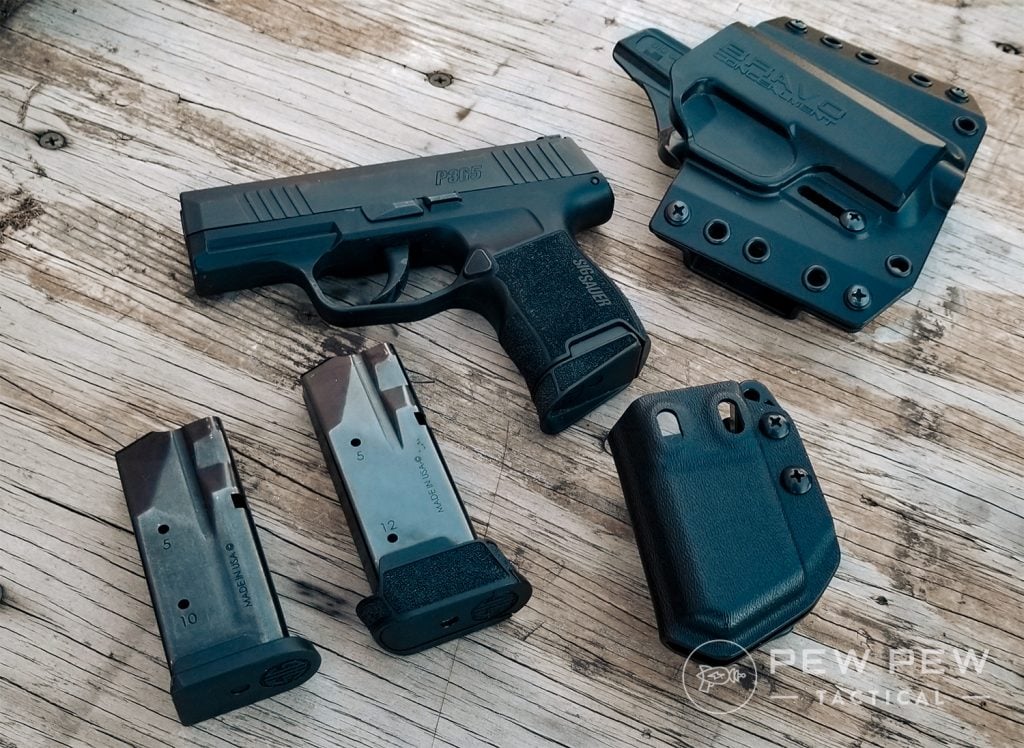
A modern automatic designed for defensive use can hold up to 21 rounds fairly handily, while a similar duty-sized revolver might be able to hold eight rounds. Even small concealed carry semis like the Sig P365 pack 10 rounds.
If we look at standard concealed carry-oriented revolvers, most will have a five or six rounds capacity.
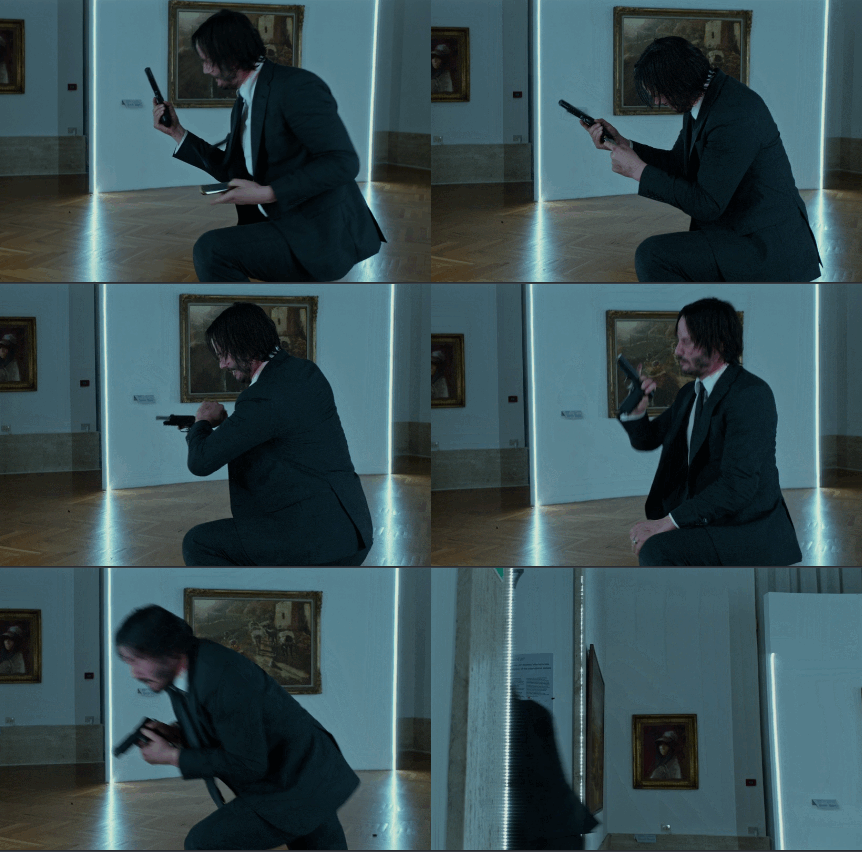
But more isn't always better or always needed. Defensive shootings typically don’t involve John Wick-style gunfights with multiple reloads and 20 rounds dispensed in seconds.
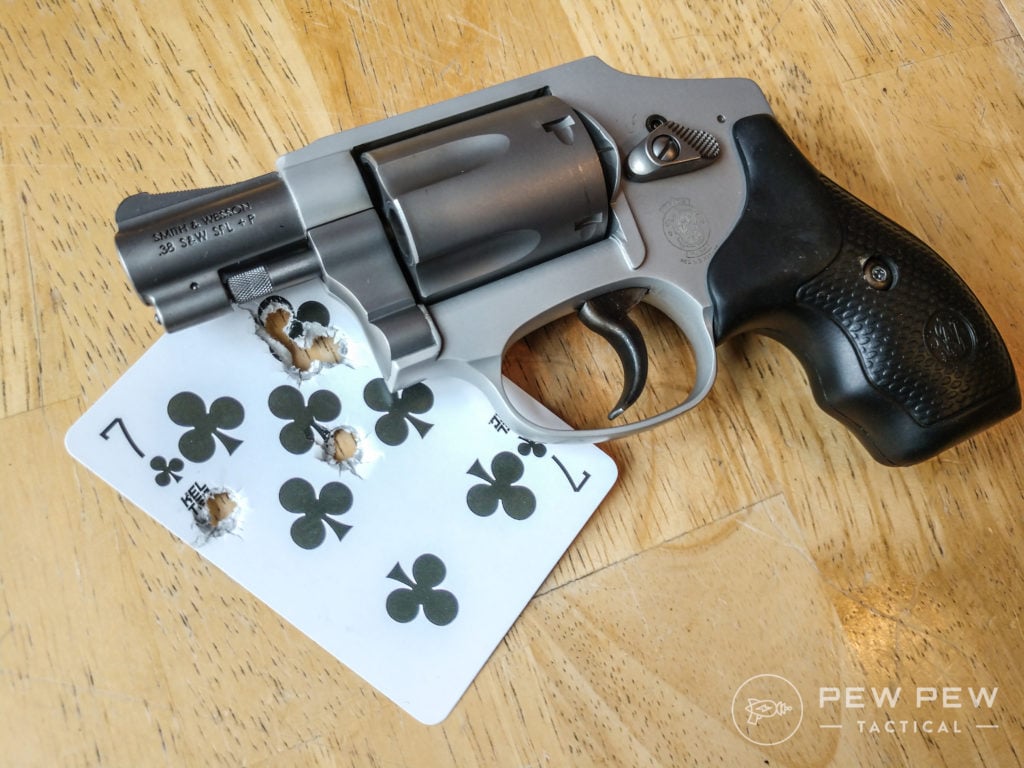
While I prefer to have more ammo than less, I'm also not the type to say a 5-shot J-Frame isn't a capable carry gun.
The Best Gun Deals, Coupons and Finds
Subscribe to Pew Pew Tactical's sales and deals email.
Accuracy
At the end of the day, accuracy will really be on the shooter more than the gun.
If you made a robot that could shoot firearms perfectly, you wouldn't see a difference between a modern revolver and a modern semi-auto.
These days, both guns are on par with raw accuracy.
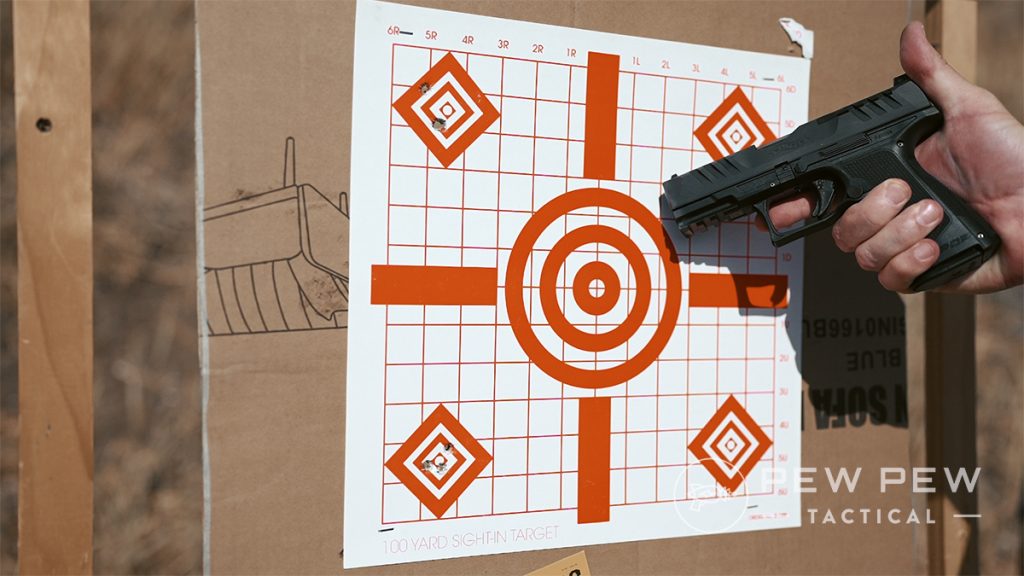
Much of the accuracy will come down to the sighting system (red dot, standard irons, target sights) and the trigger.
A good sighting system and a lighter trigger usually yield better results for most people when shooting for pure accuracy.

Grip comfort and bore axis can also play a big role in the accuracy of follow-up shots when shooting fast. A semi-auto with a shorter trigger and a lower bore axis will typically help mitigate muzzle flip and minimize accuracy loss associated with a longer trigger pull.
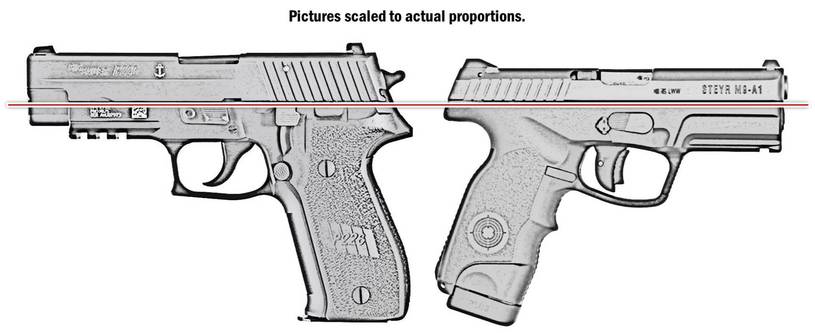
Like I said before, at the end of the day, accuracy and speed are really on the shooter and how much they train with their platform.
Power
I'm not talking about something silly like stopping power, but real power.
Revolvers have always been king here. They can chamber the biggest, most powerful handgun rounds possible. Heck, they even chamber some rifle rounds.
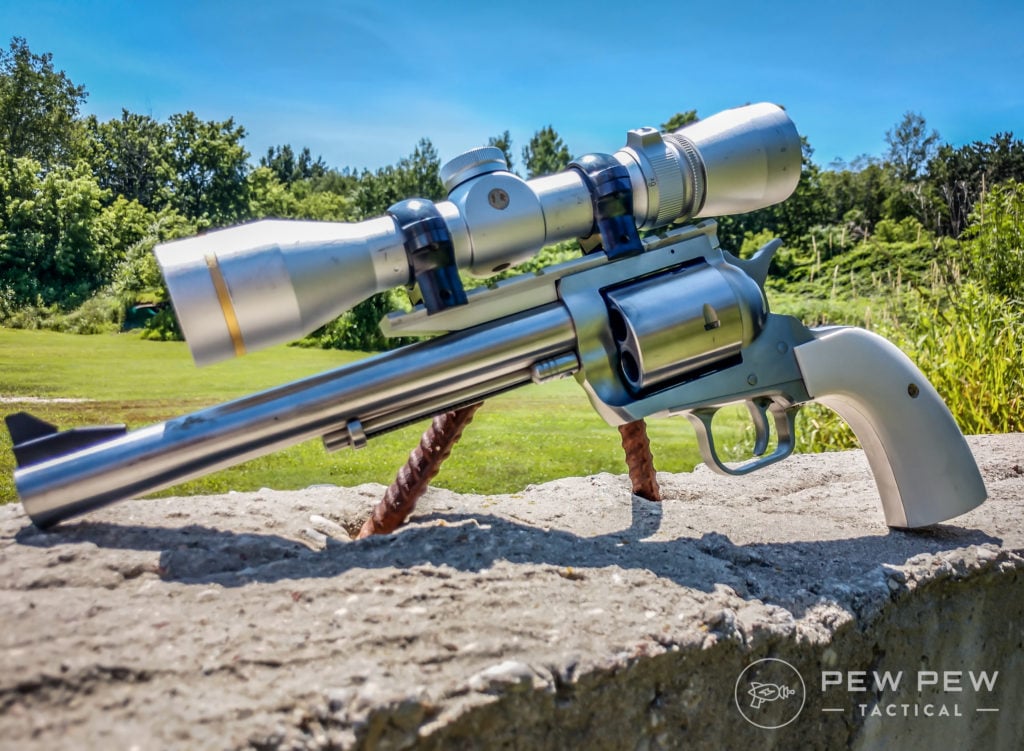
The latest S&W revolver chambers the .350 Legend cartridge, a cartridge originally made for AR-15s. Aside, there are powerhouse cartridges like the .500 S&W, .454 Casull, and .480 Ruger.
These powerful cartridges are designed to defend against or even hunt medium to large game, including bear, buffalo, and elk.
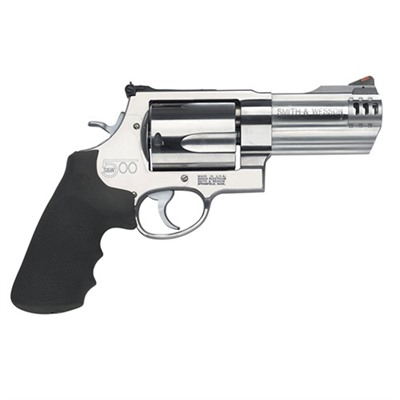
Conversely, most semi-auto handguns are pretty limited in their ability to chamber these powerful rounds. Although a few guns like the Desert Eagle, Coonan, and a few more can chamber powerful cartridges, they still can’t match some of the big revolver cartridges.
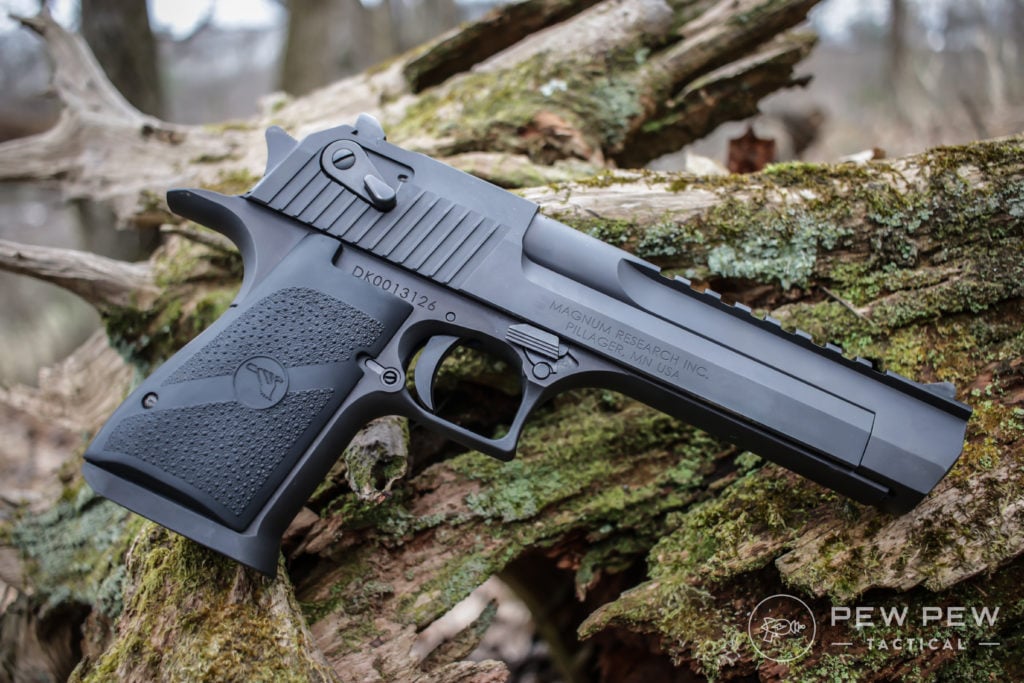
That isn’t to say that a duty-sized semi-automatic can’t pack a punch. True 10mm loads are extremely potent and offer higher capacities than a standard six or eight-shot revolver.
When we get to the smallest of guns, there is something to be said about the size-to-power ratio. A simple J-Frame can pack five rounds of .357 Magnum, which is a good bit of power for such a small gun — albeit a handful recoil-wise.
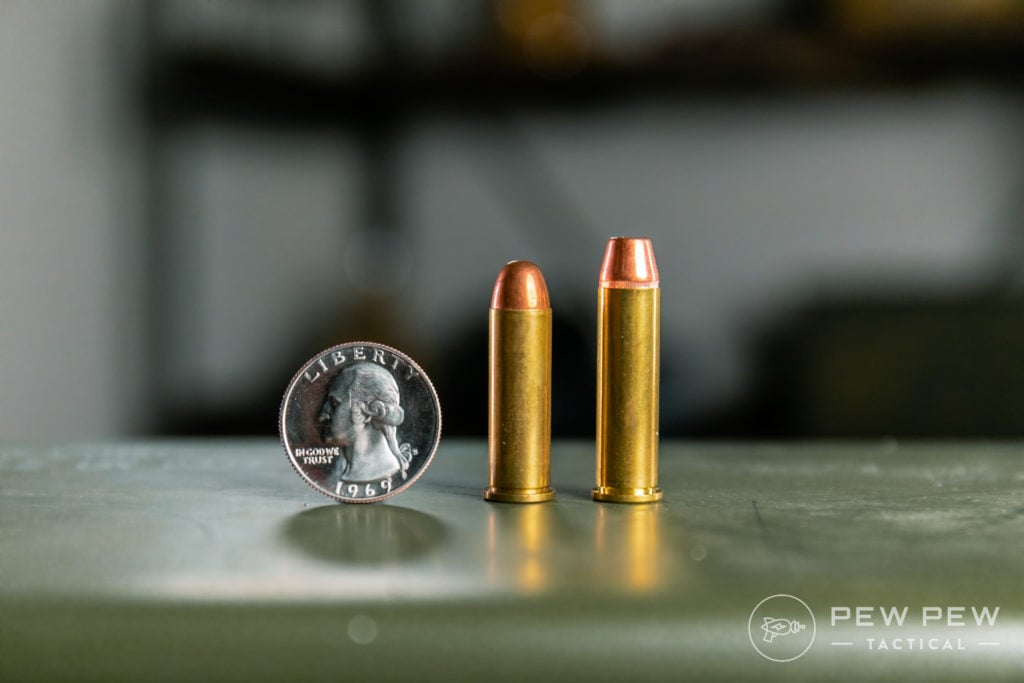
Ultimately, revolvers, by nature, can chamber more powerful cartridges. Whether you need this power or not is one thing, but it is something to consider.
Our Most Popular Posts
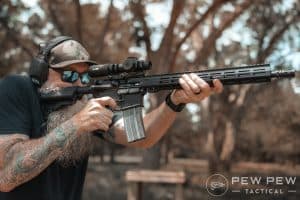
Concealment
Concealing a firearm can also be a hassle, but if you are looking for the smallest possible gun, revolvers win out once more.
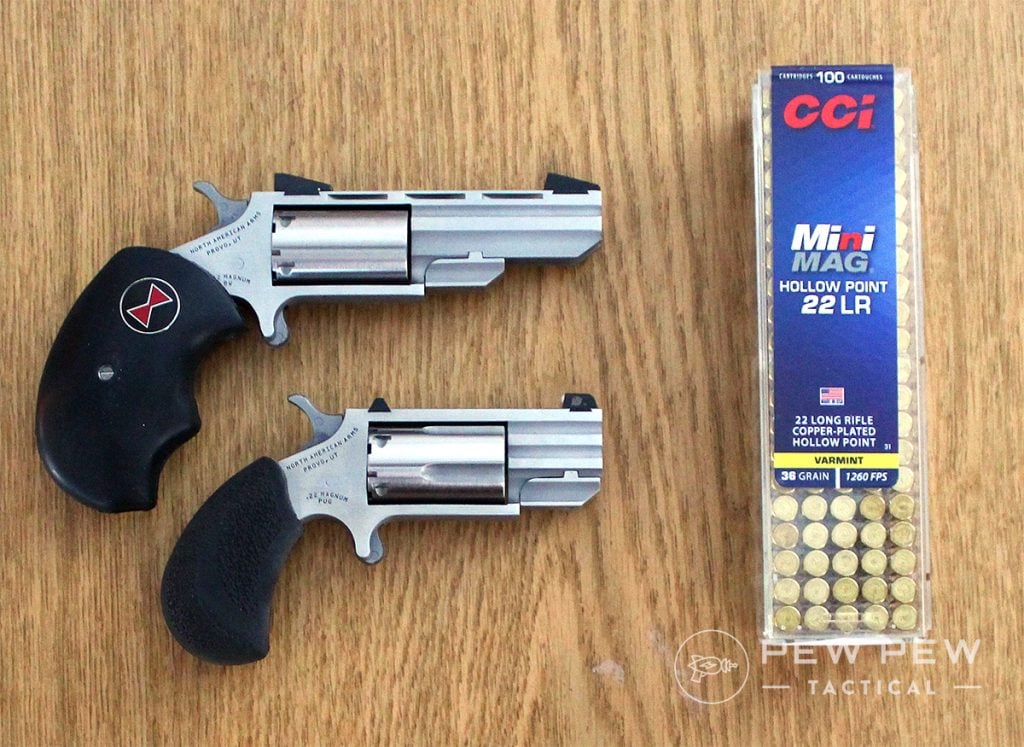
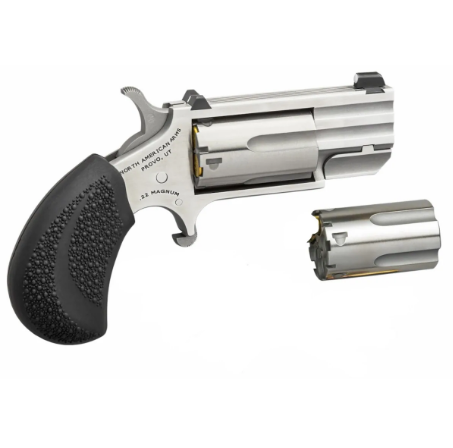
While their effectiveness might be questionable, you can't beat the size of the North American Arms mini-revolvers. These super tiny revolvers hold five rounds of .22 Short, .22 LR, or .22 Magnum.
While these might be the smallest option, not everyone wants a tiny gun.
In fact, these guns are often considered too small for defensive tasks. If we look at guns that are a little bigger, we get to the micro .380s, micro-compact 9mm pistols, and small J-frame-sized revolvers.
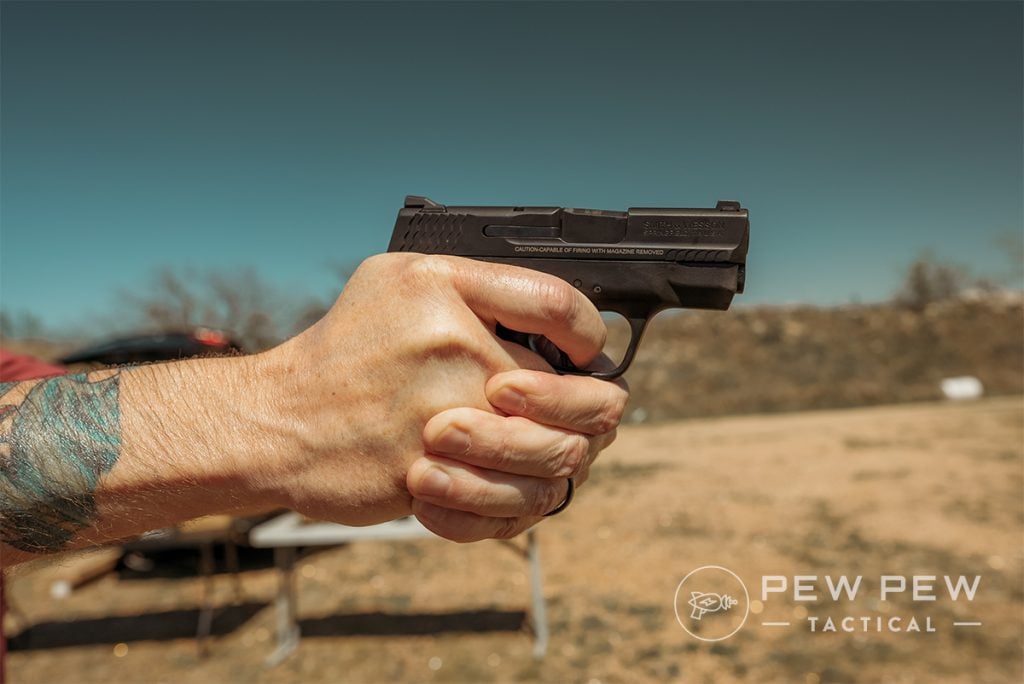
With semi-automatics, there are various sizes of guns available in numerous calibers, many of which are marketed specifically toward concealed carry.
For small revolvers, there aren't many size options. They are typically 1.87 to 2-inch barrels with ultra-small grips and five or six-round capacities. These guns are still relatively small and tend to be easy to conceal.
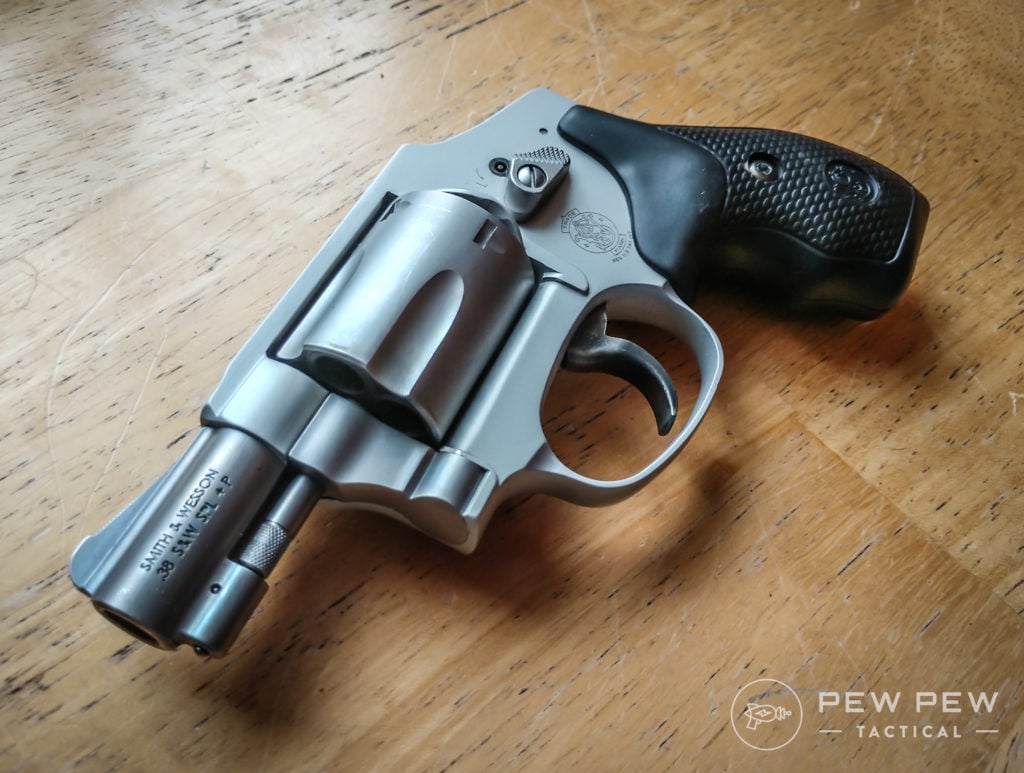
If we just judge these guns by the smallest examples in each class, then the NAA scores a big win for revolvers. But in reality, I think it's fair to say automatics and revolvers are both easy to conceal and carry.
Customization
This is a clear win for semi-autos.
You can purchase a Glock or a Sig P320, and guess what? You can make it your own very easily. Swapping barrels, triggers, and frames and adding lights, lasers, or optics can all be done with relatively little drama.
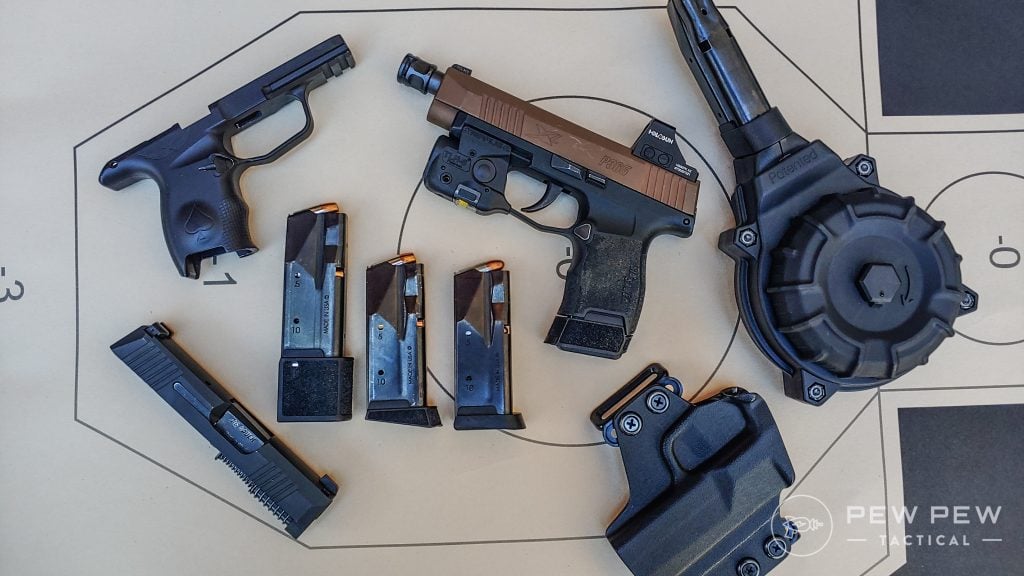
While this isn’t true for all automatic handguns, a good number of mainstream options can be heavily customized. Revolvers...not so much.
With revolvers, you can likely change the grips, maybe the sights. If you happen to have a revolver with rails, you might be able to strap on a red dot or light. Other than that, the more complicated design of the revolvers requires a gunsmith's touch to fancy it up.
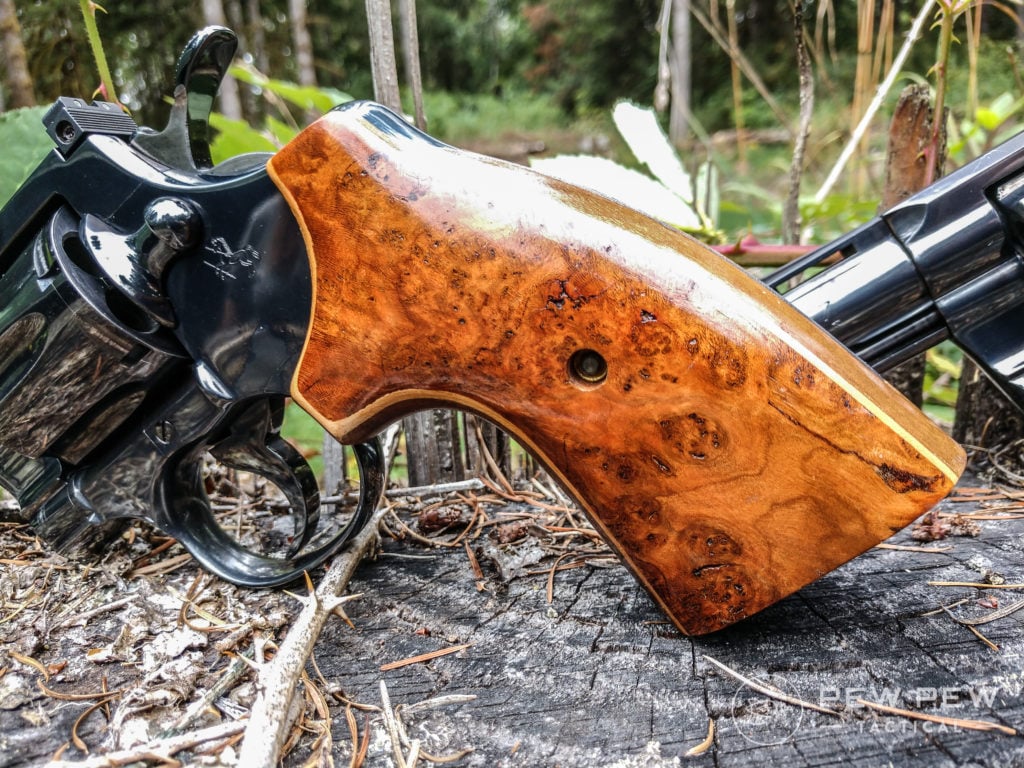
This means if you plan on purchasing a revolver, make sure you buy the one with all the features you want.
Final Thoughts
Like all choices, this one will likely be a personal decision.
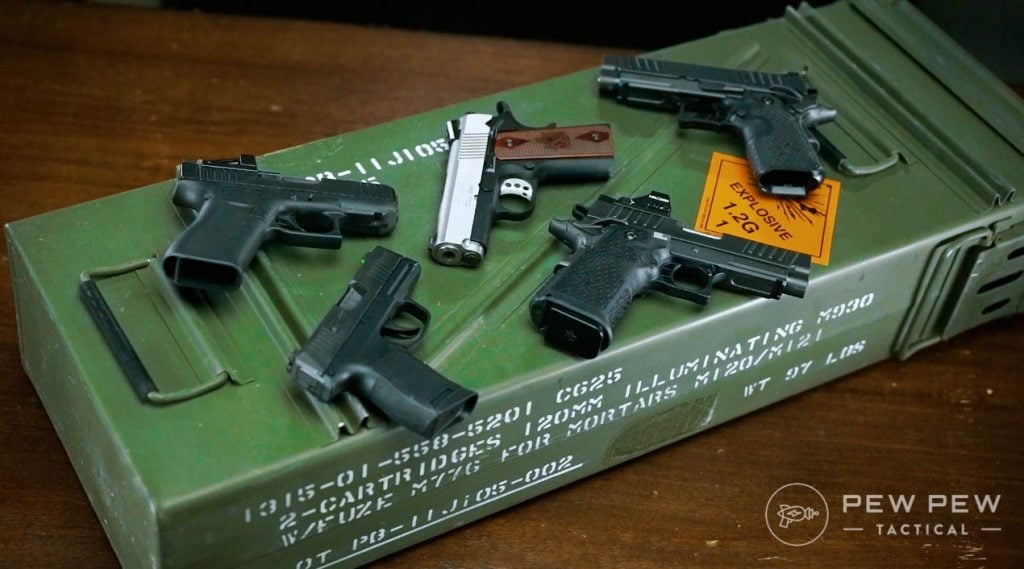
I enjoy both types of guns across all price points. Honestly, I probably shoot my Heritage revolvers more than most guns and often carry a Ruger LCR in 9mm when I need something reasonably powerful and pocketable.
What about you? Let us know in the comments below! Need some help choosing specific models? Check out our article on the Best Handguns for Beginners & Home Defense!