
UPDATE: Judge Declares Biden-Era Final Rule Unconstitutional
A U.S. District Court judge ruled the Biden-era Final Rule on so-called "ghost guns" is constitutional. Get all the details in our write-up!
We review products independently. When you buy through links on our site, we may earn a commission to help support our testing. Learn more.
- 80% Kits, Frames, & Receivers: 2021R-05F
- Are Privately Made Guns Illegal?
- What About 80% Lowers & Kits…Are Those Banned?
- What This Means for Gun Owners
- Biden’s Comprehensive Gun Plan
- Biden Calls on Congress to Ban Assault Weapons & High-Capacity Magazines
- The Gun Industry Responds
- Additional Resources
- Latest Updates
Editor’s Note: We are not lawyers, and the information below is not intended to be taken as legal advice. As always, do the research on your local and state laws and consult an attorney for
A Biden-era rule regulating 80% kits was struck down in court this week after a federal judge called the measure “unconstitutional.”
Chief U.S. District Judge Reed O’Connor ruled the ATF’s “Frame or Receiver” Rule violated both the Second Amendment and Due Process Clause.
The 2022 rule expanded the definition of firearms to include so-called “ghost guns” — meaning those that are self-assembled, like partial frames and receivers. Essentially, that brought 80% kits under the same regulations as other firearms requiring things like serialization and FFL transfers.
Notably, this isn’t the first time the ATF’s rule has been challenged in court. The Supreme Court upheld the rule in March 2025. In that 7-2 ruling, the court found that the ATF acted within its authority under the Administrative Procedure Act.
O’Connor’s ruling in Defense Distributed v. Blanche (formerly VanDerStok v. Bondi) doesn’t conflict with that decision, instead, attacking the rule on entirely different grounds. Rather than the agency’s rulemaking authority, O’Connor zeroed in on the Second Amendment and Due Process grounds. That distinction means that the rule could still fall despite originally being blessed by the Supreme Court.
In a 29-page opinion, O’Connor, a George W. Bush appointee, said that self-manufacture of firearms in the U.S. is a common practice and that the Final Rule infringes on home gunsmithing and, thereby, the Second Amendment.
“The Final Rule does not merely lack supporting analogues. It contradicts the actual historical tradition of personal gunsmithing. Self-manufacture of firearms in America was common and indeed foundational to establishing our Nation. Americans throughout our history have continued to build their own arms and that ‘right [has] remained unregulated throughout [much of] American history,’” O’Connor wrote.
The Second Amendment Foundation joined Defense Distributed in challenging the Final Rule, calling the original ATF rule a “mess.”
“It was obvious from the outset that the Biden ATF’s definition of a ‘firearm’ was intentionally vague and provided no clear guidance to the average law-abiding American as to what was actually legal,” SAF founder and Executive Vice President Alan M. Gottlieb said in a statement.
“As it stood previously, the updated definition, in essence, made a law-abiding citizen a criminal for nothing more than owning a piece of plastic that could be converted into a firearm. That isn’t how it works. Congress set the definition and the ATF can’t unilaterally trump up a revised version to suit their political agenda. The ruling also affirms that you are indeed allowed make firearms in your own home without fear of prosecution.”
SAF clarified that the permanent injunction protects current and future SAF members.
The federal government can fight the injunction by appealing the ruling to the Fifth Circuit Court of Appeals, though that court has been known as one of the most gun-friendly federal courts in the U.S.
To get into the nitty-gritty of the Final Rule, keep reading!
Table of Contents
- 80% Kits, Frames, & Receivers: 2021R-05F
- Are Privately Made Guns Illegal?
- What About 80% Lowers & Kits…Are Those Banned?
- What This Means for Gun Owners
- Biden’s Comprehensive Gun Plan
- Biden Calls on Congress to Ban Assault Weapons & High-Capacity Magazines
- The Gun Industry Responds
- Additional Resources
- Latest Updates
Trending: Best AR-15s, Best Pistol Red Dots, & Ammo in Stock
80% Kits, Frames, & Receivers: 2021R-05F
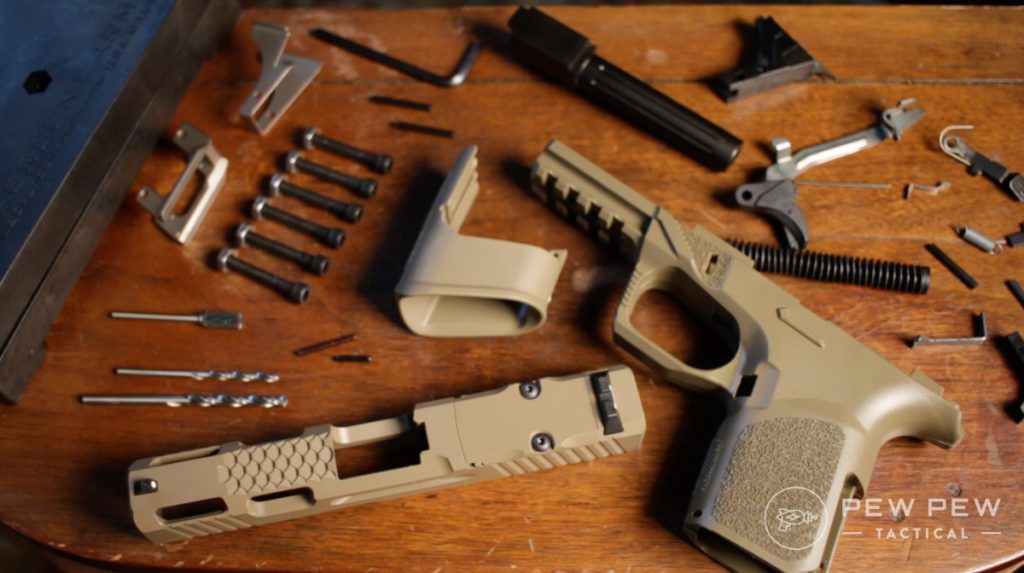
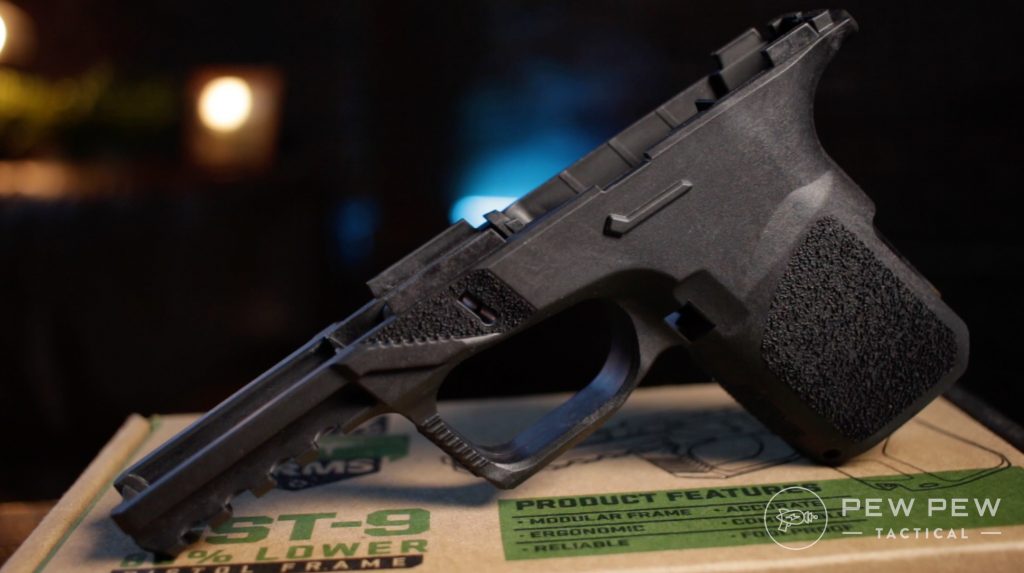
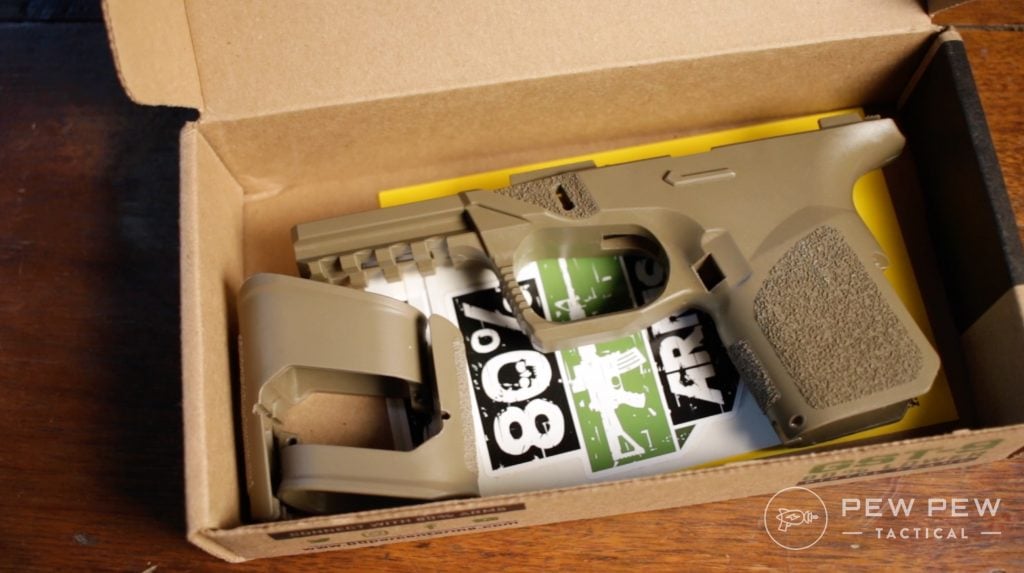
80% receivers and kits – commonly referred to as "ghost guns" by anti-gun politicians and gun groups – comprise a large part of the Final Rule released by the ATF.
It’s worth noting that though the rule was published by the Federal Registrar in April and enacted on August 24, 2022, the ATF made some changes just days before it was set to be implemented.
And that’s where a lot of confusion arose…
The Final Rule, 2021R-05F, initially defined a ghost gun as any unserialized privately made gun – to include 80% parts, kits, or 3D printed firearms.
The rule dictated that 80% receivers and kits are now reclassified as “firearms,” placing them under the Gun Control Act.
This classification required serialization of 80% frames and lowers by 80% manufacturers and also would force consumers to undergo background checks prior to purchasing these parts and kits from an FFL.
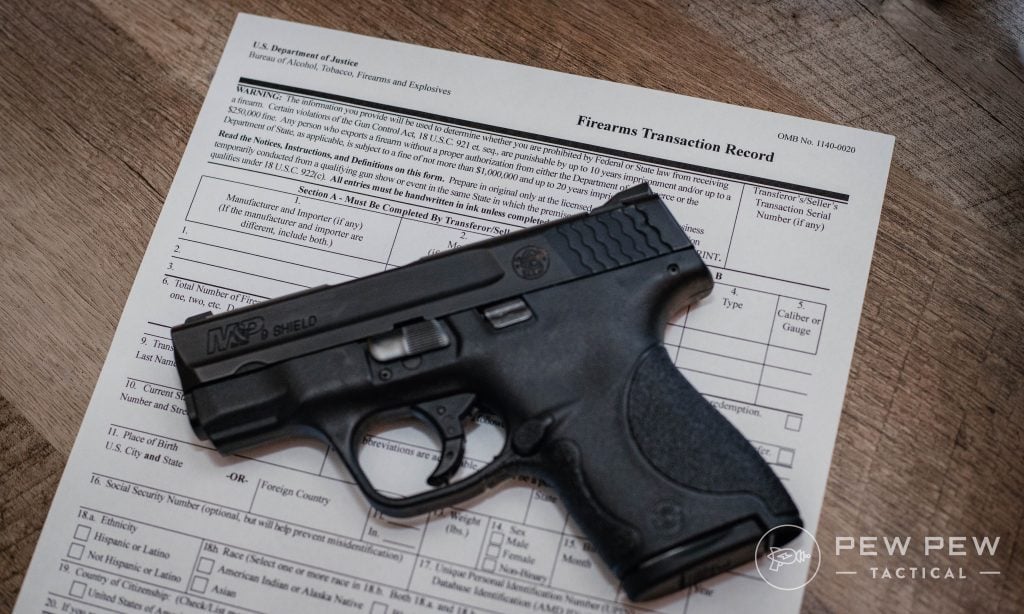
The Final Rule also stated that dealers or gunsmiths taking unserialized guns into inventory must serialize them before reselling them.
Pointing to a proliferation of gun violence at the hands of “ghost guns,” Deputy AG Monaco said it was the number one priority of the Justice Department to keep Americans safe and that tackling 80% kits and receivers is the first step.
“One such critical step is reigning in so-called ‘ghost guns.’ These are guns that have no serial numbers; they are nearly impossible for law enforcement to trace. Many are sold without a background check. They are accessible to almost anyone,” Monaco said.
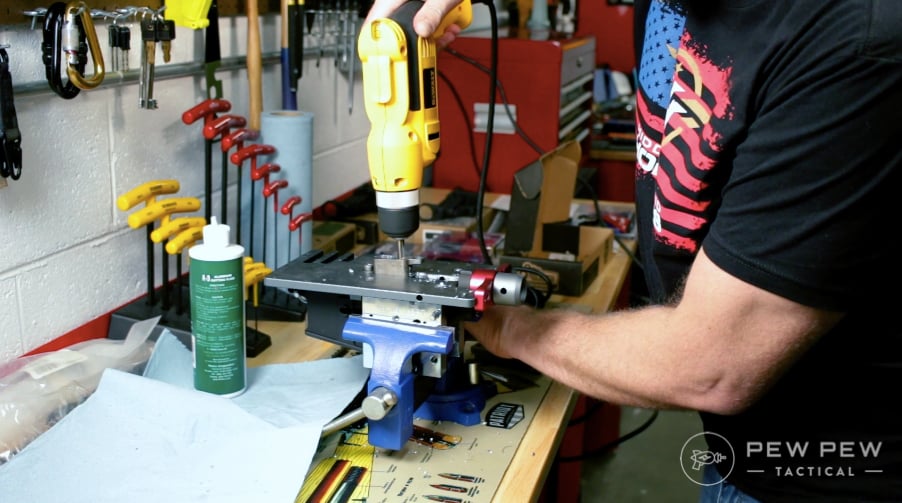
“For years, criminals have sought out these unmarked guns to murder and maim. That’s why today Attorney General Garland has signed a rule that updates our regulations to keep up with changes in technology. The goal: to keep untraceable guns off the streets – out of the hands of criminals and others prohibited by law from possessing a firearm.”
Biden pointed to ATF reports to bolster his argument against 80% kits. The data, he said, suggested that less than 1% of “ghost guns” have been traced by the ATF. Further, he said law enforcement reported “20,000 suspected ghost guns” to the ATF – a tenfold increase from 2016.
When addressing the 80% ruling, Biden gestured to an 80% kit sitting on a nearby table in the Rose Garden, likening the kits to couches and emphasizing his opinion that these kits were all too easy to assemble.
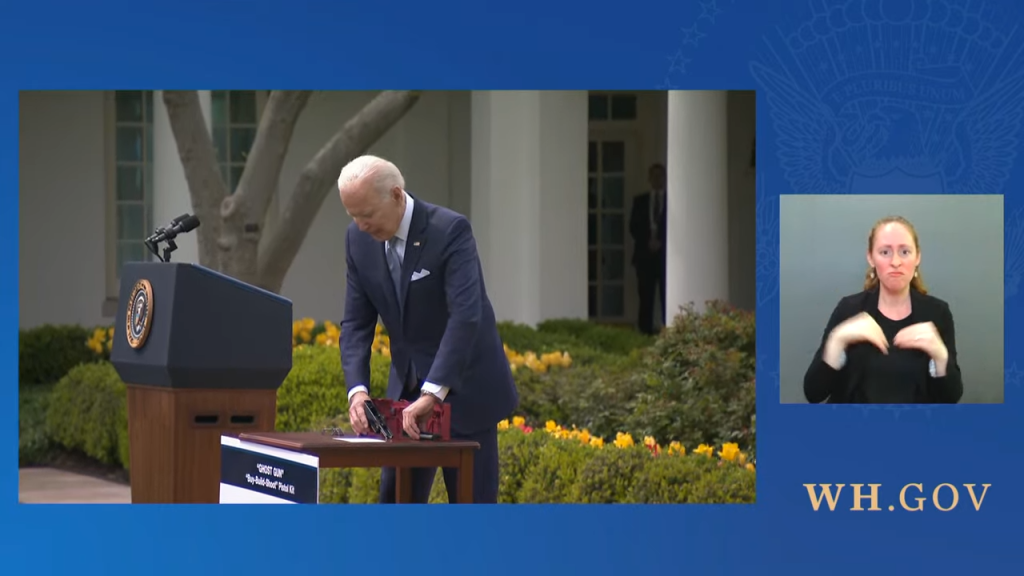
“You know, if you buy a couch you have to assemble, it’s still a couch. If you order a package, like this one over here, that includes the parts you need, the directions for assembling a functioning firearm, you bought a gun,” he explained.
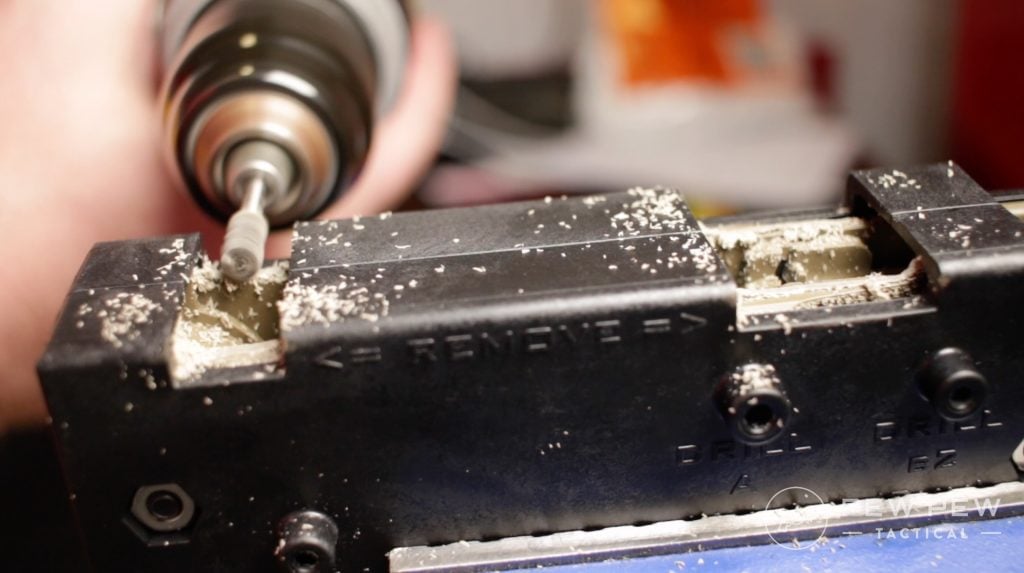
“It’s not hard to put together. A little drill — hand drill at home. It doesn’t take very long. Anyone can order it in the mail...And, folks, a felon, a terrorist, a domestic abuser can go from a gun kit to a gun in as little as 30 minutes.”

The Best Gun Deals, Coupons and Finds
Subscribe to Pew Pew Tactical's sales and deals email.
Are Privately Made Guns Illegal?
The Final Rule also states that dealers or gunsmiths taking unserialized guns into inventory must serialize them before reselling them.
Basically, FFLs would be required to serialize any personally made firearms in their inventory "not later than the seventh day following the date of receipt or other acquisition.”
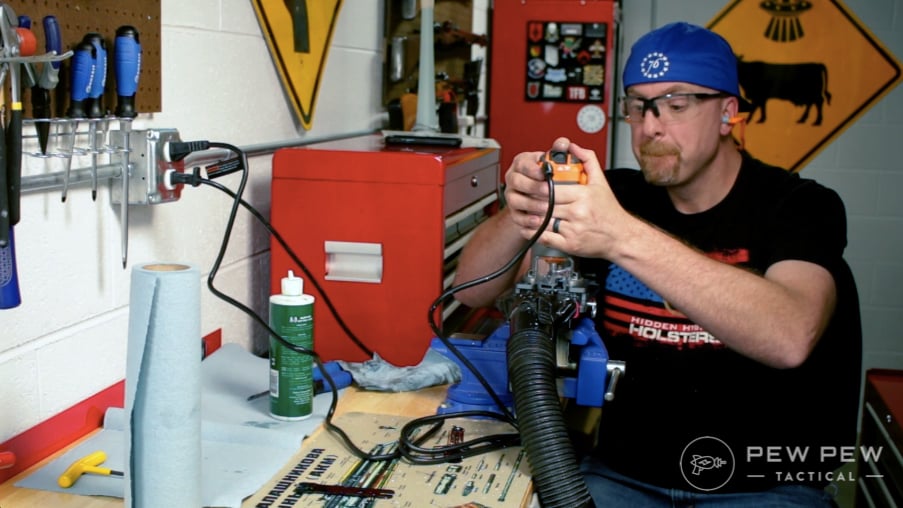
For individual gun owners who 3D printed or otherwise created their own personally made, private firearms…you do not have to serialize.
What About 80% Lowers & Kits…Are Those Banned?
This is where things get a little murky…
Before we dive in, remember that state and local laws sometimes differ, so ALWAYS consult your area’s laws before proceeding or, better yet, call up a local firearms attorney to help you out in understanding your local laws.
When defining what makes a part a frame or receiver and therefore places it under the GCA, the ATF says a frame or receiver is:
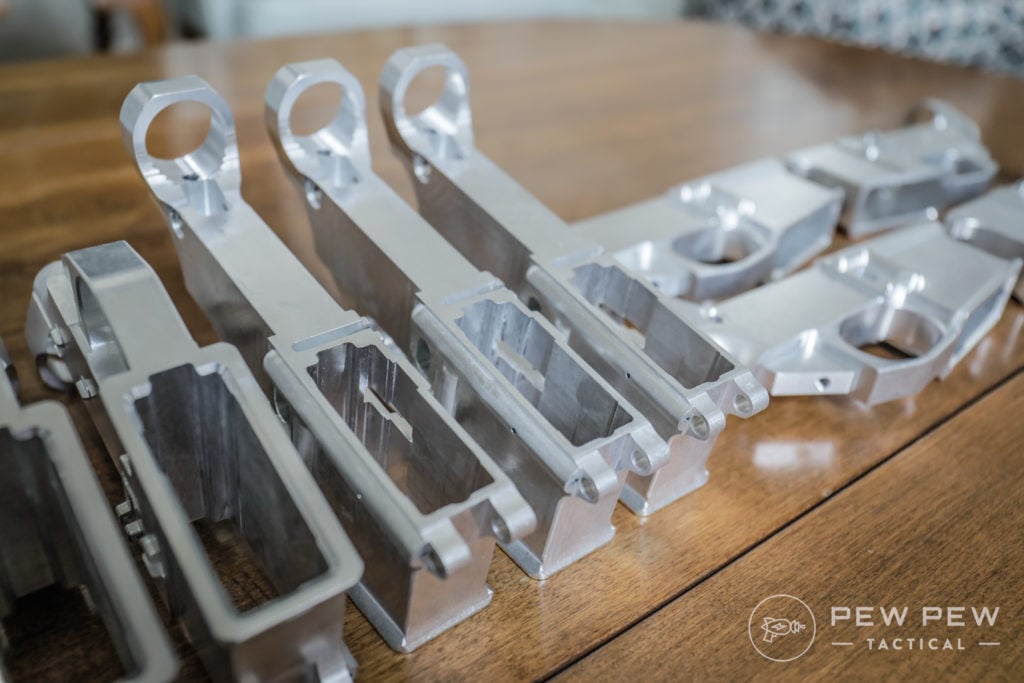
- A frame or receiver parts kit containing a partially complete or disassembled billet or blank of a frame or receiver that is sold, distributed, or possessed with a compatible jig or template is a frame or receiver, as a person with online instructions and common hand tools may readily complete or assemble the frame or receiver parts to function as a frame or receiver.
- A partially complete billet or blank of a frame or receiver with one or more template holes drilled or indexed in the correct location is a frame or receiver, as a person with common hand tools may readily complete the billet or blank to function as a frame or receiver.
- A complete frame or receiver of a weapon that has been disassembled, damaged, split, or cut into pieces, but not destroyed in accordance with paragraph (e), is a frame or receiver.
On the other hand, a part that is NOT a receiver would be:
- A billet or blank of an AR-15 variant receiver without critical interior areas having been indexed, machined, or formed that is not sold, distributed, or possessed with instructions, jigs, templates, equipment, or tools such that it may readily be completed is not a receiver.
- A flat blank of an AK variant receiver without laser cuts or indexing that is not sold, distributed, or possessed with instructions, jigs, templates, equipment, or tools is not a receiver, as a person cannot readily fold the flat to provide housing or a structure for the primary component designed to block or seal the breech prior to initiation of the firing sequence.
We get it; the language is confusing and somewhat vague.
So the TL;DR version is that as long as 80% parts are not accompanied by jigs or instructions, it doesn't cross the boundaries of the ATF's Final Rule...at least at this point in time.
To learn more, we suggest heading to 80% Arms FAQ page.
What This Means for Gun Owners
As of right now, as long as you live in a state that permits it, you can still buy an 80% part and get it delivered to your door…but, again, without the jig or instruction manual.
There are also several lawsuits in the works challenging the rule as illegal.

In fact, 80% Arms just joined a suit – VanDerStok v. Garland, led by the Firearms Policy Coalition.
“We are done with the illegal antics of the ATF. We are done watching them chip away at the rights of our customers and the law abiding citizens of America. We are done watching them work to destroy not only our family-owned business but the cultural values that make for our way of life,” 80% Arms said on its site.
Will the rule be completely overturned? Only time will tell…
As always, we’ll keep this article updated with the most relevant information as we get it.
Biden’s Comprehensive Gun Plan
In addition to targeting 80% kits, the Biden administration also introduced other measures targeting “gun violence.”
FFLs Must Retain Records
Under the new actions, federal firearms licensees would be required to retain records for the entirety of their business.
Previously, FFLs could dispose of records after 20 years.
Now, records must be kept until the FFL closes-up shop, at which point, records must be handed over to the ATF.
The Department of Justice says this change will better allow the ATF and law enforcement to trace firearms found at crime scenes.
Currently, DOJ reports more than 1,300 firearms a year are untraceable due to legally destroyed records.
Our Most Popular Posts


Fiscal 2023 Budget Adjustments
Biden also detailed executive actions that would bolster financial support for his gun violence prevention strategy.
Adjustments to the Fiscal 2023 budget would allow funding for increased law enforcement presence on the street, jobs and training for young people, criminal justice reform, mental health services, drug treatment, housing availability, and reentry support for those leaving the prison system.
“These are all demonstrated ways to reduce crime,” Biden before urging local governments to lean on the support of the Rescue Plan.
“And I’m strongly urging cities, states, counties, and Tribes to use the Rescue Plan funding we’ve sent them to do more in each of these areas. And they need to do more and do it quickly, before the summer, when crime typically surges around America.
Biden Calls on Congress to Ban Assault Weapons & High-Capacity Magazines
The President also wagged his finger at Congress, calling on representatives to “take responsibility” and adopt a hard stance on guns.
Biden said Congress should pass measures on universal background checks in addition to banning high-capacity magazines and “assault weapons.” Reiterating an oft-used point of his, Biden emphatically suggested AR-style rifles have no place in civilian hands.
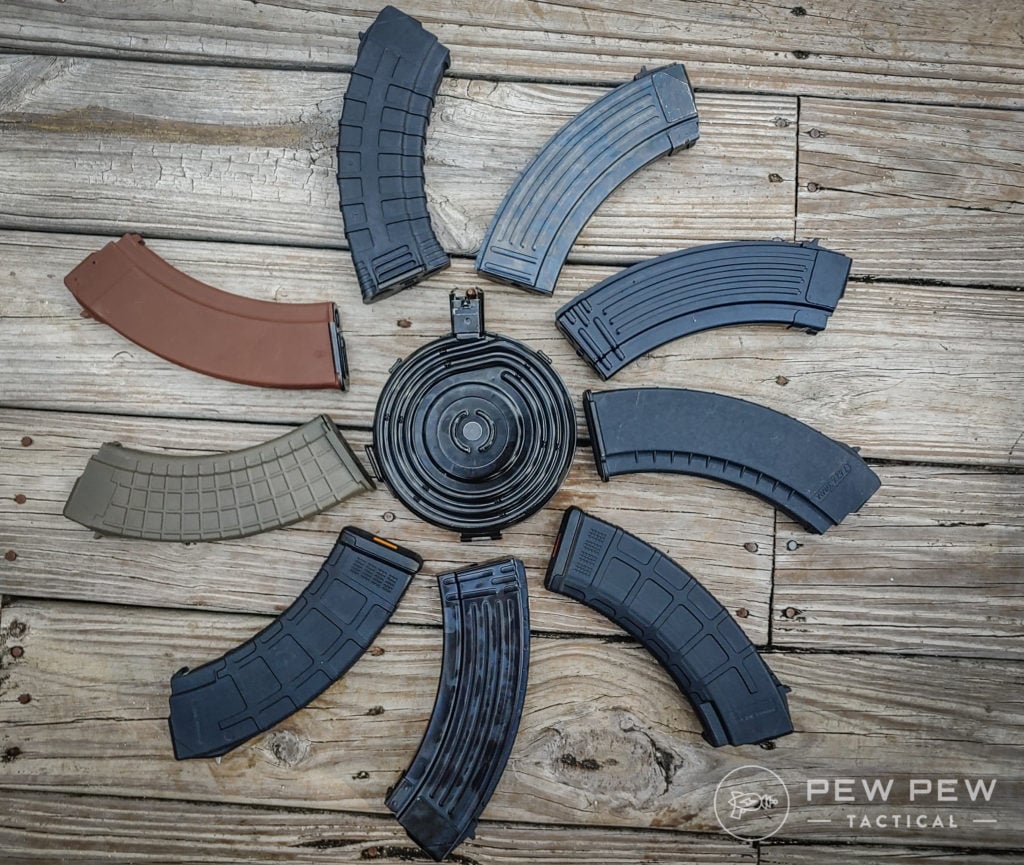
“What — do you think the deer you’re hunting wear Kevlar vests? What the hell you need 20 bullets for? You must be a hell of a terrible shot,” Biden said, detailing an altercation he had with a hunter in Delaware.
“No, I’m serious. Think about it. Think about the mass shootings. As many as a hundred rounds. It’s a weapon of war. It has nothing to do with recreation.”
Aside from outright bans, Biden also asked Congress to take on the Protection of Lawful Commerce in Arms Act. Under this legislation, gun manufacturers are shielded from lawsuits stemming from criminal or unlawful misuse of their products.
PLCAA does not cover defective products, however.
Biden, alongside other anti-gun politicians and activists, has long begged Congress to remove protections from gun makers calling PLCAA unconstitutional.
That said, the law has routinely ruled in favor of PLCAA every time it’s been challenged.
Read up on the Protection of Lawful Commerce in Arms Act here!
The Gun Industry Responds
The rest of the gun industry was also swift to respond, expressing extreme disapproval of the Biden Administration’s decision.
The National Shooting Sports Foundation, the industry’s largest professional organization, told Pew Pew Tactical in a statement that it will be watching the final rule closely.
“As proposed, this rule radically alters the manufacturing and compliance processes for manufacturers of traditional firearms, not just the making of incomplete, unfinished parts Congress has not chosen to regulate,” the NSSF said. “NSSF will review the Final Rule carefully to see if DOJ listened and took into consideration the industry’s comments that were submitted.”
Meanwhile, the National Rifle Association said these measures demonstrate a lack of sincerity.
"An administration that’s truly sincere and resolute about curbing violent crime rates would do one thing: take violent criminals off the streets immediately," Andrew Arulanandam, NRA managing director of public affairs, told Fox News Digital.
"Yet, the Biden administration allows these criminals who kill and maim with callous and reckless abandon, again and again, to roam the streets of Baltimore, Philadelphia, Chicago, New York, San Francisco and other cities large and small across our country without fear of prosecution and punishment."
To read more on 80% Kits, check out some of our articles here:
- Best 80% Lower Receivers & Jigs
- History of Homemade Guns: From Zip Guns to 80% Kits
- What are 80% Lower Receivers?
Additional Resources
- Chief U.S. District Judge Reed O’Connor
- Judge Reed O’Connor Opinion, August 2026
- ATF Final Rule 2021R-05F
- Supreme Court Ruling Bondi v. Vanderstock
- Second Amendment Foundation Statement
Latest Updates
August 2026: Updated to include Judge Reed O'Connor's injunction.