
.380 ACP vs .32 ACP: Which Is Better for Pocket Carry?
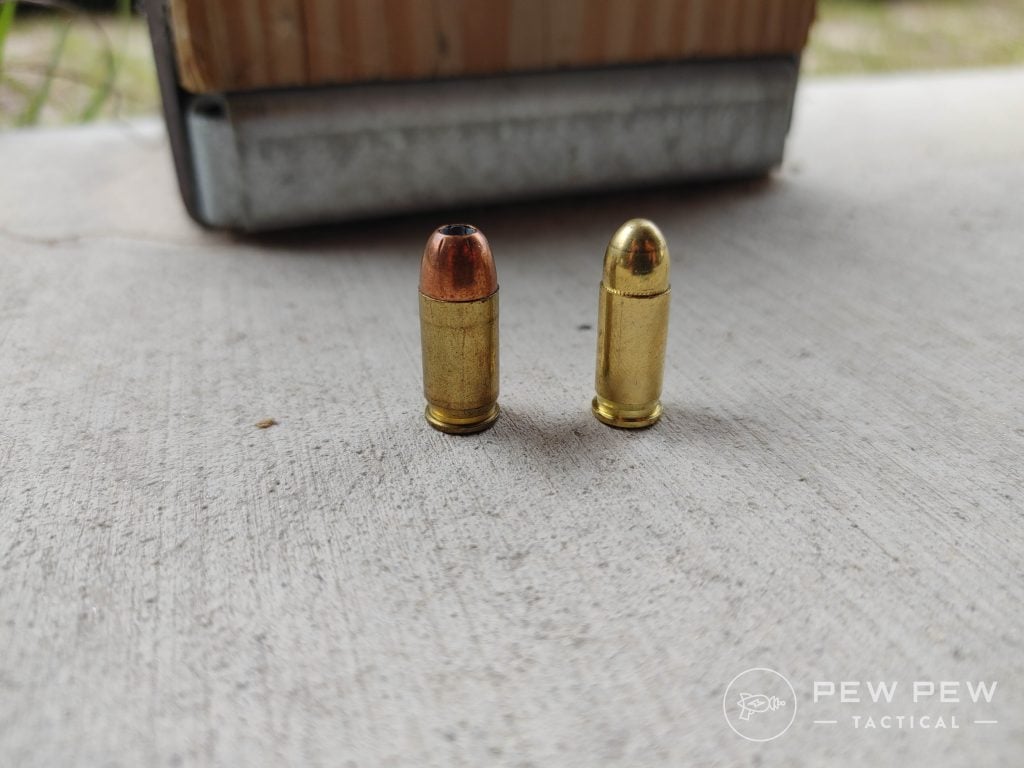
It's time for a caliber showdown between .32 ACP and .380 ACP to determine which one is better when it comes to pocket pistols.
We review products independently. When you buy through links on our site, we may earn a commission to help support our testing. Learn more.
I often hear the phrase, ".380 ACP is the minimum caliber for concealed carry."
I'm willing to be wrong, but I don't think that's necessarily true.
There is something known as .45 ACPitis. This affliction makes people think bigger is always better, and the .380 ACP is a pretty big cartridge for a pistol that fits in your pocket.
With that being said, what about the little .32 ACP?
These days, it's often seen as a mouse gun caliber. It has been described as weak, anemic, and basically a frog fart in terms of self-defense. Is that true?

Today, we will compare pocket pistols chambered in .32 ACP and the .380 ACP to see which is truly worthy of the crown.
Table of Contents
Trending: Best AR-15s, Best Pistol Red Dots, & Ammo in Stock
Why You Should Trust Us
Before becoming an NRA-certified instructor and concealed carry trainer out of Florida, I was a Marine infantryman. So, I know my way around guns.
Over the years, I’ve tested various concealed-carry handguns, holsters, and accessories for a myriad of publications, including Pew Pew Tactical.
History of the Cartridges
Both of these cartridges were created by John Moses Browning.
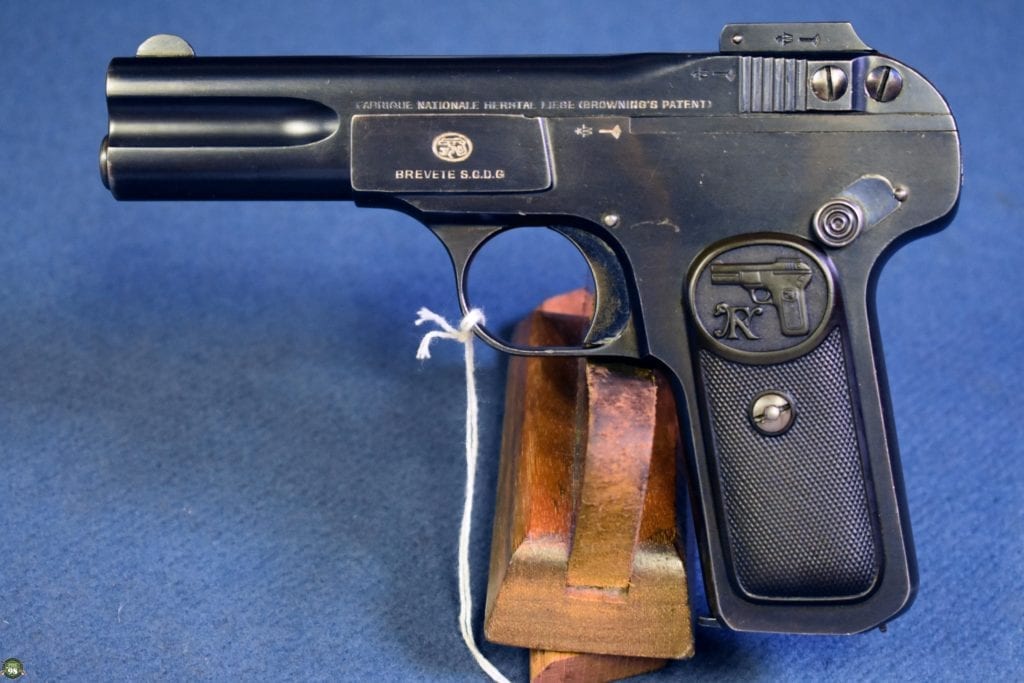
He made the .32 ACP in 1899 for FN. At this point, it was known as the 7.65 Browning, and when it came to American shores, it became known as the .32 ACP.
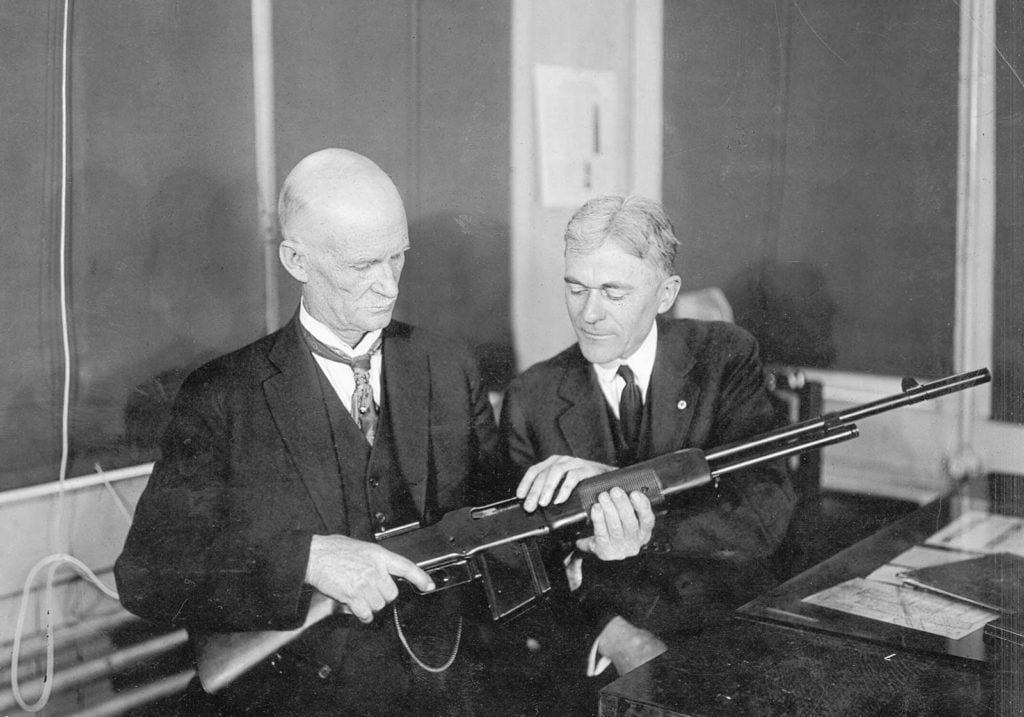
The round was initially used in the FN M1899, the first gun to feature a slide.
Soon thereafter, the .32 ACP enjoyed widespread popularity — dominating the pocket gun market of the era. It even went into duty guns designed for soldiers and police pistols.
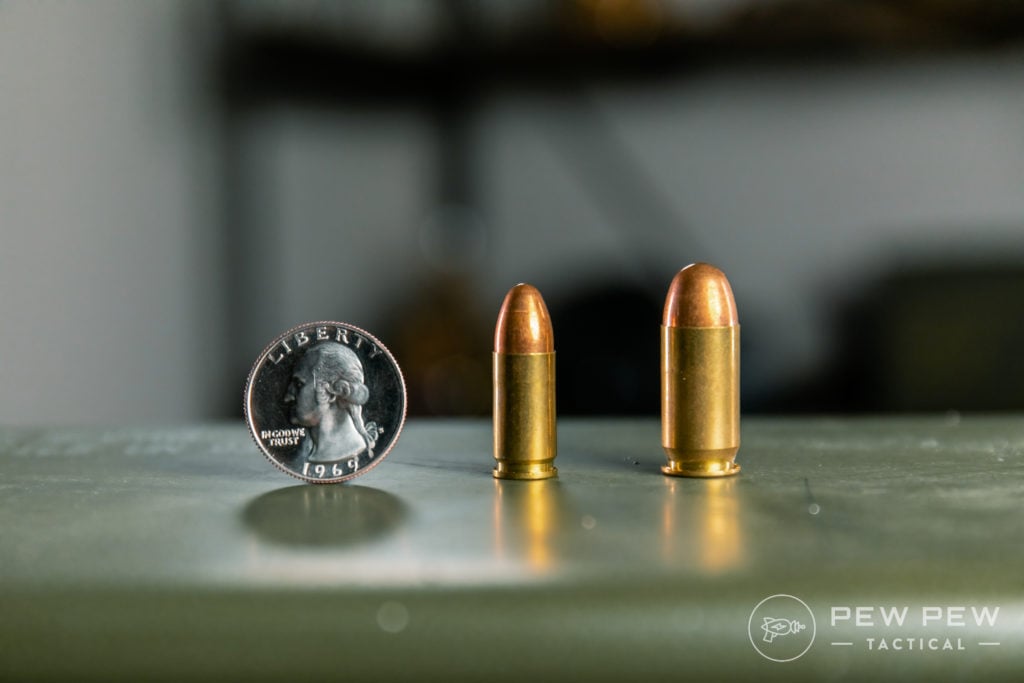
In 1908, the .380 ACP was designed to be as large and powerful as a cartridge could be while still using direct blowback operation.
The .380 ACP became quite popular in small, blowback-operated pistols. In both the United States and Europe, the cartridge gained steam. By this point, both rounds certainly had their successes.
Both also faded away as cartridges like .45 ACP and 9mm began dominating the market, becoming nearly forgotten in the modern era.
But as it usually goes, something happened.
Shall-Issue and Concealed Carry
The emergence of shall-issue of concealed carry permits changed the gun industry. Legal carry became permissible in most states, and the gun industry seemingly changed overnight.
With concealed carry becoming a massive trend, gun makers started focusing on smaller guns.
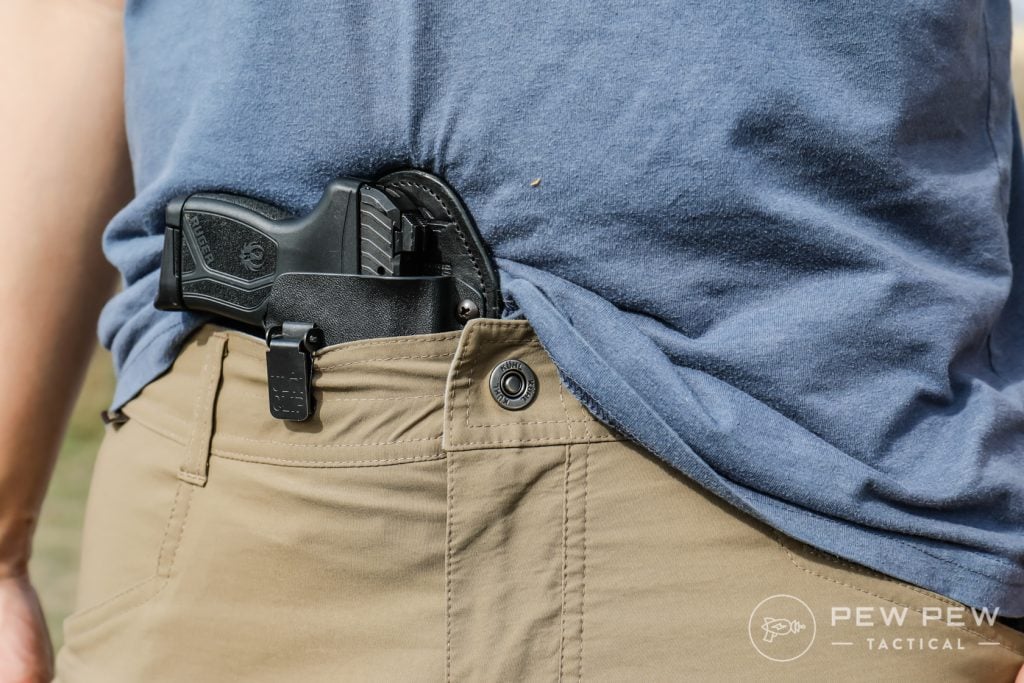
Years before concealed carry became popular, KelTec started the modern pocket pistol genre by building on guns like the Baby Browning. Their .32 ACP chambered P32 was the first modern-era pocket pistol.
KelTec followed the P32 up with a .380 ACP variant called P3AT.
With the number of carry permits growing and a nudge from KelTec, the industry responded. Ruger delivered the LCP, Smith & Wesson delivered the Bodyguard, and Taurus gave us the TCP.
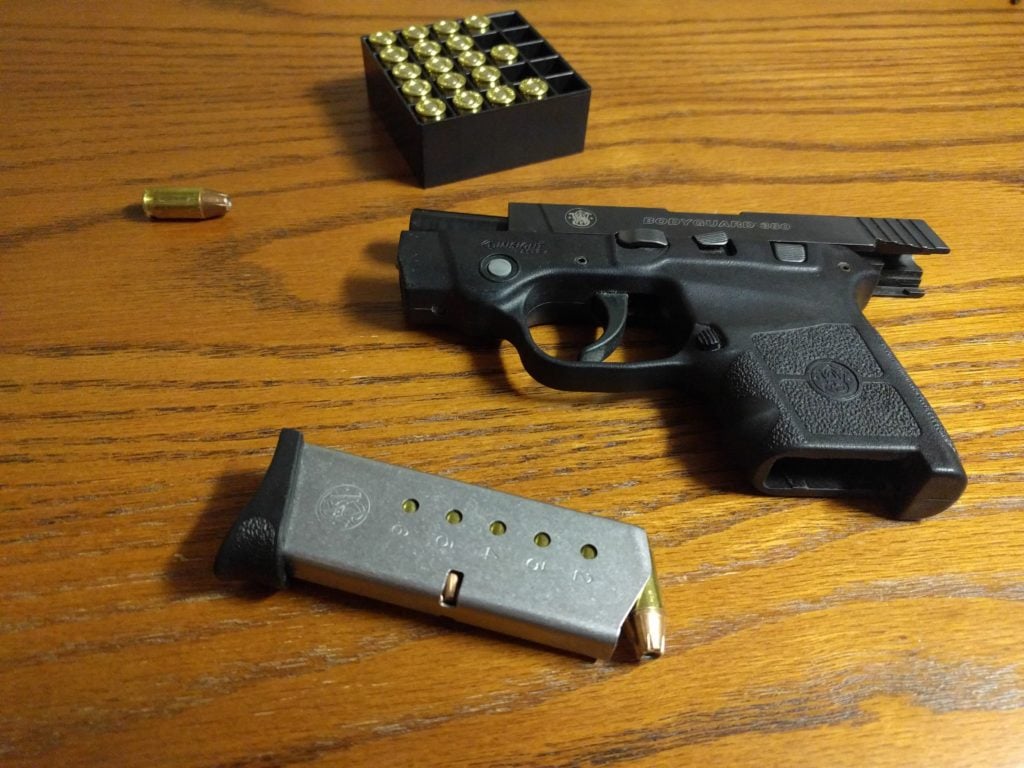
All of these guns were chambered in .380 ACP. This pocket pistol party revived the .380 ACP as a cartridge, making it a popular option for concealed carry.
Many CCWers around 2008 to 2013 owned some form of a pocket pistol in .380 ACP.
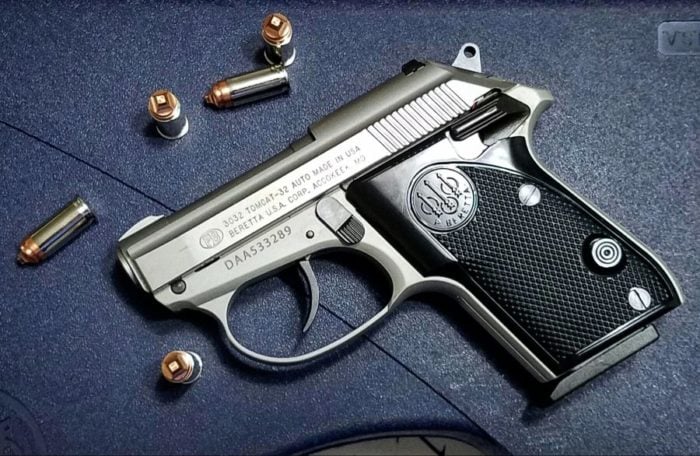
While .380 ACP returned to the limelight, .32 ACP remained largely forgotten. Beretta, KelTec, and Seecamp produced .32 ACP pistols, but they never achieved popularity.
.380 ACP vs. .32 ACP: Which Is Better?
To find and deliver a fair contest between these two calibers, I had to find a .32 ACP and .380 ACP that were fairly similar.
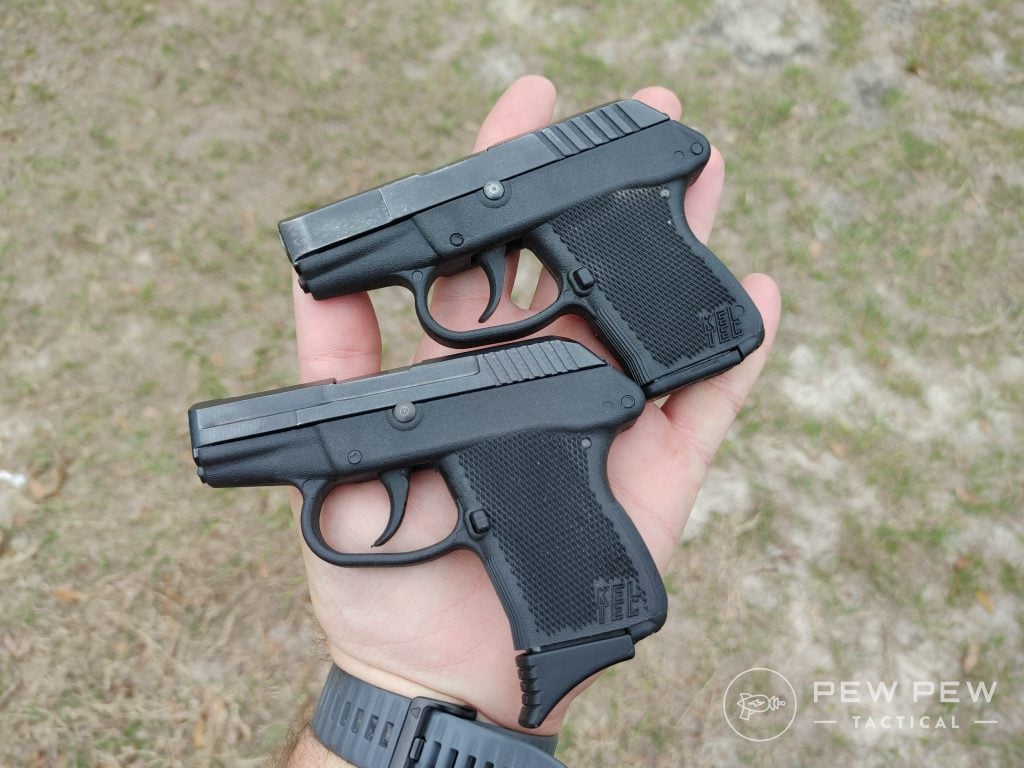
This leads me to the KelTec P32 and P3AT. After securing two guns and some ammunition, I went to the range, did a hefty amount of research, and subscribed to the subreddit r/OneTrueCaliber.
The Best Gun Deals, Coupons and Finds
Subscribe to Pew Pew Tactical's sales and deals email.
Pros and Cons
Penetration
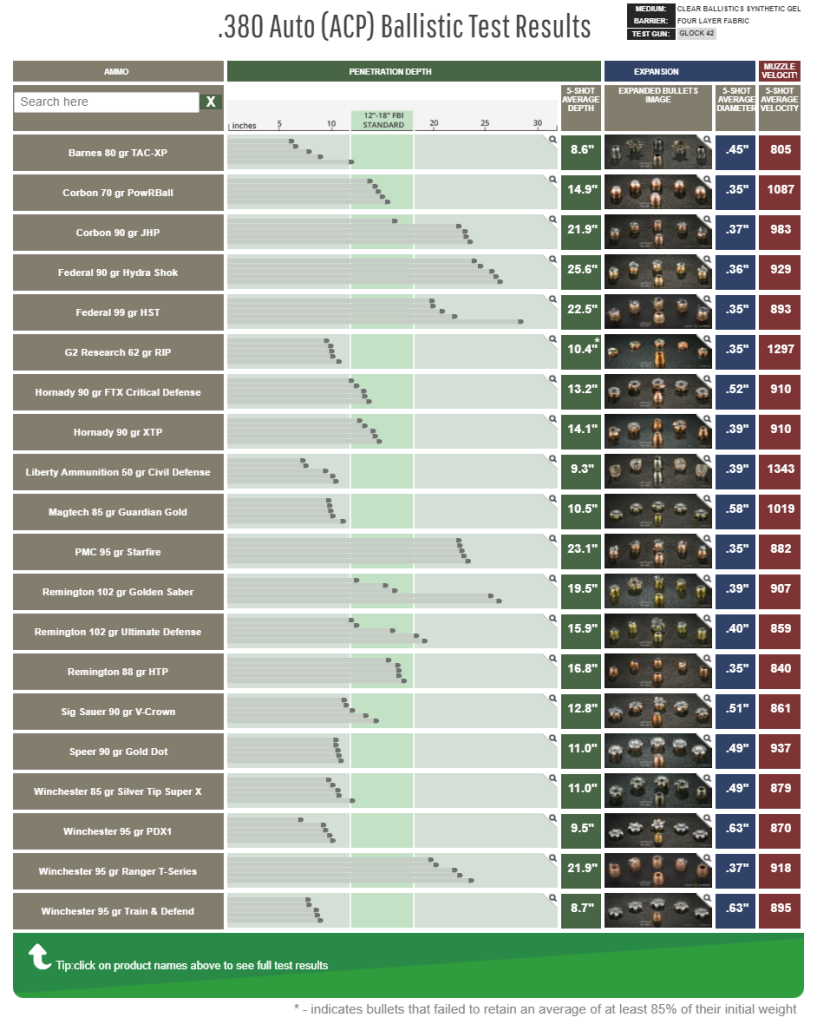
An effective self-defense cartridge should be capable of penetrating 12 inches of properly calibrated ballistic gel.
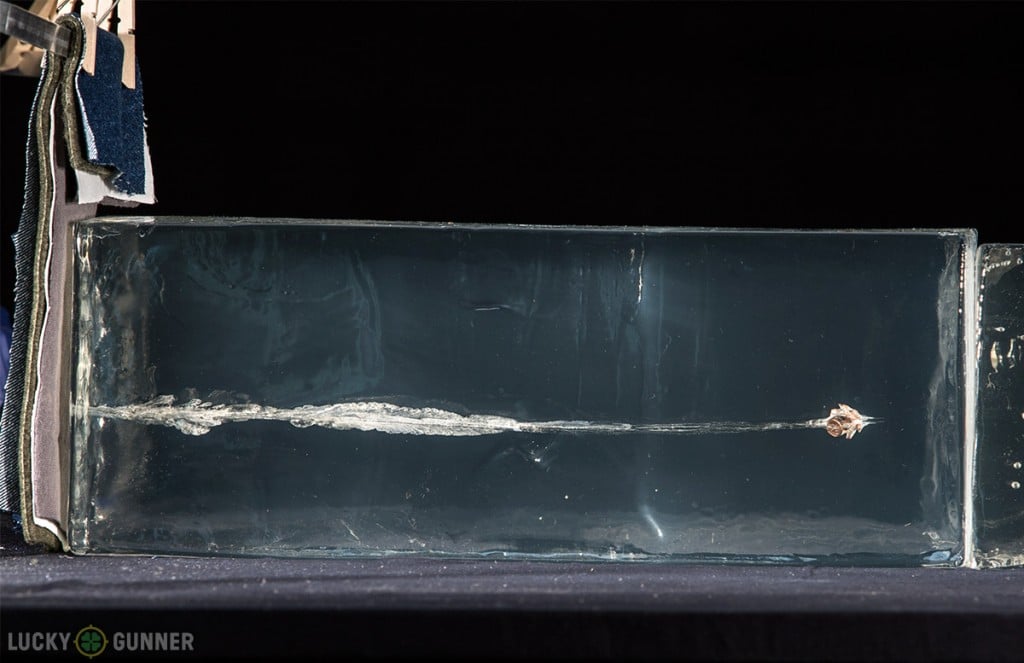
This test was designed by the FBI and ballisticians to find a repeatable metric for observing penetration and judging the usefulness of not only specific calibers but also specific loads.
When it comes to the .380 ACP and the .32 ACP, both cartridges are capable of penetrating 12 inches of ballistic gel. Lucky Gunner did extensive testing with a wide variety of loads and showed that the proper load, either cartridge penetrates with ease.
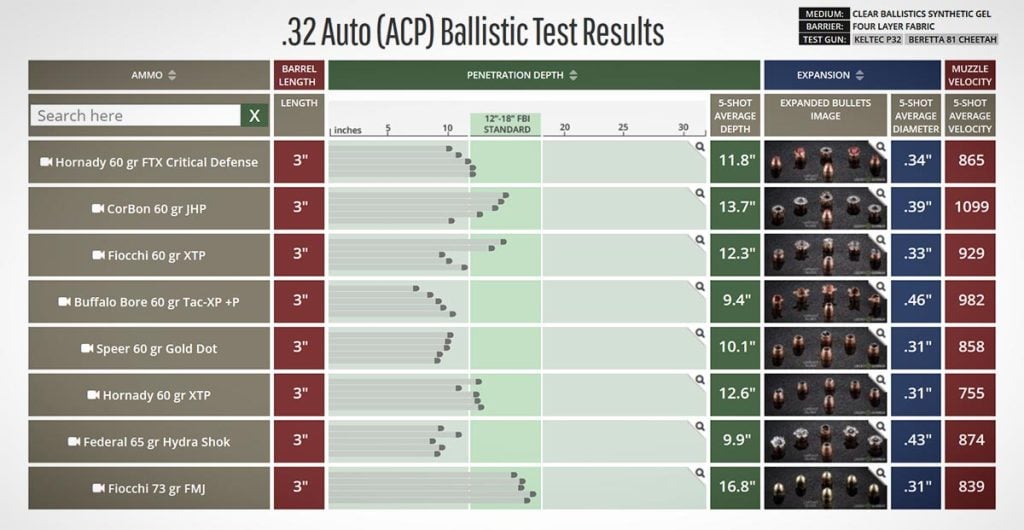
This is still true even when fired from the short-barreled P32 and P3AT. However, the .380 does penetrate deeper and is less ammo-picky when it comes to achieving depth.
Energy
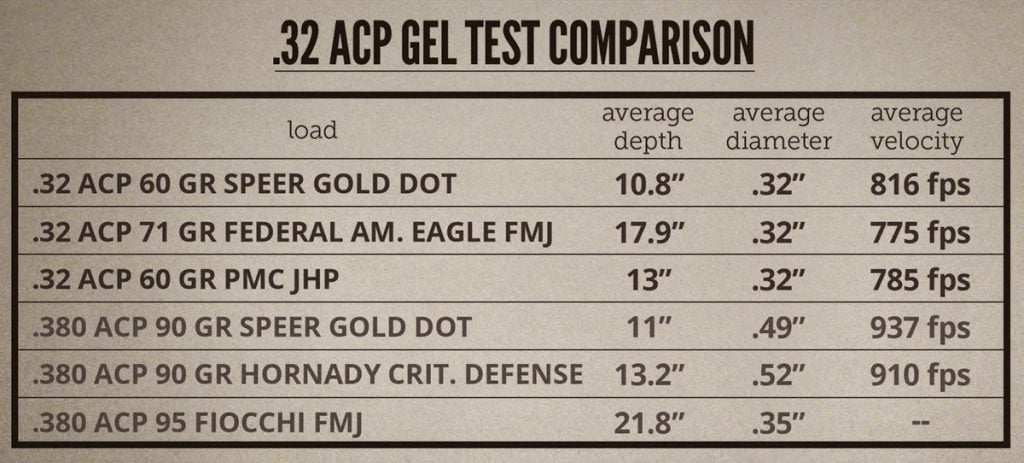
When you look at the two cartridges, both can reach similar velocities. The difference is that .380 ACP can throw a heavier round at similar velocities.
A 90-grain .380 ACP moves as fast as a 60-grain .32 ACP. The big question is, does it matter?
Heavier projectiles at higher speeds equal more energy. However, both rounds are relatively weak in terms of energy. Sure, .380 ACP delivers more, but it's not enough to matter in the grand scheme of things.
Neither round is powerful enough to produce hydrostatic shock. Permanent or temporary wound cavities aren't in play here.
In my research, I found a phrase that makes a lot of sense when we compare the two. "A dime is twice as much money as a nickel, but it still can't buy you anything."
Expansion
With handguns, there is an expansion factor to consider. Penetration is more critical than expansion, but having your bullet grow and create more damage as it hits a threat can be quite valuable.
With pocket pistols and their calibers, expansion can be challenging.
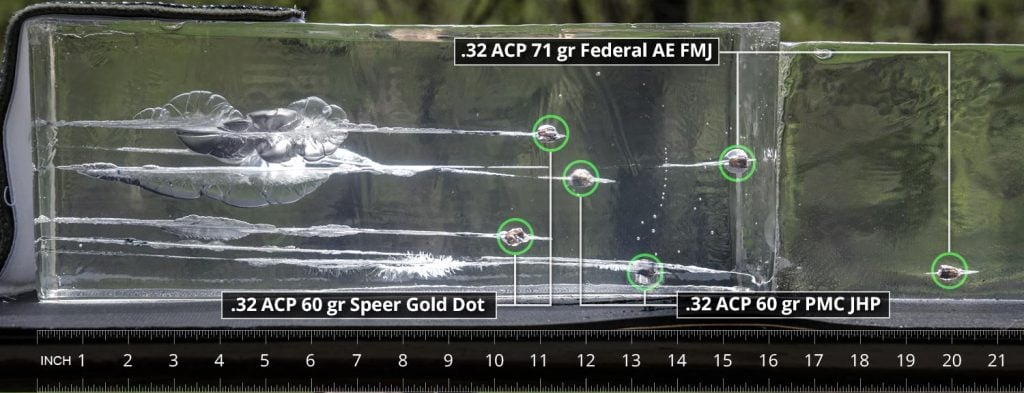
If you are shooting a .32 ACP, it's one of the few times full metal jacket ammo makes more sense for concealed carry than jacketed hollow points.
When a projectile expands, it becomes almost parachute-like and slows rapidly. This inhibits proper penetration. In my research, the 73-grain FMJs work best for the .32 ACP.
When we get to the .380 ACP round, that extra velocity and weight do come into play regarding expansion. The .380 ACP does tend to expand in gel, even from a short barrel.
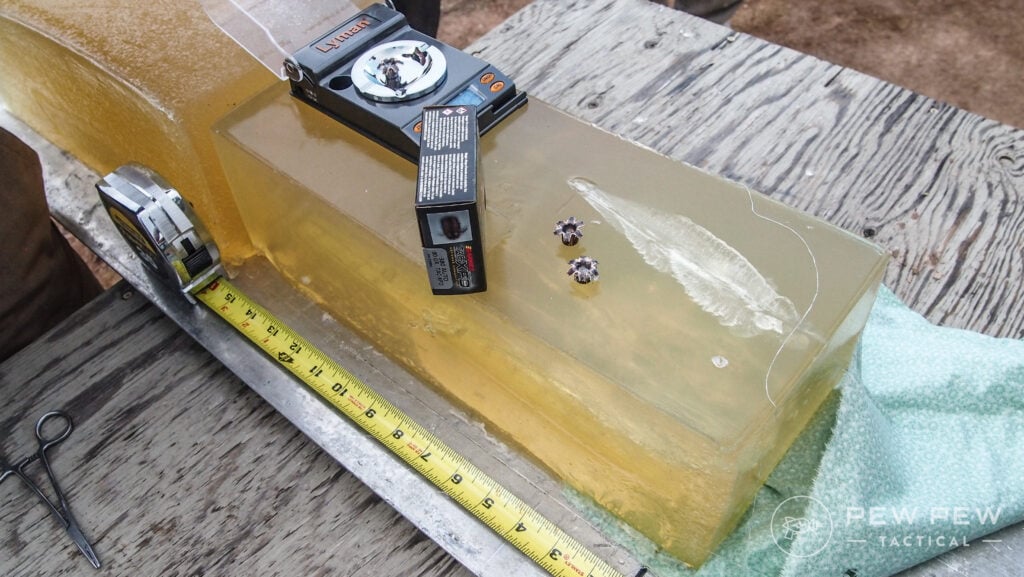
That being said, when the gel is covered with a layer of heavy denim, you begin to run into issues.
The hollowpoint won't expand, and the projectile just pokes holes. You must be very selective when shopping for .380 ACP defensive ammunition.
Recoil
Do you know why there was a sudden rush of pocket .380 ACPs and then seemingly crickets afterward?
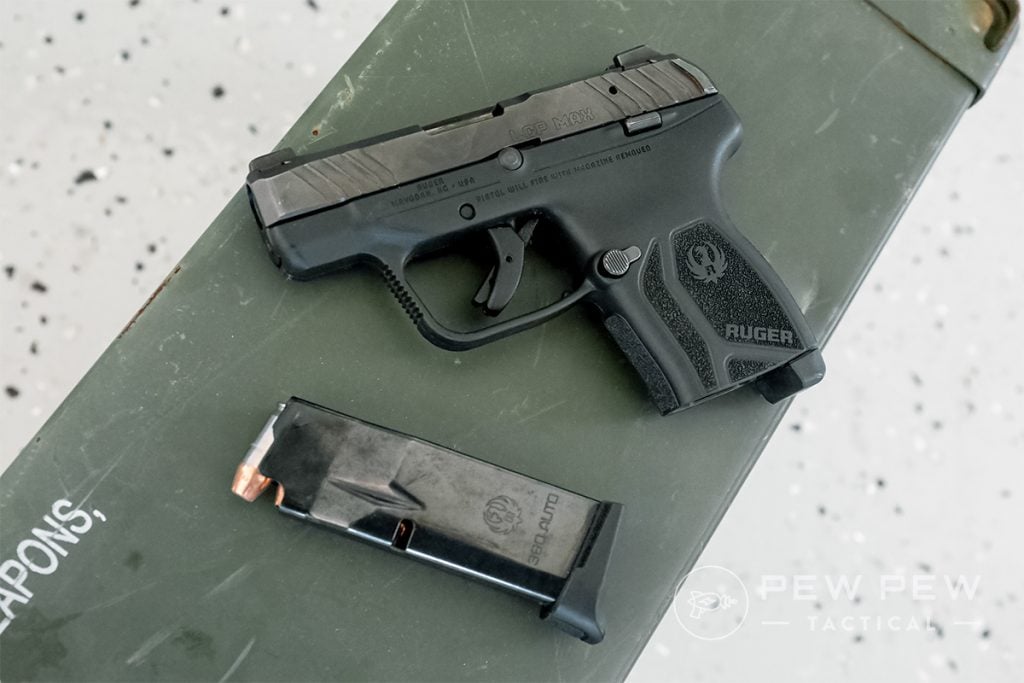
Well, people bought them, shot them, and promptly got sick of shooting them. They hurt, are snappy, and will sometimes try to fight their way out of your hand.
I've never had to hold onto a gun tighter than I have to hold onto a pocket .380 ACP. These are concealed carry firearms, so I practiced shooting them in a defensive manner. This included double taps, failure drills, and modified Bill drills.
Without exception, I was faster and more accurate with the lower recoiling P32 than I was with the P3AT.
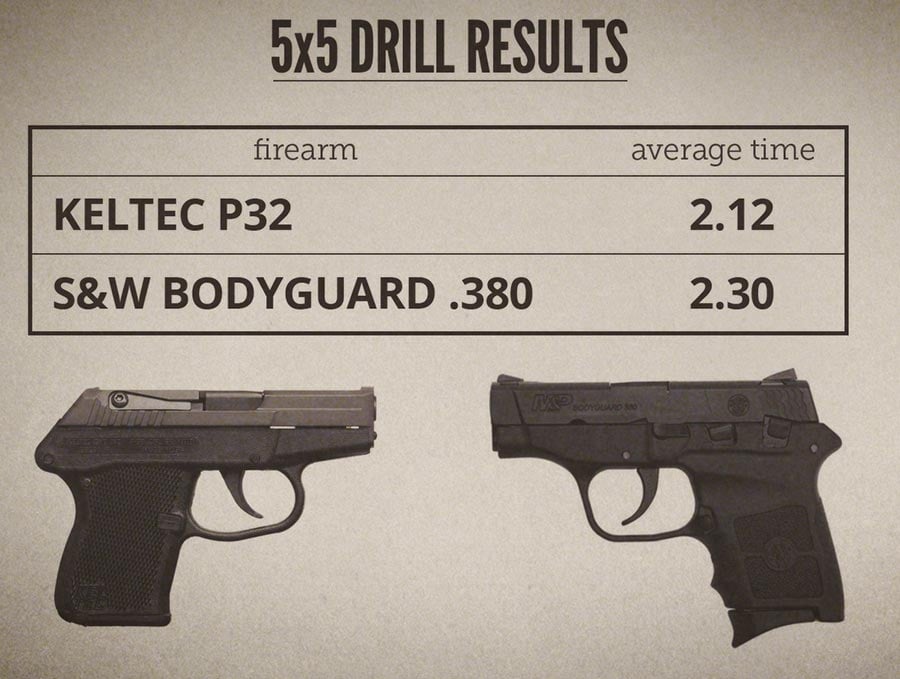
The hefty recoil of the P3AT reduced my time between shots, reduced accuracy, and generally made the entire experience less enjoyable.
Our Most Popular Posts
With the P32, I had no problems shooting quickly and accurately. Recoil plays a big role in little guns; in this realm, the .32 ACP absolutely dominated. Bigger, faster, more expansive bullets don't matter if you can barely shoot the thing.
Capacity
The smaller size of the .32 ACP often allows it to contain one to two more rounds than its .380 ACP counterparts.
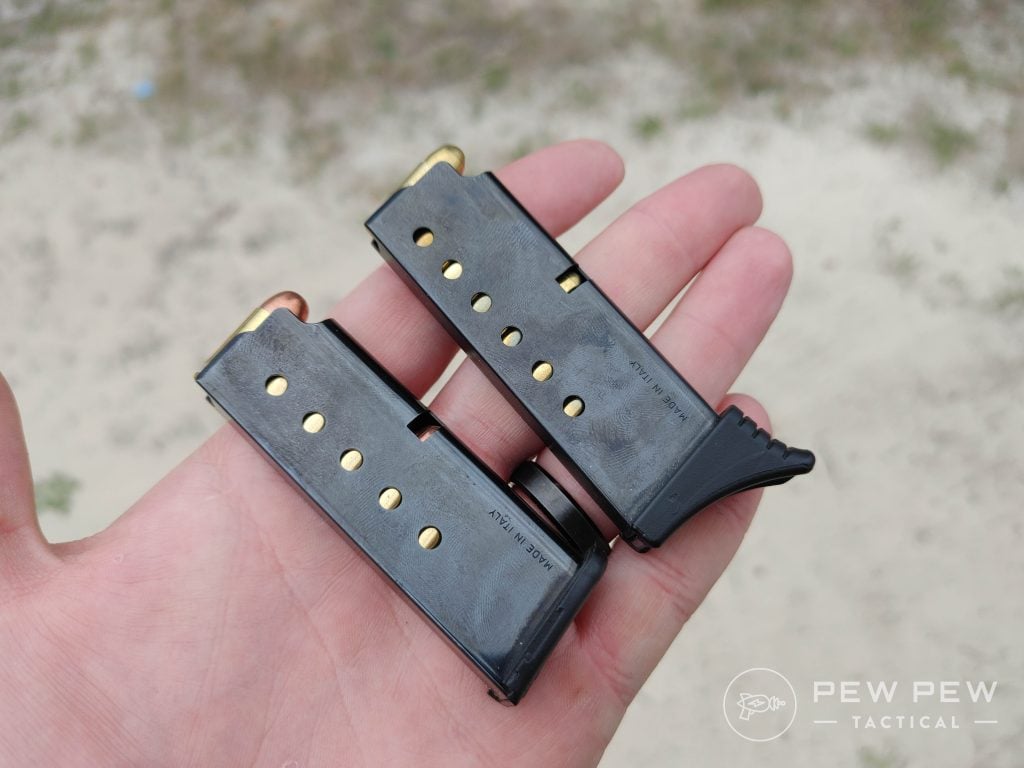
In single-stack magazines, it's often only one additional round. While not necessarily a significant difference, it is still a nice touch for a micro-sized pistol.
Price & Availability
The price of both cartridges is about even these days. I thought the .32 ACP would be more expensive, but after shopping, they seem to be on par price-wise. Both cost more than 9mm but won't break the bank.
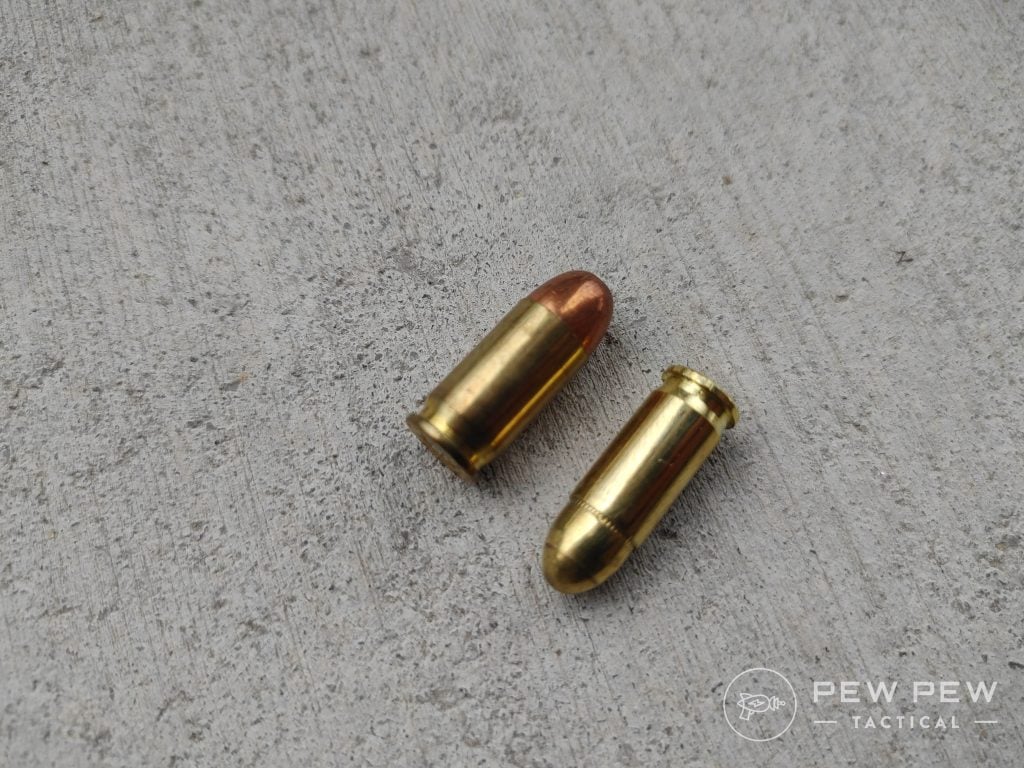
However, .380 ACP is much easier to find and is offered in a wider variety of loadings. While .32 ACP is tougher to locate in person, it is still easy to find online.
The Winner...
When it comes to pocket pistols, it's my belief that the .32 ACP is the superior option.
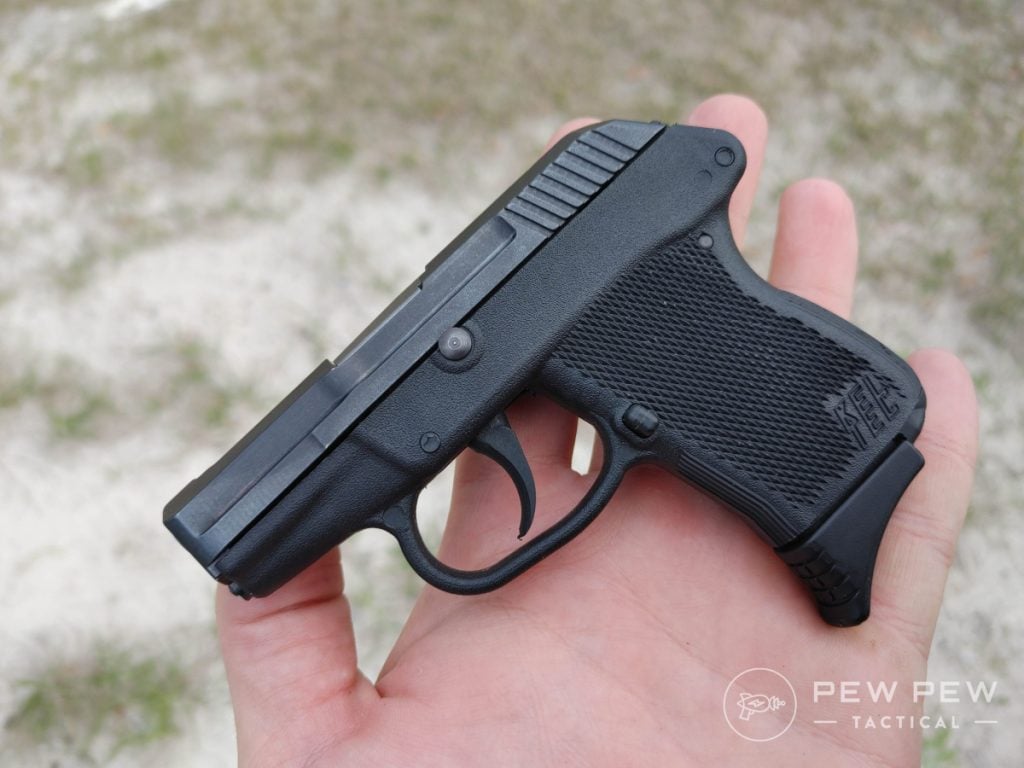
It's much easier to shoot, much easier to handle, and you can even squeeze a single extra round into your magazine. Lower recoil is extremely beneficial in a small gun.
It's still capable of reaching the required depth to stop a threat. Yes, it's low energy, but in the category of pocket pistols, that reduced energy doesn't make much of a difference.

Unfortunately, there are just a few modern pistols that chamber the round. I wish we could cyberbully Innovative Arms into making .32 ACP barrels for the LCP series, but we can't.
If this round interests you, the KelTec P32 seems to be the best option for a pocket pistol-sized .32 ACP.
Be sure to check out our complete review of the KelTec P32!
Why the .380 ACP?
I feel that .380 ACP isn't the best for pocket pistols, but it certainly has its place.
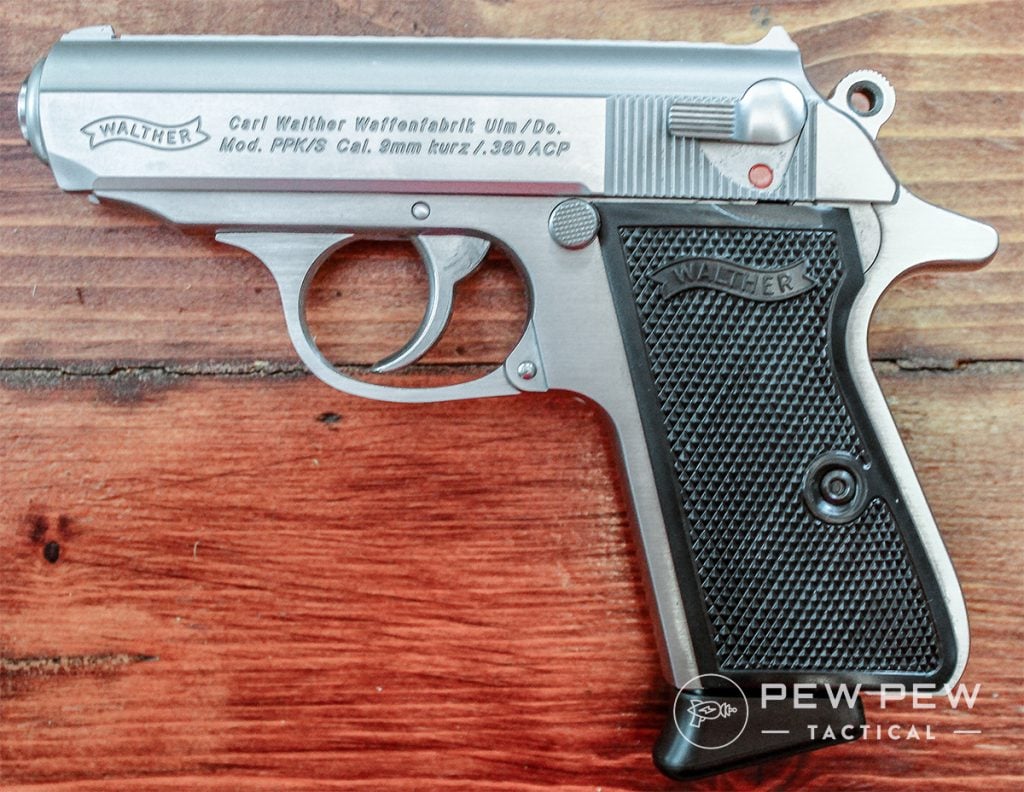
This little cartridge works great in guns with barrels of around 3 to 3.5 inches. Guns like the Glock 42 are about as small as I'd go with a .380 ACP, and that's pushing the bill.
Guns like the Walther PPK, S&W Shield EZ, and the Sig P365-380 are great examples of where the .380 ACP shines.
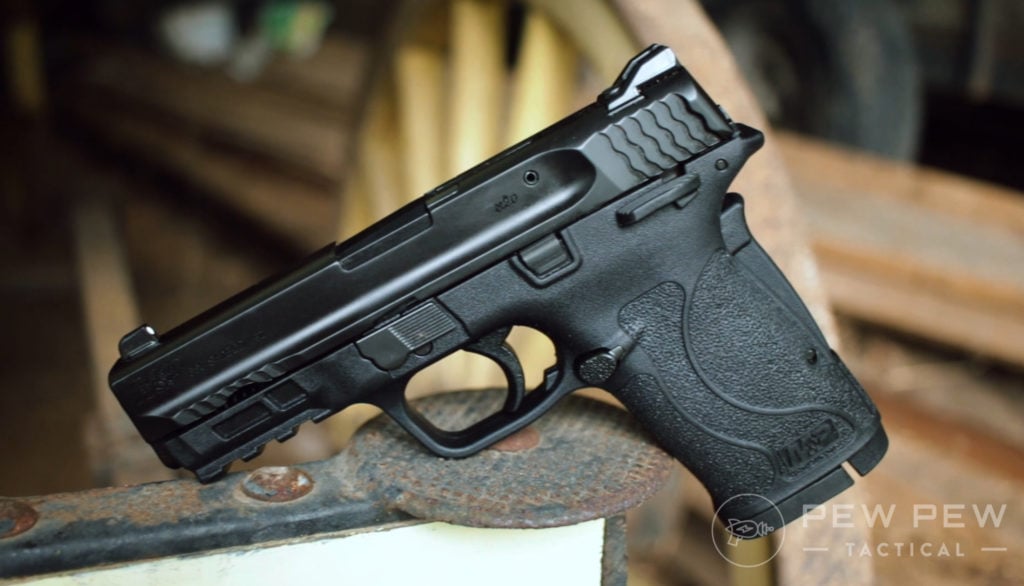
It's more akin to a reduced recoil 9mm option rather than a pocket pistol caliber. There is a considerable increase in performance in guns with slightly longer barrels, making .380 ACP an excellent choice for slightly larger guns.
Final Thoughts
At this point, it's likely me screaming into the void about how underrated the .32 ACP is, but I still think it is worth mentioning.
The little round doesn't get much credit these days, but it's not as anemic as something like the .25 ACP. It's a suitable self-defense caliber that makes for an easier-to-shoot pocket pistol.
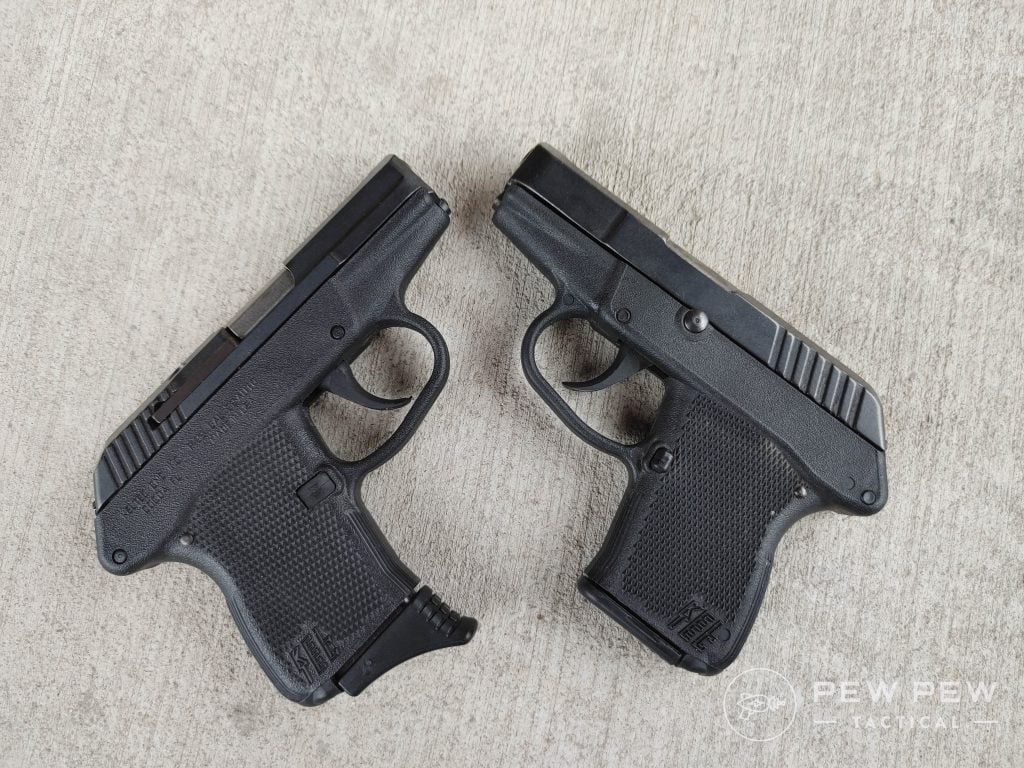
For now, the .380 ACP still reigns supreme due to the availability of both the guns and the ammunition. It is a fine caliber in its own right, especially in bigger guns.
What do you think of this caliber battle? Let us know in the comments below! Interested in small guns? Check out our article on the 9 Best Pocket Pistols for Concealed Carry!