
Federal Court Strikes Down Delaware Ghost Gun Bans
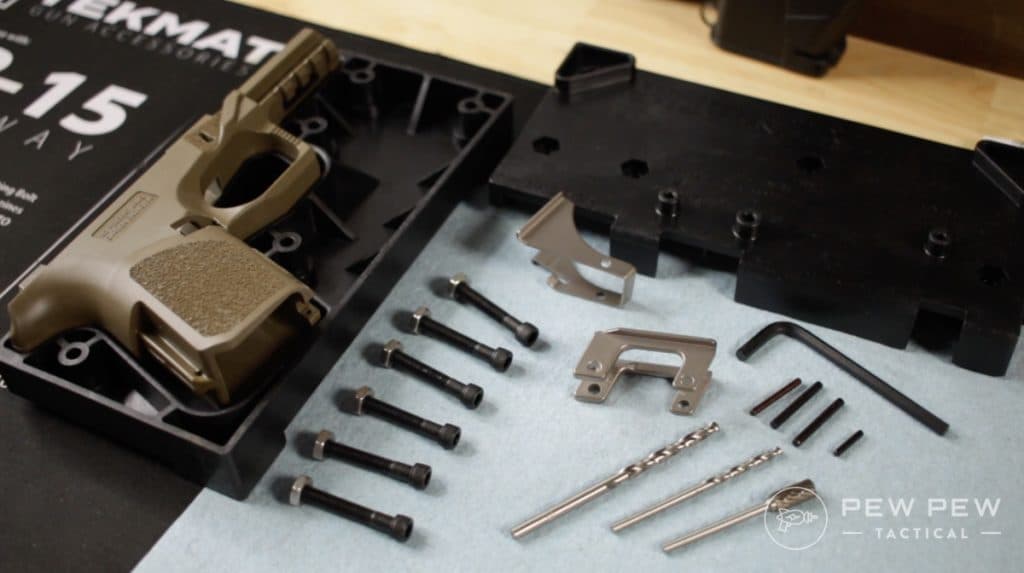
Delaware can't ban possessing or building unserialized frames or receivers, a federal court ruled. What does this mean for gun owners?
We review products independently. When you buy through links on our site, we may earn a commission to help support our testing. Learn more.
Delaware’s ban on so-called “ghost guns” hit a snag as a federal court ruled key parts unconstitutional.
The United States District Court for the District of Delaware heard the case, Rigby v. Jennings, on September 10. Ultimately, U.S. District Judge Maryellen Noreika rejected the state’s attempts to prohibit self-manufacturing.
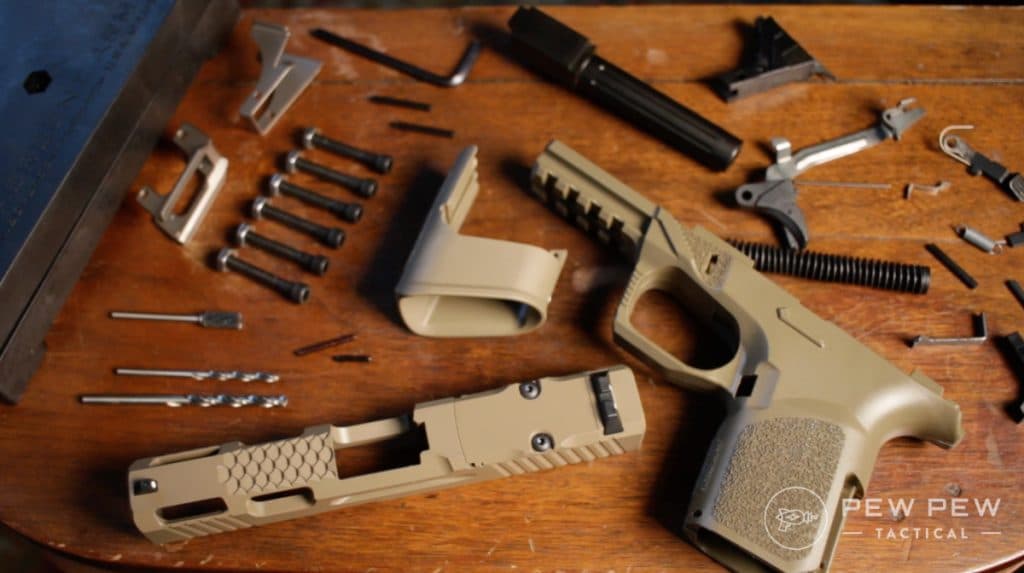
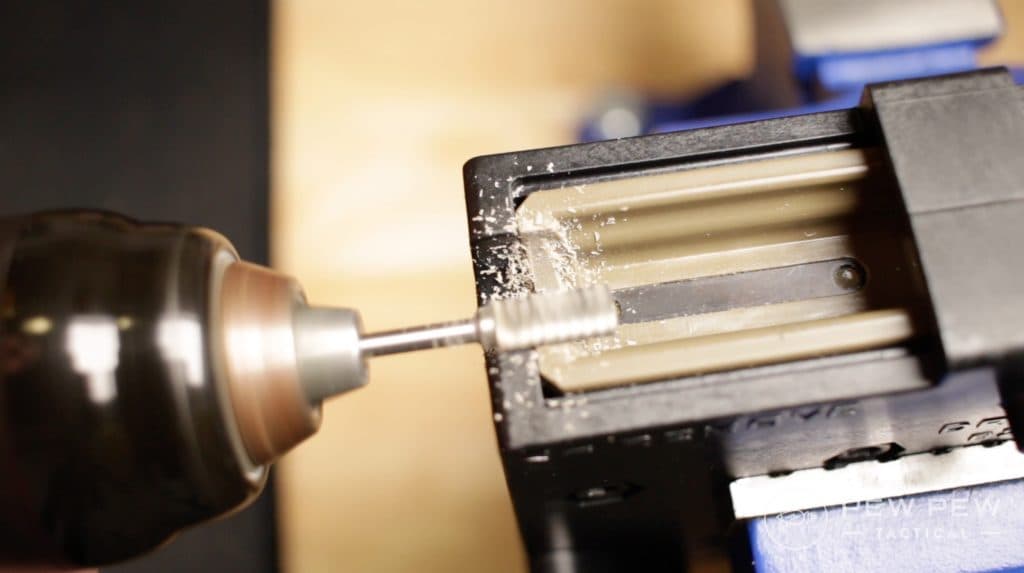
The case centers on House Bill 125, signed into law in 2021. The law prohibited possessing, distributing, and manufacturing unserialized guns — including 3D-printed guns and unfinished frames and receivers. Additionally, it banned the distribution files that would allow 3D-printing of firearms.
The state argued that unserialized guns and unfinished frames and receivers fall outside the protections of the Second Amendment — and can therefore be banned.
The court disagreed.
In the 29-page opinion, the court ruled that all firearms are “arms” regardless of a serial number. Further, the court upheld the self-manufacturing of guns as protected conduct. The right to keep arms includes the right to acquire them, the court determined.
The Best Gun Deals, Coupons and Finds
Subscribe to Pew Pew Tactical's sales and deals email.
“Based on this record it appears there are two ways to acquire firearms: self-manufacture or acquisition of a firearm manufactured by someone else (e.g., purchasing a firearm from a gun store),” the opinion states.
“The Manufacturing and Assembly Ban cuts off one avenue of acquiring firearms, and thus places restrictions on conduct protected by the Second Amendment. And because it applies to all people, concerns arms, and places at least some restrictions on keeping and bearing arms, it fails at Bruen’s first step.”
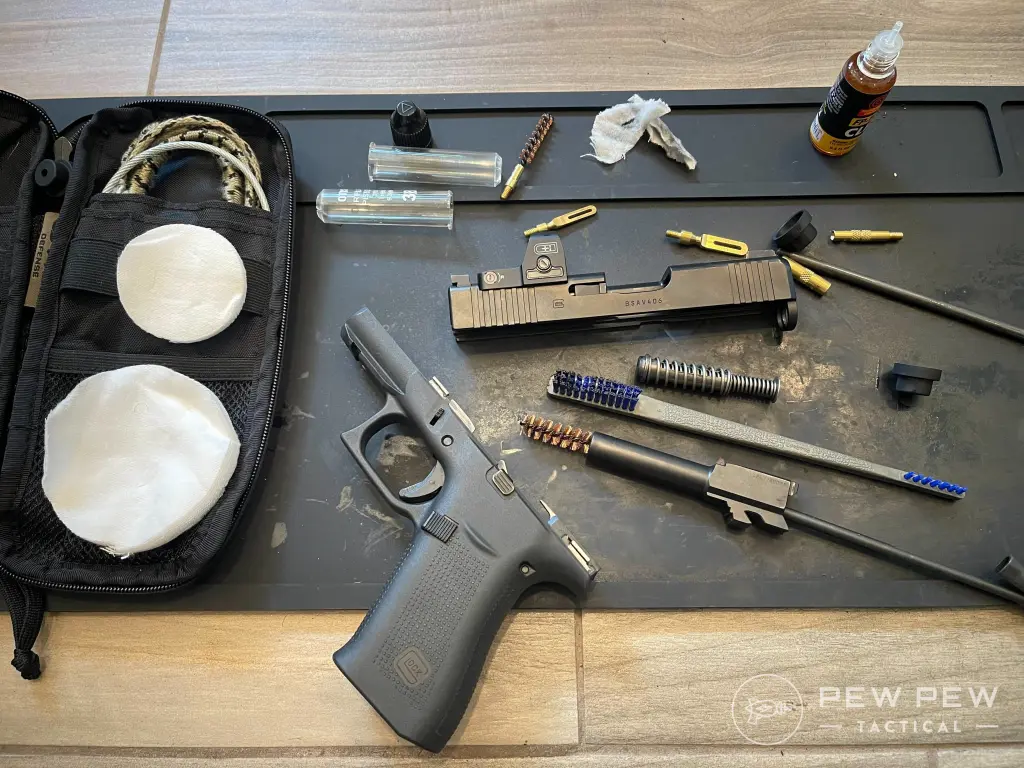
Additionally, the court added that the sweeping ban on assembly could also prevent gun owners from reassembling firearms after cleaning or repairs.
The Firearm Policy Coalition joined the case alongside plaintiffs John Rigby and Alan Knight. The FPC heralded the decision as a win for 2A.
Our Most Popular Posts

“Delaware tried to turn peaceable people into criminals for possessing firearms they lawfully made and owned,” FPC President Brandon Combs said in a statement. “Nearly four years after we secured a preliminary injunction against these bans, we now have a merits ruling holding them unconstitutional. This is a key victory on the road to securing nationwide protection for the right to self-manufacture arms.”
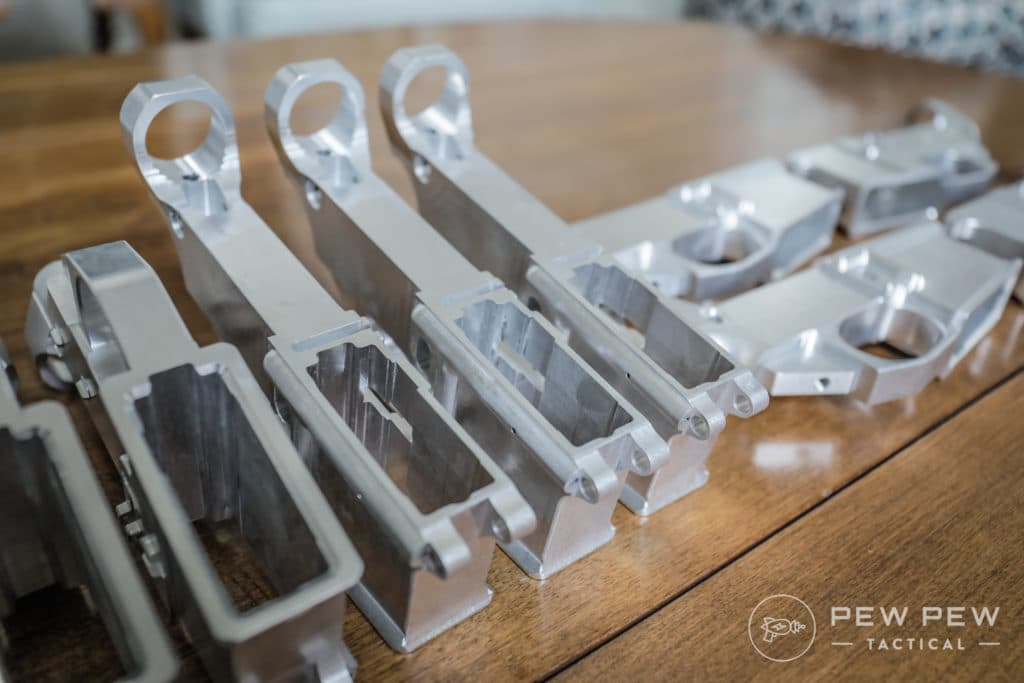
The ruling wasn’t a clean sweep for gun owners, though. The court did side with the state’s restrictions on commercially distributed unfinished frames and receivers. According to the ruling, this falls under regulating sales.
The ruling comes on the heels of House Bill 418 — new legislation introduced in early September that amends ghost gun laws in response to ongoing litigation. That bill gives gun owners who legally owned unserialized firearms before the ban a path to comply by having guns serialized through a licensed dealer or making them permanently inoperable.
The fight might not be over yet, though. Because the decision came from a district court, Delaware can appeal to the Third Circuit. The state has not publicly commented on whether it will or not.
What do you think of the court's decision? Let us know in the comments below! To stay up-to-date, keep an eye on our News Section.
Trending: Best AR-15s, Best Shooting Hearing Protection, & Ammo in Stock