
12 Gauge vs. 20 Gauge: Which Is The Better Shotgun Choice For You?
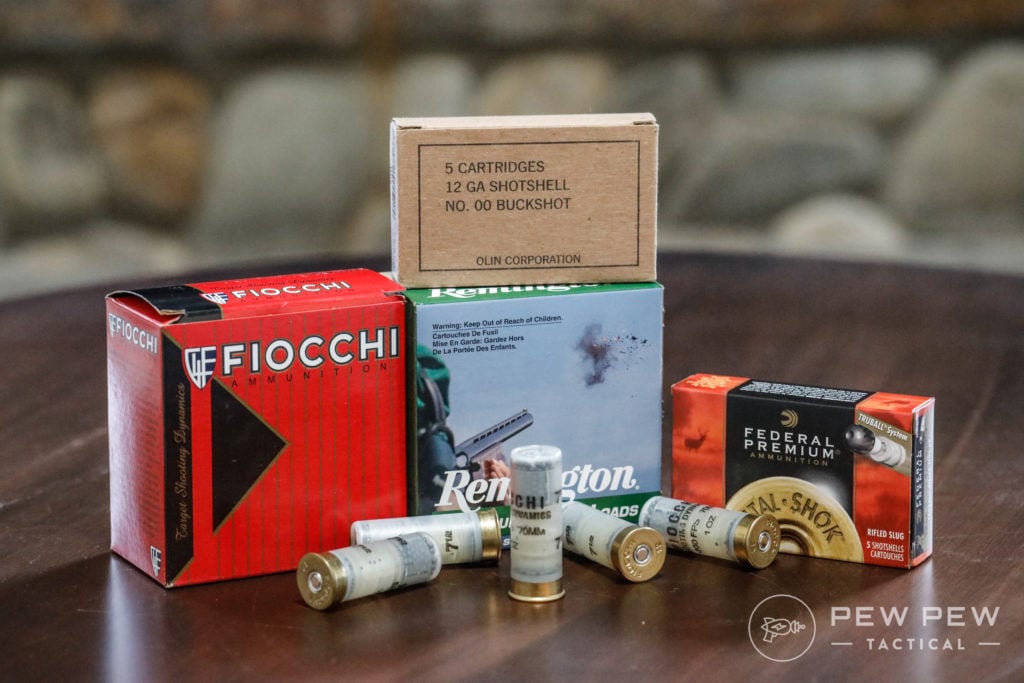
We compare the shootability, payload, and accessibility of 12 gauge and 20 gauge to determine which one is better for home defense.
We review products independently. When you buy through links on our site, we may earn a commission to help support our testing. Learn more.
I love a good shotgun. I use a shotgun for home defense, I hunt with shotguns, and I just love shooting them.
Over the last few weeks, I’ve been comparing 12 gauge to 20 gauge. After side-by-side tests, I came to the conclusion that while both rounds share many traits, they are definitely different beasts.
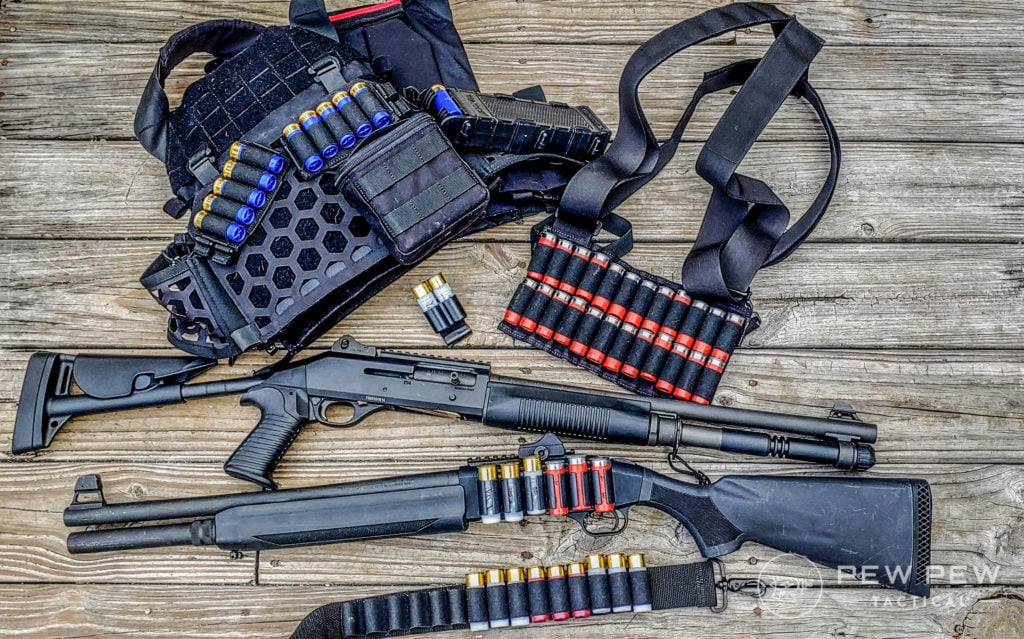
So, does 20 gauge have capable defensive loads? Does it really recoil that much less than the 12 gauge? Keep reading to find out!
Table of Contents
Trending: Best AR-15s & ATF Drops NFA for Suppressors & SBRs
Stopping the Threat
There is a lot to consider when choosing a defensive firearm. But one of the first concerns is finding a round that can adequately stop a determined threat.
Personally, I’m a fan of buckshot for home defense. Slugs can certainly work, but if I wanted one round per press of the trigger, I’d use a proper rifle. Birdshot is for the birds; don’t even think about it.
That’s the easy answer; here’s the longer, more complicated answer.
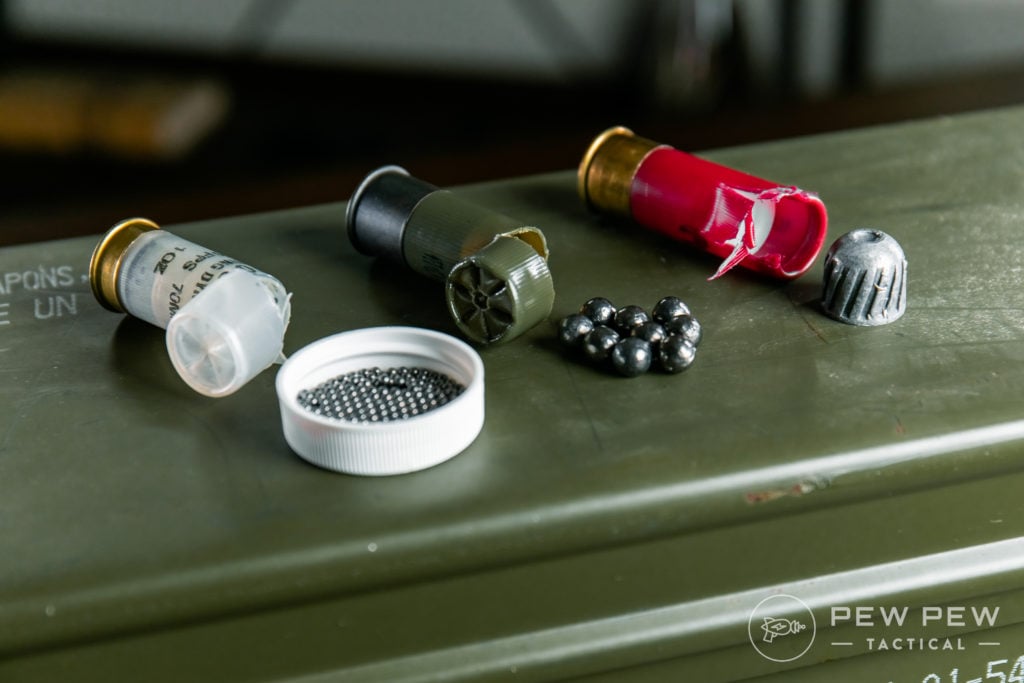
Buckshot pellets are a bit like standard handgun rounds in that they don’t really fragment or yaw.
There is evidence that shotgun pellets, when they strike close enough together, do have an interesting effect on soft tissue. Each pellet has a temporary wound cavity, which, by itself, doesn’t matter much.
However, when you have several projectiles hitting at the same time, those temporary cavities overlap, and elastic tissue becomes inelastic, creating a ripping and tearing effect.
In outdoor situations, 12 gauge can reach a little further with buckshot than 20 gauge. But since we are focusing on home defense here, that extra range doesn’t really matter.
What we want at the end of the day is adequate penetration. The commonly cited standard is the FBI protocol, which calls for 12 to 18 inches of penetration through ballistic gel.
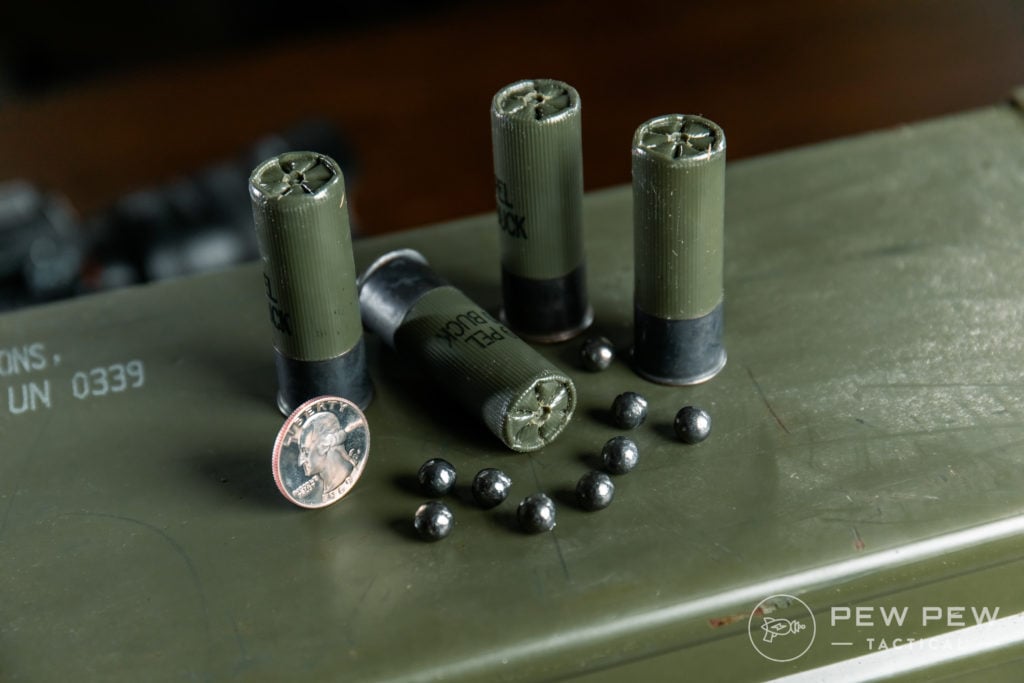
With 12 gauge, the most common buckshot load that reaches that depth is 00 Buck — an extremely common and very viable round.
However, there aren’t any 00 options for 20 gauge. There are some 9-pellet No. 1 buckshot options, but the most common 20 gauge buckshot loads are No. 2 and No 3.
Fortunately, No. 1, No. 2, and No. 3 can all reach the minimum FBI penetration depth. No. 2 and No. 3 tend to perform better with copper-plated shot, as the copper plating results in less deformation and allows the rounds to dig a little deeper.
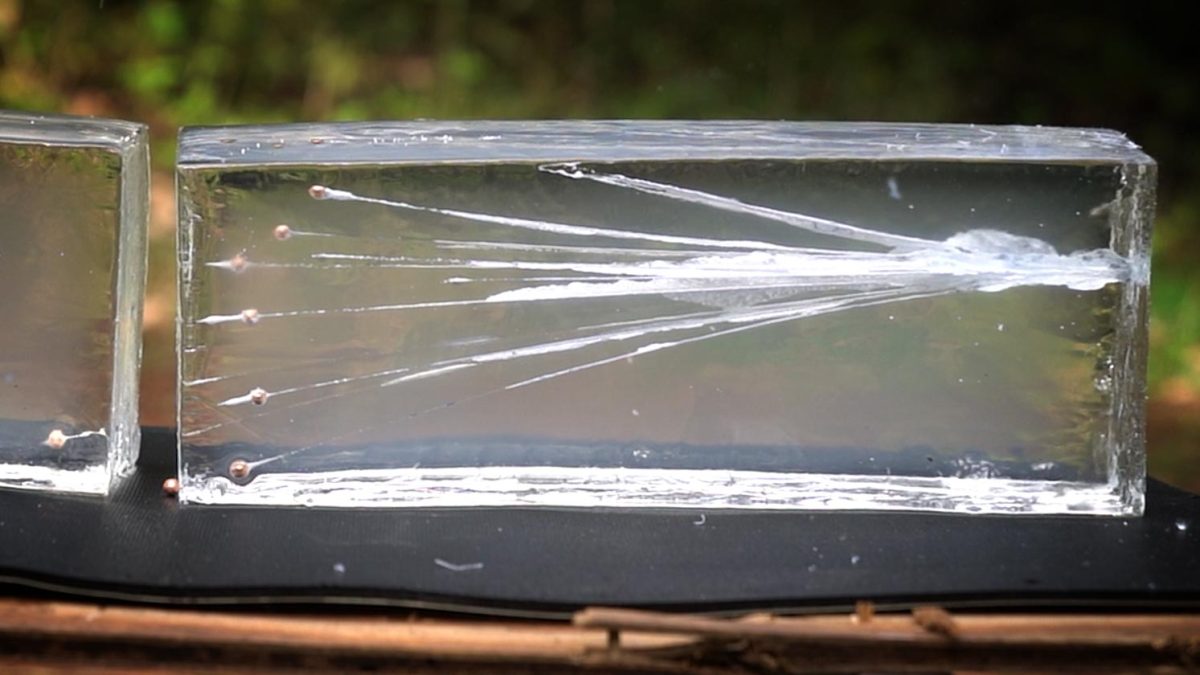
Since both 12 gauge and 20 gauge meet FBI penetration standards, they both make effective home-defense shotgun rounds.
Logistics
Performance metrics don’t really matter if you can’t find a good gun and proper ammo suited to the task of defensive use.
Logistics always matter, and in that regard, 12 gauge reigns supreme.
Shotgun Choices
If you go with a 12-gauge shotgun, you have tons of tactical options. There are piles of pump-action guns available at every price point, as well as numerous semi-autos from various companies.
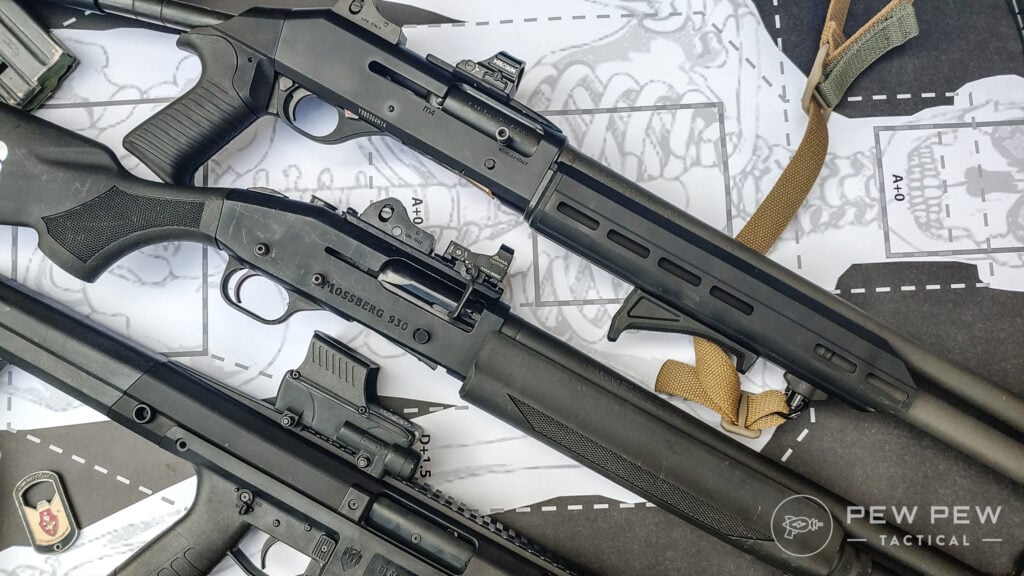
The humble 20 gauge doesn’t enjoy the same treatment. Most 20-gauge guns are designed for sporting purposes, but there are very few tactically oriented options.
When I say "tactically oriented," I am referring to a shotgun with a short barrel, preferably between 18 and 20 inches, as well as a magazine tube that holds five to eight rounds. Beyond that, I give bonus points to shotguns with optics mounting capability or good high-visibility sights.
Off the top of my head, you’re limited to the Mossberg 590, the 500 Persuader, and the new Beretta A300 Ultima Patrol in 20 gauge.
There are likely a few others, but regardless, the 20-gauge tactical shotguns simply aren’t as common as 12-gauge ones.
The Best Gun Deals, Coupons and Finds
Subscribe to Pew Pew Tactical's sales and deals email.
Ammo Choices
The mighty 12 gauge rules the market when it comes to ammo.
There is an unusually large number of 12-gauge tactical rounds, with options from every major shotgun ammo manufacturer. My go-to for 12 gauge is Federal Flitecontrol 8-pellet 00 buckshot for its consistent performance and tight patterning.

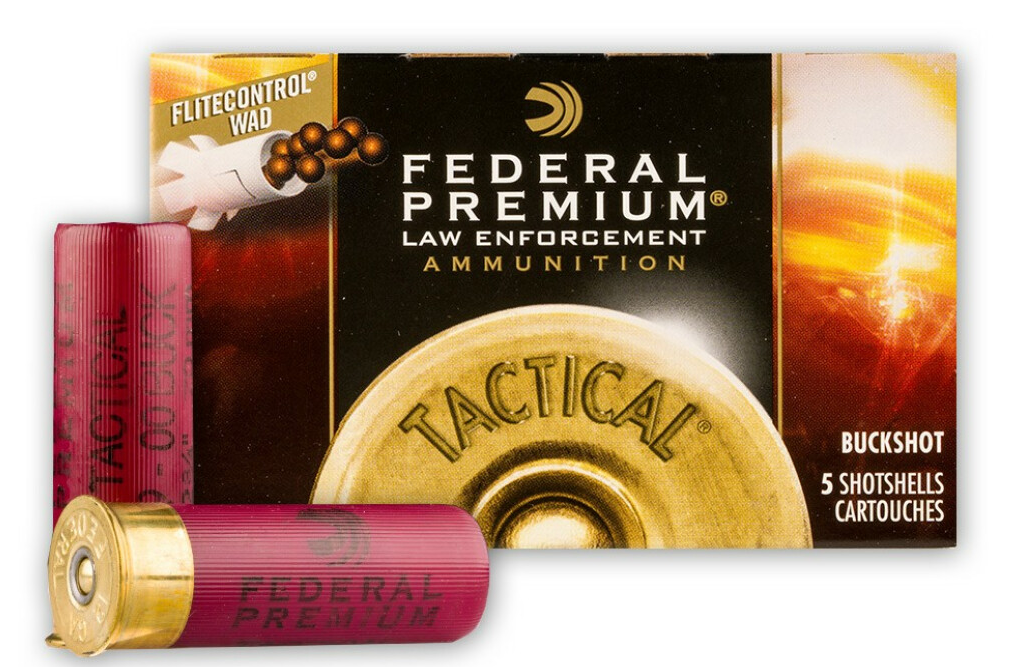
When you look at 20 gauge, the options for tactical loads are limited. The most popular round is Remington Ultimate Defense, which is a good overall choice. Winchester Defender is also available in 20 gauge, but it tends to throw wide patterns in experience.
Luckily, Federal has expanded its Flitecontrol line to include 20 gauge. It offers that same tight pattern as its 12-gauge brethren, but it is actually rougher on the shoulder due to its higher velocity.
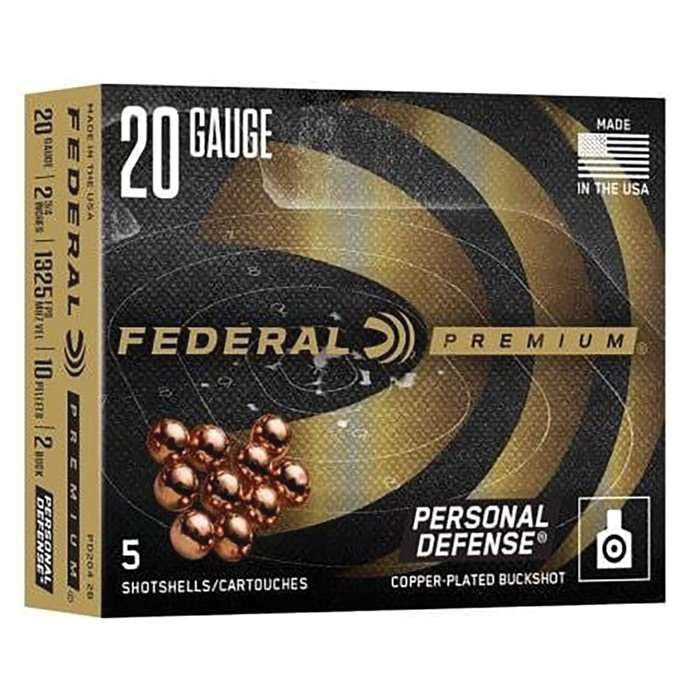
While there are some solid 20-gauge tactical shotguns and defensive loads, choices are far more limited and harder to find; 12 gauge is the clear winner when it comes to variety and availability.
Recoil and Shootability
A big selling point for the 20 gauge is its reduced recoil, which is true-ish.
While 20 gauge has the potential for lower recoil, that potential isn’t often realized for two reasons.
Firstly, 20-gauge shotguns are often lighter. Less weight usually translates into more recoil.
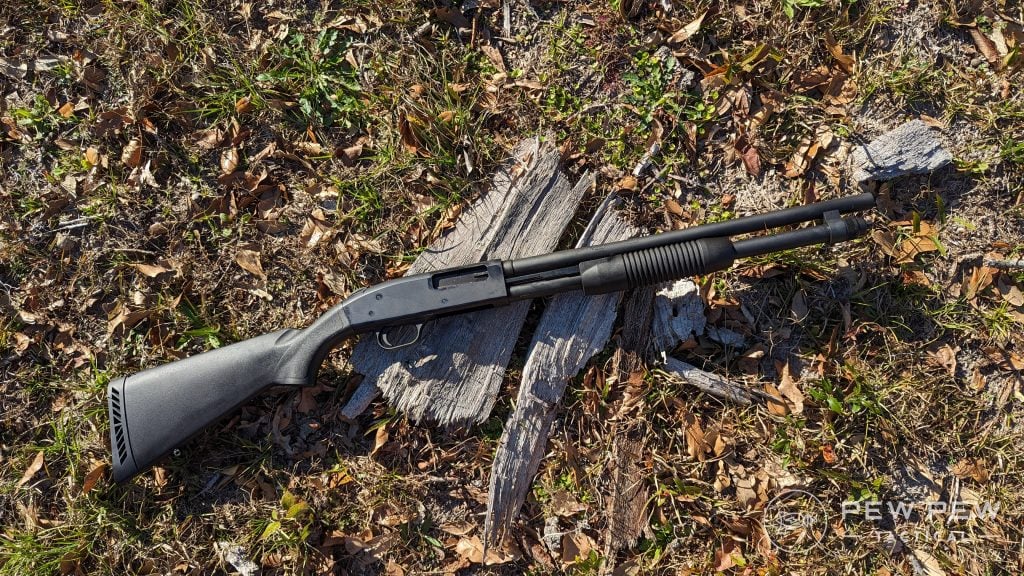
The second reason is the ammo options. Most 20-gauge buckshot loads are hunting rounds loaded to a relatively high velocity.
Shooting a load of 20-gauge Remington Express Number 3 buckshot at 1,220 feet per second gives a sharper recoil impulse than a 12-gauge load of Federal Flitecontrol 8-pellet 00 at 1,145 feet per second.
For this same reason, the Federal Flitecontrol load in 20 gauge has noticeably more recoil than the Federal Flitecontrol 8-pellet load for the 12 gauge. It also doesn't quite throw as tight a pattern as the 12-gauge, albeit it is still the tightest pattern of any 20-gauge load.
Where the 20 gauge shines is with dedicated reduced-recoil loads. You can get managed recoil Remington Ultimate Defense and Winchester Defender loads. These reduce payload slightly, which allows them to still reach a good velocity without the extra thump.
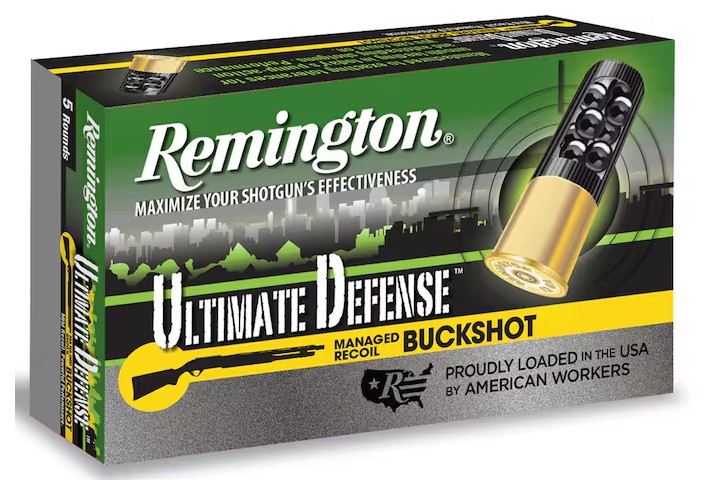
The difference in recoil between these lower-recoil tactical loads and the 12-gauge still feels somewhat minimal. It is even less noticeable in semi-auto shotguns, which are typically softer-shooting than pump guns.
To me, the strength of the 20 gauge isn’t in its reduced recoil, but rather the ability to have a lighter shotgun.
The lighter weight of 20-gauge guns makes them easier to handle for smaller shooters or those with less strength. A gun that is easier to handle and point is going to pay dividends in training.
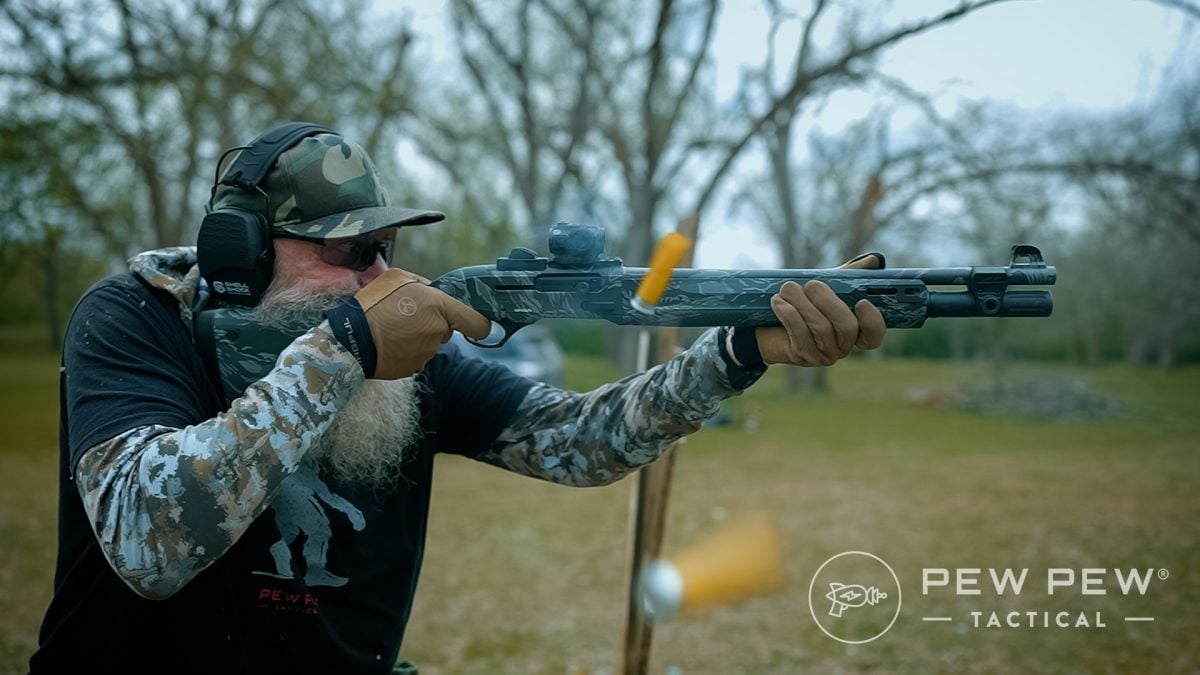
If you’re truly chasing the least amount of recoil in a lightweight tactical shotgun, then a good semi-auto 20 gauge with reduced-recoil loads might be for you.
Our Most Popular Posts


Accessorizing Your Shotgun
Shotgun accessories can be incredibly important when it comes to home defense and tactical applications.
Namely, I am talking about the ability to add a weapon light. There are far more weapon light options for 12-gauge shotguns. Forends with integrated lights, such as the Surefire DSF, Streamlight TL Racker, and Nightstick SFL, are available for 12-gauge guns.
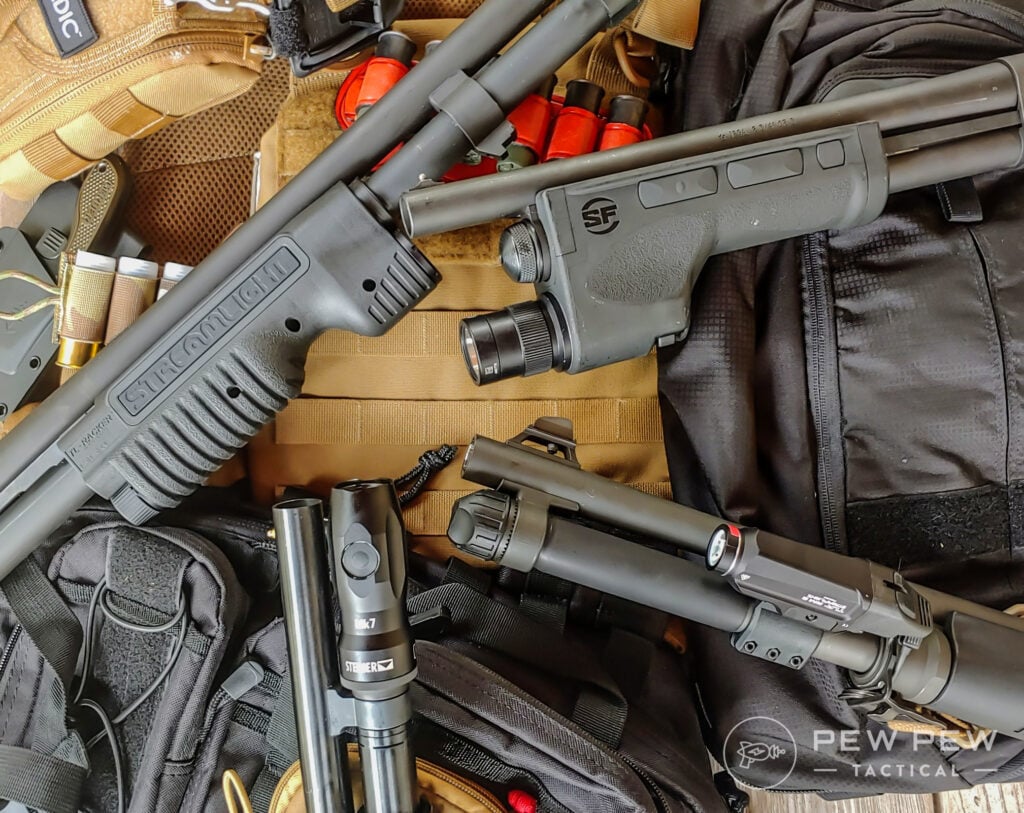
There are also numerous clamp-on rails, aftermarket pumps, and forends for 12-gauge shotguns that allow you to mount accessories.
On a 20-gauge pump gun, like the Mossberg 590, your options for adding a light are far more limited. However, something like the semi-auto A300 Ultima Patrol in 20 gauge makes this a bit easier to thanks to its included M-LOK handguard.
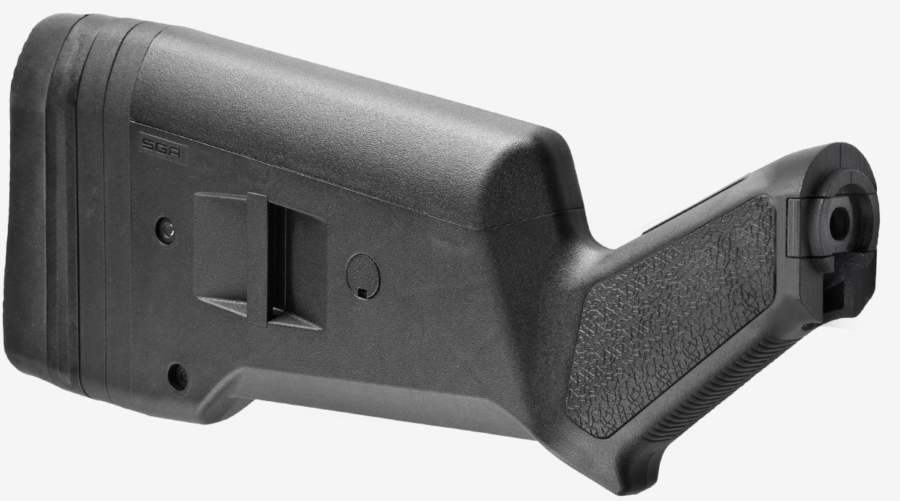
The second biggest thing is finding a stock with the right length of pull for you. Luckily, there are plenty of reduced LOP and youth-sized stocks out there for common 20-gauge platforms.
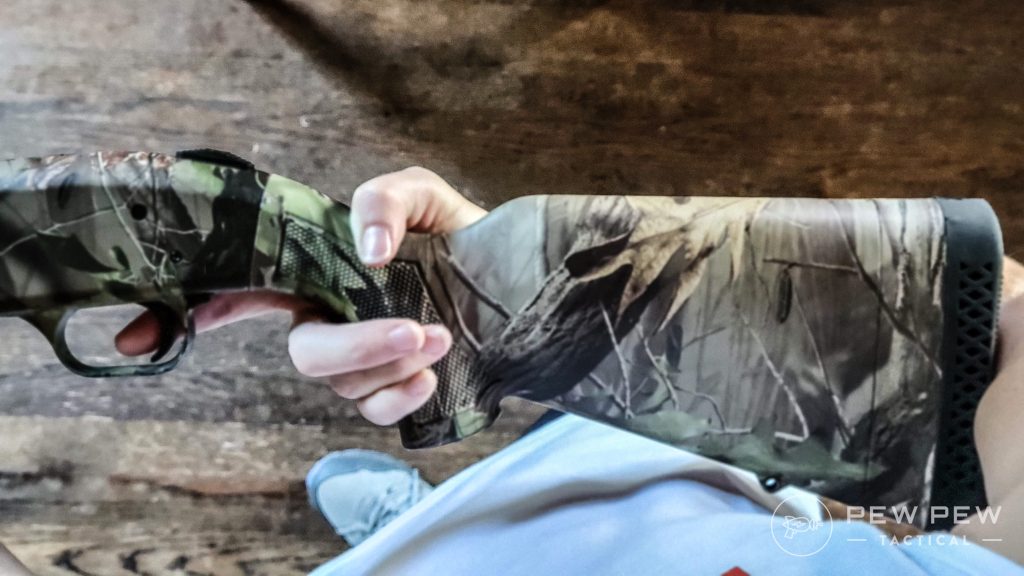
If you are running a Mossberg 590 in 20-gauge, GG&G offers an adapter that allows you to use the ever-popular Magpul SGA stock, a personal favorite of mine.
Meet the Experts
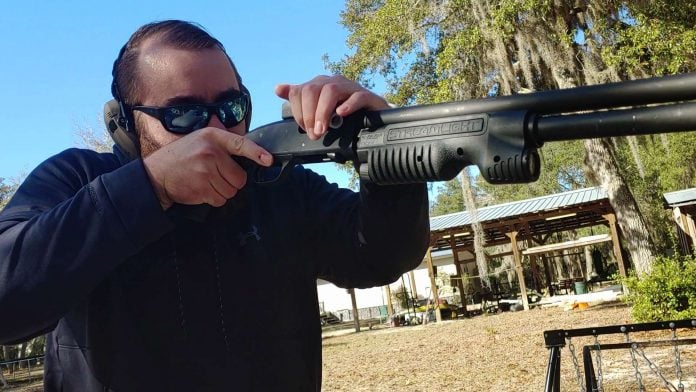
Pew Pew Tactical author Travis Pike wrote this article. Travis spent a lifetime shooting as a kid and later joined the United States Marine Corps, where he spent five years as an infantryman. His experience as a machinegunner, recreational and competitive shooter, hunter, and concealed carry instructor has given him unique insight into various weapon platforms.
Additionally, Travis has thousands of articles to his name across a variety of publications and has tested countless guns and other firearm accessories, with shotguns being his passion and specialty.
Final Thoughts
I had a few main takeaways during this comparison.
The recoil difference between the two rounds is far less than you might expect. However, the lighter overall weight of the 20-gauge guns might be appealing to certain shooters.
It is no secret that there are far more tactical versions, adequate defensive ammo, and accessory options for 12-gauge shotguns. You can still find all these things in 20-gauge shotguns, but you are going to have to do some footwork to find them.
So, which is better? 12 gauge, or 20 gauge? Both are viable options for home defense, but ultimately, it is up to you. That said, I feel that 12-gauge is the better, easier option for most people.
What are your thoughts on 12 gauge vs. 20 gauge? Which one would you pick? Let us know in the comments below! Not sure which shotgun to buy? Check out our article on the Best Shotguns for Tactical Use and Home Defense!