
Title I vs. Title II Guns: What’s the Difference?
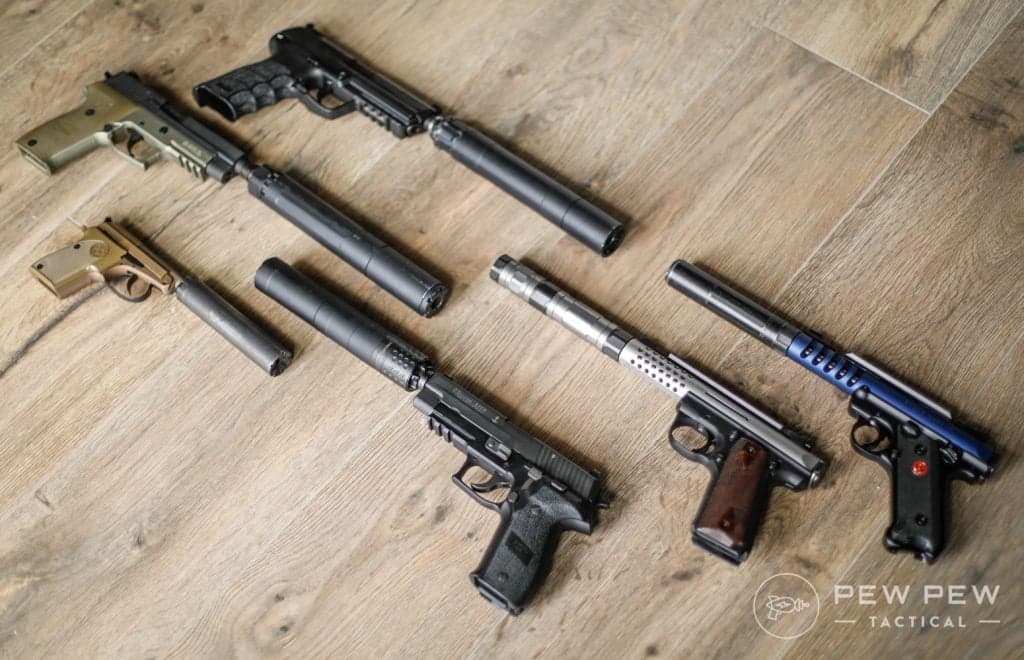
We cover the difference between Title I and Title II firearms, breaking down the terms so you know what you're looking at next time you go to the gun store.

Attorney. Recreational shooter
We review products independently. When you buy through links on our site, we may earn a commission to help support our testing. Learn more.
Within the gun community, a lot of confusing terminology exists that may have you scratching your head in confusion.
For example, you might have heard the terms Title I and Title II. But what do those mean?
Fear not, fellow firearm owners! You've got us to help guide the way and clear up some confusion.
We’ll go over exactly what Title I and Title II mean, the difference between the two, and what you should do when you encounter them in the wild.
So keep reading to learn more...
Table of Contents
Title Fight: Title I vs. Title II
Title I and Title II, at least in the firearms world, are shorthand for Title I and II of the Gun Control Act of 1968.
For those of you who aren’t familiar, the GCA is the set of laws that regulate almost all of the firearms around today. It provides the legal definitions of rifles, shotguns, and other weapons.
Title I
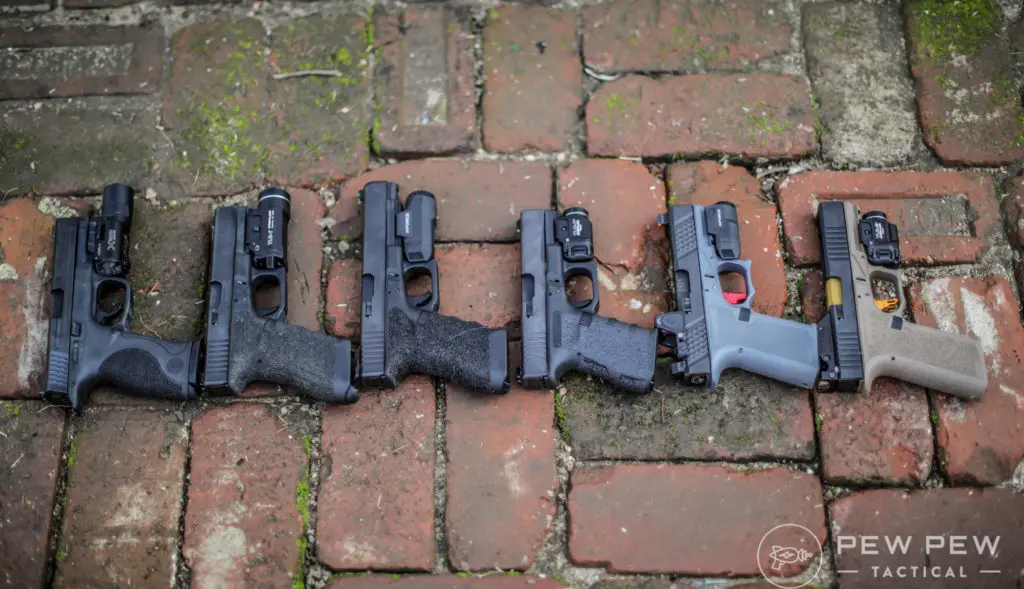
Title I of the GCA is essentially just the part of the law that spells out what we think of as “regular” firearms, including pistols, shotguns, and rifles.
Anything you can buy from your local gun store with the standard background check is likely a Title I firearm.
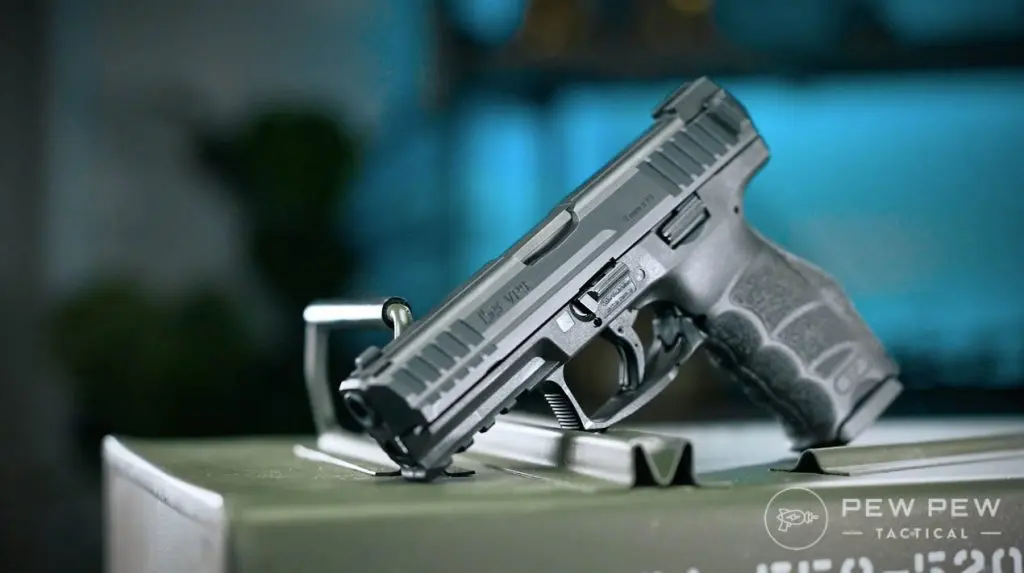
There are some requirements you have to meet to own a Title I gun, but they are the standard requirements that everyone goes through.
A background check, for example, is a requirement to make sure you don’t fall into any categories that prohibit you from owning a firearm.
It’s also important to keep in mind that even if a firearm is a Title I gun and is legal to purchase and own under federal laws, your state may have additional laws that make it illegal for you to own anyway.
An AR-15, for example, is a perfectly fun firearm that falls under the Title I category.
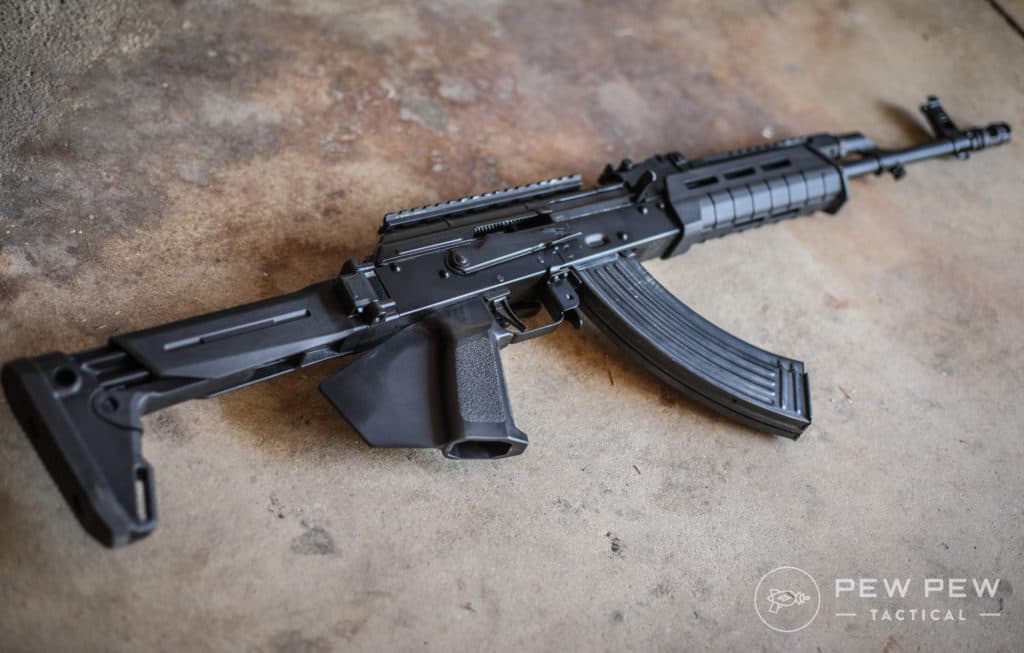
However, while you can go into a store in Texas and buy a standard rifle off the shelf, in California, that rifle may be considered an “assault weapon” if it fits certain criteria.
Title II
On the other hand, Title II covers all the fun stuff that goes pew (and some that don’t).
Title II of the GCA is an amended version of the National Firearms Act of 1934.
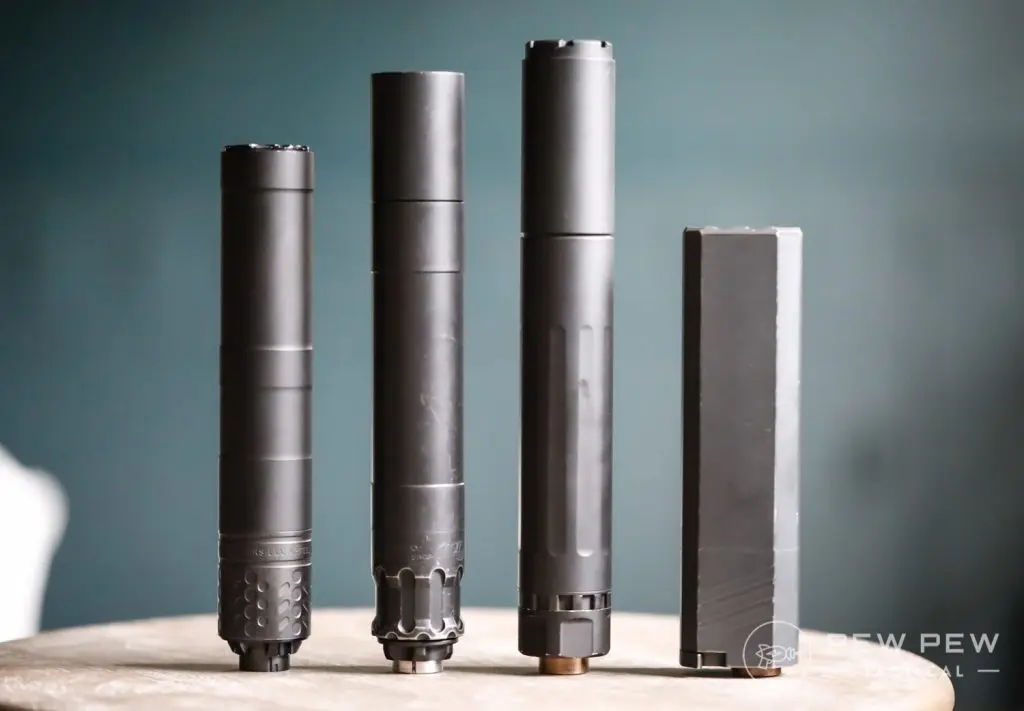
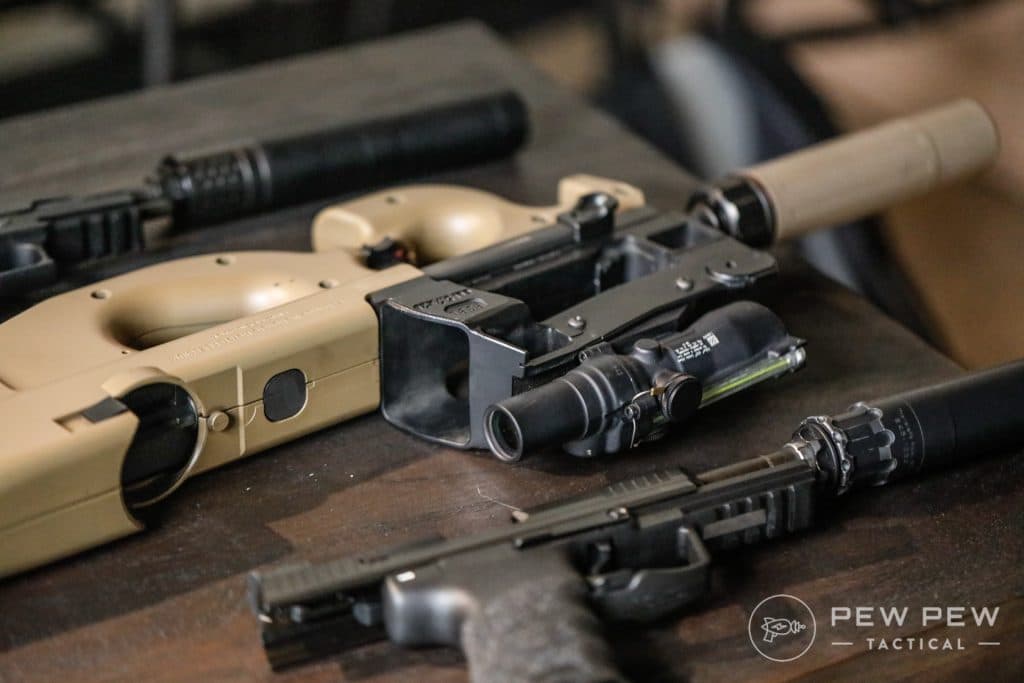
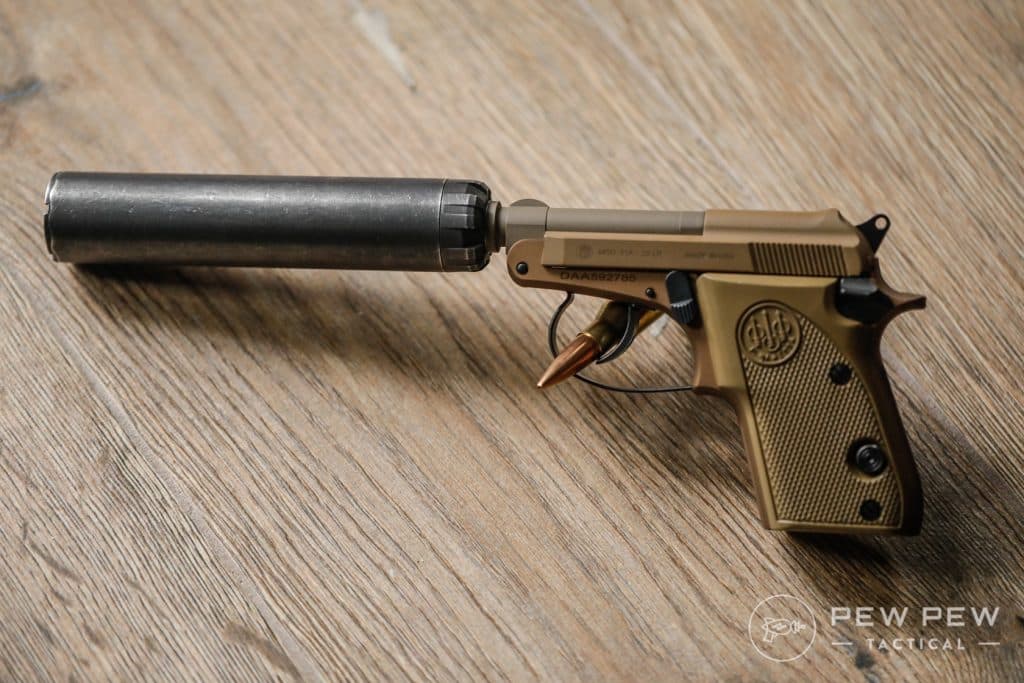
The NFA sets out a list of firearms and weapons that must be registered with the ATF to be legally owned, including anything full-auto and suppressors.
It also requires a waiting period while the ATF performs a thorough background check.
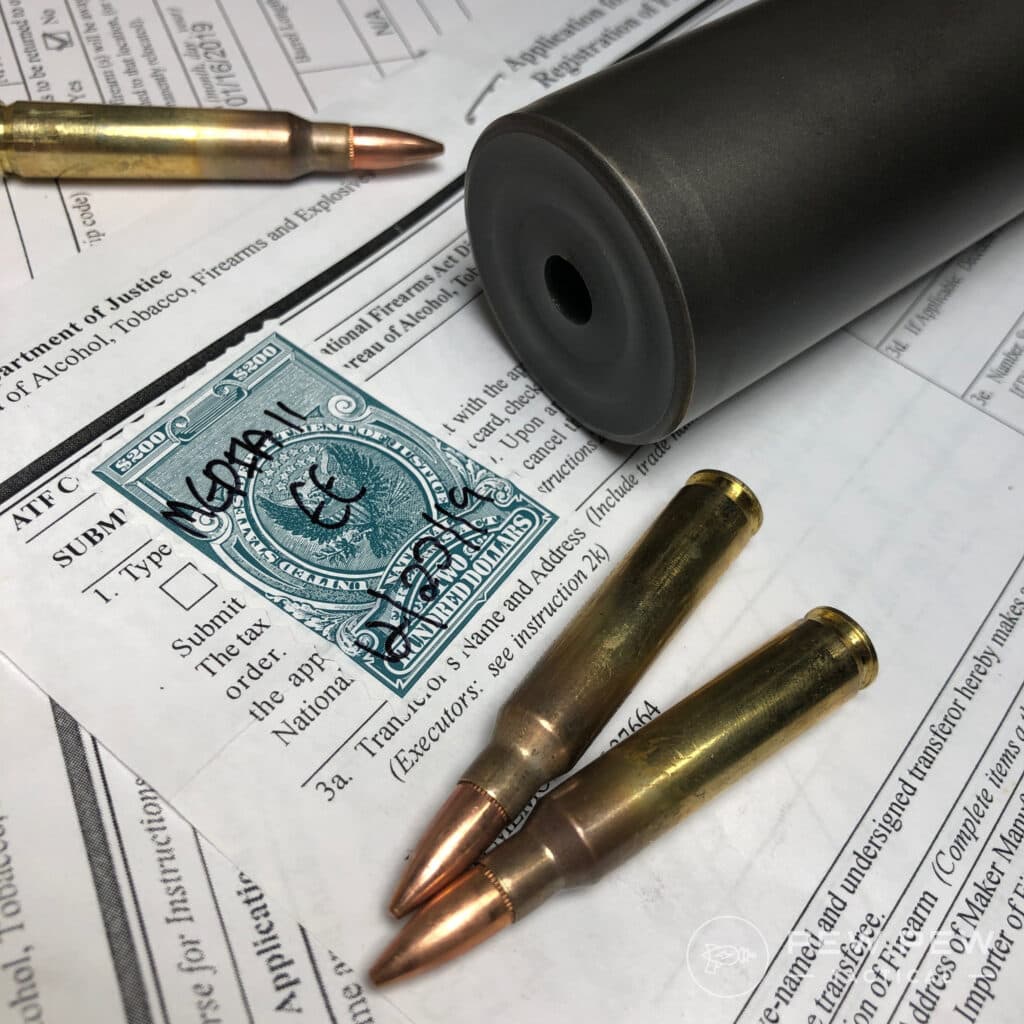
If you’re interested in obtaining an NFA firearm, i.e., Title II firearm, make sure you check out our guide to the NFA to familiarize yourself with the process and know what you’re getting into before taking the plunge.
What’s in a Name?
So, what does it matter if something is a Title I or Title II firearm?
Well, for starters, you’ll sound pretty fancy throwing those terms around at your weekly book club. The other, slightly more important thing is that you’ll be aware of the laws you need to follow.
Buying a Title I gun, depending on where you live, can involve just a simple background check.
Either way, there are relatively few hoops to jump through to get your hands on a gun.
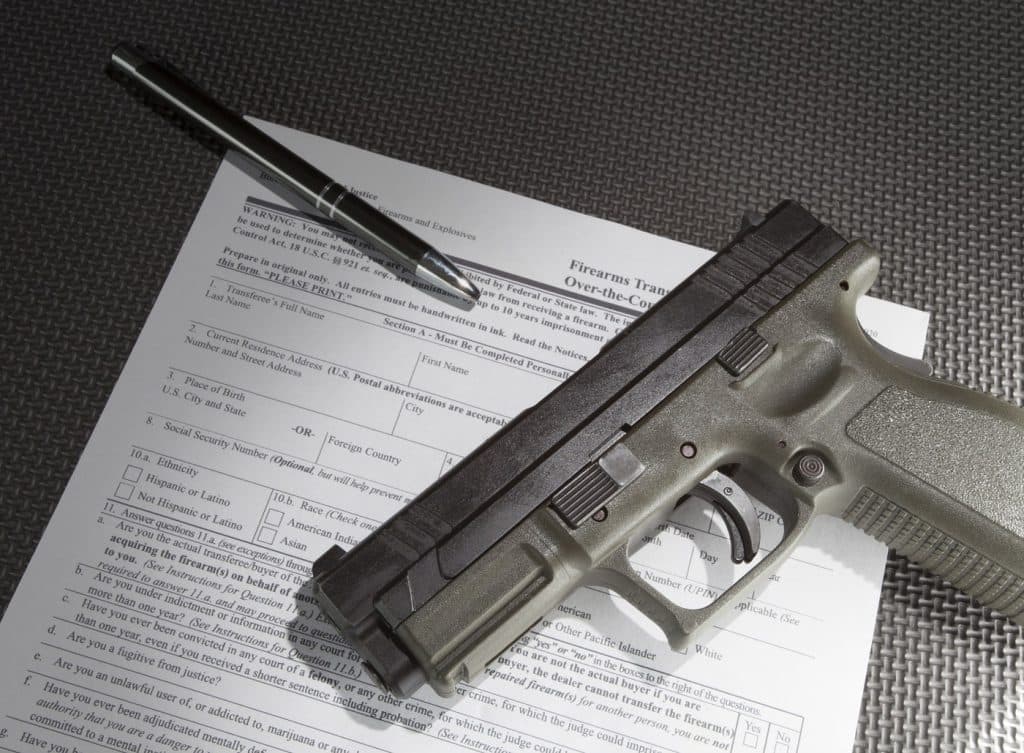
A Title II item takes much longer since it’s an NFA item and requires application with the ATF.
Even assuming your state allows purchase and ownership of cool toys like suppressors, you’ll need to fill out much more paperwork and have a significantly longer wait time while the application is processed.
Conclusion
Basically, a Title I firearm consists of the standard firearms that you can buy in any gun store. On the other hand, Title II describes firearms and devices that you must register with the ATF before you can legally own.
Either way, I suggest getting as many toys as you can as fast as you can so you can go out there and pew!
Disclaimer: While the information provided here is legal in nature, it is not to be construed as legal advice and is for educational and entertainment purposes only.
Got any questions about Title I vs. Title II, drop them in the comments below! For more on gun laws and how to stay legal, check out our Gun Laws Page!