
A Picture from History: Kristallnacht
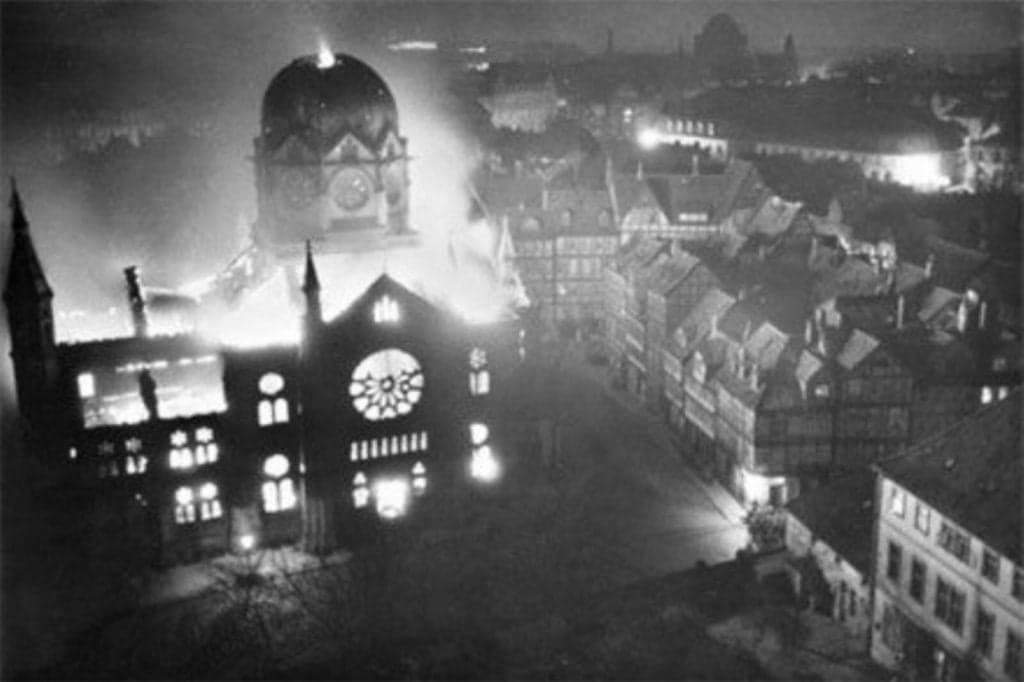
In this dive into history, we look at the Night of Broken Glass that left Jewish businesses vandalized and destroyed in November 1938.

Locksmith. Outdoorsman. Author of 3 books on survival & prepping
We review products independently. When you buy through links on our site, we may earn a commission to help support our testing. Learn more.
“It is seldom that liberty of any kind is lost all at once,” such were the words of philosopher David Hume.
At least for the Jews in Nazi-owned Germany, those words couldn’t have been truer.
Subject to a rising number of discriminatory policies ever since Hitler rose to power, things reached a climax on November 9-10, 1938.
It was then that the Germans had something sinister in store for the Jewish populace...Kristallnacht.
The Beginnings
In 1933 Hitler rose to power in Germany, quickly instituting a number of mandates discriminating against both Jews and others he deemed a “threat” to German society.
These state-sponsored policies only grew more and more oppressive as time went on.
In just two short years, businesses throughout Germany announced they would no longer provide service to Jews.
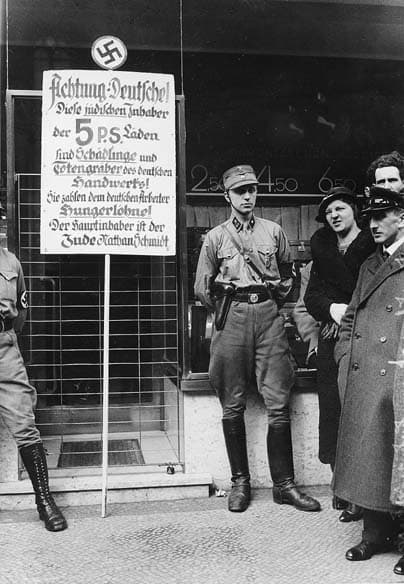
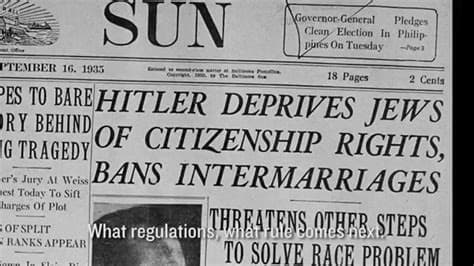
By the end of that same year, the Nuremberg Laws announced only Aryan Germans could be full German citizens, with all the benefits such entailed.
Hitler was always on the lookout for reasons to further justify his “purification” of German society, and on November 7, 1938, he believed he’d found just what he’d been looking for.
The Assassination
After hearing the news that his parents – along with tens of thousands of other Jews – had been rounded up into boxcars and shipped off to Poland, 17-year-old Herschel Grynszpan was furious.
He’d already witnessed years of discrimination against his people, but the strike against his parents was the last straw.
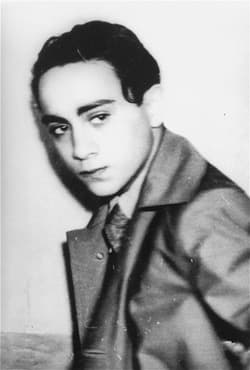
Armed with a revolver, young Herschel sought his revenge by shooting German ambassador Ernst vom Rath right outside of the German embassy in Paris.
Vom Rath died of his wounds two days later. Yet, his death would be the birth of something truly terrible just a short distance away.
Justification
Joseph Goebbels – the Nazi minister of propaganda – had waited for this moment.

Upon hearing the news of the assassination, he quickly sent orders down throughout the German military.
Goebbels told Stormtroopers to carry out violent riots against Jews -- burn down buildings and arrest as many as possible all under the guise of "spontaneous demonstrations."
Goebbels wanted to make it look like the chaos created came from the people – not his Nazi soldiers.
If he could pull this off successfully, further acts of discrimination could be justified to the public at large.
In addition, police and fire departments were told to stand down. Firemen could only intervene if the flames threatened Aryan-owned businesses.
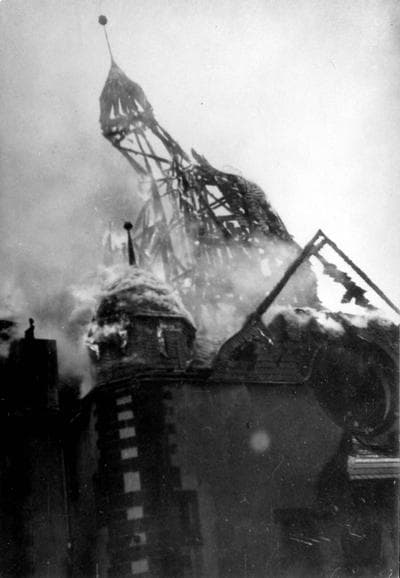
The result?
A night of broken glass.
The Crystal Night
As ordered, the riots and burnings began the night of November 9, carrying on well into the night of the 10th.
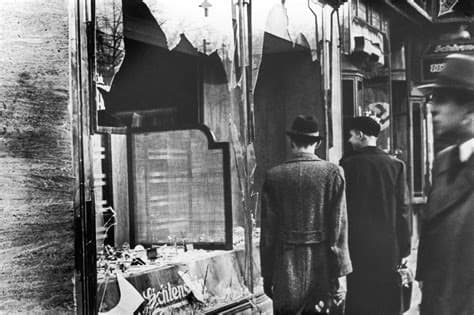
Synagogues, Jewish businesses, homes, and schools were systematically looted, burned to the ground, and destroyed.

Authorities arrested 30,000 Jewish men and promptly shipped them off to concentration camps.
By the end of the chaos, Nazis murdered approximately 100 Jews, destroyed or damaged 7,500 Jewish businesses, and vandalized hundreds of synagogues, homes, schools, and graveyards.
And while the Nazis referred to the night as made of crystal, the Jews had another name for it, “The Night of Broken Glass.”
Conclusion
After Kristallnacht, the German government still found reason to blame the Jews.
The government fined them 1 billion marks ($400 million in 1938 money), seized their property, and confiscated insurance money as well. Further discriminatory policies soon took place, virtually excluding Jews from all other aspects of life in general.
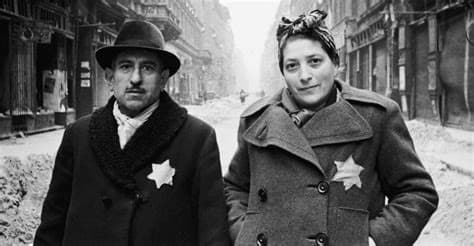
Seeing the writing on the wall, over 100,000 Jews left Germany as soon as they could, fully understanding what Kristallnacht forebode.
This is a new style of article for Pew Pew Tactical, if you liked it — let us know in the comments! If you didn’t enjoy it…well phooey. To catch up on previous Pictures From History, click on over to our History Category.