
What Is M.A.R.C.H. & Why Should Gun Owners Know It?
We cover what the M.A.R.C.H. medical acronym means, how it differs from the ABCs, and the importance of first aid training.

USMC Veteran. Concealed Carry & NRA Pistol Instructor. 3-Gun Competitor. Career firearms writer
We review products independently. When you buy through links on our site, we may earn a commission to help support our testing. Learn more.
A good acronym is an excellent tool for remembering how to get things done. It’s odd how effective they can be.
They are used widely because they work, especially for things you might not commonly run into. That’s why the acronym known as MARCH is so important. MARCH relates to first aid and traumatic casualty care.
Very few of us deal with that daily, and very few of us read EMS books before going to bed every night. Knowing what MARCH stands for allows you to tap into a step-by-step method to treat an injured person. Imagine how much adrenaline will flow if you find yourself treating an injured person.
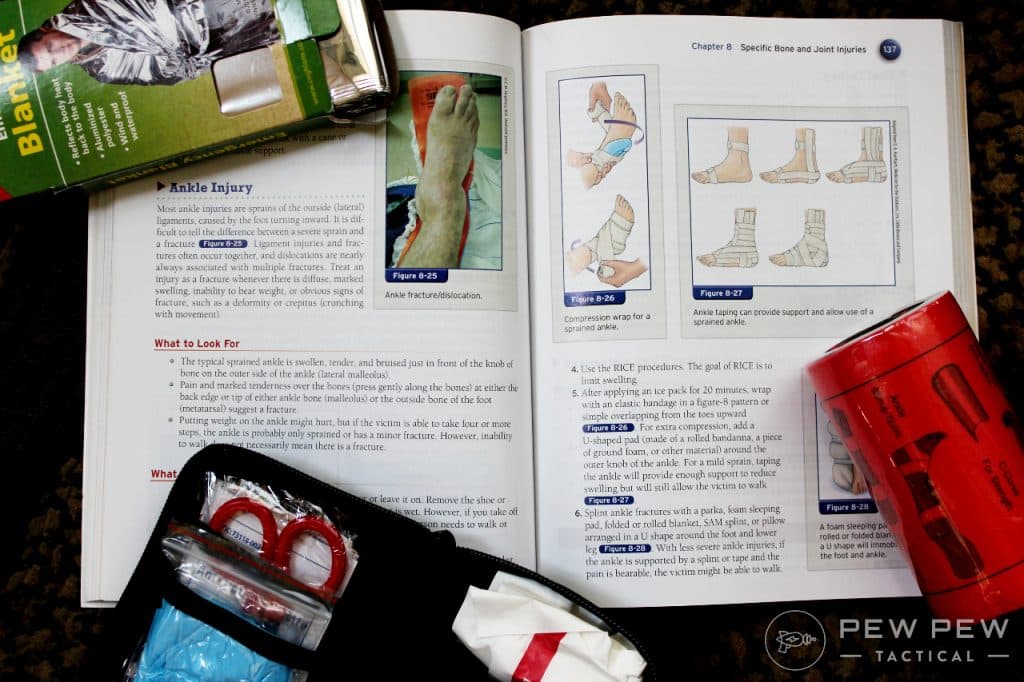
Your blood will be pumping, your hands shaking, your mind zipping back and forth on what to do. MARCH lays it all step by step, making it easy to tap into when your heart is racing and your hands are shaking.
Table of Contents
What is MARCH?
We’ve mentioned it a few times, so let’s lay it out. MARCH stands for:
- M - Massive hemorrhage
- A - Airway
- R - Respiratory
- C - Circulation
- H - Hypothermia
MARCH is the framework for prioritizing proper trauma care.
MARCH came out of the U.S. Army and Department of Defense. Specifically, it ties back to Tactical Combat Casualty Care.
Tactical Combat Casualty Care and the Committee on Tactical Combat Casualty Care set the guidelines for traumatic medical treatment for the entire military.
This committee comprises military members, civilian medical personnel, DoD civilians, and personnel from other government agencies. It’s a massive working group that has been invaluable to the United States as a whole.
MARCH is part of Tactical Field Care and designed for first responders. In the military, this means medics and corpsmen, as well as the everyday grunt. With that in mind, it can translate well to the average civilian responder.
The acronym lays it out in a step-by-step method. If you can memorize MARCH, you have a built-in guide on how to treat traumatic injuries in the proper order. Let’s dig a little deeper into the acronym MARCH.
Using MARCH
Put yourself into the civilian responder situation. You come across a person who is injured, and you begin to run through MARCH.
You’re engaging your OODA loop and using MARCH as a guide. MARCH establishes our priorities with an injured person.
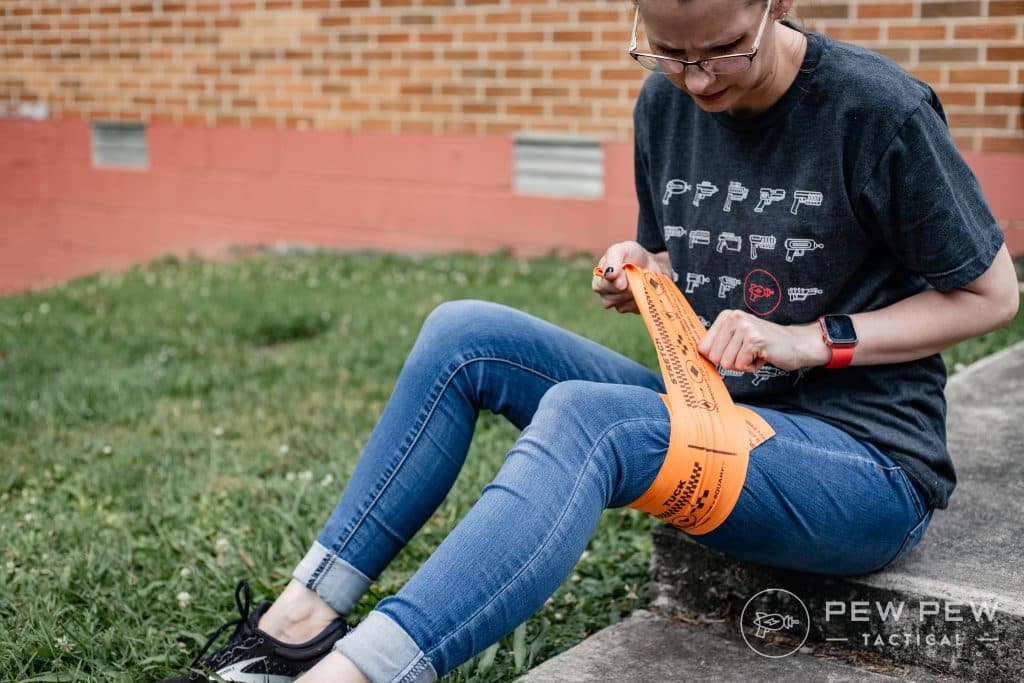
Massive hemorrhage is blood loss, and blood loss is death. First aid’s goal is to keep as much blood in your body as possible. Hemorrhage is managed through direct pressure, pressure dressings, and tourniquets. Get it under control as soon as possible.
Airway relates to the individual’s ability to breathe. It should be pretty non-controversial to say that oxygen is pretty great, and we need it. When encountering a patient, you want to ensure their airway is clear. Most of us cannot and should do a cricothyroidotomy, but we can ensure nothing is blocking the airway and, if there is, do our best to clear it out.
Respiration keeps us in the idea that we need to keep breathing. The military will often ensure an individual is not suffering from a sucking chest wound and treat any upper torso wounds as sucking chest wounds regardless. It also relates to an individual's need for air and assistance in breathing.
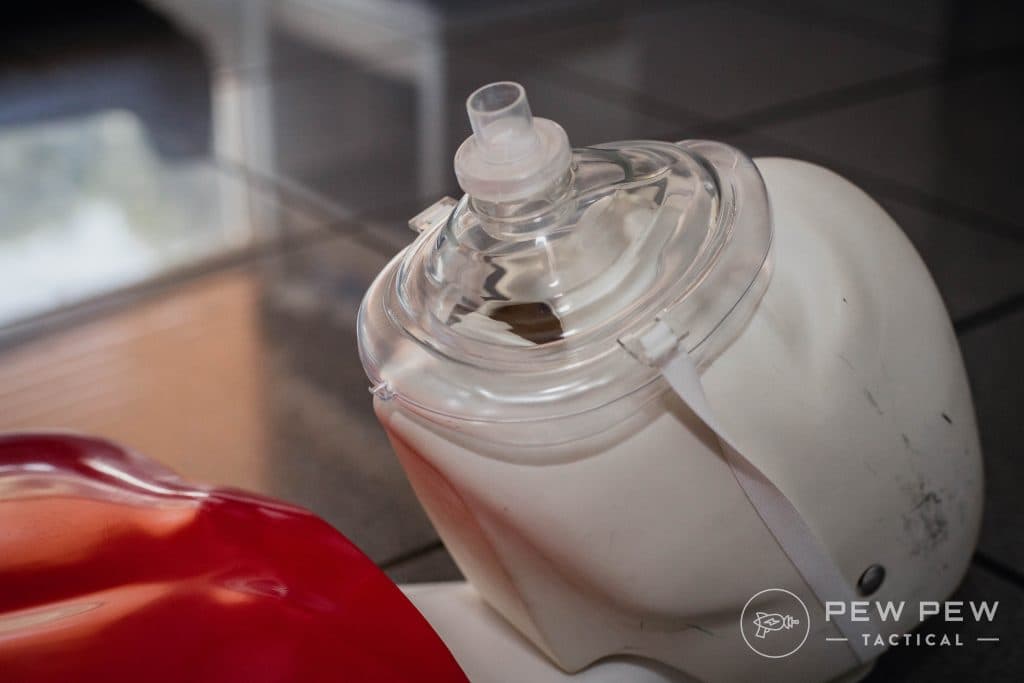
Most of us won’t have any artificial means of providing air like a bag valve mask, but that’s the general idea.
Circulation relates to optimizing circulation to prevent effects like shock. The standard methods to optimize circulation include laying the patient flat, maintaining proper body temperature, and fluid resuscitation if you’re an EMS provider.
Hypothermia is often discussed in first aid, but it is a part of the trauma triad of death. If a patient goes into shock, their body temperature drops, inhibiting the blood's ability to clot. As you lose more blood, shock intensifies, forming a vicious circle. Maintaining body temperature becomes critical.
How does March differ from the ABCs of First Aid?
Before MARCH, we had ABC, which stands for Airway, Breathing, and Circulation. ABC was designed for unresponsive patients in typical urban environments in peaceful conditions. It relates to unresponsive patients and was used to begin CPR.
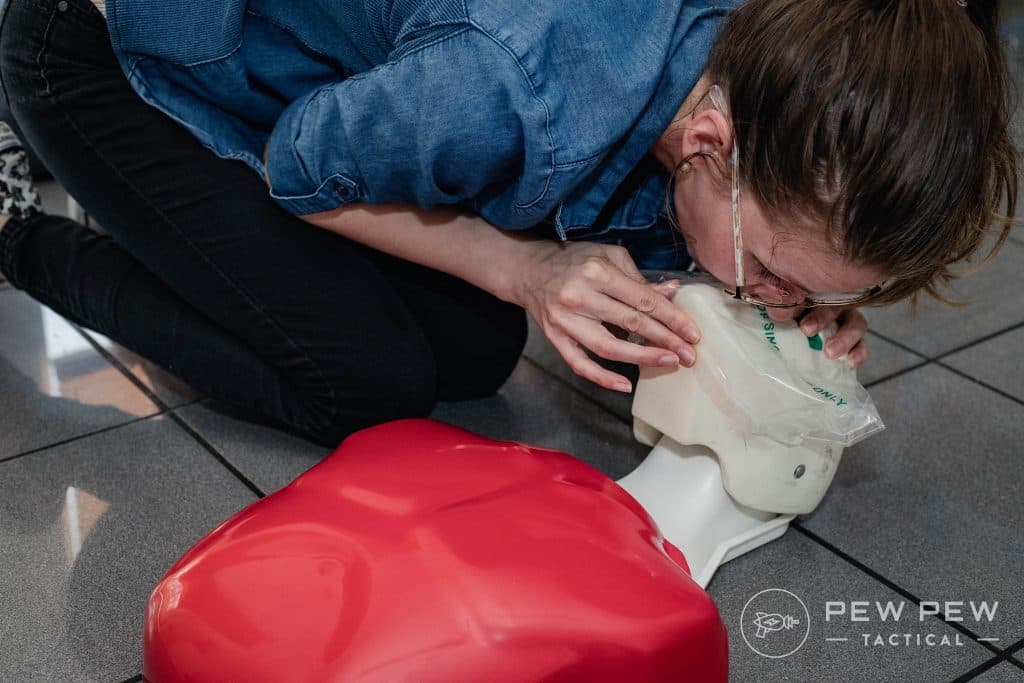
When approaching a patient, you clear the airway, check for breathing, and begin compressions. It was rearranged to CAB, with chest compressions being the first thing a responder does before checking the airway and applying rescue breaths.
MARCH and ABC are not competitors but act as tools to help first responders do the right thing in stressful situations.
MARCH does take a military focus, where massive hemorrhage is more common. On a battlefield, IEDs, gun fights, and similar events create a more common need for MARCH.
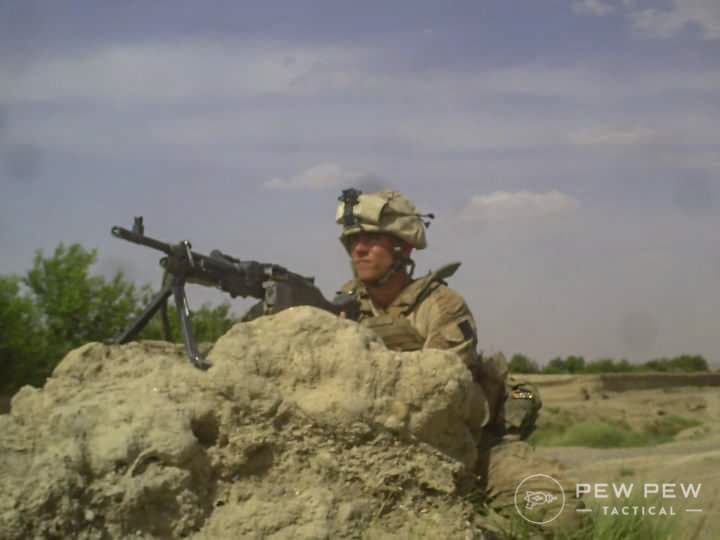
In the civilian world of first aid, MARCH can certainly be needed, but ABC or CAB are the more common tools.
Neither of these tools is designed for long-term medical care. They are what you do as soon as you arrive on scene. Most reading this are likely not medical professionals and cannot provide care beyond immediate care.
This is why calling 911 as soon as possible or directing someone else to call for help is so valuable.
Why Basic First Aid Is So Important (Especially for Gun Owners)
Gun owners and concealed carriers, in general, tend to be prepared people. We carry a gun in case we need to defend our lives or the lives of our family members. We train to become more effective and safer with a firearm.
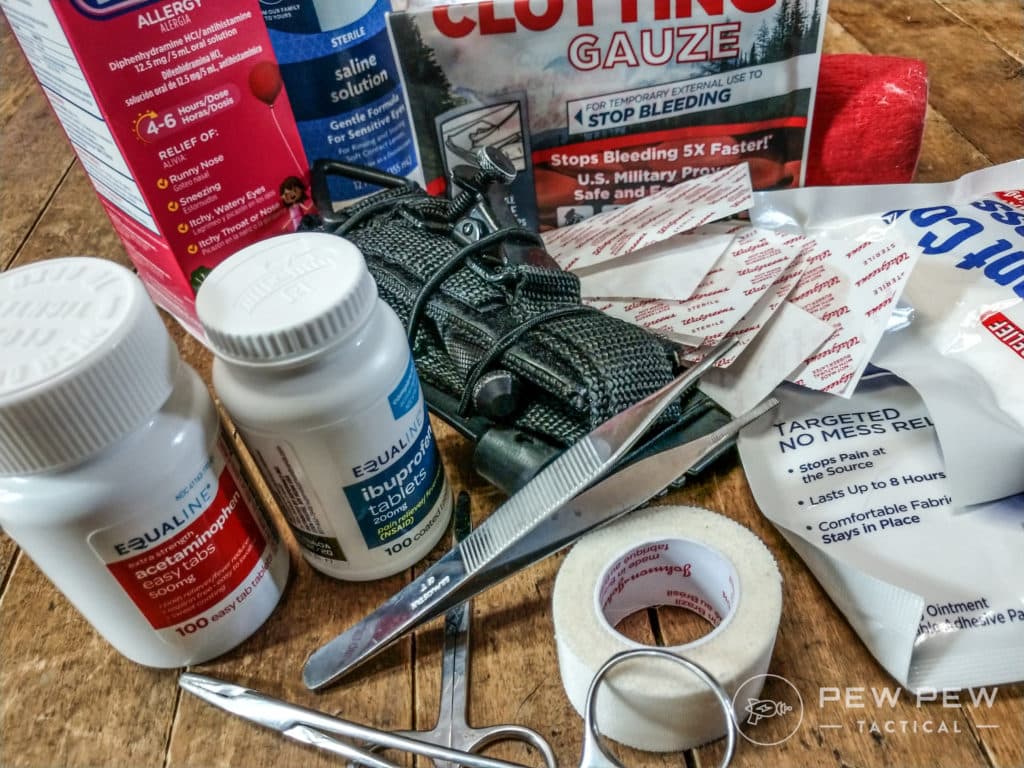
We should have the same mindset about first aid and emergency medical care. Someone once said if you can make holes, you should be able to patch holes. They might have been talking about drywall, but it makes sense in the world of self-defense and self-preservation.
First and foremost, how many events are you required to use your gun?
As a concealed carrier, just one, self-defense. How many events could call on proper medical treatment and equipment?
Dozens. Sure, you could get shot, but you could be in a car accident, you could see someone fall off a ladder, trip on a wet floor, and so on and so forth. There are dozens of situations where medical training and equipment can be used effectively.
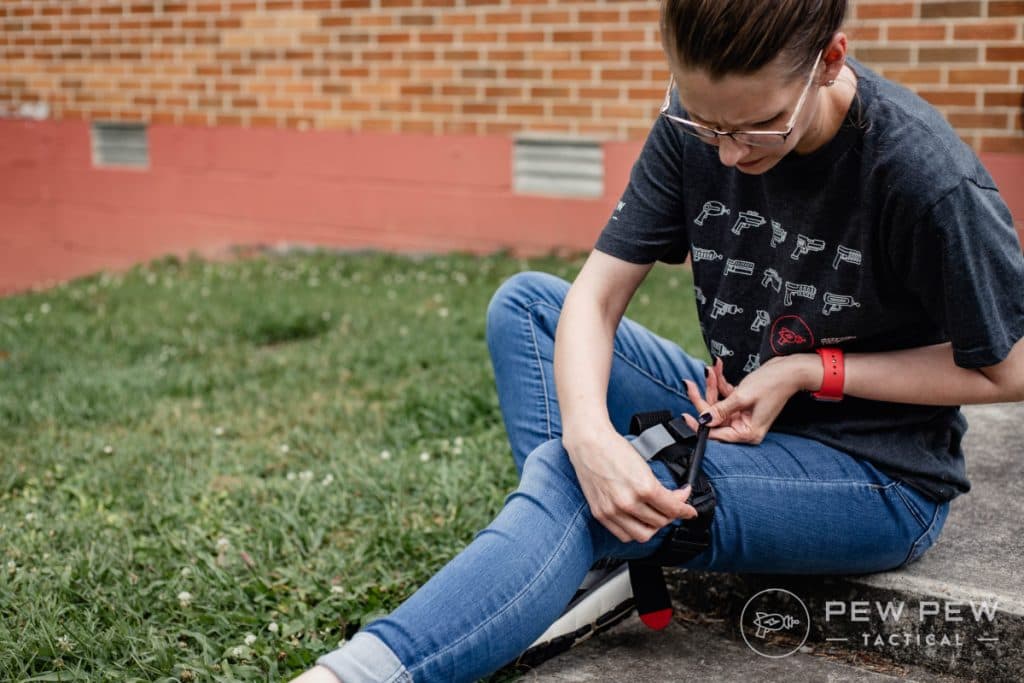
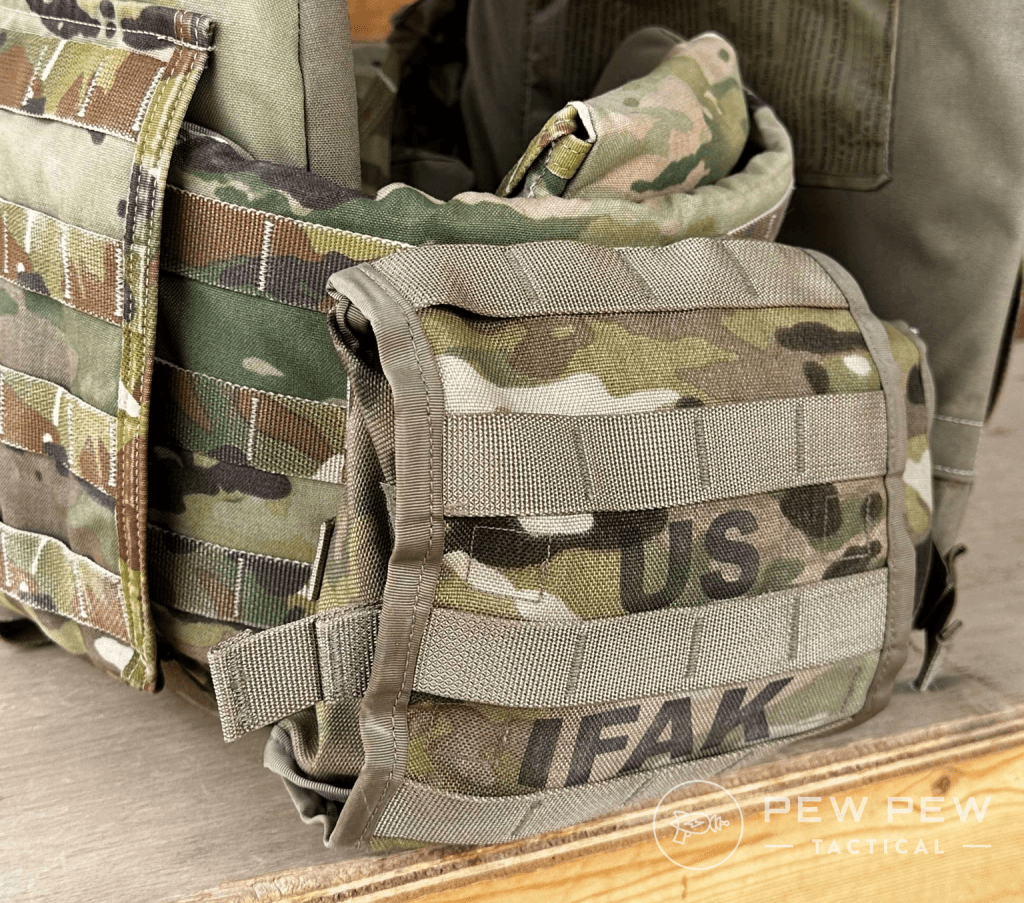
Heck, I won’t train without an IFAK somewhere near me. I practice the four rules of gun safety as if Moses brought them down on tablets, but you can never tell what other people will do. Maybe Winchester double-loaded that 9mm round I’m about to fire, and my handgun will explode.
I want proper medical gear and proper medical treatment, and I can’t count on anyone but myself to have that. Personally, if I was put in some bizarre situation where I could only either carry a gun or an IFAK, the IFAK would make more sense to me
Final Thoughts
Just knowing an acronym or mnemonic device isn’t enough. You need to know how to stop massive hemorrhage, clear airways, assess respiration, prevent circulation impairment, and prevent hypothermia. That means you need training.
It’s not complicated to obtain some basic first-aid emergency training. It will make you a more prepared person and better suited to ensure you and your family stay safe, happy, and healthy.
What do you think about MARCH vs. ABC? Let us know in the comments below! Ready to get some first aid trained? We have a list of the best first aid courses available – whether you’re a beginner or a little more advanced.